How To Find The Best Food While Traveling: A Simple Guide
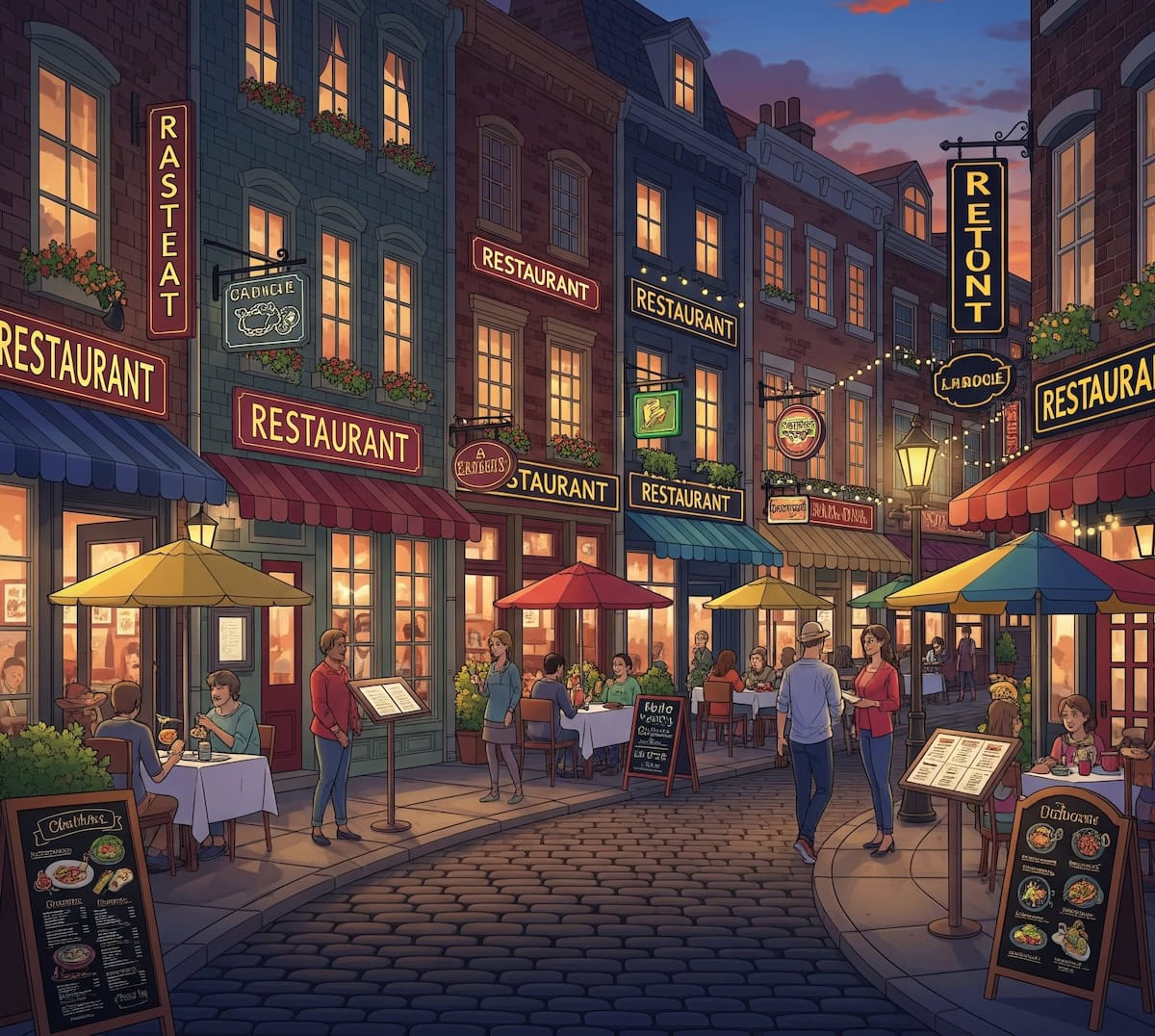
Travelers who are passionate about food are likely to spend as much time planning restaurant itineraries as they are booking hotel rooms. In fact, people are arranging entire vacations around food experiences, ranging from visiting producers and food markets to participating in cooking classes to seeking out meals at iconic restaurants.
“People want to experience the life and culture of the places they visit, and food is one way to do that — to literally take in the culture,” said Maureen Costura, an assistant professor at the Culinary Institute of America in Hyde Park, N.Y.
To some extent, every tourist thinks about his or her next meal, even those who are more interested in monuments and museums than menus. “Vacations are expensive and big events in people’s lives,” Costura explained. “We want to maximize our food experiences so we don’t feel our precious leisure time is wasted.”
But when you’re several hundred miles from home (perhaps, even in another country), knowing whom to trust and what resources to rely on can be challenging. Many travelers are appropriately concerned about winding up at eateries where they will be overcharged for mediocre meals.
So how can you best avoid tourist traps and find authentic culinary experiences? Here are some tips for things to do before you leave home and after you get to your destination. They include tips from experts and takeaways from our own traveling over the years:
1- Ask Your Friends

The most straightforward approach to getting suggestions is to seek out recommendations from trusted networks of friends, relatives, and business associates, perhaps via a phone call, email, or social media. Many people post on Facebook, for example, asking for restaurant recommendations in a specific city.
The logic for finding good restaurants through recommendations is similar to that of finding a good doctor: Ask someone whom you know and trust. You can also ask your friends for recommendations for specific dishes.
People who know your tastes can make an educated guess about the kinds of foods and establishments you will like. Lawyers Nina and Tim Zagat started their successful restaurant guide in 1979 (often referred to as the “burgundy bible”) by surveying friends.
2- Check Relevant Apps

Everyone seems to have a favorite “go-to” website or app they use for restaurant recommendations.
To start, there are venerable sites like OpenTable, Resy, and Yelp. People also use Tock for special dining events. Others turn to communities on TripAdvisor, Reddit and Chowhound. These include a mix of professional and user reviews, ratings, recommendations and tips, menus, forums and photographs of dishes.
There are also in-depth reviews on food blogs, such as Serious Eats or Eater, in newspapers and on food and travel websites created by independent bloggers. Serious foodies often cross-reference multiple sites and resources.
When traveling in Europe, people often turn to TheFork, Quandoo, and The Michelin Guide.
3- Give Print a Chance
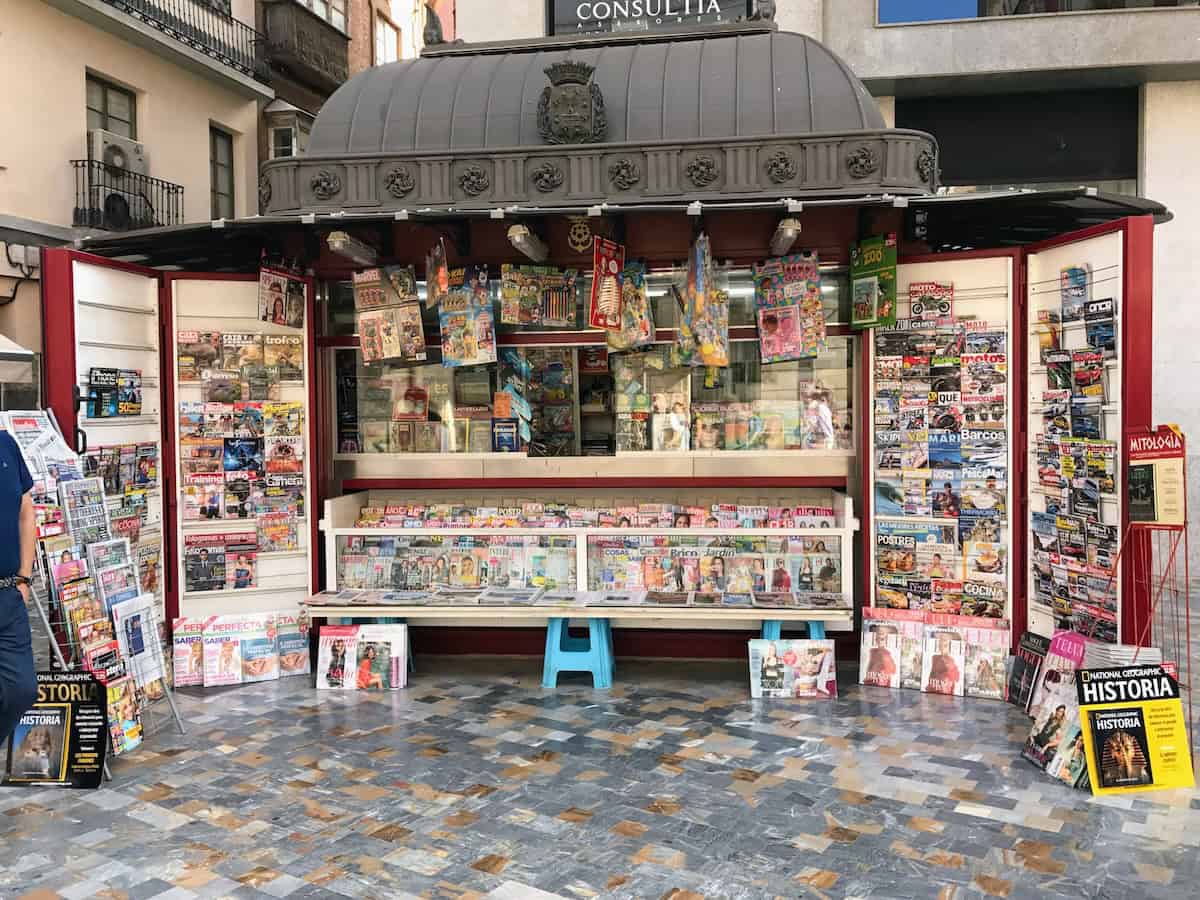
Newspapers, city and regional magazines, and travel guides often run in-depth restaurant reviews written by professional reviewers and journalists.
Compared with user reviews, these offer the added credibility of being written by an individual whose professional reputation — and that of the media outlet — are at stake, said Joshua E. Perry, an assistant professor of business law and ethics at Indiana University.
Even if you’re not a subscriber to a faraway publication, you may be able to Google many of the reviews and read them online.
4) Ask a Local

Many travelers depend on the suggestions of people they meet along the way, such as taxi drivers, police officers and hotel staff.
“Because they live and work in that town, they know the best restaurants that provide the best value: good food at a good price,” said Karen Mishra, a professor at Meredith College in Raleigh, N.C., who runs a marketing firm called Total Trust in Durham. “They have no agenda: nothing to gain or lose from telling the truth,” she said.
Another often-neglected resource: Tourist information boards or local tourism offices, which have a vested interest in their visitors having positive experiences. Many offer online listings of restaurants or can make recommendations.
Because we take tours in many cities, we routinely ask our local guides for restaurant and entertainment suggestions.
5- Consult a Concierge

Most upscale hotels and resorts have professional concierges, often a member of Les Clefs d’Or, the professional association of hotel concierges. They are dedicated to helping guests navigate their stay, offering expert advice about tours, tickets, transportation and, of course, restaurants. A concierge can also help obtain hard-to-get or last-minute reservations.
While some travelers complain that these recommendations may be tainted by kickbacks, those usually are the few bad apples in the bunch.
“A bad recommendation will come back to hurt not only the concierge but the hotel, as well, because travelers now have the power (through social media) to tell all,” Mishra said.
6- Be Spontaneous
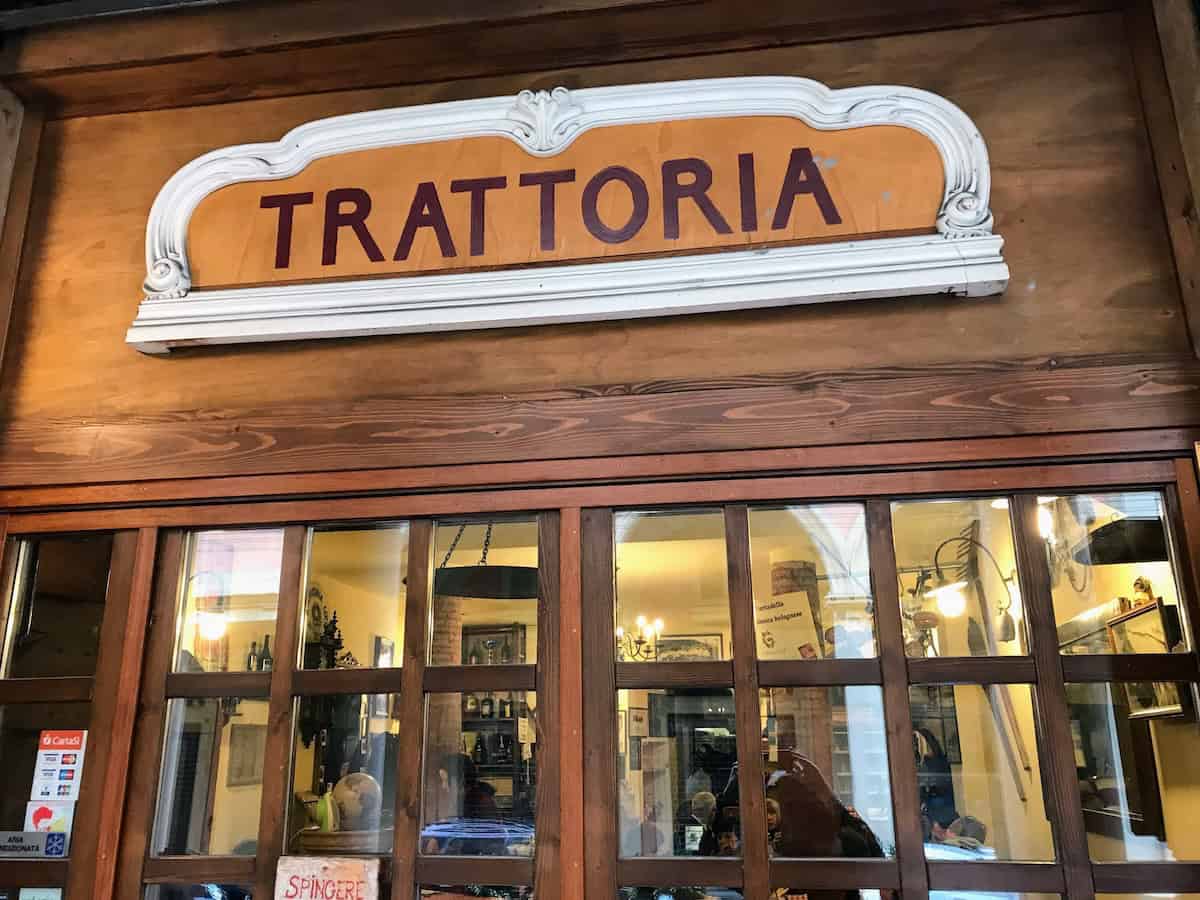
Not every meal has to be planned. Sometimes it’s best to follow your nose and grab a bite from a nearby cafe or food cart that’s close to the attraction you’re visiting. Increasingly, hotel restaurants are improving their dining rooms not only to attract guests, but also to generate revenue from loyal locals.
“For me, part of the joy of travel is new experiences,” Costura added. “If you want to experience exactly the same thing, you can at home, save your money and stay there.”

And remember, hopefully, this won’t be your last meal. If you make a mistake, there is always the next one!
Additional Tips For Finding The Best Food When Traveling
- When asking for advice, whether it’s a friend or anyone else, be specific in terms of your preferences and budget (for example, how important is ambiance, noise level, etc?)
- Don’t forget that popular restaurants often require reservations well in advance.
- Don’t make the mistake of judging a restaurant by size, location, or view. Try to find places away from major tourist attractions.
- Opt for restaurants that are popular with locals.
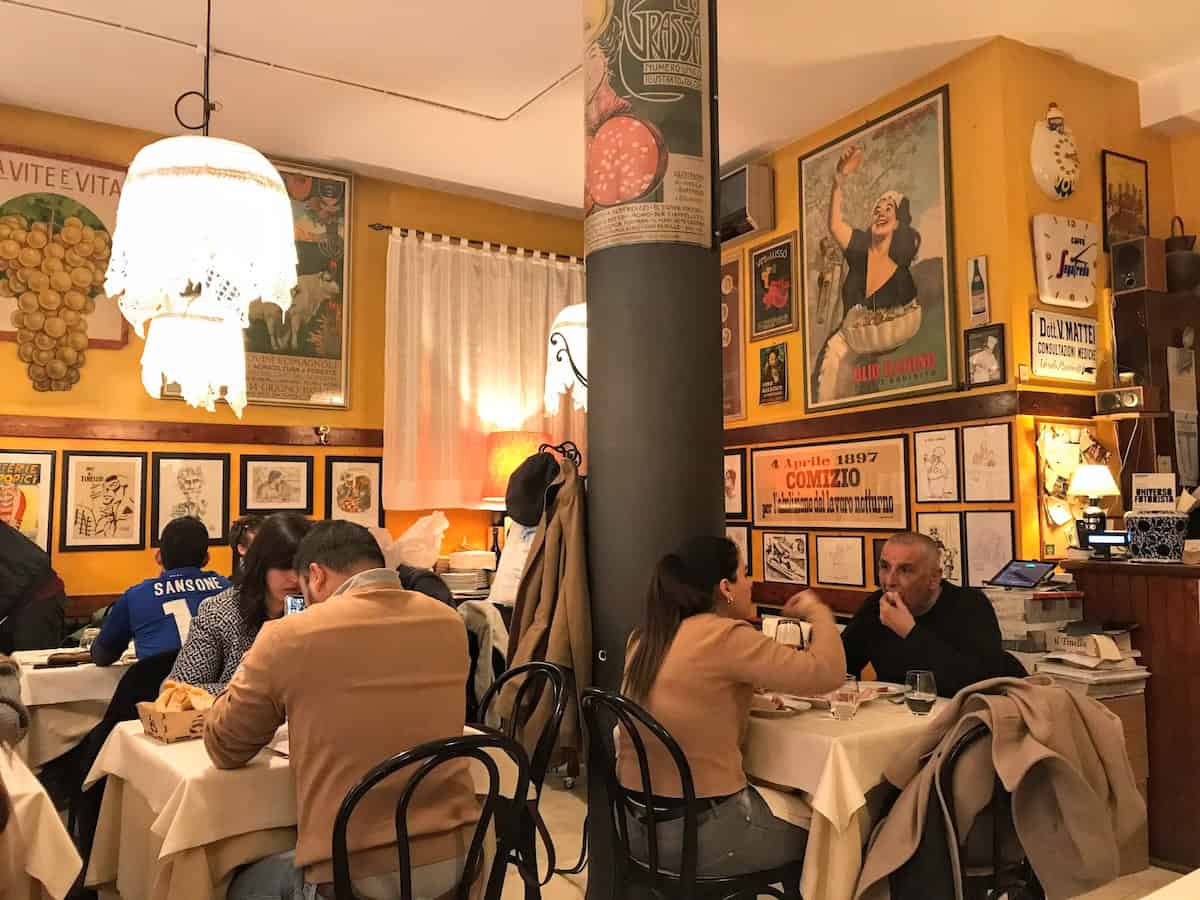
- Opt for menus that are written in the local language, rather than multiple languages for tourists; familiarize yourself with local dishes you want to try.
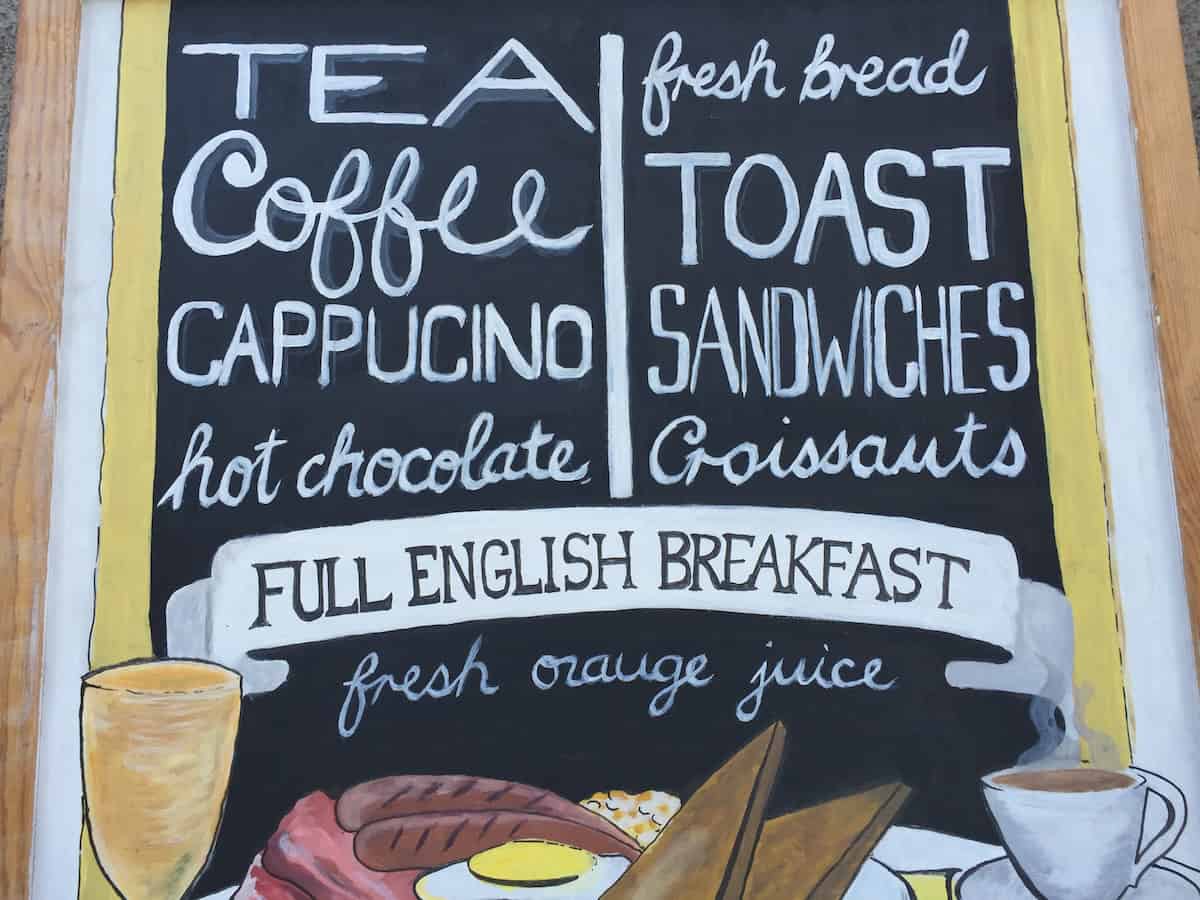
- Look for blackboard menus; they often suggest dishes that are prepared with fresh market ingredients. Eat seasonally and locally whenever possible. Make sure you try some of the specialty foods of the destination you are visiting.
- Read menus to see whether they tell where foods are sourced.
- If the menu doesn’t disclose prices, especially for specials or meat or seafood priced by weight, it’s prudent to ask rather than feel taken when you receive the bill.
- When traveling with kids, inquire ahead whether the place is child-friendly.
- Restaurants can be very noisy. If you are an older traveler or otherwise hearing impaired, request a quiet table. Most restaurants are happy to accommodate when they can.
- Avoid restaurants with hucksters on the street who try to entice you to eat at their venue.
- “Look for the lines, sometimes they’re worth the wait,” says Sue Reddel, of Food Travelist.
[This article was originally published in the Sunday Travel section of the Chicago Tribune on September 7, 2014. It was substantially revised and updated on 8/25.




Irene, Never heard the Zagat story! Thanks for some new apps (Chefs Feed & Find.Eat.Drink) to try out. Typically, I cross-reference, make some reservations, and then tweak away at the destination!
Just one of those New York stories, Lisa:-)
Some great advice here, definitely agree with ask a local! One thing to be aware of though is that often tourism offices have affiliations with certain restaurants so you may not get the most unbiased view. That’s not to say they won’t recommend some good restaurants though 🙂
I posed that question to a tourism office and they said that they want their visitors to return with positive feelings…FWIW~
Interesting, thank you (^_^)
For me, the gold standard are those free weekly local newspapers’ annual “Best of” issues. If you cannot find the information online, a quick visit to public library might work. Oh, yeah, librarians are some of my favorite locals to ask for dining suggestions.
Sure, there’s Yelp, Google and Facebook local, but the best way that I’ve found to find the best food in town is to do a search of local sites, message boards, etc. Using Facebook’s advanced search is also an indicator, you can find places people check in a lot, read their reviews. I like the idea of asking a librarian. Have to give them something to do 😉
I usually ask locals who are shopping in an area where I’m interested in a certain restaurant, and also stop in at shops and ask storekeepers where they eat.
I also look inside restaurants during lunch or dinner times and if the restaurant is empty, I won’t bother eating there. It’s usually a tell-tale sign that the food isn’t good. Learned that lesson when I was in Amsterdam, asked someone who had a business next to an Indonesian Restaurant and was told it was excellent. Although it was empty I should have followed my gut feeling and not gone inside – but I did along with 4 other people. The food and service was terrible. Turned out the business next door also owned the restaurant!
Guess you can’t always take the word of a shop keeper 🙂 and it certainly helps to see if the restaurant is crowded or not.
Best, Arline Zatz
I forgot to mention that I often check TripAdvisor and haven’t been disappointed in the evaluations thus far.
Best, Arline
Agree that the empty restaurant is a very bad sign:-)