Discovering Wine & History at Montepulciano’s Talosa Winery
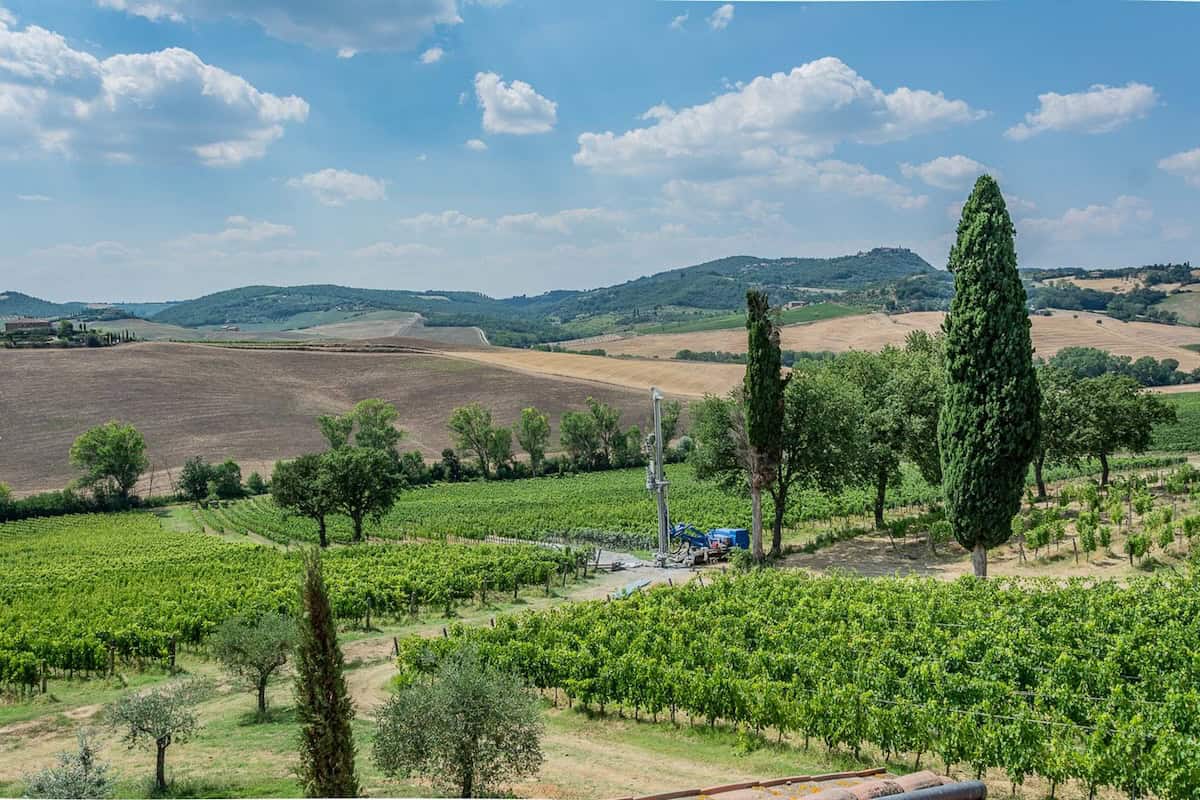
Summary: Talosa Winery, located in the historic hilltop town of Montepulciano in southern Tuscany, combines centuries of Etruscan tradition with modern organic viticulture. Purchased in 1972 by Angelo Jacorosso, the winery has been managed by three generations of his family and is situated beside 16th-century Renaissance palaces.
Key aspects of the winery include:
-
Historical Significance: The site features ancient underground tunnels originally excavated by the Etruscans over 2,300 years ago for food and wine storage, which later served as bunkers during World War II.
-
Commitment to Terroir: Talosa emphasizes traditional, hand-harvested grape cultivation across 13 distinct vineyards to express the unique characteristics of the local terroir.
-
Wine Varieties: The winery produces several DOCG wines, including Vino Nobile di Montepulciano Alboretto, Riserva, and Filai Lunghi.
-
Visitor Experiences: Talosa encourages wine tourism by offering guided tastings, cellar tours, cooking classes, and stays at the nearby Villa Talosa, which features modern amenities.
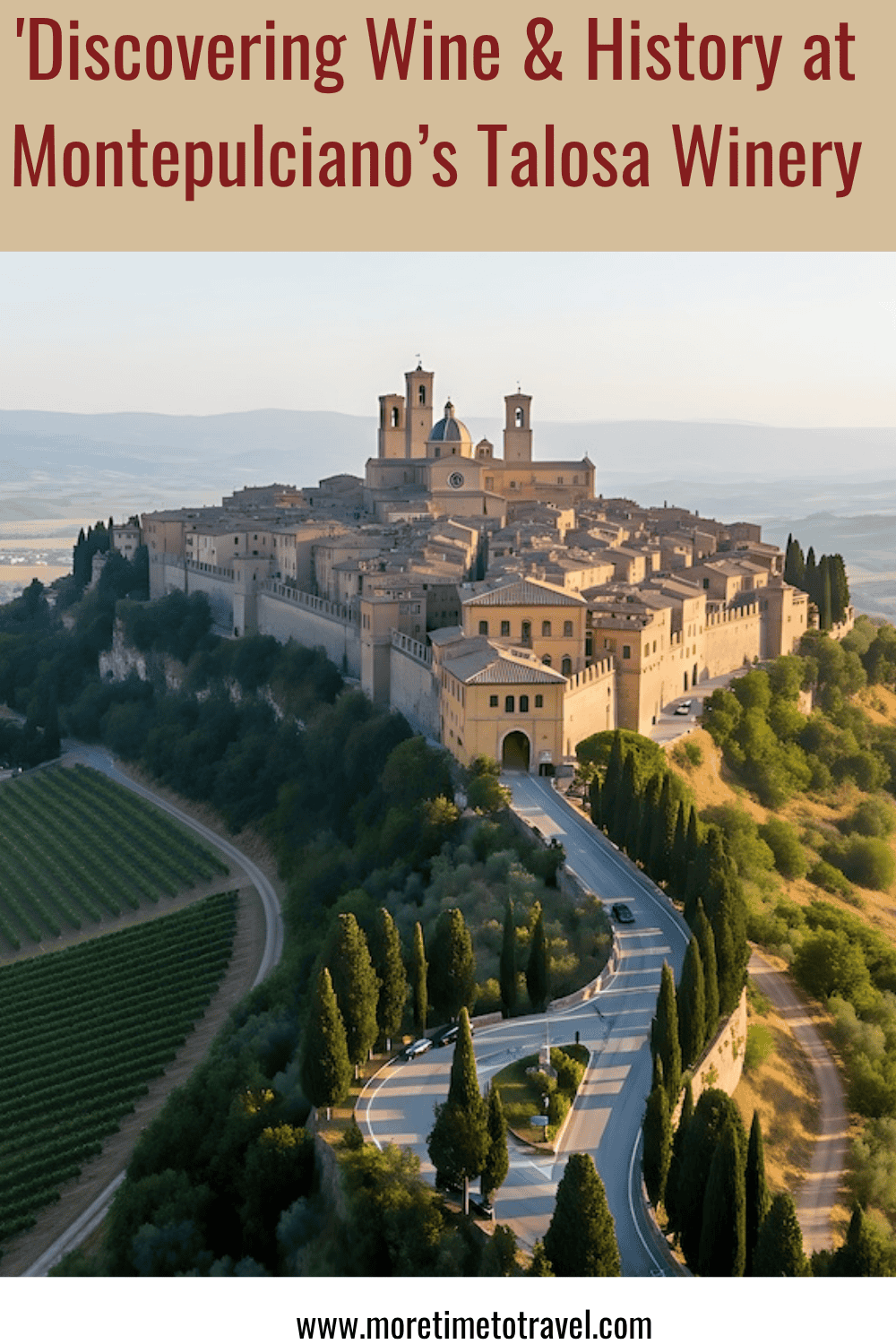
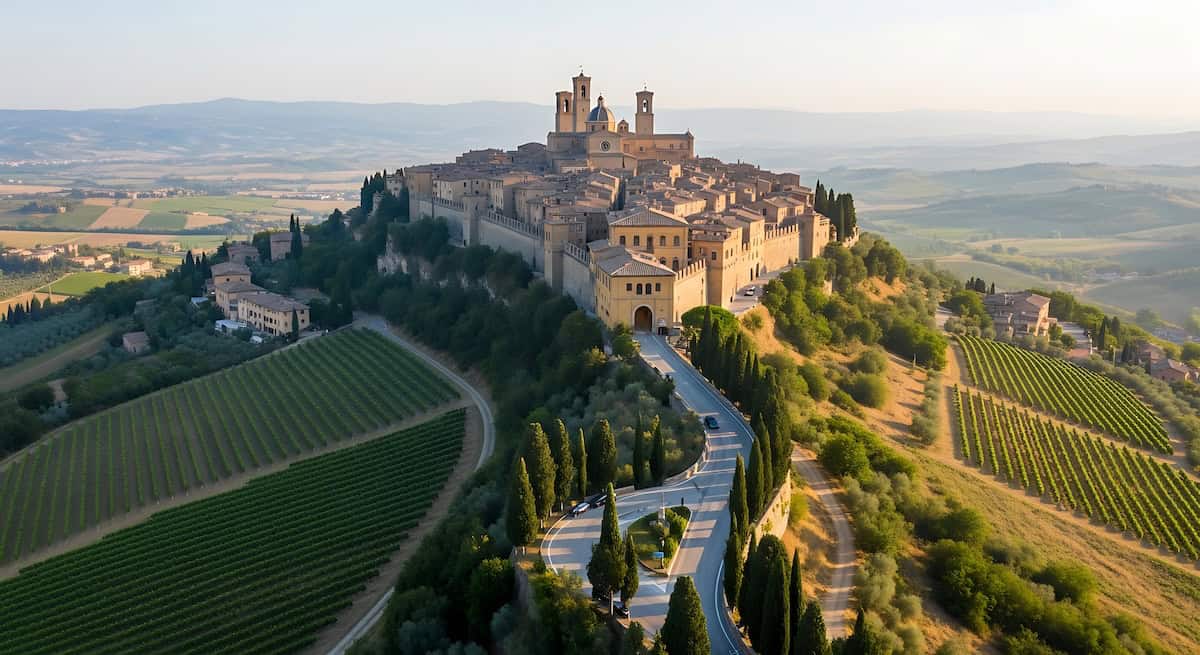
Perched atop a promontory at 605 meters above sea level, the walled hilltop town of Montepulciano offers sweeping panoramas of the surrounding valleys and hills dotted with olive and cypress trees.
The historic Talosa Winery is centrally located in Montepulciano, in the province of Siena in southern Tuscany.
Angelo Jacorosso, a prominent businessman from Rome, fell in love with this land, which is ideally suited for viticulture. He and his family purchased the winery in 1972, and about 81.5 hectares of the estate are now under organic cultivation.
Centuries of Tradition
Three generations of the Jacorosso family have overseen the winery over the past five decades. However, the site was first excavated by the Etruscans more than 2,300 years ago to preserve and store their food and wine. This was before anyone could even imagine the wonders of modern refrigeration. Underground, this pre-Roman civilization achieved near-perfect temperature and humidity control for aging wine.
The meticulously restored Fattoria della Talosa wine cellar is protected on both sides by the walls of two 16th-century Renaissance palaces, Palazzo Tarugi and Palazzo Sinatti, which are among the oldest buildings in the province. All three structures are located in the heart of Montepulciano, in front of the city’s Cathedral (Cathedral of Santa Maria Assunta) on the magnificent Piazza Grande.
The presence of an ancient civilization on this site has been documented by archaeologists through excavations of tombs and artifacts, such as traditional Etruscan fossils and black earthenware pottery. Finding the remains of blackware wine cups suggests that wine cultivation dates back as far.
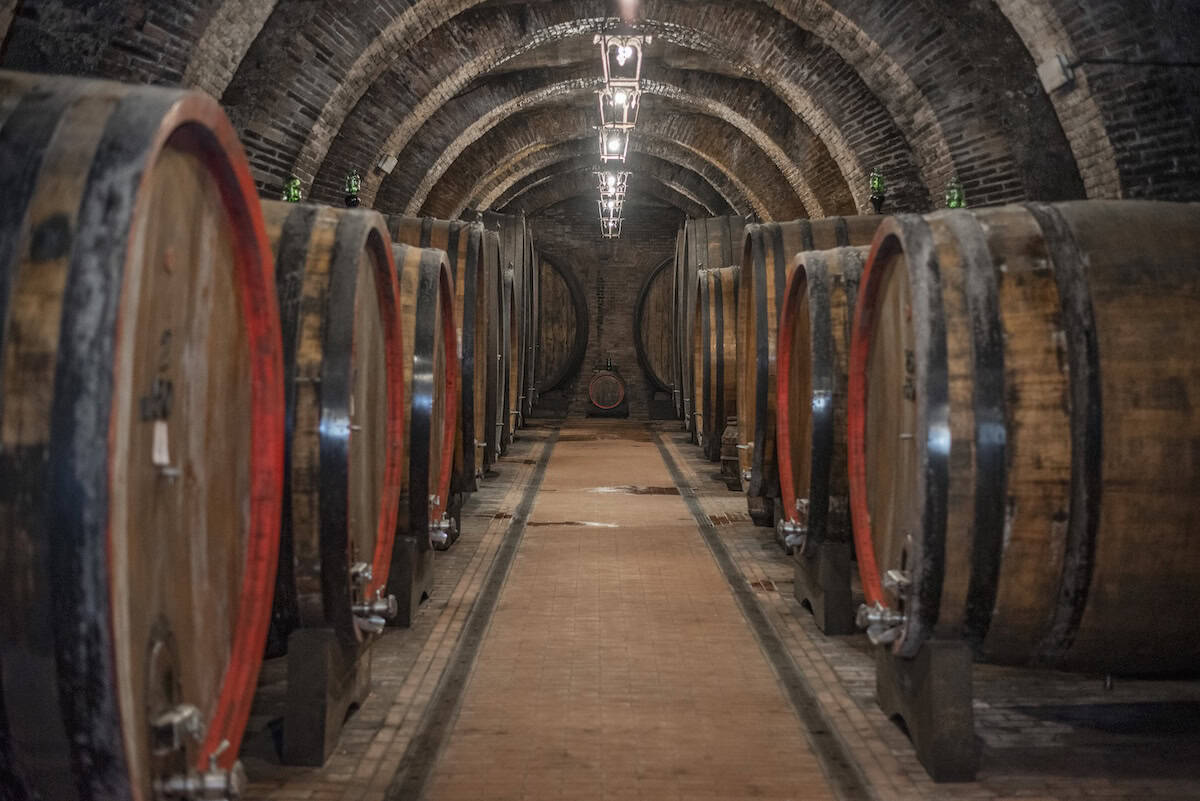
A 15-meter network of caves and tunnels was discovered beneath the winery’s primary tasting rooms. During World War II, those same tunnels served as bunkers for locals to find shelter during the heavy bombing that took place between the Allied forces and the German army, which occupied Montepulciano and nearby towns. Now, the brick cellars feature vaults and niches storing barrels of wine.
Talosa Wines: An Expression of Terroir

During an informative Zoom webinar (organized by Gioia Buonasera of AB Comunicazione), Christian Pepi, Talosa’s export manager, shared the winery’s history and its commitment to excellence.
He explained that wine is “part of life” in Tuscany and recounted that his own grandmother taught him to sip a few drops of wine in water, even before he learned to use utensils.
Pepi noted that the small winery has grown considerably over the years, with the production of fine wines and olive oils at the core of its business.
The vineyards of Fattoria della Talosa are located in one of the most scenic and prestigious areas of the Montepulciano Cru, the Pietrose locality. The land has an altitude of 330-400 meters above sea level with a southwest exposure.
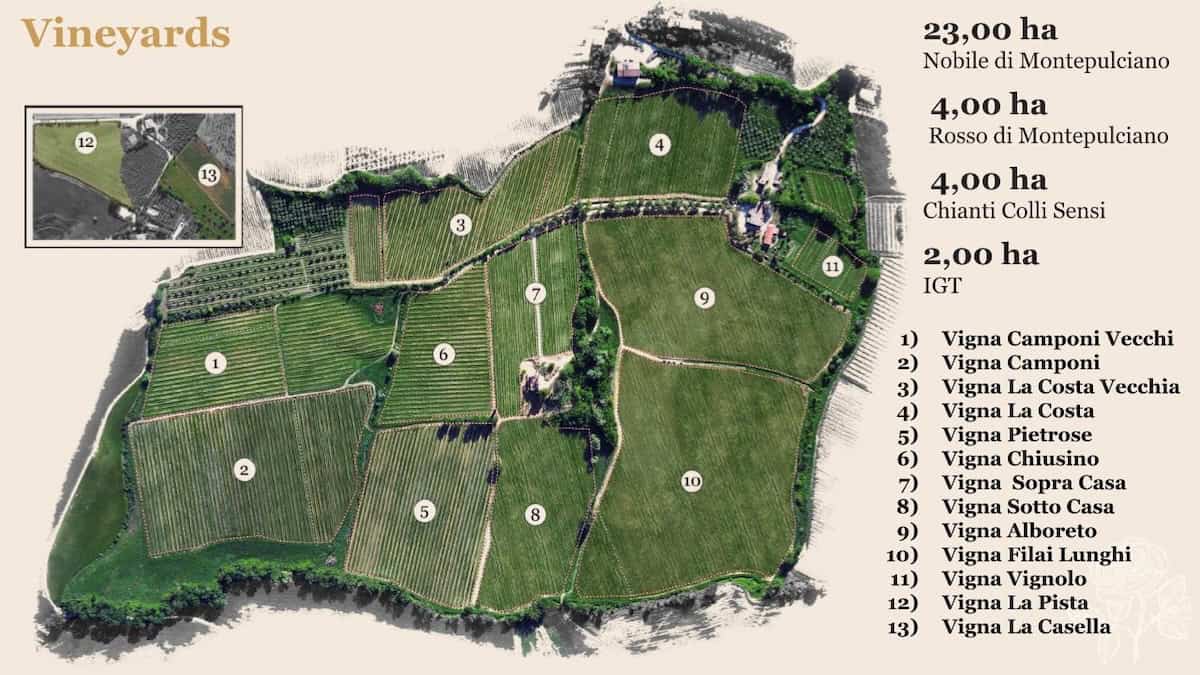
He explained that the winery has 13 vineyards, each with a specific name, different soils, different microclimates and distinct personalities that express their terroir. All the grapes are hand-harvested. “If we use machines, the wines will be anonymous,” he said.
As part of an ambitious project begun in 2020, the winery sought to rediscover historical grape varieties that represent the local soil and climate of the terroir and create a wine rivaling Brunello. The project involved working with locals to produce high-quality wines using traditional cultivation techniques and modern oenological practices to promote environmental sustainability.
Poets once called the Nobile from this area “the king of all wines.” Pepi introduced three DOCG Talosa wines. Vino Nobile di Montepulciano Alboretto, Vino Nobile di Montepulciano Riserva, and Vino Nobile di Montepulciano Filai Lunghi have raised the varietal’s prominence.
Experience The History & Culture of Talosa
When in Tuscany, a stop in less-crowded Montepulciano is worthwhile for a variety of reasons—including the town’s rich history, enological and food heritage, and scenic beauty. The town isn’t far from the cultural hubs of larger cities like Siena, Arezzo and Florence. In addition, travelers will want to spend time in the smaller, charming nearby villages of Pienza and Montalcino.
Visiting Montepulciano is like stepping back in time to discover its Renaissance palaces and churches and to stroll through streets lined with traditional shops and artisan workshops. Food enthusiasts will enjoy the region’s famous Chianina beef, pici pasta and pecorino cheese at local osterias and trattorias.
Increasingly, Italian wineries are recognizing the importance of wine tourism to their economic success. It enables them to introduce their wines to new audiences and make direct on-site sales. Thus, Talosa and other Tuscan wineries are especially welcoming to both domestic and foreign visitors, as wine consumption has been taking a hit.
Talosa Winery offers a variety of wine-centric experiences, including guided tastings, wine tours and visits to its historic cellar. The winery also arranges cooking courses, truffle hunting and e-bike rentals so tourists can explore the area. (Whenever possible, winery reservations should be made in advance.)
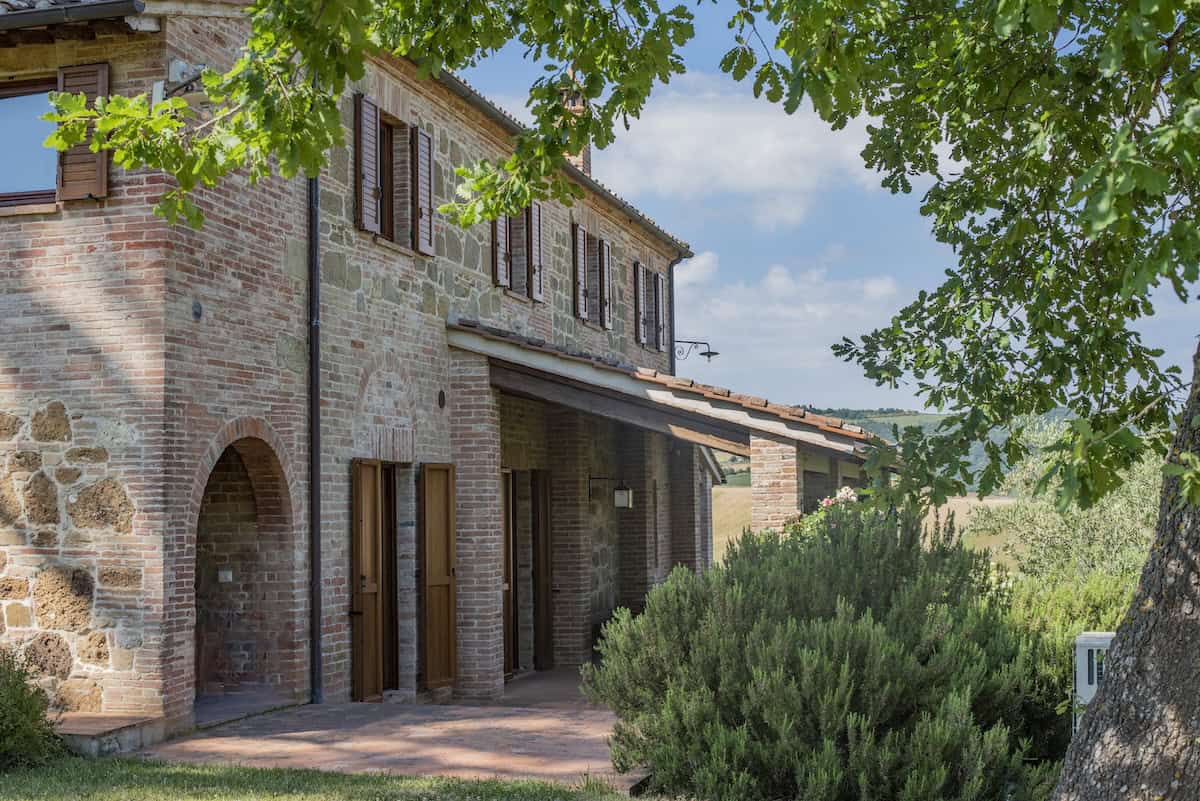
For an uber-relaxing vacation in the heart of the Montepulciano wine region, guests can arrange stays at Villa Talosa, a restored Tuscan residence surrounded by peaceful vineyards that can accommodate up to 10 guests. The villa features modern amenities, including a swimming pool, Wi-Fi, a TV, and its own wine bar.
IF YOU GO
For additional information about visiting Talosa: call: +39 0578757929 or email: [email protected]
Save to Pinterest!!