Star Flyer: Sailing On A Luxury Clipper Ship From Venice to Athens
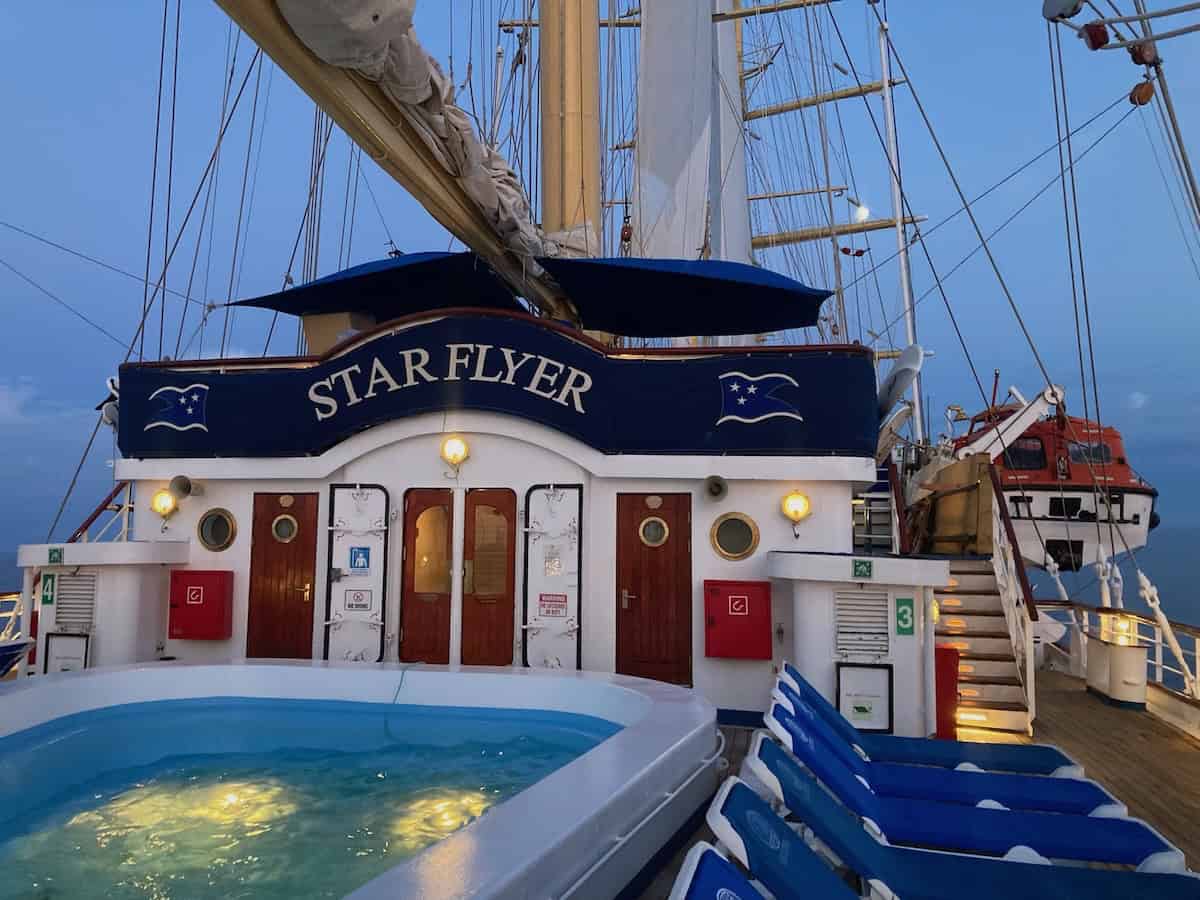
Contributor Ali Webb describes her bespoke sailing experience on Star Flyer, a true clipper ship with only 166 passengers. Star Clippers operates a fleet of three sailing cruise ships.
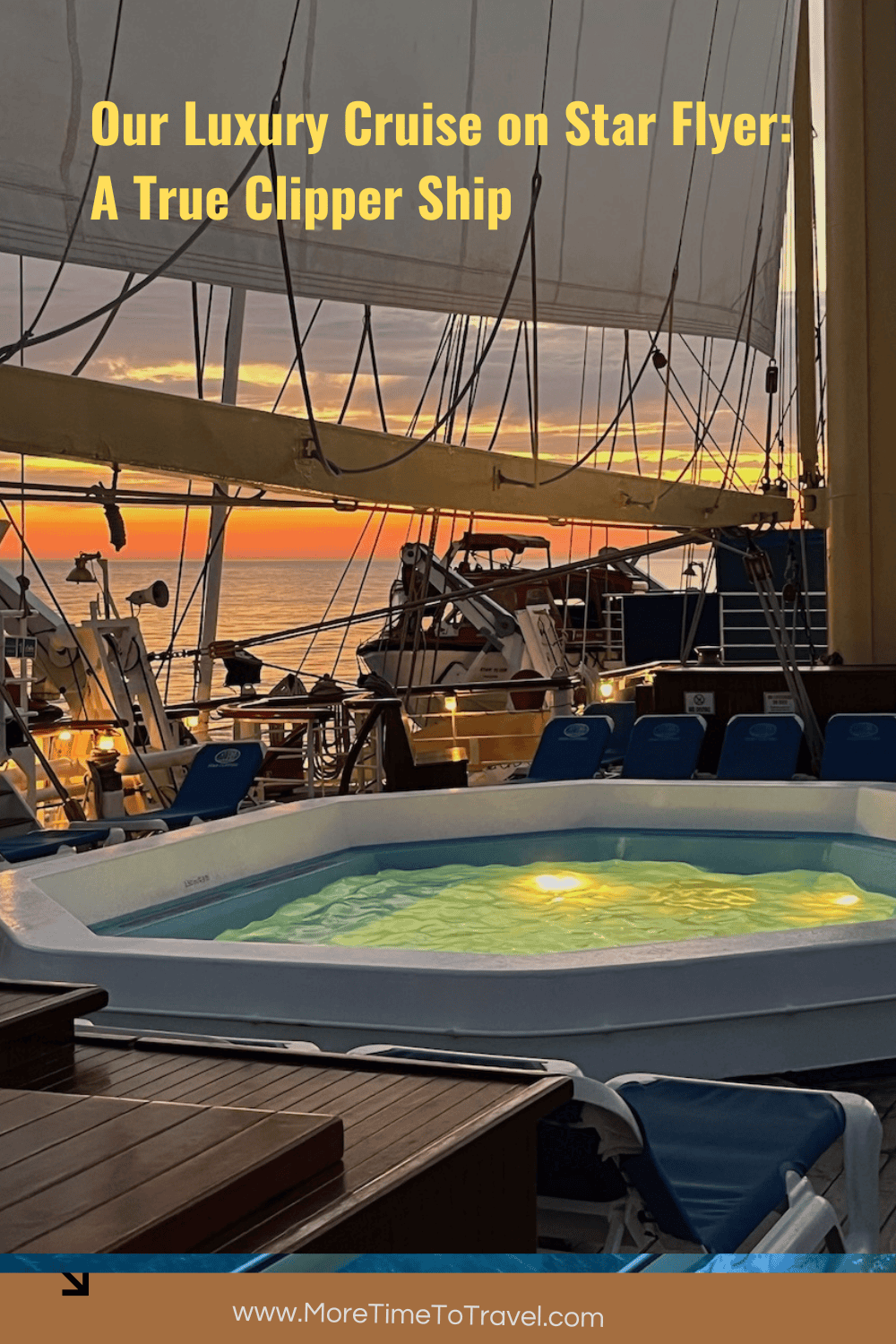
Our embarkation on Star Flyer proceeded under warm Venetian light, the lagoon shimmering beneath a pale sky. At 379 feet in length, this modern clipper ship rested gracefully at berth, her four masts towering above neighboring vessels, rigging etched sharply against the skyline.
Guests stepped onto the polished teak decks, pausing to take in the scent of salt and varnished wood, craning their necks to take in all the masts.
Embarking on Our Star Flyer Clipper Adventure
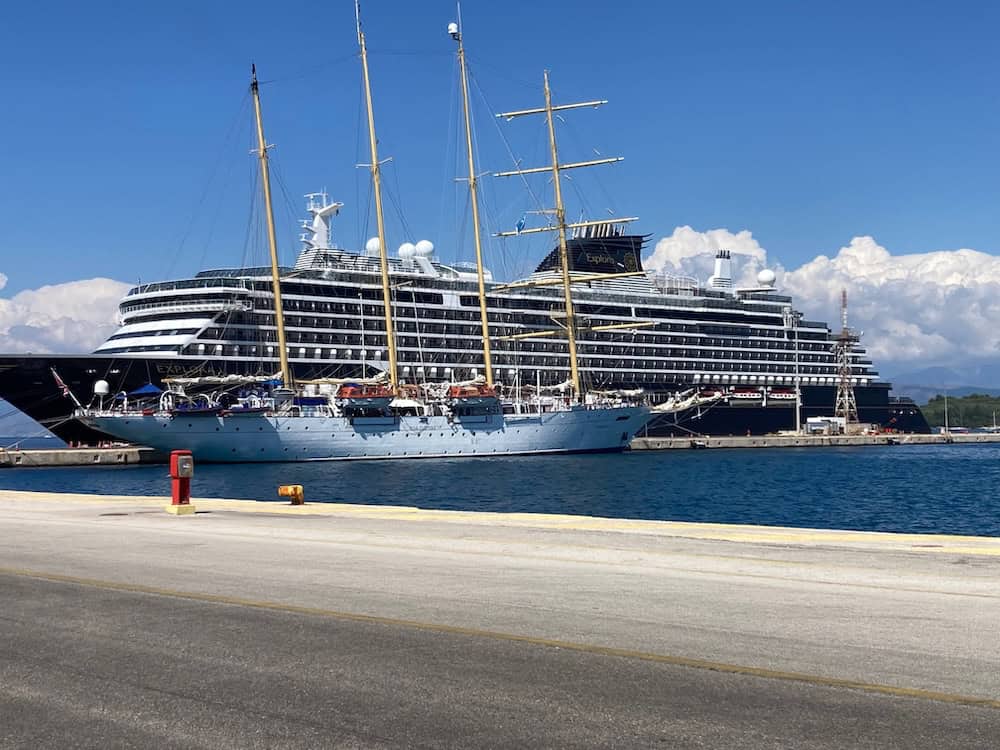
Following the mandatory lifeboat safety drill, lines were cast off with practiced efficiency for an 11-day adventure. As the tall ship eased into open water, sails were unfurled one by one.
This was the first of the daily sailaways, when Captain Ante Basica ordered the sails raised, and Vangelis provided the dramatic soundtrack. The sound of canvas filling replaced the hum of engines.
Venice receded slowly, domes and bell towers dissolving into evening haze as the Adriatic opened ahead. In departing the once great Republic of Venice under sail, the ship would be following the historic sea lanes that once bound Italy to Croatia, Montenegro, and Greece.
Onboard passengers explored the open-air Tropical Bar located at the center of the ship. Inside the elegant Piano Bar, guests ordered the drink of the day, aptly named the Bon Voyage.
Ports of Call on Our Star Flyer Western Mediterranean Itinerary
Cres, Croatia
We traveled some 109 nautical miles overnight to arrive on the island of Cres, rising from clear blue water, its stone houses clustered along a quiet harbor. Anchor dropped in depths so transparent the hull’s shadow rippled along the seabed. Cres’ narrow lanes and stone façades bear quiet marks of Venetian governance, the island long folded into the republic’s Adriatic domain.
We were taken over to a local beach where they could swim, sail and paddleboard in warm, mineral-rich water before exploring the center of town, the Frane Petrić Square, with its Clock Tower and a 16th-century town loggia. Cres offered no spectacle—only authenticity and calm, and a good assortment of tourists.
Hvar, Croatia
Before the ship reached the island of Hvar, guests could climb up the rigging to the Crow’s Nest, discovering the vast horizon from a sailor’s vantage.
Arrival in Hvar introduced a brighter rhythm. Lavender drifted faintly onshore breezes, grown on one of the sunniest spots in Europe. Sleek yachts lined the harbor, yet Star Flyer’s tall masts commanded attention.
The main square, cathedral, and fortress rising above the town reflect centuries of Venetian administration. Here, architecture speaks Italianate fluency layered atop Dalmatian stone.
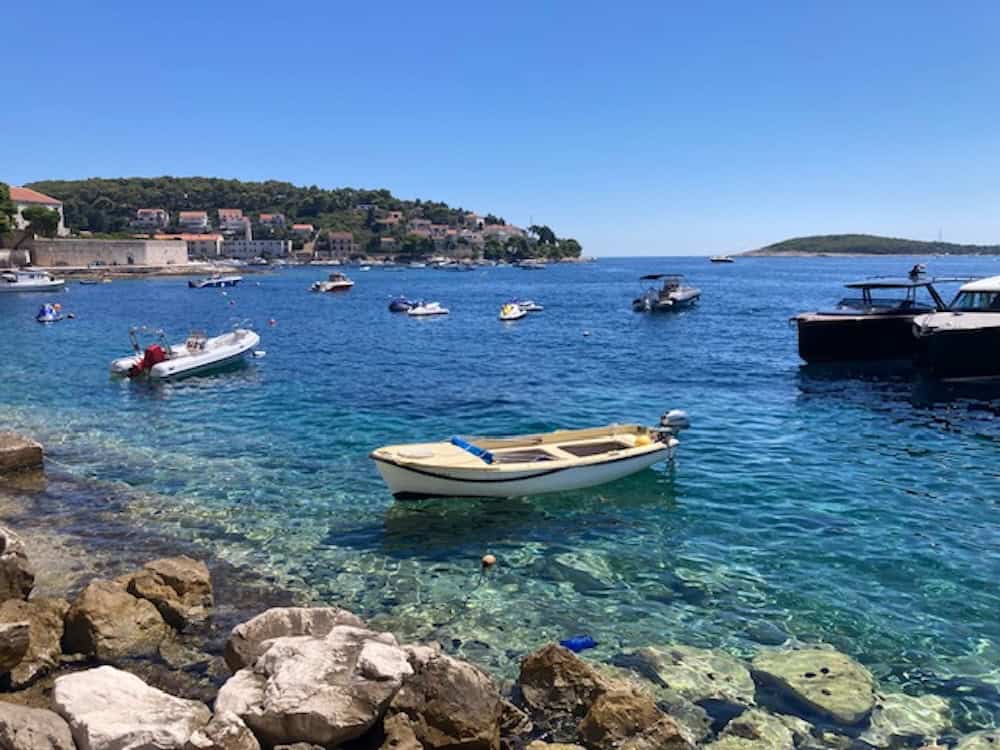
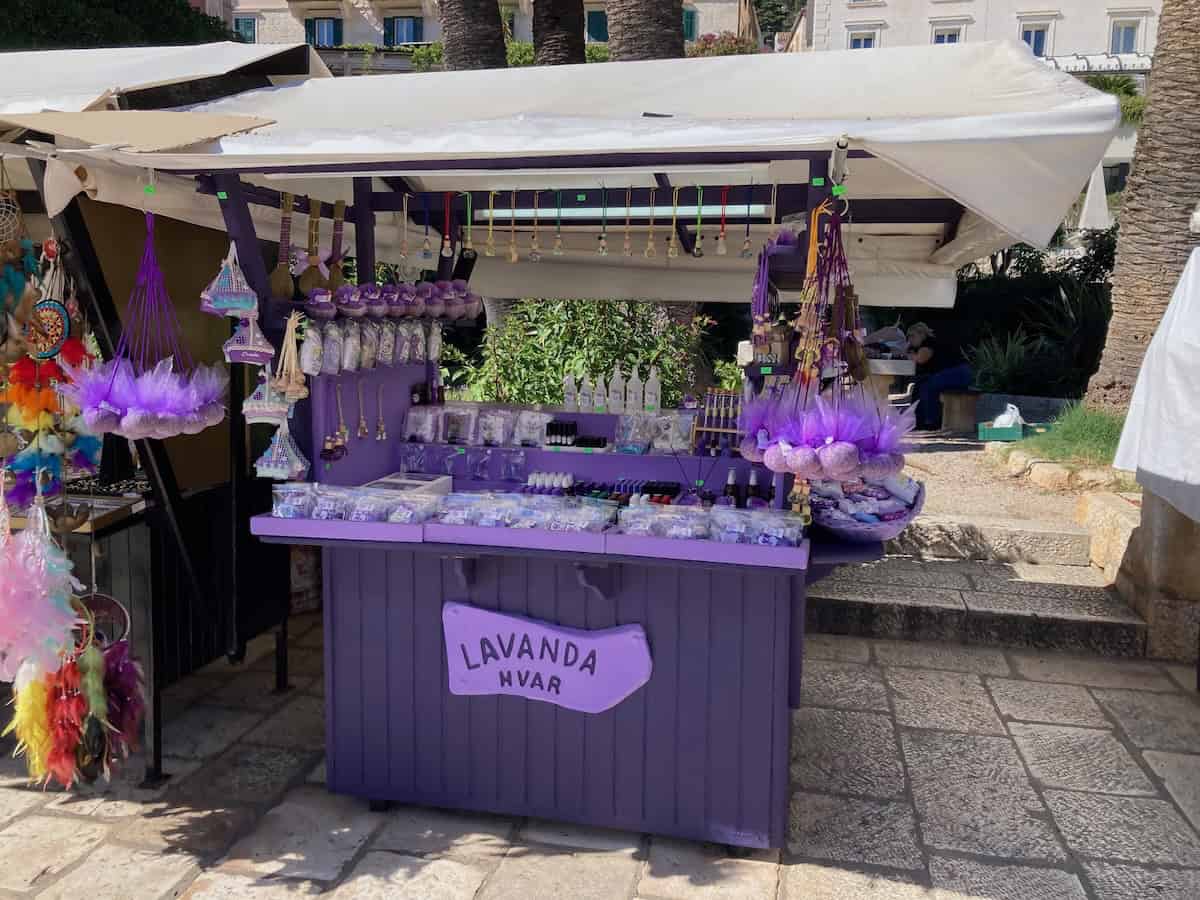
On shore excursions, we climbed toward the hilltop fortress for panoramic views of terracotta rooftops and scattered islands. Other guests lingered in shaded squares over espresso and local wine, taking the opportunity to buy lavender grown on the island. That evening, the ship set sail at 8 pm, leaving Lavender Island behind.
Dubrovnik, Croatia
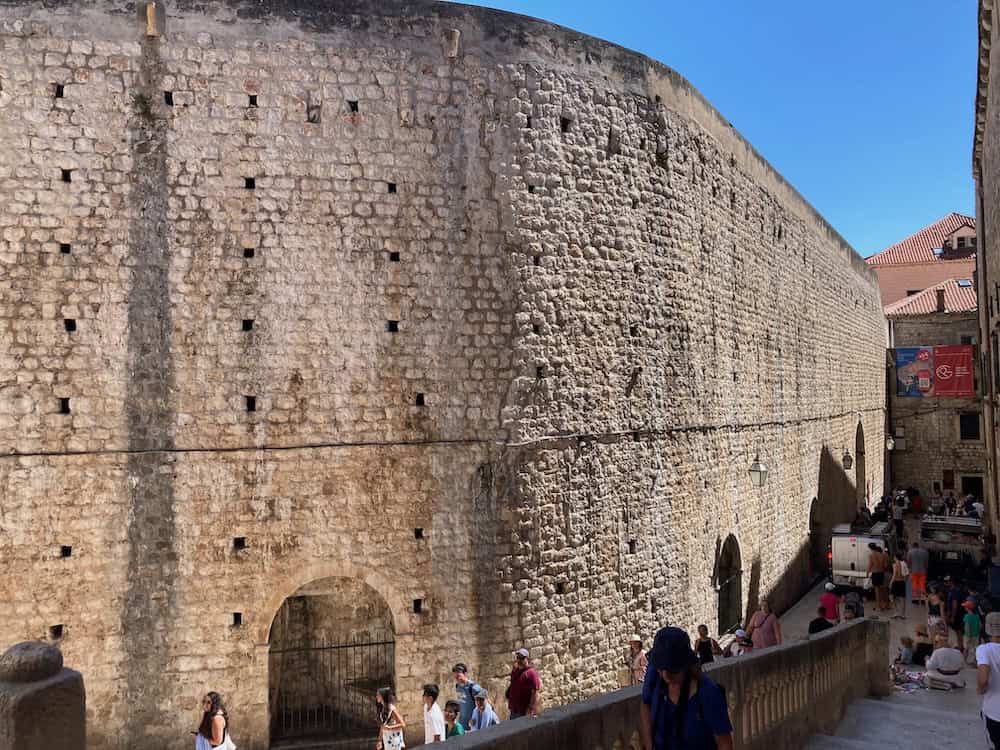
Dubrovnik appeared formidable from the sea, its massive stone walls rising directly from the Adriatic since the 10th century. The ship anchored offshore, white hull contrasting against centuries-old fortifications.
The city’s walls asserted independence in waters long contested with Venice. Once a rival and trading partner, the city balanced diplomacy and defiance against Venetian ambition.
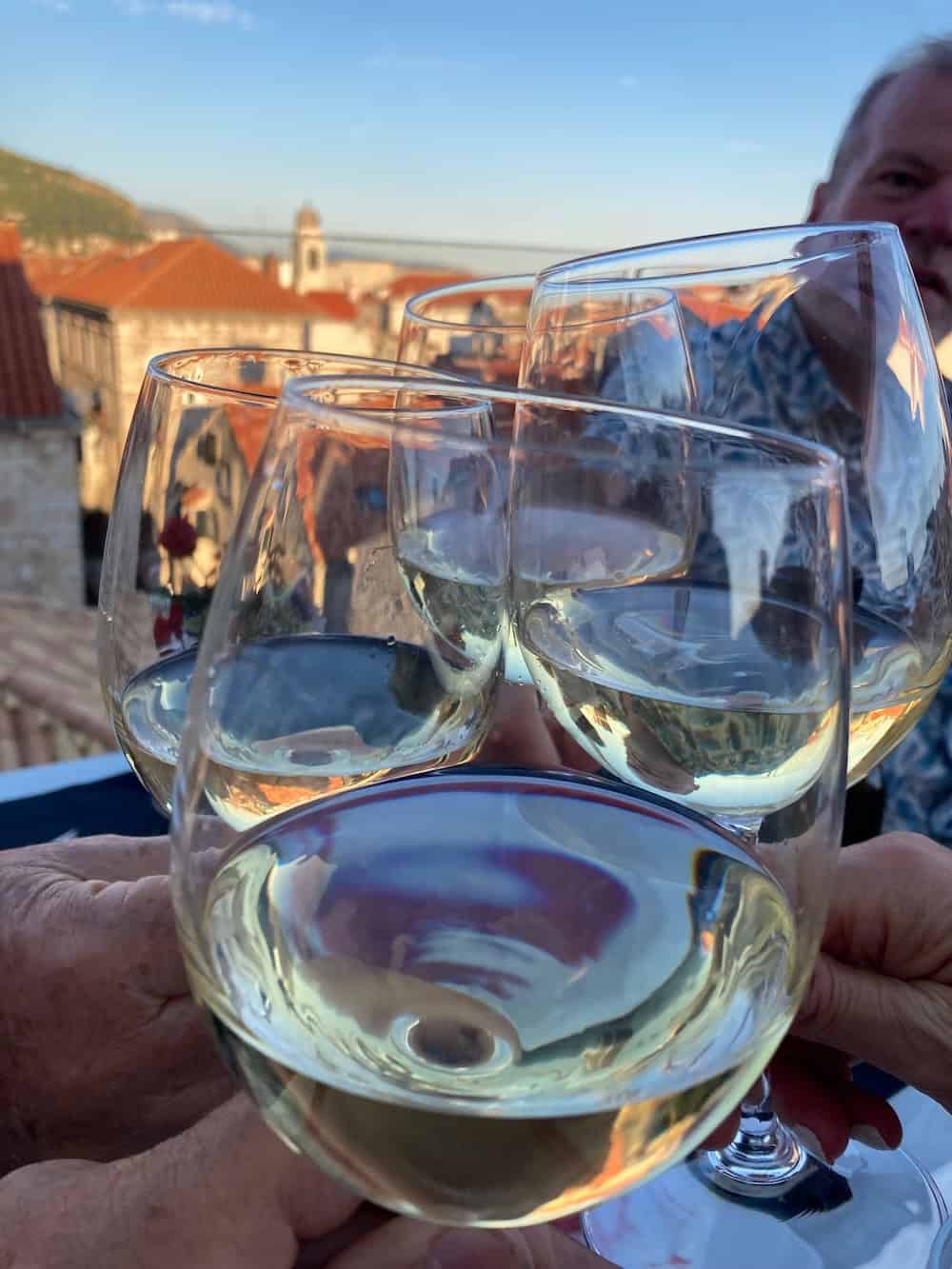
The city is known for its remarkably preserved medieval architecture. The Old City walking tour over cobbled streets and through charming squares reflected the city’s rich cultural heritage. This was one evening that guests could stay in port for dinner with an 11 pm tender back to the ship.
Kotor, Montenegro
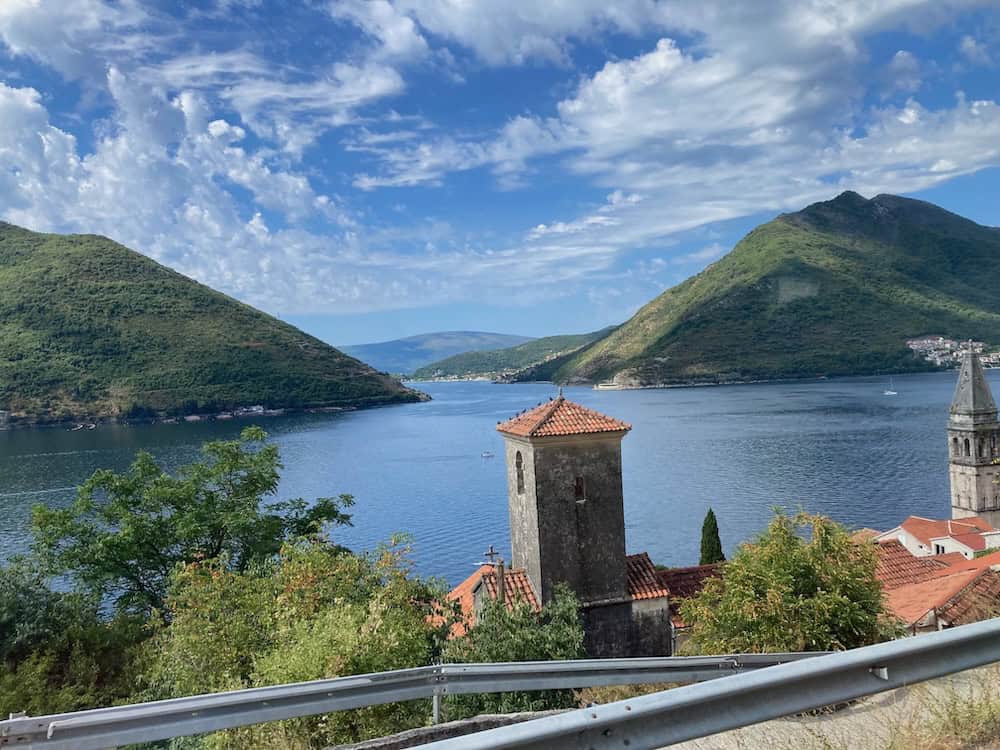
The early morning navigation into the Bay of Kotor unfolded like a slow ceremony. With its Fjord-shaped bay, closed in on either side, the boat motored to the port of Kotor. Docked near the medieval town, guests wandered labyrinthine streets and climbed steep fortress paths for commanding views of the ship and the bay.
For centuries, this bay served as a Venetian stronghold, guarding the southern approaches to the Adriatic. Fortified walls, climbing steep hillsides, remain a testament to its strategic importance.
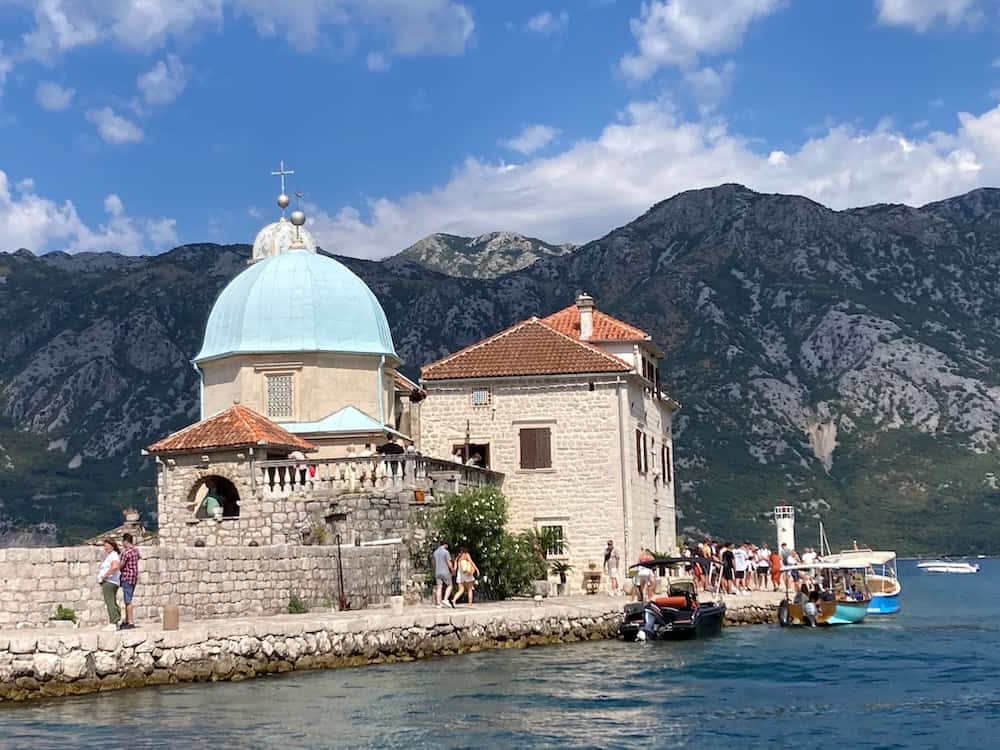
The excursion to Kotor included a stop in Perast and a visit to a tiny island in the middle of the Bay. According to legend, fishermen saw Mary in the reef and began a ritual of dropping a stone on the spot every time they sailed by. Eventually, the island we see today was formed, and upon it was built the “Our Lady of the Rocks” Church, with an adjacent museum.
Sea Day on The Adriatic
With land out of sight, the ship came fully alive under sail. Crew members ascended the rigging, trimming canvas to capture steady wind.
Guests sprawled in lounge chairs at the bow to watch waves break against the hull, beverages in hand. The day unfolded in a gentle rhythm—books open, conversations unhurried, horizon endless. Others relaxed in the bowsprit nets, suspended above the ocean waves.
A behind-the-scenes tour took passengers into some of the ship’s working areas. A knot typing class was also offered. Guests were invited to dress in white for dinner, then join a light show and dance party on the deck.
Corfu, Greece
Corfu’s landscape appeared lush and green after days of stone coastline. Olive groves and cypress trees framed pastel buildings along the waterfront. Under Venetian rule for nearly four hundred years, the island still retains arcaded streets and pastel façades that reflect that legacy.
In the old town, a UNESCO World Heritage Site, arcades provided cool shade while narrow streets revealed artisan shops and quiet courtyards. The imposing Old Fortress towers above the town. The island’s blend of Venetian and Greek influences felt harmonious and welcoming.
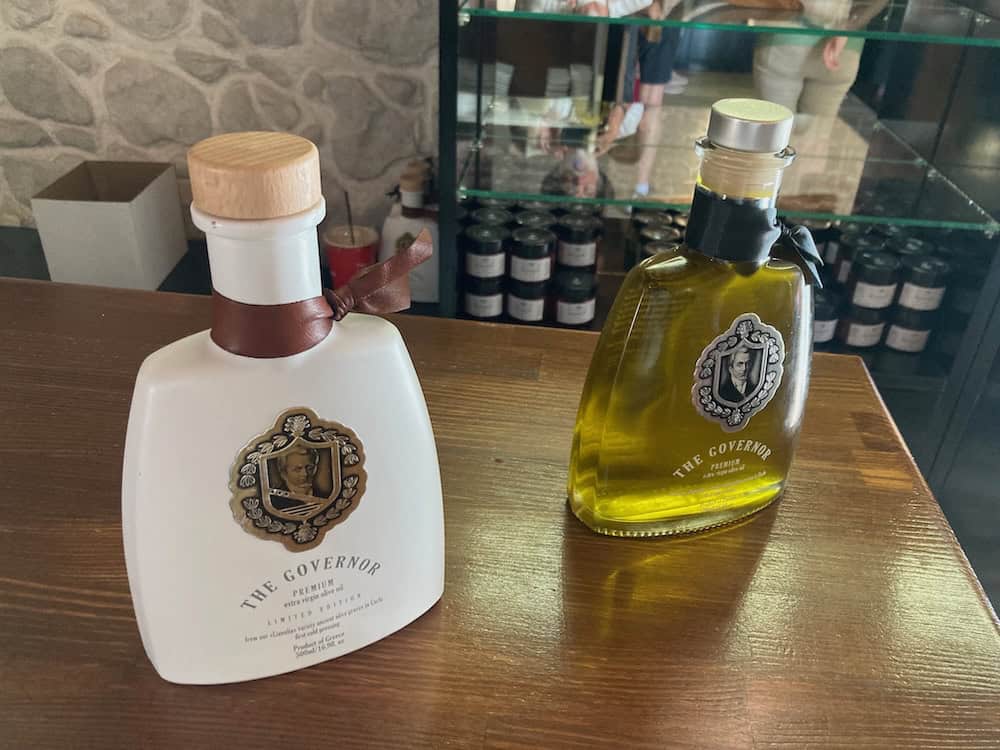
The excursion on this day took us to the heart of Corfu’s countryside, where ancient olive trees provide the world’s first olive oil with a health claim, crafted by the Dafnis family. Seated around a big table, guests tasted a variety of olive oils, learning about how they are hand-harvested from centuries-old Lianolia olive trees. The highest-end oil, The Governor EVOO is produced using cold-pressed methods to preserve high polyphenol levels for health.
Katakolon, Greece
This charming coastal city boasts only 600 residents. But Katakolon’s modest harbor served as a gateway to ancient Olympia.
Guests traveled inland to walk among towering columns and weathered foundations where the Olympic Games were born. The afternoon was warm, as guides recounted stories of athletes and gods. This is where, every four years, the Olympic Flame starts its journey.
One can imagine the competitions staged in the stadium where athletes entered under a vaulted corridor and spectators sat on the sloped fields. The first major games played on the field are said to have begun in the 720s.
Sea Day on The Ionian
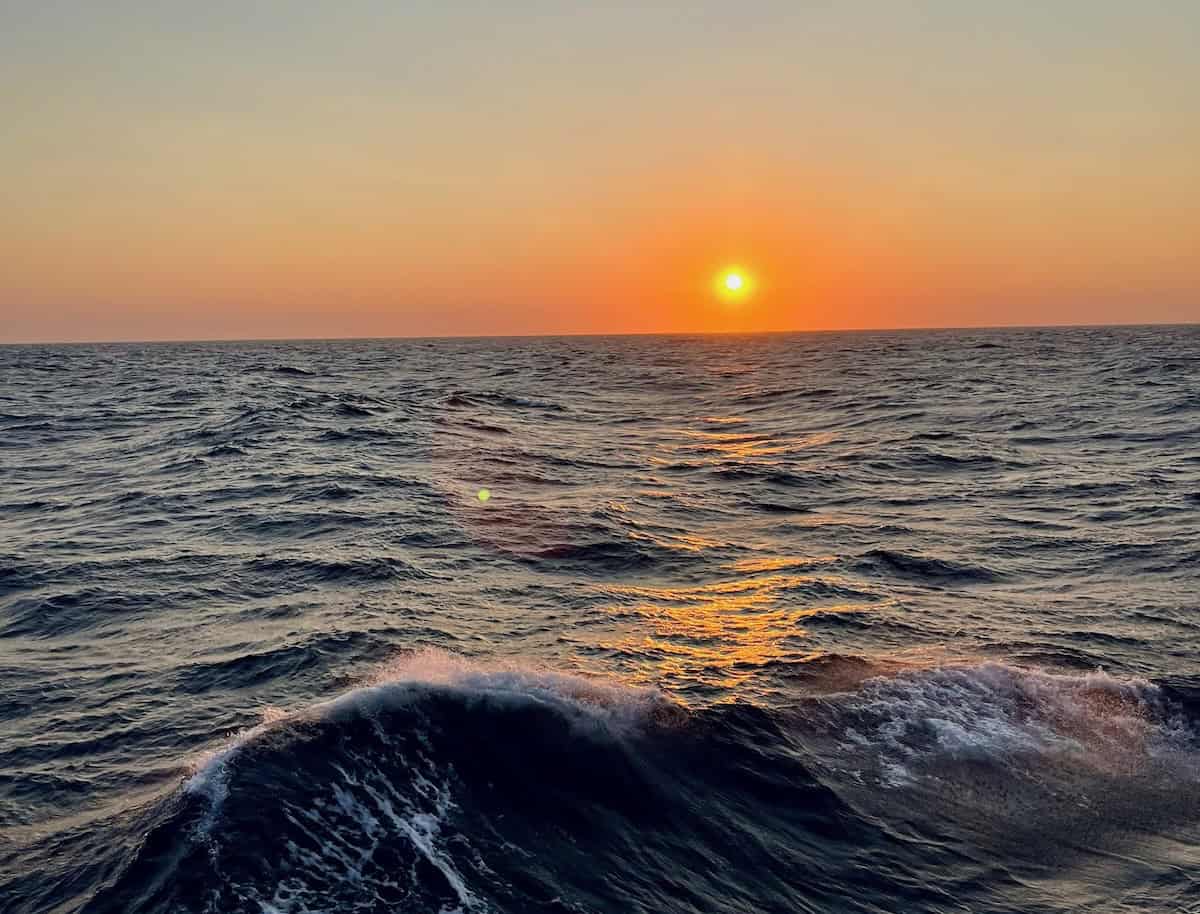
The second extended sail day deepened the voyage’s cadence. Mornings began with coffee as the crew adjusted lines overhead. A tour of the engine room was on the schedule, along with singing sea shanties and a lesson in sea chart reading. The top deck beckoned to loungers or swimmers in the small pool.
Afternoons stretched lazily, the ship cutting steadily through cobalt water. By night, stars appeared undimmed. The more formal Captain’s Dinner allowed guests to dress up and celebrate with an even fancier dinner service.
Santorini, Greece
Santorini rose dramatically from the deep blue sea, cliffs carved by volcanic force. Though distant from Venice, the island formed part of the commercial web linking wine, olive oil, and textiles across the Mediterranean.
Whitewashed villages clung to the rim of the volcano-formed caldera, brilliant against the blue sky. Tenders carried guests ashore to the funicular for a ride up to panoramic terraces and winding streets.
As the most popular port for Greece cruises, Santorini was overflowing with tourists. Even so, seats for lunch on a terrace with an amazing view could be secured.
Milos, Greece
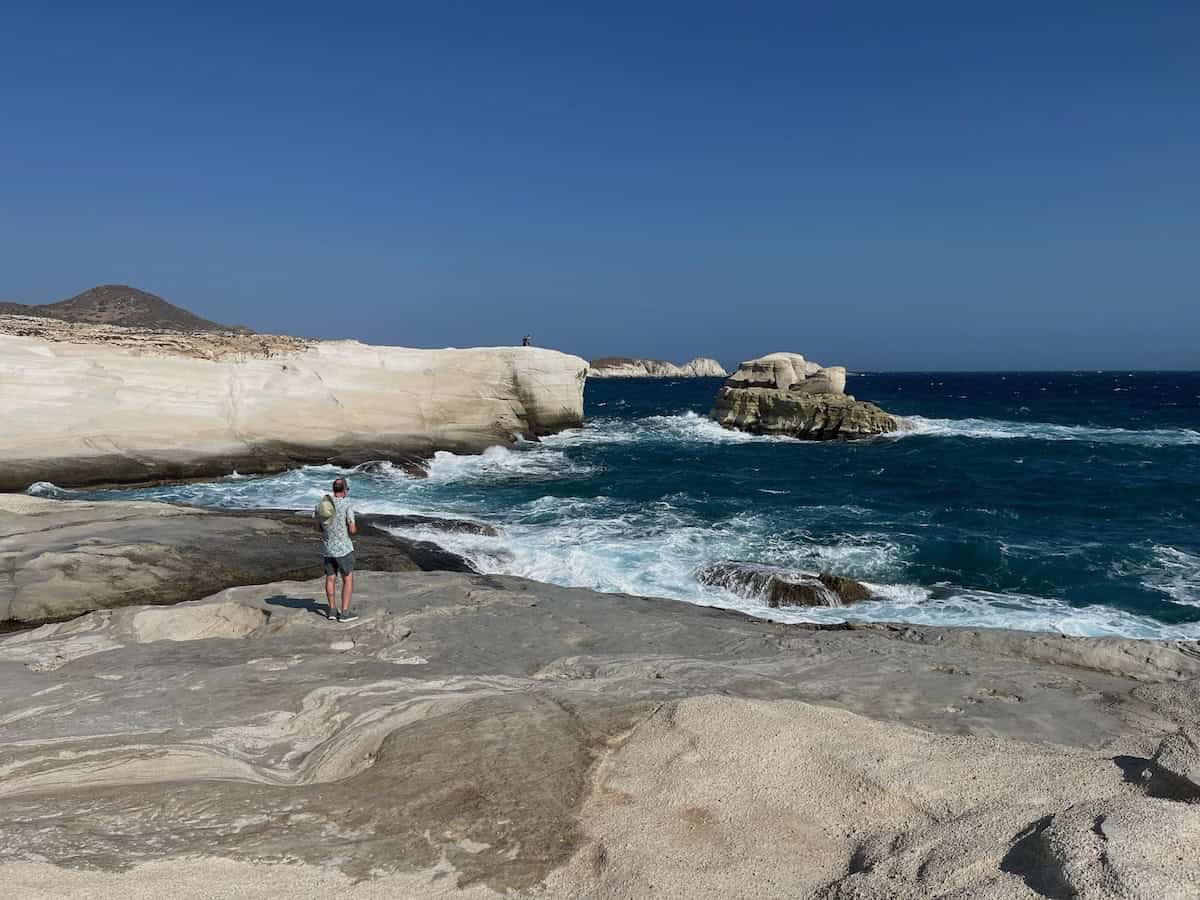
Due to rough weather and high winds, the usual stop on Mykonos was replaced by a visit to Milos. A short bus ride took guests to Sarakiniki Beach, with its lunar-like landscape. A quick stop in the village of Plaka offered a lovely stop for coffee and pastries. An unhurried stroll to the village’s main church featured stunning views of the coastline.
Disembarking at Piraeus
When the ship docked at Piraeus harbor, the sails were furled carefully and the lines were secured. Luggage was left outside the cabin doors and disembarkation started at 8 am. Guests lingered along the rail, hands resting on smooth wood, reluctant to relinquish the measured pace of sailing. The voyage concluded not with spectacle, but with reflection—wind, water, and time having shaped the journey in lasting ways.
This voyage reaffirmed the Star Clipper philosophy: Travel governed by the wind rather than by a schedule. The greatest transformation occurred not in geography, but in tempo—guests learning once more to move at the pace of sea and sky.
Life Onboard Star Clipper’s Star Flyer: What To Know
The Star Flyer’s dining room is down one level, with bar rails between the banquettes and tables lining the center buffet.
The staterooms are tidy and compact, with just enough room to move around the queen-size bed.
The head offers a shower, toilet and sink, and room for one person at a time.
Mealtimes are scheduled at regular times: Breakfast Buffet from 7-9:30, Buffet Lunch from 12:30-2:30, with a dinner served from 7:30- 10 pm. Seating for all meals is by choice, with many opportunities to make new friends.
About Ali Webb:
Contributor Ali Webb, PhD is adjunct faculty at the University of Michigan and Columbia University. Her long career in strategic communications has offered her many opportunities for domestic and foreign travel. She wrote a bi-monthly Sunday travel column, The Indulgent Traveler, for a Gannett daily in Michigan and now contributes to other travel websites. She also writes on Substack.
Also on More Time To Travel:
Sailing on Sea Cloud: A Luxury Tall Ship Unlike Any Other
Save to Pinterest!!