New Policies on European Travel: 5 Things U.S. Citizens Need to Know
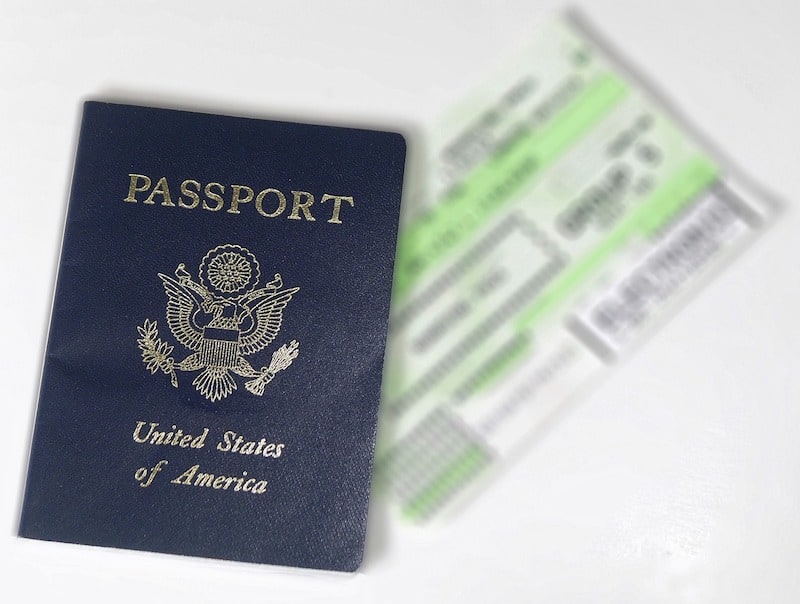
A number of recent media articles and Internet postings about new policies on European travel have been inaccurate and misleading. Here’s what Americans need to know about these changes:
1) Until the end of 2020, U.S. citizens traveling to the 26 countries in the Schengen Area in Europe, which function as a single jurisdiction for the purpose of international travel, only need a valid passport for short-term (less than 90-day) tourism or business. No visa or additional security clearance is required.
The Schengen Area currently includes Austria, Belgium, Czech Republic, Denmark, Estonia, Finland, France, Germany, Greece, Hungary, Iceland, Italy, Latvia, Liechtenstein, Lithuania, Luxembourg, Malta, Netherlands, Norway, Poland, Portugal, Slovakia, Slovenia, Spain, Sweden and Switzerland.
Issued by the European Commission, The Schegen Borders Agreement also allows U.S. citizens (as well as citizens from a number of other countries) to travel freely across borders between these countries.
2) As of January 1, 2021, policies will change: U.S. citizens (including children and infants) traveling to these European countries will require another layer of clearance: European Travel Information and Authorization System (ETIAS) approval.
This additional clearance is not a visa. It is easier to obtain and less expensive.
3) Application for the ETIAS clearance will take place electronically and cost 7 Euros. The fee will be waived for individuals under the ages of 18. The form should take less than 10 minutes to complete.
The start date for making application is currently uncertain. To apply, travelers will need to have a valid passport (that doesn’t expire until at least three months after the end of the journey); a credit card and an email address.
The application needs to be made at least four days before travel is initiated. An email approval (or denial) will come, via email, within 96 hours. Once approved, the clearance will be good for a period of three years after the date of issuance and allow for multiple entries during that period.
4) There are two stated purposes for the new clearance procedure: 1) To help reduce terrorism and improve security (the names of ETIAS applicants will be checked across a number of watchlists and databases), and 2) to generate additional income for the EU.
5) These new policies are not associated with a threatened so-called “visa war” and aren’t limited to Americans. Citizens of Australia, Canada, New Zealand and dozens of other countries will also be required to obtain ETIAS approval after November 2023.
About ETIAS on YouTube
FOR UPDATES AND ADDITIONAL INFORMATION, SEE:
- Information about the ETIAS approval process and application form from the European Commission
- State Department Information About Schengen Travel
- My article on Forbes about ETIAS
Save to Pinterest!




Thank you for clarifying this “visa war” atmosphere that has recently arisen. We were concerned that the upcoming changes would make European travel more difficult, and costly. Your article is well written and reassures us that the changes are simply another layer of security provisions.
Glad it helped to clarify. That was my goal!
Thanks for this common sense and detailed article Irene. It doesn’t sound too onerous although I do have to wonder what people without a credit card will do? I often see people trying to order food in flight with cash and that’s not an option nor debit card.
Thanks for such a clear, fact-based discussion of the coming European travel requirements. There has been so much hype about this that’s simply made the change a much bigger deal than it is.
People forget that enhances security for all at a minimal cost of time and money. I think the initial mistake of calling it a “visa” was what really ruffled feathers.
Good information. I hadn’t realized that the clearance would last for three years and multiple trips. Shouldn’t be much of an issue for most people.
Glad you found the information useful, Amy!
This system sounds very much like the ESTA Visa Waiver program already in place for Australians who wish to travel to the U.S or Canada. It is no great hassle as long as you know about it and apply in sufficient time. If you don’t have a visa waiver you don’t even get to board your flight.
Yes, it’s exactly like ESTA. Border agents, cruise operators and airlines will check on ETIAS approval depending on how you enter a country in the Schengen area.
I suppose they can call it whatever they like. I call it a money grab above all else. And it does mean you’ll have to allow some time beforehand to get it even if it is only a few days.
It seems to me that it’s a small price to pay, both in terms of time and money, for enhanced security.
Hate to sound cynical but after our experiences with visas and other government permits to travel on this side of the pond, I don’t think I would wait until 96 hours before travel to make an application unless it was an absolute emergency. We’ve found any number of things can go wrong (included work stoppages among the workers in charge of approving such things) so I would err on the side of caution and apply as soon as I knew when and where I planned to go. Good information Irene – thanks for this post.
Hope it was useful. We are “belt and suspenders” people, too!
Thanks for this, Irene. No need for visa hysteria when you have clear guidelines and instructions such as these!
Change is always anxiety-provoking, don’t you think?
Thx for the info, Irene. It’s amazing how transportation regulations are constantly changing, and savvy travelers really do need to keep on top of the changes.
Changing and generally more restrictive:-)
Thanks Irene! This is the most thorough explanation I’ve seen of this policy to date.