Carnival Glory vs. MSC Grandiosa: A Tale of Two Repositioning Cruises
Transatlantic cruises, often referred to as “repositioning” cruises, represent one of the most remarkable values in the travel industry.
These unique voyages occur when cruise lines move their fleets between seasons—typically shifting from the Caribbean to Europe in the spring and returning in the fall. While the Atlantic crossing is the most common, these seasonal shifts take place globally. This includes transpacific routes that move ships between Asia and the United States, or vice versa, as fleets transition between regions like Alaska and Southeast Asia.
Because these ships must cross the ocean regardless of guest count, savvy travelers can snag extended itineraries on world-class lines for a fraction of the standard nightly rate, turning a simple transport mission into a luxurious, multi-week retreat.
Comparing Our Transatlantic Sailings on Carnival Glory and MSC Grandiosa

We took advantage of the incredible opportunity this spring to experience two completely different transatlantic cruises within just a month of one another. Both departed from Port Canaveral and concluded in Barcelona, yet they offered entirely different itineraries and vastly different onboard vibes. It offered us a fascinating side-by-side look at how different lines approach the journey across the pond.

Having completed numerous repositioning crossings across a wide variety of cruise lines, we have found that each brand offers a distinct way to experience the high seas. The physical scale and onboard atmosphere of these journeys vary significantly depending on the ship and the specific itinerary. These were some of the major differences between the two transatlantic sailings on Carnival Glory and MSC Grandiosa:
Passenger Mix
Our voyage on Carnival Glory was a “Sailing Exclusively for Adults” (SEA) cruise, which meant there were no children on board. This particular sailing attracted a large number of casino players and featured a generous amount of “swag” for guests, including free lanyards, cell phone holders, magnets, and even water bottles featuring a map of our itinerary.
In contrast, MSC Grandiosa is a massive “mega-ship” at over 181,000 tons—nearly doubling Glory in size—and features a stunning Mediterranean-style indoor promenade with a giant LED sky screen. Grandiosa also boasts the signature Swarovski crystal staircases in the atrium, where thousands of genuine crystals are embedded into each step, adding a touch of classic European opulence to the modern design.
Unlike Carnival Glory’s adult-only run, MSC Grandiosa did have children on board. While the number of kids is smaller due to the length of a 14-night transatlantic sailing, their presence adds a wonderful energy to the ship. As grandparents to three ourselves, we love having children on board; they make you feel young, and we truly enjoy chatting with them to hear about their adventures. The overall vibe of a diverse mix of ages creates a vibrant, multi-generational atmosphere that enriches the cruising experience.
Culinary Programs
On these cruises and others, cuisine takes center stage. The culinary programs reflected the distinct heritages of each line.
On Carnival Glory, the legendary Guy’s Burger Joint remains a favorite for complimentary poolside dining. However, a true “hidden gem” was the Blue Iguana Cantina, especially for breakfast when the main buffet was crowded. It offered delicious breakfast burritos and bowls with multiple egg options, sausage, ham, and hash browns, all topped off at a full condiment bar with fresh lettuce, tomato, and salsas.
On MSC Grandiosa, the dining leans heavily into its Mediterranean roots, offering an international flair with some of the best pasta and pizza found at sea. Their buffet is a standout, featuring an authentic pasta station and a dedicated mozzarella station where fresh cheese is made right on board.
Even the scent of the ship changes as you walk through the Galleria, where the Jean-Philippe Maury Chocolat & Café perfumes the air with fresh cocoa. In this open kitchen, you can watch master chocolatiers hand-finish everything from delicate truffles to whimsical chocolate high-heeled shoes and ship models. This focus on traditional Italian techniques ensures that even on a long ocean crossing, the flavors of the Mediterranean are always present.
Entertainment Options

Entertainment styles further distinguished the two experiences, catering to different tastes and moods. Carnival is home to the Punchliner Comedy Club, a fan favorite that offers multiple sets nightly, ranging from family-friendly performances to “adult-only” R-rated shows.
The MSC Grandiosa elevates the theatrical experience with its Carousel Productions at Sea. These Cirque du Soleil-style shows, such as Strings and Sweet, are performed in the specialized Carousel Lounge and blend world-class acrobatics with live music. While these particular shows come with a modest cost (approximately $18), the ticket includes a signature cocktail and a front-row seat to an intimate, high-tech performance.
The Perks of Taking Repositioning Cruises
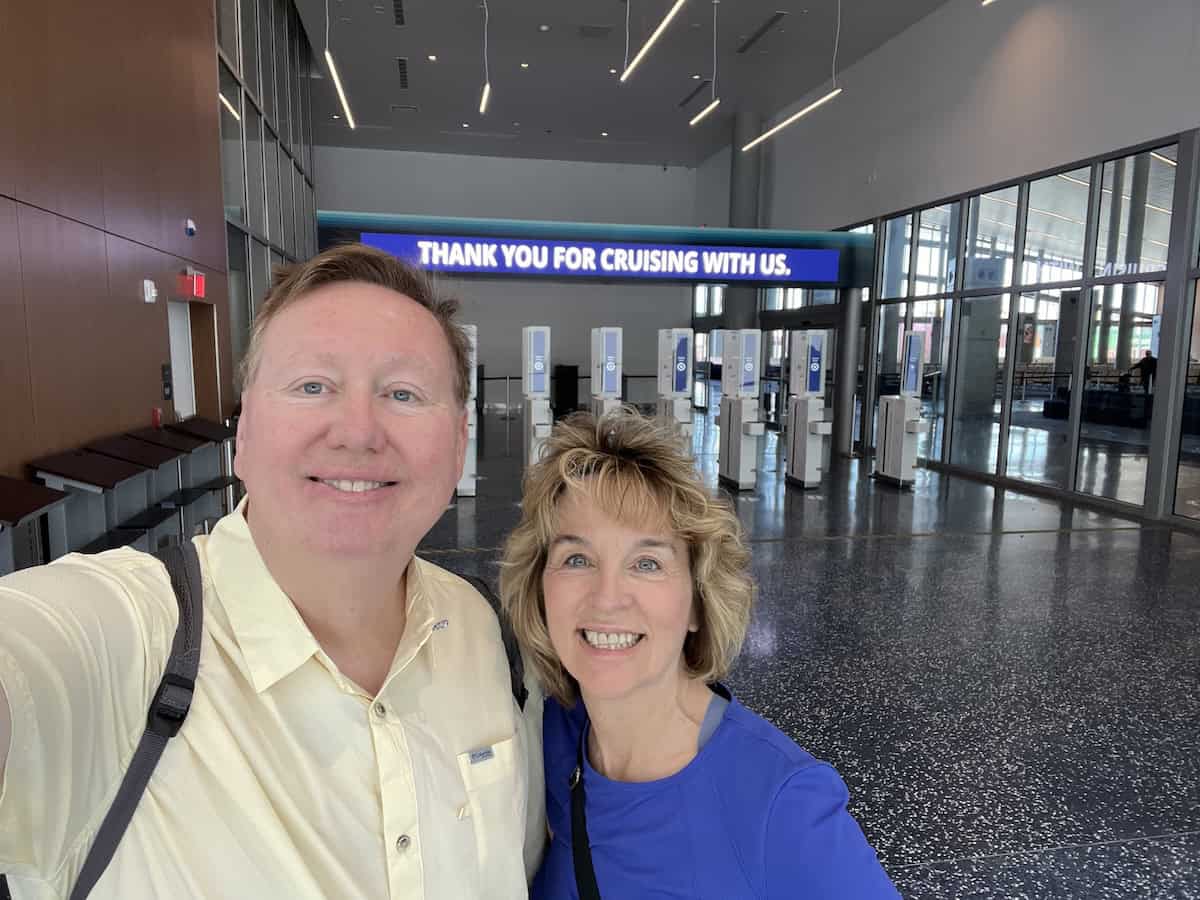
The benefits of these crossings extend far beyond food and entertainment. They offer exceptional value and a natural remedy for travel fatigue.
Cost Savings
Because these are repositioning missions, the nightly rate is often a fraction of a standard cruise, allowing for a “champagne lifestyle on a budget.”
To make the most of these crossings, smart travelers should look for loyalty benefits like the MSC Status Match program. This unique initiative allows you to match your existing loyalty status from other cruise lines, major hotel chains, and even some airlines to the MSC Voyagers Club. By matching your status before you sail, you can unlock premium perks such as priority boarding, a 5% booking discount, and even specialty dining or spa access on your very first MSC cruise.
No Jet Lag
Furthermore, unlike flying, where you “teleport” across time zones, a ship moves gradually; you typically gain or lose an hour every day or two, meaning you arrive at your destination with zero jet lag.
Fewer Logistical Hassles
A major logistical advantage is that you only have to unpack once; the “floating hotel” moves you thousands of miles across the globe while you relax, avoiding the stress of multiple flights or train transfers.
Another significant perk is the flight logistics and cost. Depending on which way you are cruising, you only have to worry about a long-distance international flight in one direction. If you sail from the U.S. to Europe, you can enjoy a slow, relaxing journey over and then simply fly home at the end, or vice versa, cutting your total time spent in a cramped airplane seat in half.
An Unparalleled Chance To Explore and Discover
We often use these transatlantic crossings as a convenient “hop” to reach various parts of the world for further exploration. After disembarking from Carnival Glory, for example, we hopped through Zurich and made our way over to Romania and Bulgaria.
Following our current cruise on MSC Grandiosa, we have an extensive itinerary planned that includes visiting Corfu and Athens in Greece before heading through Serbia, Moldova, Republika Srpska, and Bosnia and Herzegovina, with a deeper dive into Eastern Europe featuring several more stops along the way.
Using the crossing as a comfortable base before diving into more intensive overland travel allows us to arrive at these far-flung destinations refreshed and ready to explore.
Drawbacks Of Repositioning Cruises
- Travelers should also be aware of potential drawbacks, such as the possibility of “sea day fatigue” (repeated days at sea) for those who thrive on constant land exploration on cruises.
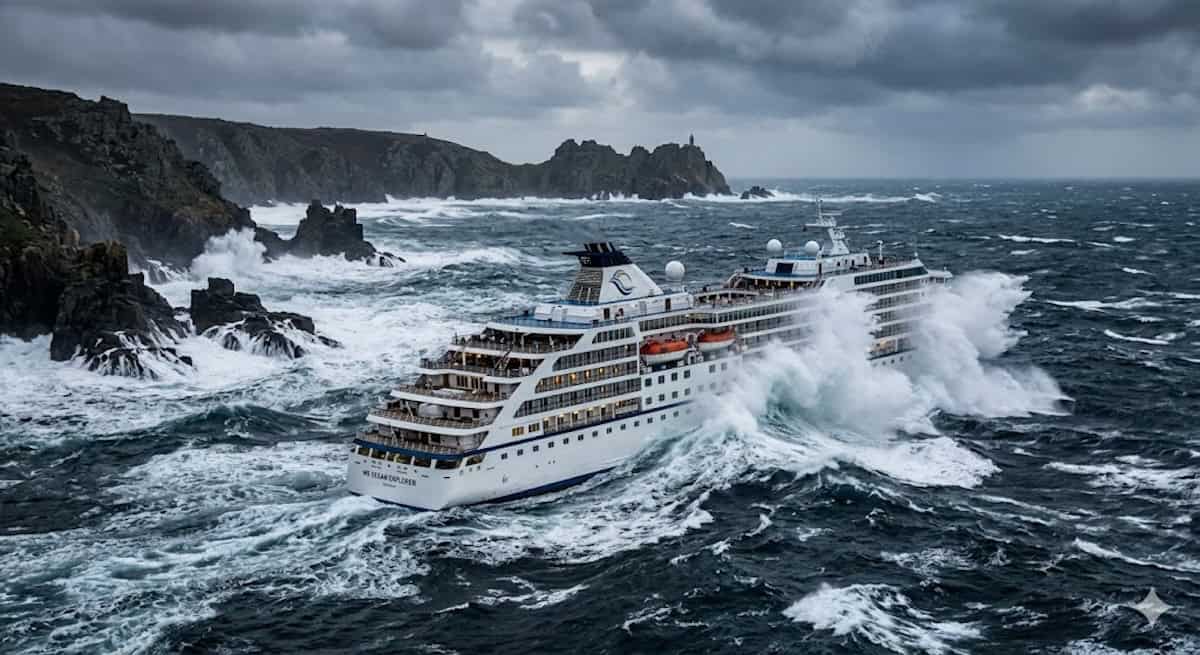
- Weather and waves in the Atlantic can also be unpredictable, and while mega-ships have advanced stabilizers, ocean motion is more pronounced than in the Caribbean.
- Additionally, travelers must still plan for the logistics and cost of that one-way international flight.
Whom Would Transatlantic Repositioning Cruises Appeal To?
Ultimately, these journeys are a perfect match for “serial cruisers” and retirees (like us) who have the luxury of time and aren’t in a rush.
They also appeal to budget-savvy explorers who value the unique community atmosphere that develops over 6 to 9 consecutive days at sea. By the time they reach the midpoint of the Atlantic, they’ll likely have a regular trivia team and a favorite group of fellow travelers.
Which Repositioning Cruise Was Our Favorite?
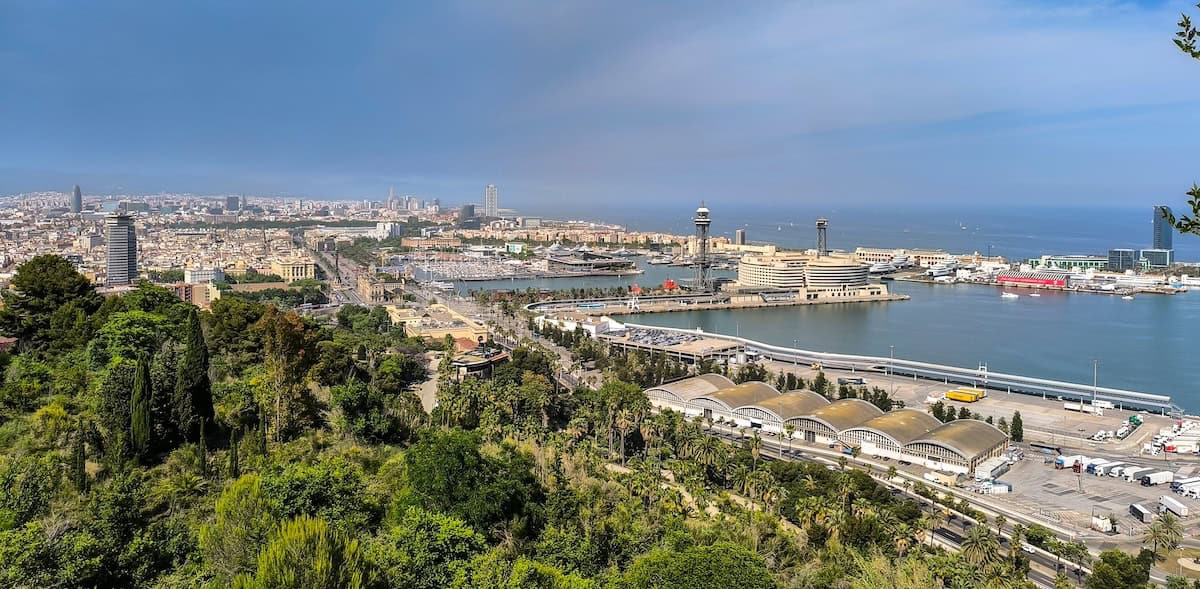
It’s hard to say. Whether you prefer the adult-oriented focus of a specialized run or the grand, international spectacle of a mega-ship, arriving in Barcelona by sea remains an unforgettable way to bridge the gap between continents.
Also on MoreTimeToTravel.com: Cheating Time: Crossing the Atlantic on Cunard Queen Mary 2
Save to Pinterest!!