Stax Museum of American Soul Music: A Memphis Musical Landmark

Contributor Jackie Sheckler Finch visits the Stax Museum of American Soul Music in Memphis and discovers that the landmark museum has played a meaningful role in revitalizing its community.
Jim Stewart was a part-time fiddle player and bank teller who wanted to make music. His sister, Estelle Axton, was a schoolteacher who wanted to run a record store.
Together, they formed Stax Records — the “St” for Stewart and the “ax” for Axton.

The sounds from their modest recording studio set the music world on its ear. Their unique blend of soul revolutionized music and made their Memphis facility a mecca for musicians of all colors, ages and walks of life.

Soulsville USA was emblazoned on the world-famous marquee of the neighborhood theater that was converted into Stax Records. The humble studio at College and McLemore Avenue lived up to its name as its star artists and dedicated musicians pumped out a cavalcade of hits that are the standards of American popular music.
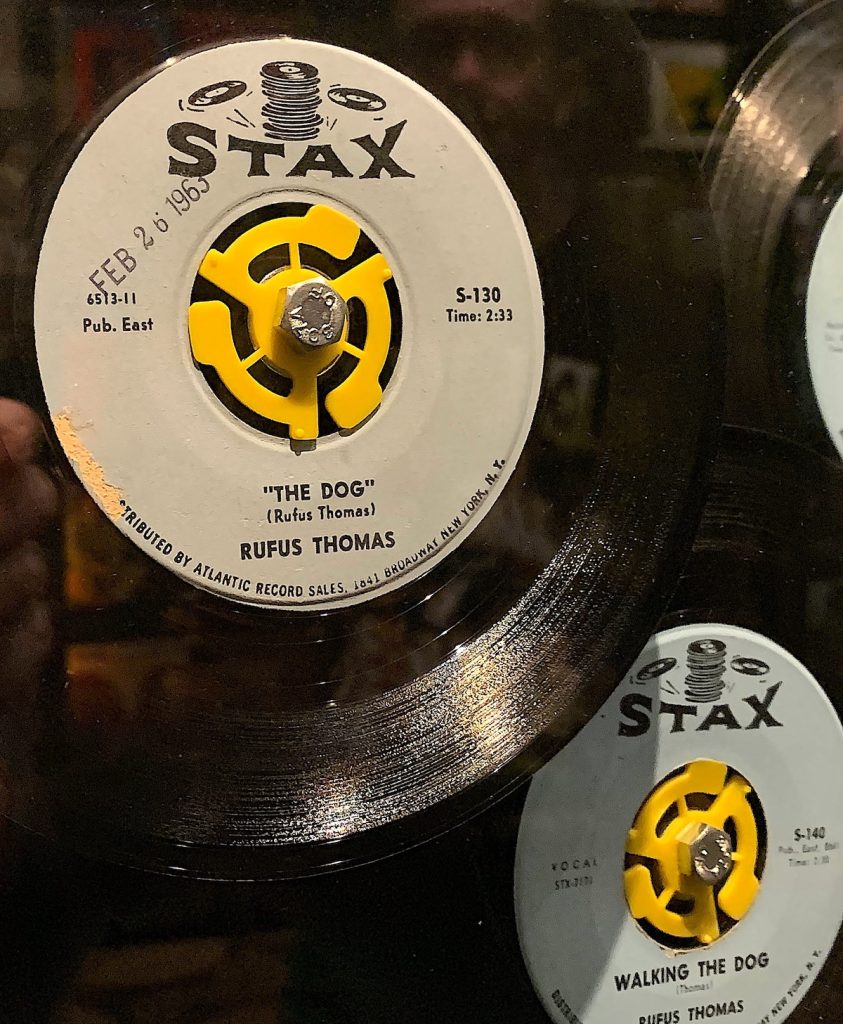
From 1960 to 1975, Stax placed more than 167 hit songs in the top 100 on the pop charts and an astounding 243 hits in the top 10 rhythm and blues charts. With a catalog of 800 singles and 300 full album recordings, Stax was home for American cultural icons like Otis Redding, Isaac Hayes, Sam & Dave, Carla Thomas, The Staple Singers, Booker T. & the MGs, Rufus Thomas, Johnnie Taylor, The Emotions, The Memphis Horns and more.
Memphis’ soul music rivaled Detroit’s more polished, pop-oriented Motown sounds. Memphis music was grittier, closer to where the blues began. It was down-home soul music, born out of blues.
When The Music Died
Then came two major death blows. In 1967, Otis Redding’s plane crashed into Lake Monona, Wisconsin, killing the singer and most of the Bar-Kays who were touring with him. Released posthumously, “Sittin’ on the Dock of the Bay” became a No. 1 hit and a large part of Otis Redding’s legacy.
In 1968, Memphis suffered its most wrenching moment — the assassination of Martin Luther King Jr. on April 4, 1968. MLK was shot down at the Lorraine Motel just a few blocks south of Stax Records. Riots ensued. The bottom fell out of Stax. And it seemed like Soulsville — and all of Memphis — would never be the same again.
By 1976, Stax had gone bankrupt. The famed studio was sold to a church and demolished in 1989. All that remained was an inconspicuous historical marker, courtesy of the state of Tennessee. Surrounded by weeds and litter, the marker was more like a tombstone — the only clue that this site had once been ground zero for soul music.
Soulsville USA was dead. Or so people thought. Rising from the ashes, Stax came back.
Stax lives again at the Stax Museum
Opened May 2, 2003, the Stax Museum of American Soul Music was rebuilt based on the studio’s original construction plans on its original site. The museum chronicles the life and times of former Stax artists, employees and people who were members of the Soulsville neighborhood during the Stax time.
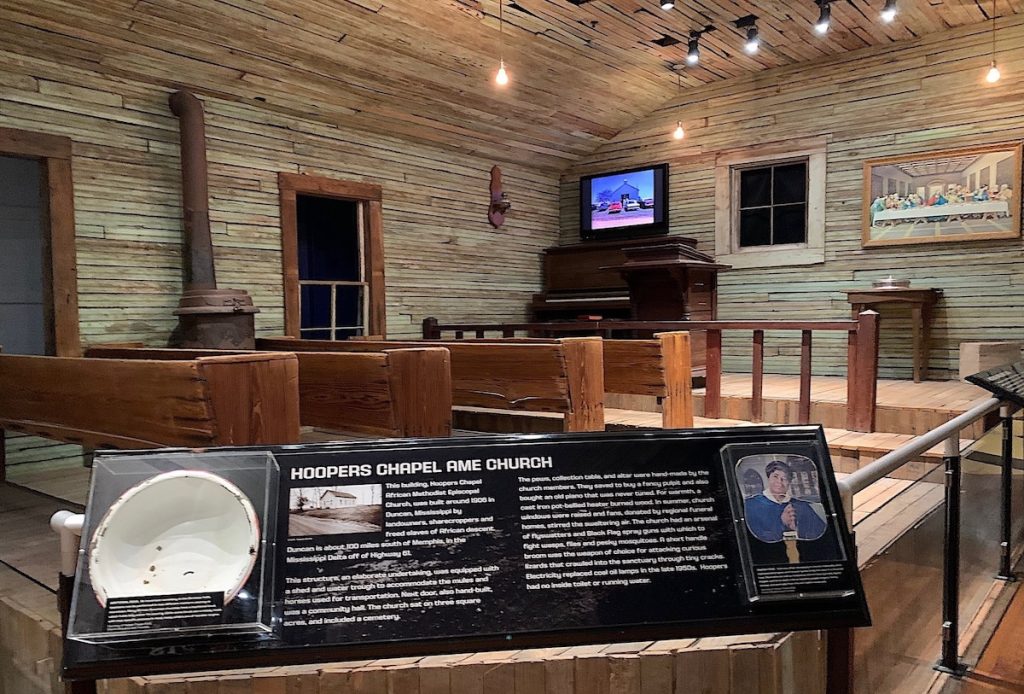
To symbolize the roots of soul music in the blues and gospel, the first exhibit visitors see is a one-room wooden church that has been transported from its original location in the Mississippi Delta, 100 miles south.
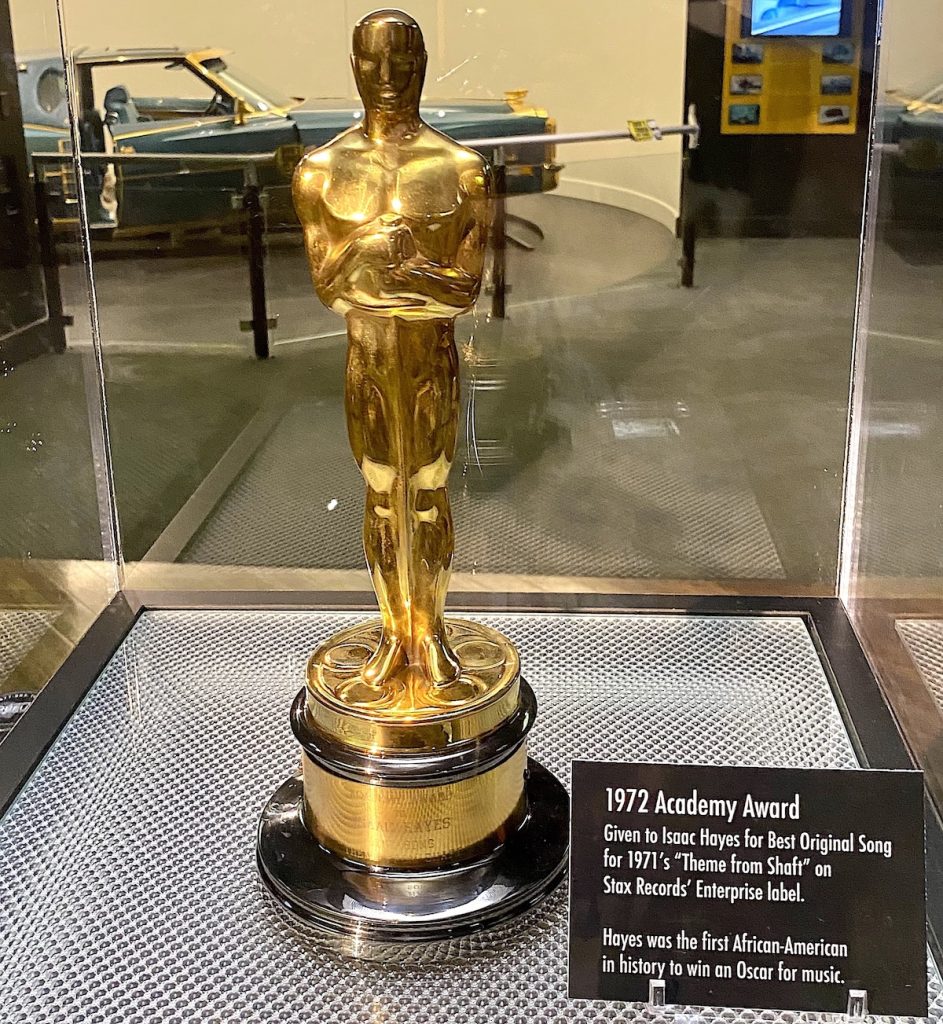
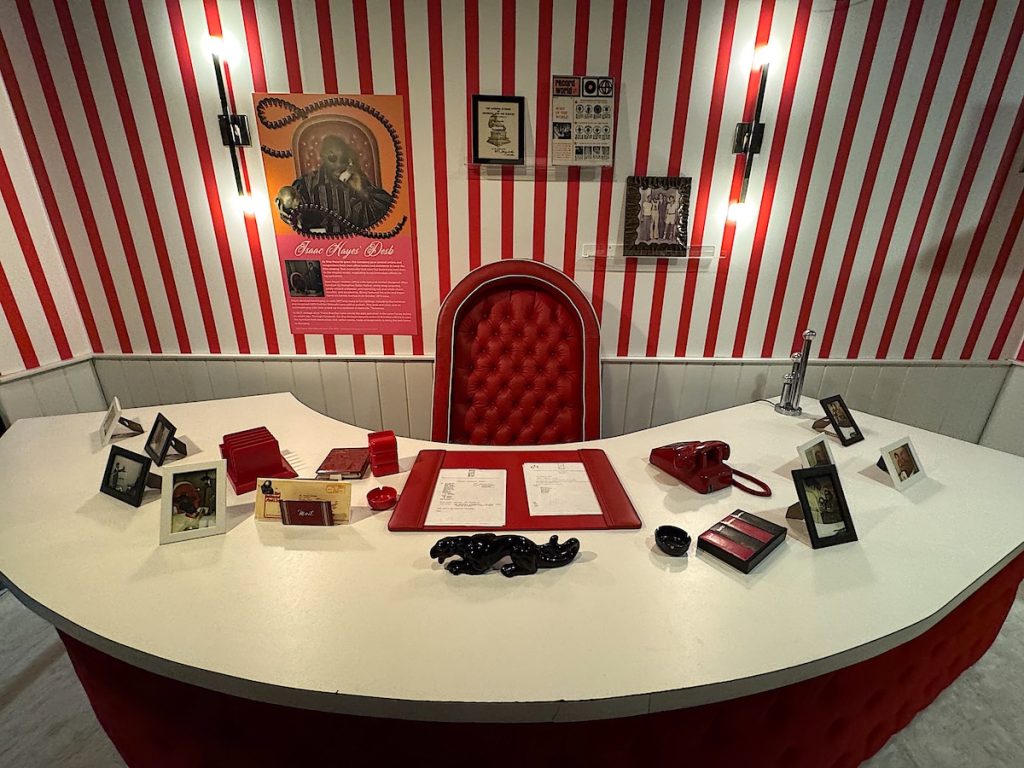
Visitors also see a 13-minute film about Stax, along with memorabilia about the label and the Stax artists who collected eight Grammy awards and an Oscar for Isaac Hayes’ “Shaft” movie soundtrack.
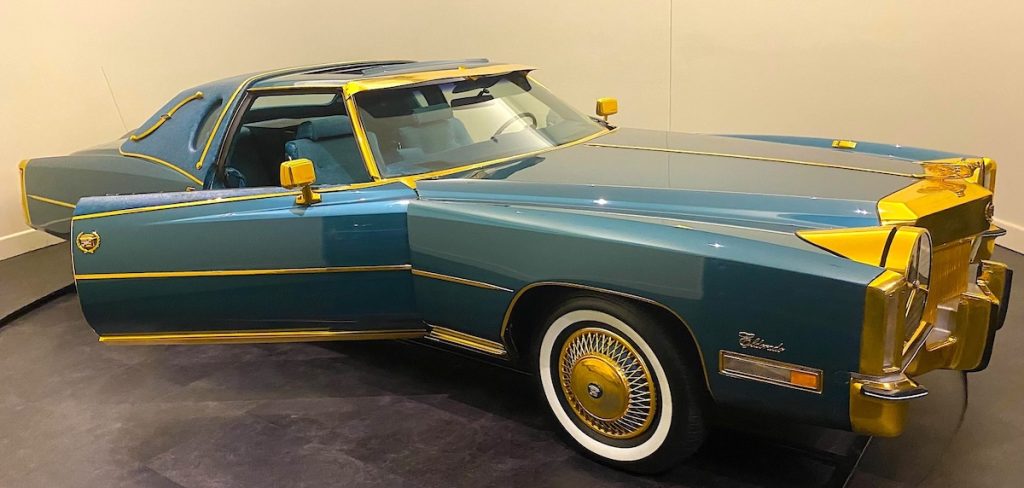
Another display in the museum showcases Hayes’ 1972 El Dorado Cadillac with its white sheepskin carpet, TV set and bar.
Stax created a sound that was unique to America. Jim Stewart’s country-tinged production was low-key and sparse. The punch was added with walloping drums on a two-four beat, a thumping organ or piano and soaring horns. Gospel-influenced vocals blended with the instruments.
Why Soulsville?
Walk around the two-square-mile neighborhood located less than three miles from historic Beale Street and you’ll find the answer. Aretha Franklin was born here at 406 Lucy Avenue.
Her father, the Rev. C.L. Franklin, preached at the New Salem Missionary Church at 955 S. Fourth. The late Johnny Ace lived in a shotgun house right behind Stax at 899 Ferry Court.
Booker T. Washington High School still stands at 715 S. Lauderdale Street. After going to high school during the day, many teens worked at Stax, including the Bar-Kays and Booker T. Jones of Booker T. & the MGs. Blues pianist Memphis Slim and Isaac Hayes’ songwriting collaborator David Porter were born here.
Blues greats Ma Rainey and Memphis Minnie are buried in the local cemetery. Jazz pianist Phineas Newborn lived here. Rev. Herbert Brewster, Smithsonian-honored gospel composer, lived and composed here.
And Memphis’ favorite son, Elvis Presley, lived and died at his Graceland mansion, just seven miles south of Soulsville.
Birth of Stax
For Stax, Jim Stewart rented the old Capitol Theater on the corner of College and McLemore Avenue for $100 a month. His sister took out a mortgage on her home to help buy recording equipment. She opened the Satellite Record Shop in what had been the candy area at the front of the theater.
Located in the Black working-class community, Stax offered equal opportunities for Blacks and whites. A key ingredient of the Stax success was that it crossed racial lines. The “house band,” Booker T. and the MGs is an example. Piano/organ player Booker T. and drummer Al Jackson Jr. were Black. Guitarist Steve Cropper and bassist Donald “Duck” Dunn were white.
Jim and Estelle had an open-door policy. Many people said that if Stax Records had not given them a chance to sweep the floor, they would not have become musicians, publicists and recording engineers.

Stax had an integrated group of 200 employees at a time—especially in the South—when such integration was uncommon. Women had key roles in running the company many years before the Equal Rights Amendment was enacted.
Stax Museum Continues the Stax Legacy
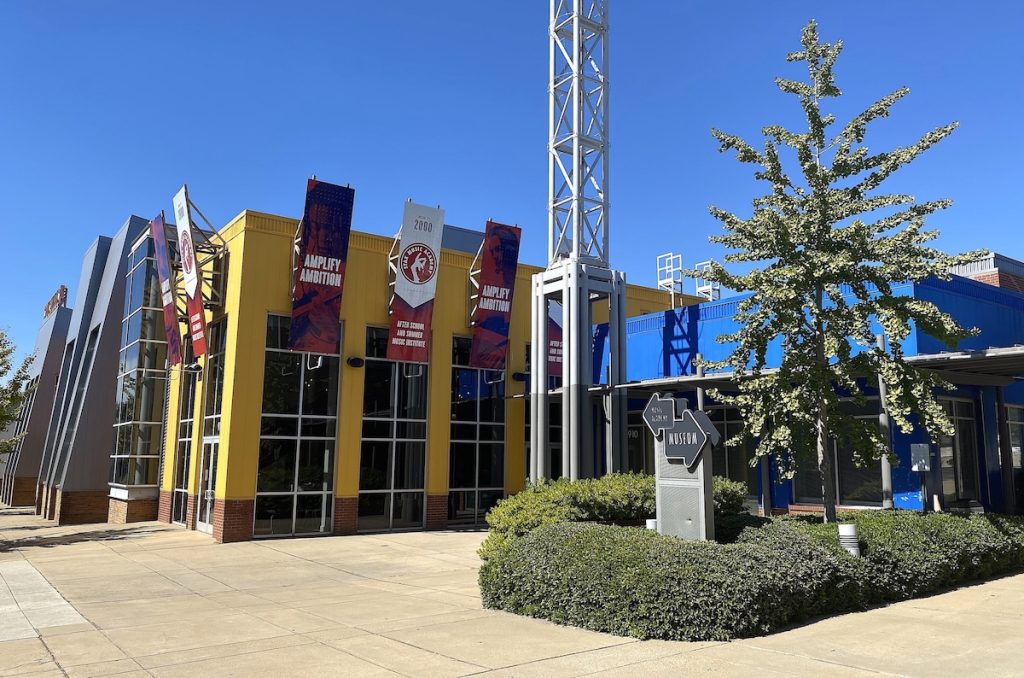
When Stax folded, the neighborhood was hit hard. As people began discussing the idea of opening a Stax museum, concerns arose that the old neighborhood was not a suitable location for a tourist attraction. Putting the facility downtown would have made more sense, they said. But Stax Museum of American Soul Music is meant to be more than an attraction.
Organizers wanted Stax to be a catalyst for economic development and a mentoring program for at-risk youth. The $20 million project was financed by federal, state and city funds as well as private donations. It’s also meant to be a source of neighborhood pride in a blighted area where many people once feared to venture.
Knowing what music can do for children, the Stax Music Academy was founded in 2000, before the museum opened in May 2003. The Stax Music Academy is a state-of-the-art learning center designed to teach children good values and good citizenship through music.
The Stax Music Academy is not only for children to discover their musical talents, but it also serves as an essential after-school program in a deprived area where many children are raised by single women.
The Stax Music Academy features hi-tech recording studios and rehearsal rooms, along with equipment and computers for composing music. Students can learn all facets of the performance and recording profession. But more importantly, they can learn that there are better options for their lives besides the street.
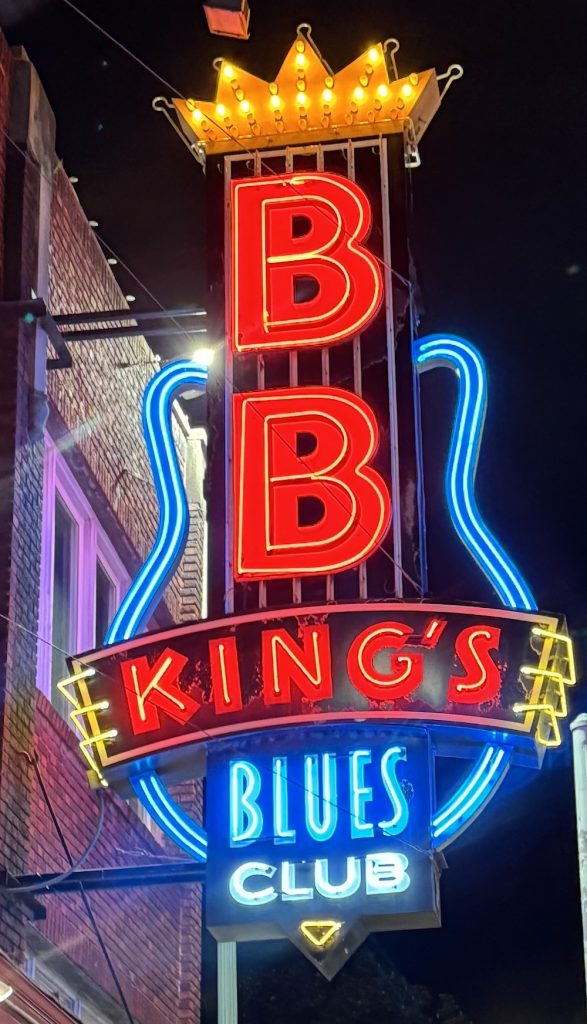
On a warm April evening, Ashton Riker was wowing the audience at B.B. King’s Blues Club on Beale Street in Memphis. But his life would have been entirely different without Stax, Ashton says. “Without Stax, I would have been a statistic – either dead or in prison.”

Instead, every day after school as a kid, Ashton would head to his neighborhood Stax Music Academy, where he would spend hours studying how to be a singer/songwriter.
“Music saved my life,” Ashton says.
And the enthusiastic response of the audience to Ashton’s songs seems proof that the Stax legacy is alive, with music being shared almost half a century after the famed studio shut down.
For more information:
Contact Stax Museum online or at (888) 942-7685 or Memphis Tourism online or at (901) 543-5300.
Disclosure: The author was a guest of Memphis Tourism but any opinions expressed in this post are her own.
Save to Pinterest!!