Driving in Italy: 25 Essential Tips for U.S. Travelers (2026)
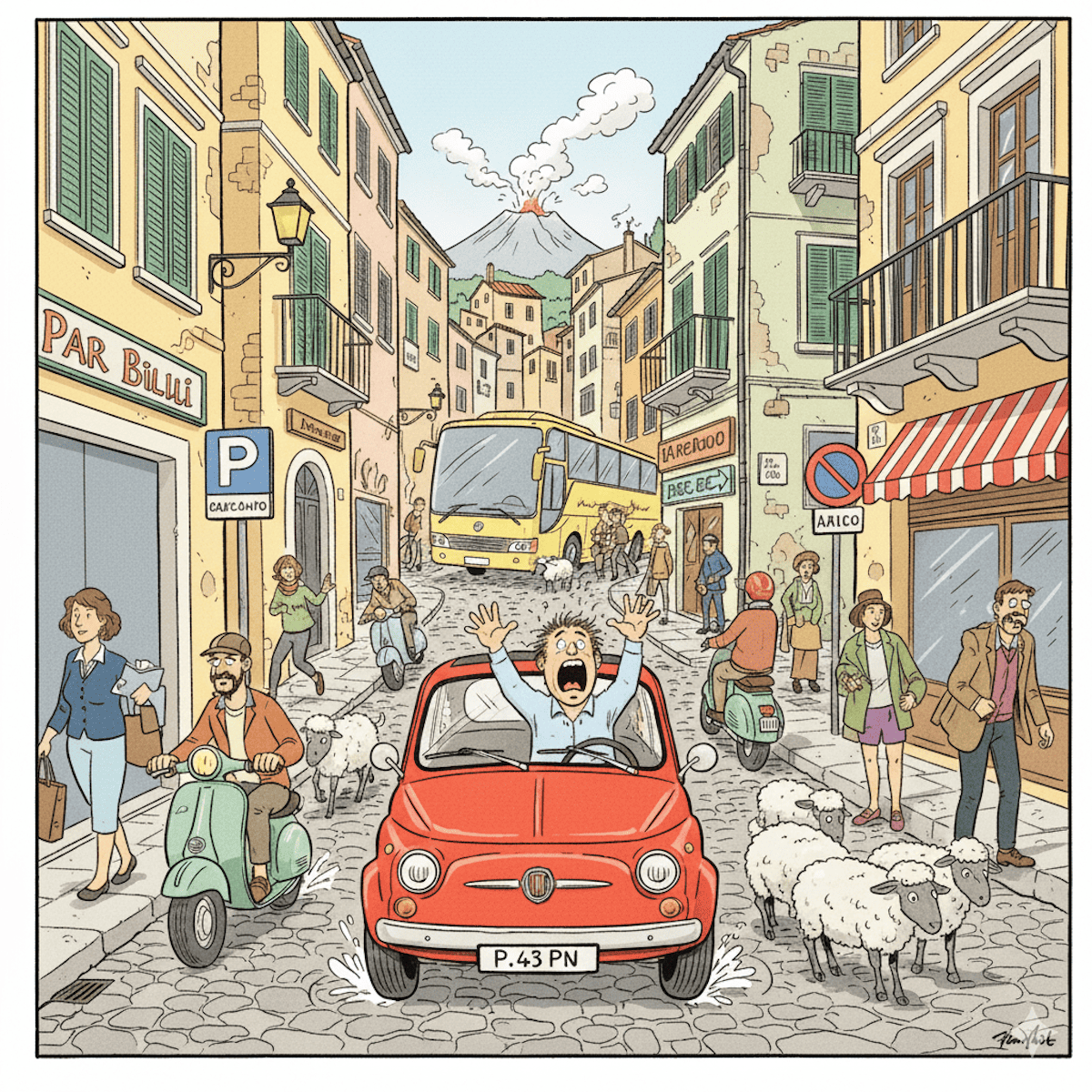
When we told friends we were planning a road trip in Italy, they thought we were nuts. Some of their comments:
“The rules of the road are different in Italy.”
“Drivers in Italy are aggressive and don’t follow the rules.”
“Italians drive too fast.”
“The roads are too narrow.”
“The cars are too small.”
“Watch out for the Vespas.”
There’s no place to park.”
“It’s so stressful; you have to have eyes behind your head to drive in Italy.”
While many of these concerns may seem exaggerated, older travelers often struggle when trying to navigate public transportation in Italy.
Although the Italian rail system is excellent, it can be challenging to carry luggage and bulky bags up and down steps or on long train platforms when you’re traveling from place to place.
Additionally, we have been on trains in Italy where luggage is stowed close to the door, which means we always keep an eye on it to ensure it isn’t stolen.
Lastly, having a car affords tremendous flexibility, letting you come and go when you want rather than according to a train schedule.
We’ve returned from a two-week road trip in Piedmont to share what we learned on this trip and previous ones, offering some tips for driving in Italy. In addition, we tapped into the expertise of our good friends, Vikki and Piero, seasoned travelers who spend part of the year traveling across Italy by car.
Tips for Renting A Car in Italy

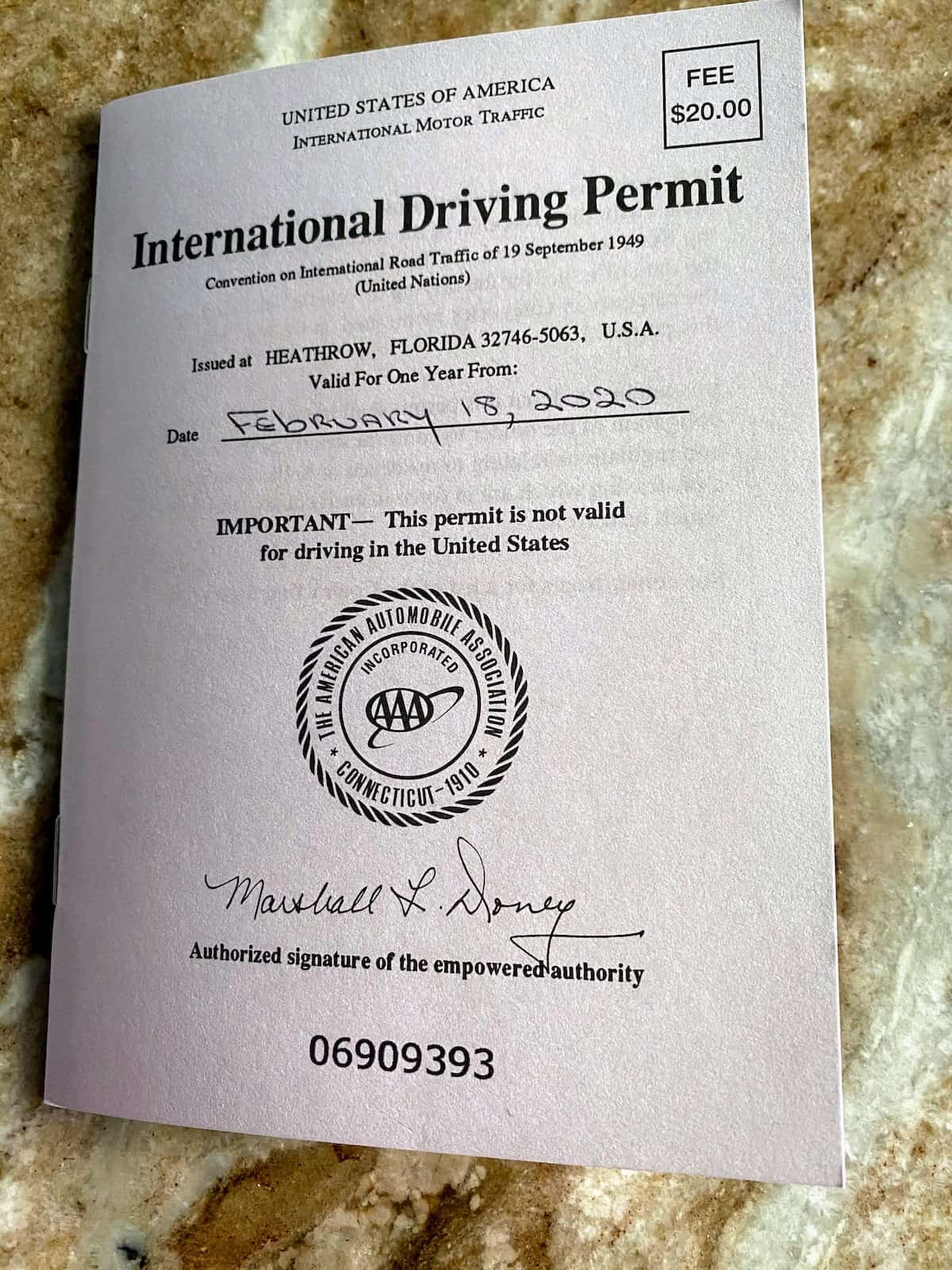
1- Obtain an International Driving Permit
Although an IDP isn’t routinely required in Italy, you may be asked to present one, especially at some auto rental counters. So the U.S. Embassy & Consulates consider it a “suggestion.”
Of course, you will also need a valid driver’s license from home. Valid for up to one year, they are inexpensive and easily obtained from the AAA or AATA.
2- Don’t overinsure or underinsure
Check out your auto insurance options before you leave home. You may have auto rental coverage under your existing automobile owner’s policy and certain credit cards provide collision coverage. (Be aware that some cards explicitly exclude Italy.)
Coverage varies by the type of card and location, so always request a written confirmation of any information you receive. But note that all auto rentals in Italy require Collision Damage Waiver and Theft Protection.
3- Resist the rental agent’s suggestion to upgrade
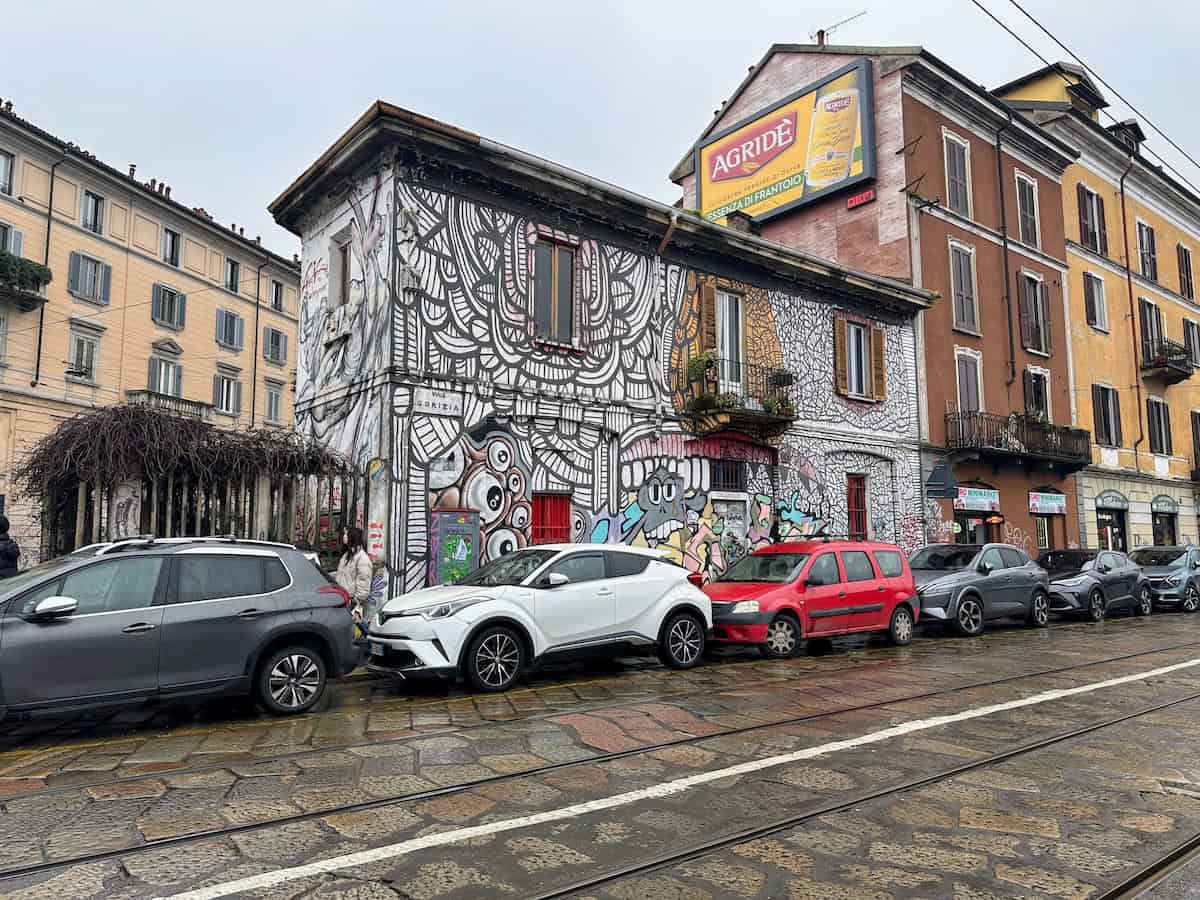
The rental agent may offer you the option to upgrade to a larger car. However, parking spaces in Italy are small and very limited. Roads are narrow and the cost of gasoline is high.
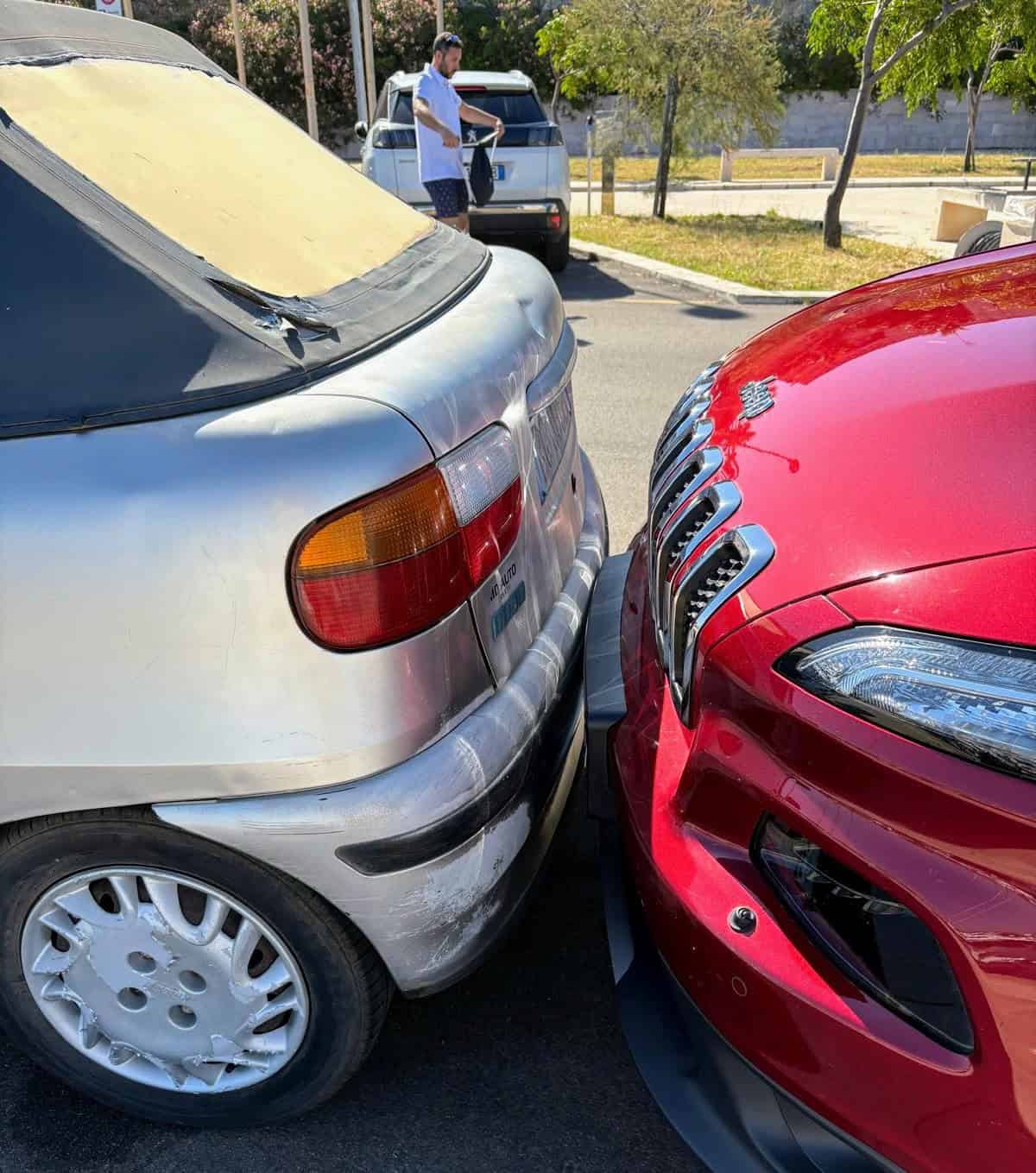
However, be sure to choose a vehicle that is large enough to accommodate your luggage.
4- Opt for an automatic transmission
If you aren’t accustomed to a manual transmission car, now isn’t the right time to learn. Manual transmissions are more common in Italy, so be sure to rent a car with an automatic transmission, which is likely to be more expensive.
5- Inspect your car before leaving the rental car agency
Carefully check the vehicle for any scratches and dents. It’s also helpful to take pictures of them with your cellphone.
When you return the car, an agent will conduct a thorough inspection and will charge you for any damage they find, unless you can prove it was already there.
6- Take advantage of a navigation app
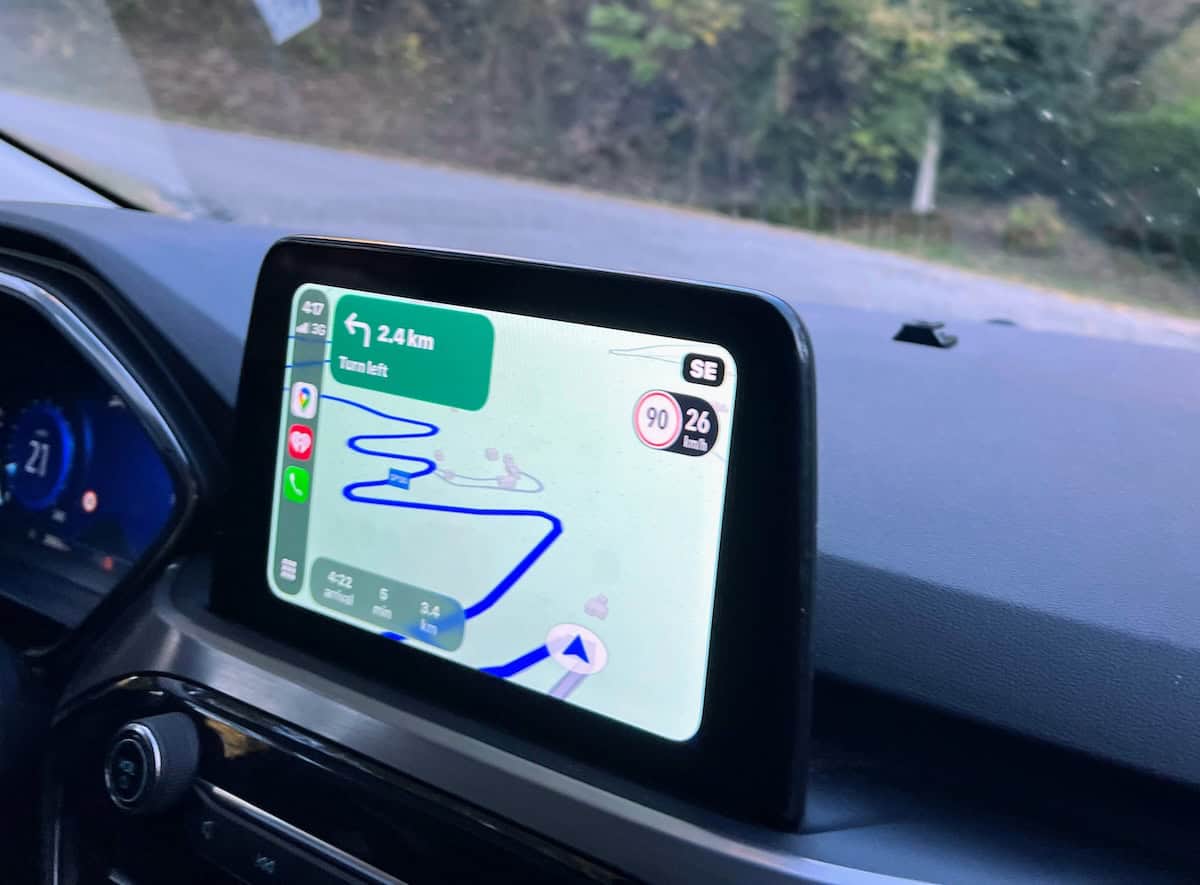
Technology has greatly simplified the challenges of driving across Italy. Ask the rental car agent to sync your phone with your vehicle so you can use WAZE, Apple Maps or Google Maps.
Tips for Driving on the Autostrada in Italy
The Autostrada (marked with a green sign and the letter A) in Italy is the equivalent of the multi-lane U.S. Interstate Highway System. Most roads on the autostrada require tolls.
7- Approach the toll booth carefully
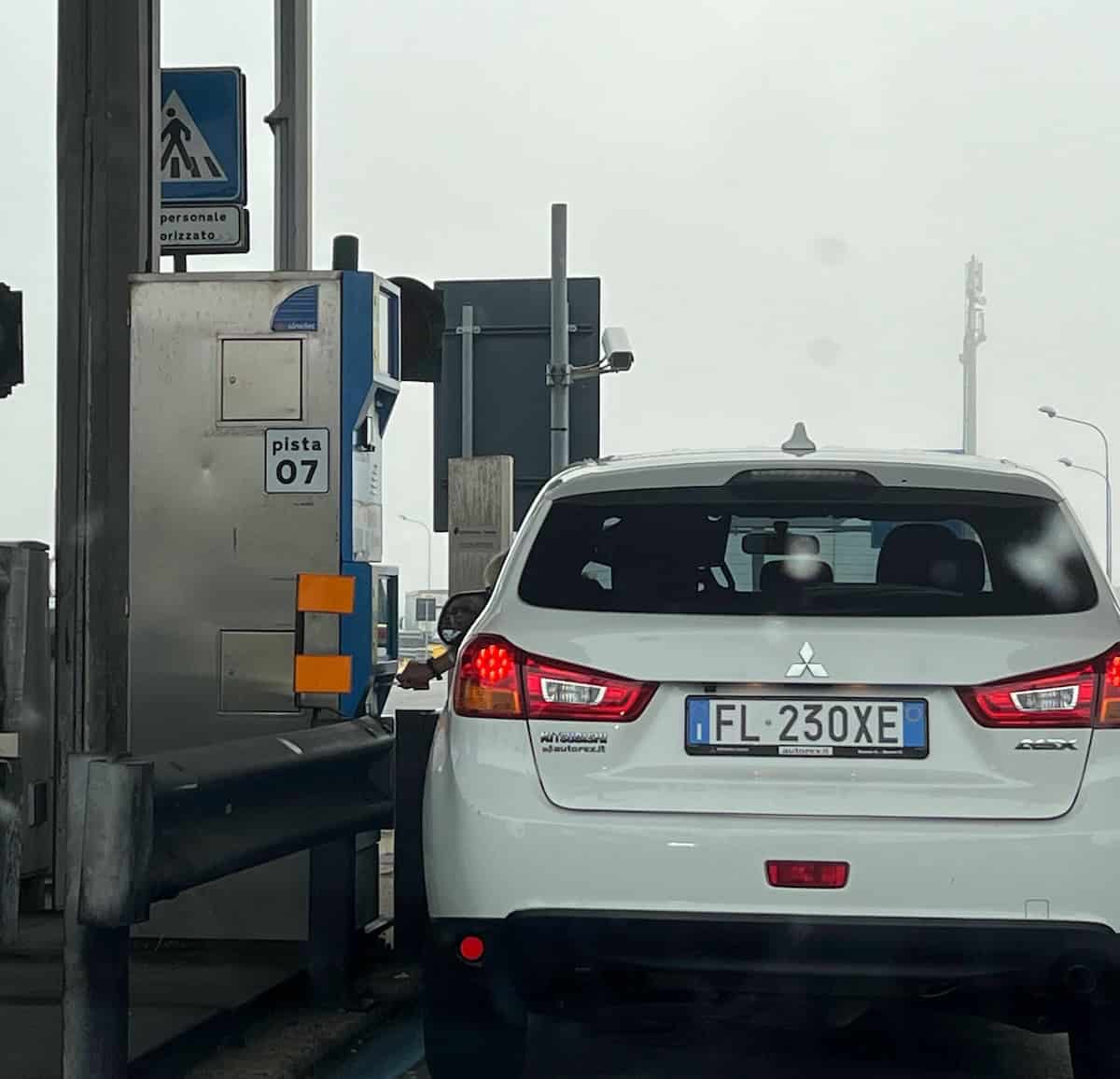
When you enter the Autostrada, you need to retrieve a ticket that identifies your entry point. Drive through the toll booth, getting close enough to retrieve the ticket but far away enough to avoid hitting your outside mirror.
8- Observe posted speed limits
The speed limit on the Autostrada is higher than on most U.S. highways. The standard speed limit is 130 km/h (approximately 80 mph), but there will be sections of the road where the speed limit is lower (e.g., due to construction, inclement weather, etc). Remember that speed limits are posted in kilometers, not miles per hour.

9- Be alert to average speed zones
Some sections of the Autostrada are under electronic surveillance. These average speed zones measure your speed from one point to another, and you can be ticketed for exceeding the average speed. Waze alerts you to these zones.
10- Watch for construction and lane closures
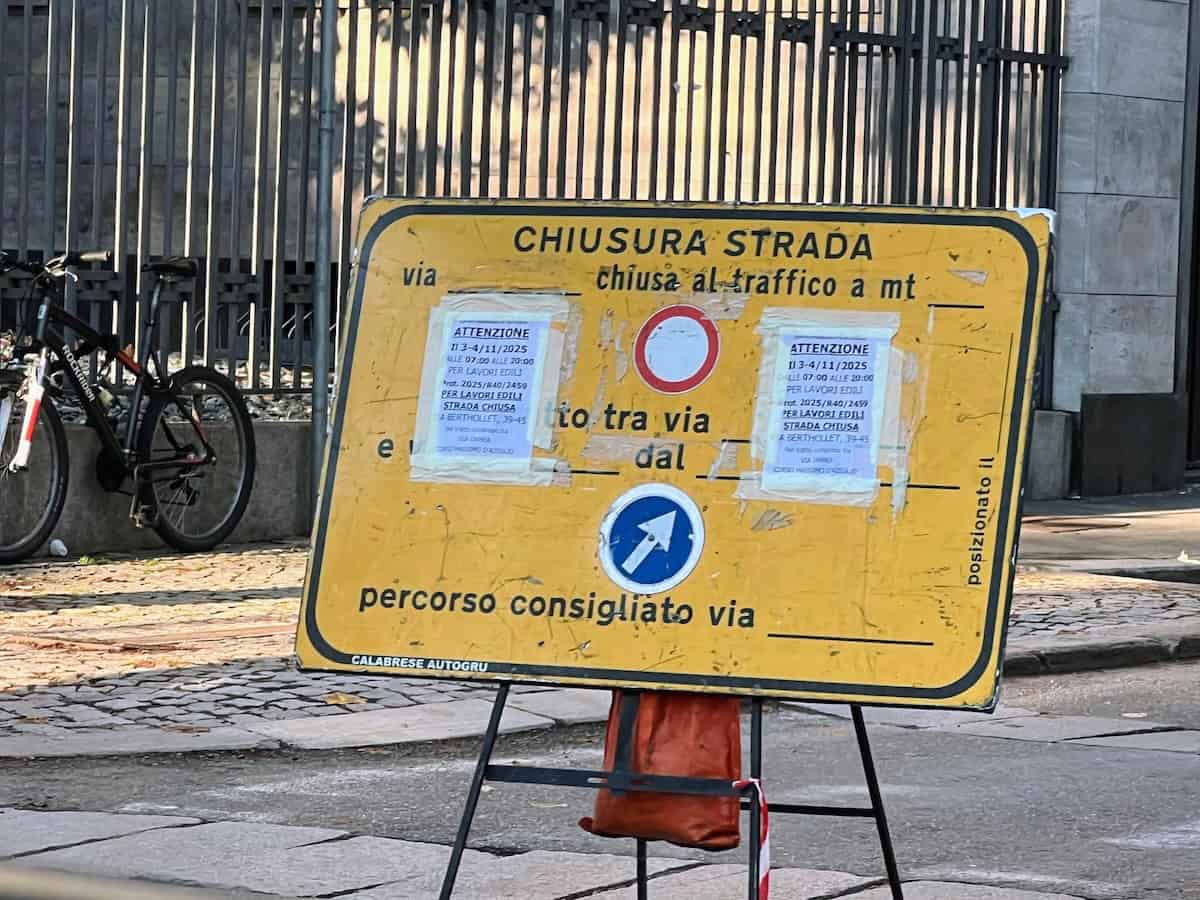
Slow down and exercise extra caution when driving through construction zones. You may be directed to drive in a lane that would typically be used by cars going in the opposite direction. This can occur when driving through a tunnel.
11- Use the left lane only for passing
In Italy, the left lane is designated as a passing lane. Don’t drive in the left lane unless you are passing another vehicle. When you finish passing, return to the right lane, or you’ll run the risk of being ticketed.
12- Get in the proper lane for payment
When exiting the Autostrada, be prepared to pay at the proper lane. There are signs over each lane that show the types of payment that can be made, either coins or a credit card. Do not use the lane with the yellow sign above it. The yellow sign indicates payment by an EasyPass system, which, of course, tourists do not have access to.
13- Stopping at an Autogrill is almost mandatory
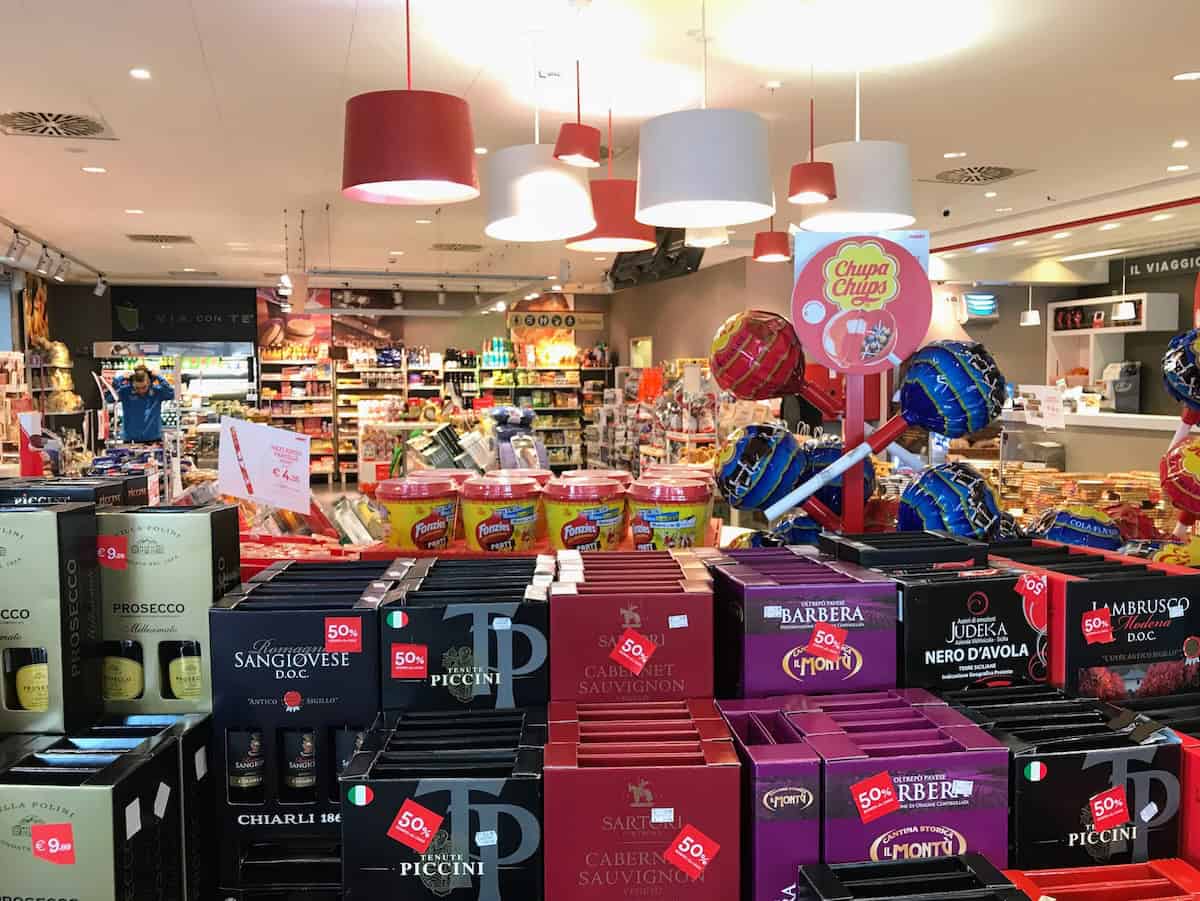
Rest stops in the U.S. pale in comparison to the Autogrills in Italy. While there are other wannabes on some roads (such as Chef Express), no other rest stop comes close to Autogrill’s standards. Cafe, restaurant, gift shop, and gas station all in one, Autogrills have large parking lots, clean restrooms and extensive inventories of local products including foods, wine, pasta, toys, chargers, candies and souvenirs. Tour buses often stop at these locations, allowing tourists to purchase gifts to take home. Because they operate so efficiently, they are a perfect stop for a quick coffee, pastry, or panini, with excellent prices for the quality.
Here, as in most coffee bars across Italy, go to the cassa (cashier) first when ordering coffee or food. You place the order and pay, then proceed to the food or bar counter with your receipt. Show it to the barista, and pick up your order.
Tips for Driving in Towns, Cities and Limited Traffic Zones (ZTL)
14- Access to historic centers may be restricted
A limited traffic zone (ZTL) in Italy is an area, often in the historic center, where access by car is restricted. This may be because the historic center is a pedestrian-only area. You can identify a ZTL by signs with a red circle on a white background. There are cameras at the entrance to these zones.
A fine is automatically issued if you enter at restricted times, so be sure to watch for the signs and park outside the ZTL area to avoid penalties.
If your hotel or lodging is located in one of these zones, you will need to contact your hotel or the local police station to register your license plate to enter.
15- White stripes mean slow down for pedestrians
The white stripes painted on the streets in cities and towns are pedestrian crossing zones. While not typically recognized by drivers in the US as a pedestrian safety zone, in Italy, they reign supreme, and Italian pedestrians and bicyclists take full advantage of this protection when crossing streets. Be VERY aware of pedestrians. They step onto the “stripes” often without looking in either direction for approaching vehicles while talking on a cellphone. When you drive through a city or town, always be prepared to brake.
16- Toll systems can vary from place to place
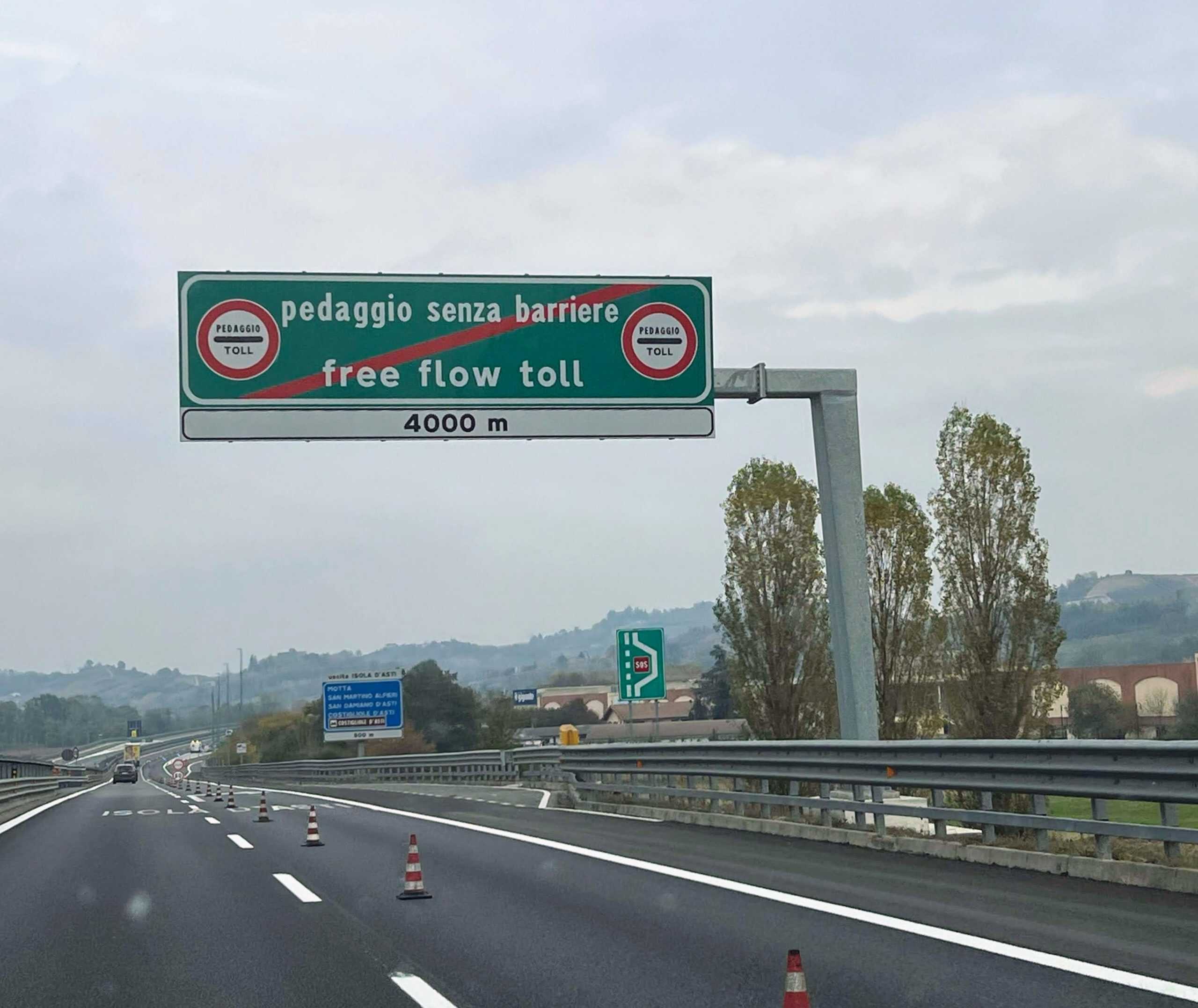
We were stymied when we drove on A33, the road from Cuneo to Asti. That stretch of road uses a “Free Flow” system with automatic tolls. If you haven’t downloaded the Free Flow app with a form of payment, you risk getting a ticket because there is no toll booth where you can pay. Fortunately, there is a 15-day grace period if you only learn about the rule after you’re on that road.
Tips for Driving in Italian Roundabouts
17- Learn the roundabout rules
Roundabouts are a very common alternative to traffic lights in Italy. You may pass through several of them in a short distance.
Drivers must exercise caution when entering or leaving a roundabout. When you join, you may see a yield sign, so wait for a space in the traffic to enter. Use your right turn signal when you are leaving.
Theoretically, the driver in the roundabout has the right of way. However, some merging drivers don’t observe this rule.
Roundabouts in Italy come in a variety of designs and sizes. Some do resemble what drivers have experienced in the U.S., while others are less obvious. They look like a raised, round cement mound. Some are even triangular in shape.
We used Waze for navigation, and it provided us with the number of exits on the roundabout to count before exiting to our destination. But it wasn’t always accurate; sometimes, it considered a driveway or alley a roundabout exit.
Other Tips For Driving in Italy
18- Exercise caution, always
We can’t stress this enough. Always be cautious and alert when driving in Italy. Pedestrians, cyclists, and bikers rely on your awareness of their presence. Though smaller and less powerful than a 4-wheeled vehicle, they seem to feel omnipotent.
19- Try to avoid traffic
Plan to visit tourist cities and towns on weekdays to avoid crowds and traffic, and try to avoid rush hours whenever possible.
20- Be vigilant when driving up mountains
When driving on narrow mountain roads (which can appear to be single lanes but are actually two-way roads), honk your horn to alert oncoming cars to your presence. Especially on hairpin curves (or switchbacks).
Tips for Parking in Italy
21- Parking in Italy is tricky
Always research parking options and obtain location-specific parking tips before planning to park in any town you visit.
22- Parking spaces are color-coded
- White lined spaces indicate free parking.
- Blue-lined spaces indicate pay parking by the hour, payable at a Park-O-Meter (photo).
- Yellow-lined spaces indicate handicapped parking or a loading zone.
23- Pay parking machines can be challenging
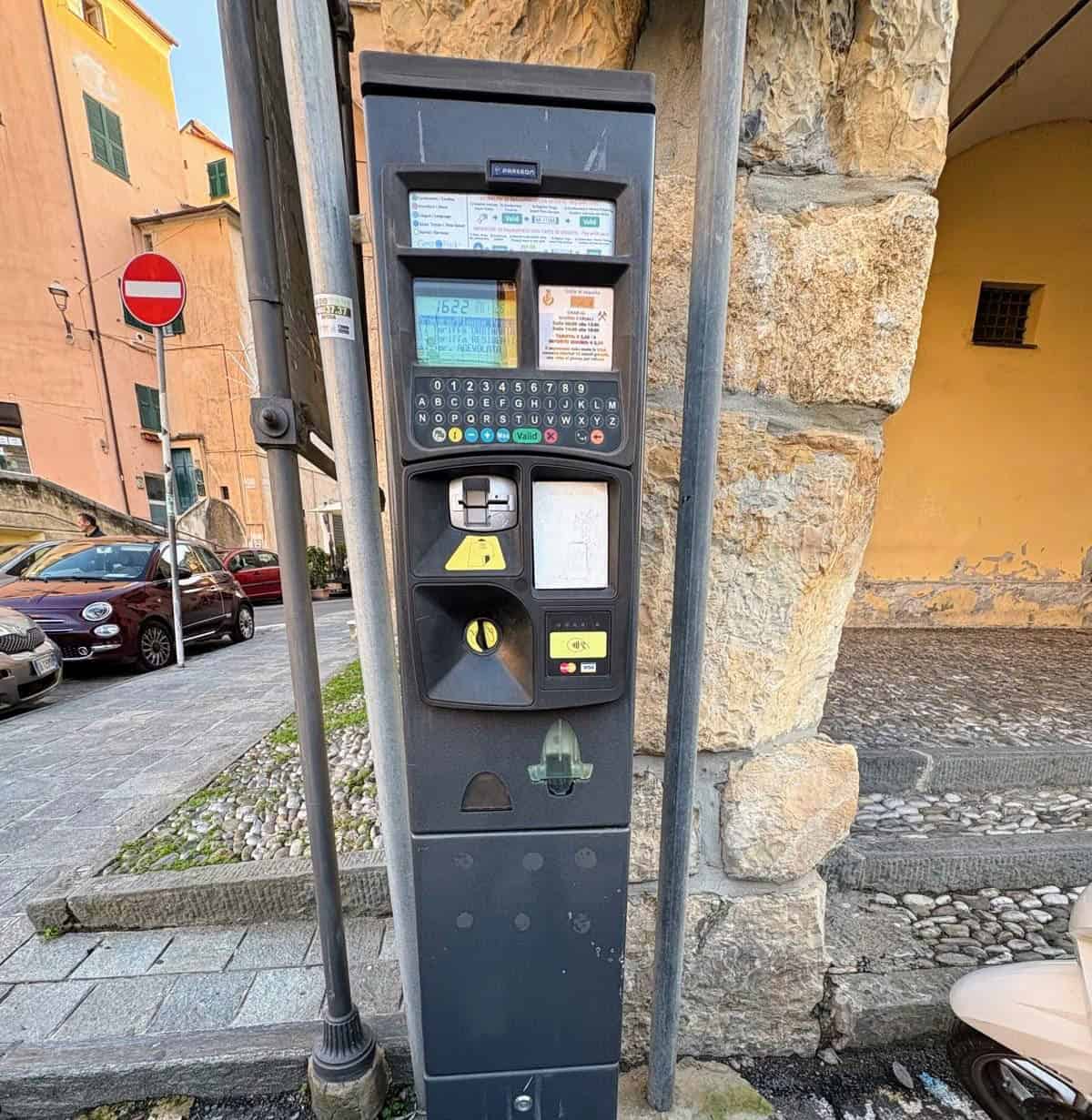
Where pay parking lots are available, you may have problems understanding how they work. They differ from town to town and they aren’t always in English.
24- Paying a parking ticket
Sometimes, parking tickets are paid for at the Tabacchi (tobacco store) in the town where you received the ticket.
25- U.S. handicapped placards may not work
Bringing a U.S. handicapped placard is risky. You still need to abide by all other traffic rules and the police have discretion over whether or not to fine you for parking in a designated handicapped parking space.
Last thoughts
Driving in large Italian cities or navigating narrow, winding roads (notably the Amalfi Coast and the road to Bellagio) can be perilous. Remember that your reflexes may not be up to par because of jet lag and it may be challenging to read signage in another language. Drivers in other countries have different informal rules of the road.
However, as we found, a road trip in Italy can be a very rewarding way to experience the people and culture. With caution, familiarity with the rules, and planning ahead, driving in Italy can be a meaningful and memorable experience.
Save to Pinterest!!




We found that Italian drivers are calmer than days of yore, and are generally courteous. Americans are sometimes not used to staying right except to pass, and need to watch this.
Pack lightly so you can get a smaller car and keep luggage out of sight when parked (just a good idea anywhere). Get a windshield mount and a data card for your cell phone so you can use your own Waze or map program rather than an unfamiliar one in a rental.
We got caught by unmarked ZTL zones in Milan, so be especially alert there. Elsewhere they were generally well signed.
Park your car in cities and walk or use public transportation and your visit will be much more enjoyable.
Thanks for your helpful tips, Peter!