A Summer Road Trip From NYC To Cooperstown
Summary:
Cooperstown, New York, is a perfect summer getaway that extends far beyond its famous baseball roots. While the Baseball Hall of Fame and Museum is a primary draw, the village provides a perfect mix of history, art, and natural beauty. Visitors can explore the Fenimore Art Museum and the Fenimore Farm and Country Village, or simply enjoy the small-town charm and walkable downtown.
The journey itself is part of the experience, particularly via the scenic Taconic Parkway. For luxury travelers, the historic Otesaga Resort Hotel offers lakeside elegance and deep connections to the town’s baseball legacy. Whether you visit for sports, history, or a peaceful escape, this Upstate New York gem is an ideal summer destination.
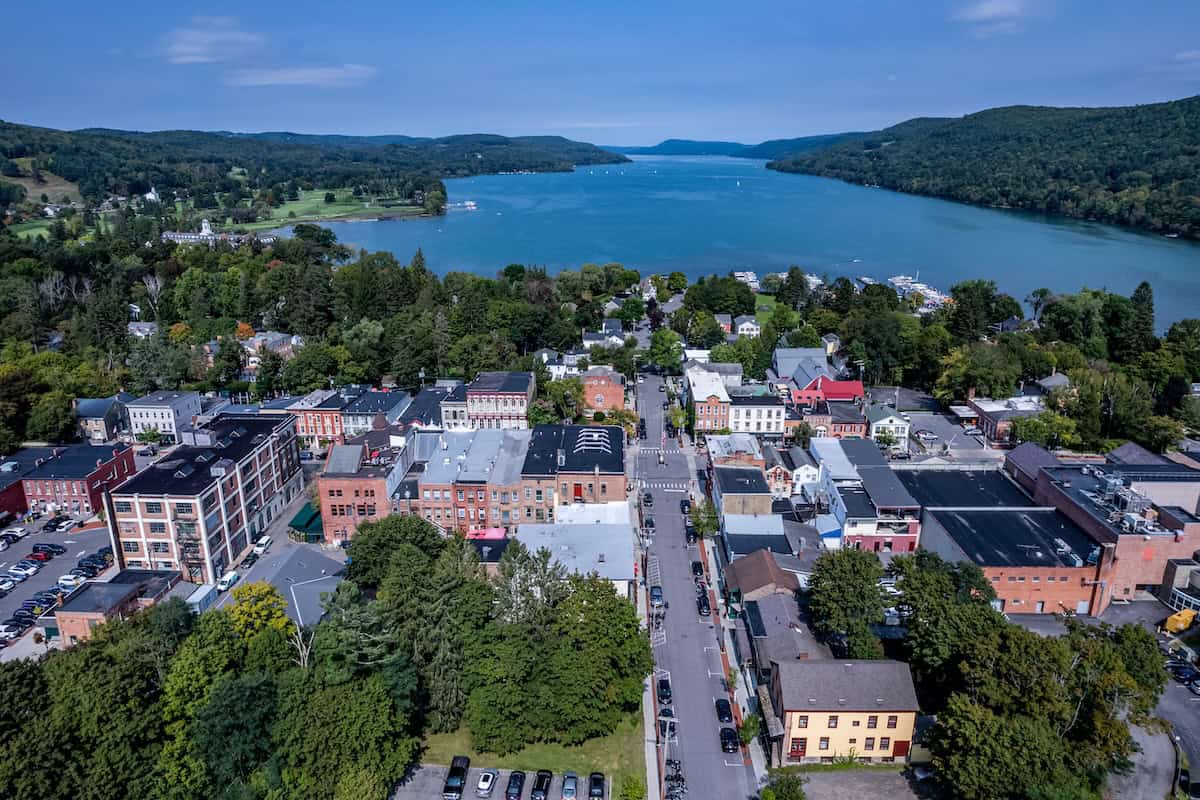
Cooperstown is a small village (with a population just under 1800) in Otsego County in Upstate New York. It’s located about 3.5 hours northwest of New York City and a 1.5-hour drive from Albany or Syracuse but represents the antithesis of city life.
While Cooperstown is a bucket-list destination for baseball enthusiasts and Little League families, a summer visit to the village offers far more than baseball alone.
Visitors get to experience an immersive dive into New York and American history, small-town hospitality, exposure to world-class art collections, and very local farm-to-table dining, all set against a backdrop of stunning natural landscapes.
The Road Trip Renaissance
Road trips are enjoying an unprecedented renaissance. A recent survey by Hertz reported that 64% of Americans plan to take one this summer, and industry publication TravelAge West dubbed 2026 “the road trip summer.”
Some of the factors fueling this trend include economic uncertainty, the desire for more spontaneous and flexible travel planning, frustration with the cost and hassles of air travel, and a desire to remain closer to home.
In addition, there is an undeniable travel frenzy associated with sports tourism, including the FIFA World Cup (taking place in 11 cities across the country) and America’s 250th anniversary. In addition to visiting sports meccas, Americans are planning nearby side trips and stopovers to see more of the country.
On the Road: A Spectacular Journey
One of the best ways to get to Cooperstown after leaving the city is on a Cooperstown road trip. Set your GPS and take the Taconic Parkway, which begins in Westchester County (just a few miles north of the Bronx).
The Roads Less Traveled
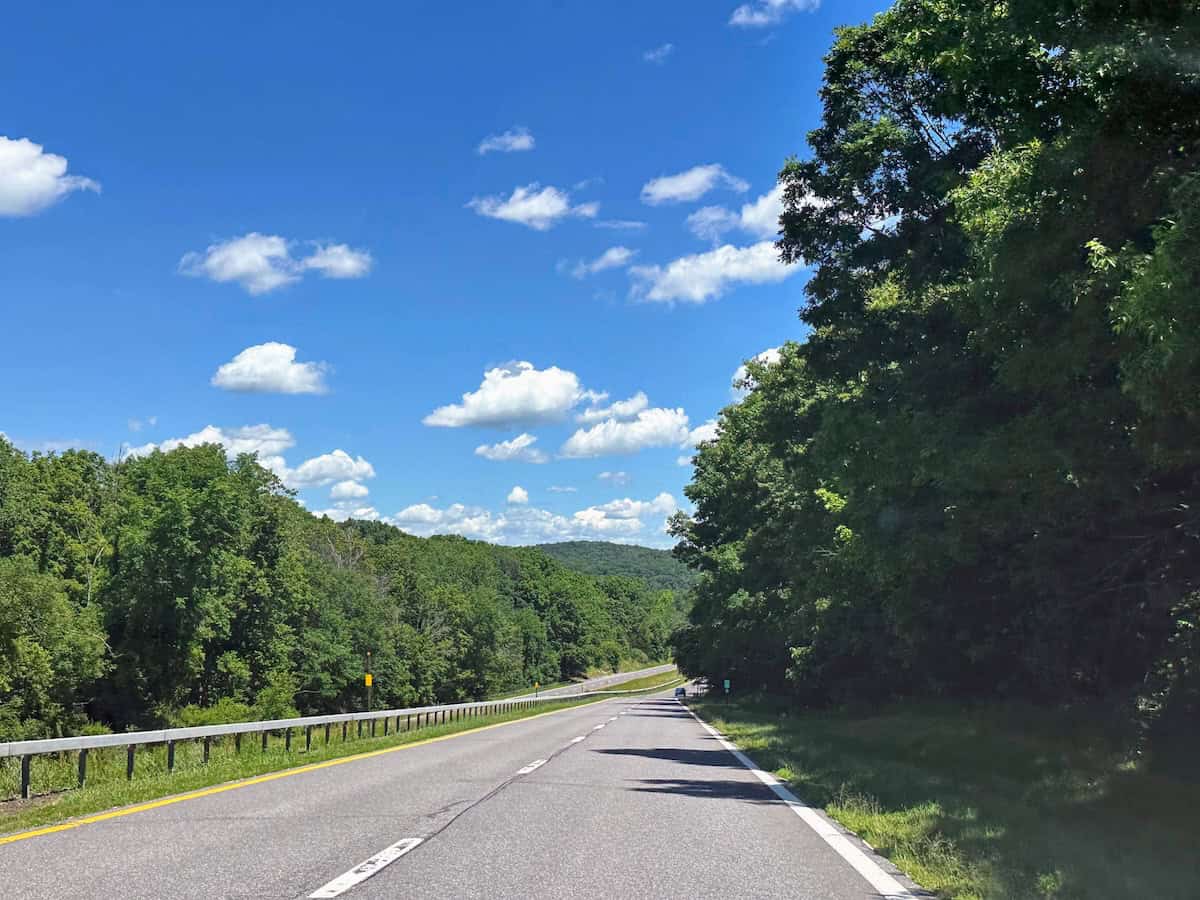
It took 40 years to complete this divided highway, first envisioned by President Franklin D. Roosevelt, and it was engineered as a “scenic pleasure drive.”
The roadway begins with three lanes on each side before narrowing to two. Although curvy in many places, driving is blissful because it is less trafficked and motorists don’t have to contend with trucks or trailers.
Along the way, expansive views of treed hills, mountains and stone bridges are dazzling in every direction. In recognition of the Parkway’s unique history and design, the roadway was added to the National Register of Historic Places in 2005.
Taste Of New York: A Roadside Stop
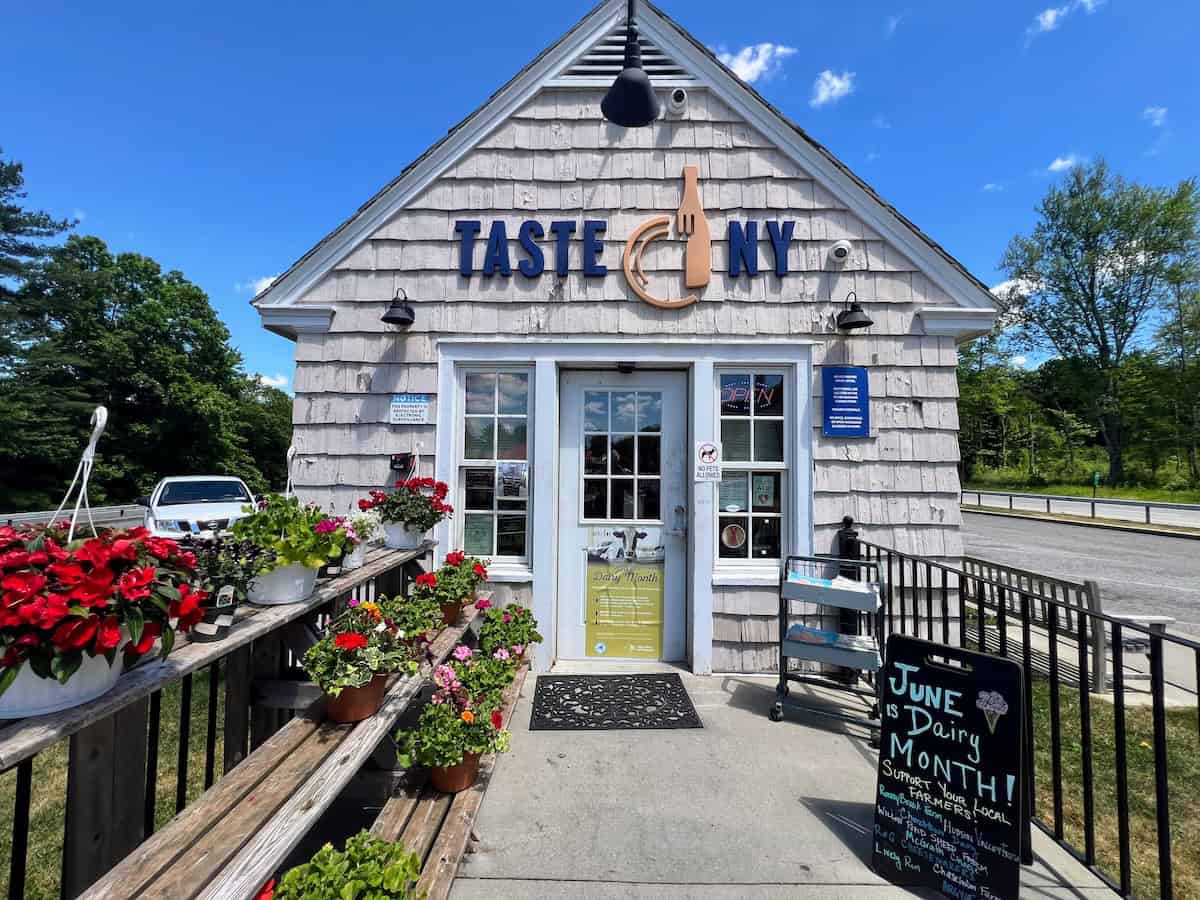
While there are no longer any service areas, one not-to-be-missed stop is the Taste NY Todd Hill Shop in Lagrangeville. Operated by New York State and Cornell Cooperative Extension Dutchess County, this and other Taste NY markets showcase authentic foods from local farms and beverage producers that represent New York.
At this one, you’ll find maple syrup, honey, chocolates, eggs, ice cream, apple cider, and more. Accessible from both sides of the parkway, the small shop also has public restrooms.
Crossing The Hudson
After exiting the Taconic, you’ll cross over the majestic Hudson River on the historic Rip Van Winkle Bridge, which connects the towns of Hudson and Catskill, New York.
Named after Washington Irving’s story, the bridge opened in 1935 and offers breathtaking views of the Catskill Mountains. Because there’s no need to depend on paper maps anymore, your smartphone or navigator will plot out the rest of the route on country highways, some of them with only two narrow lanes but 55MPH speed limits.
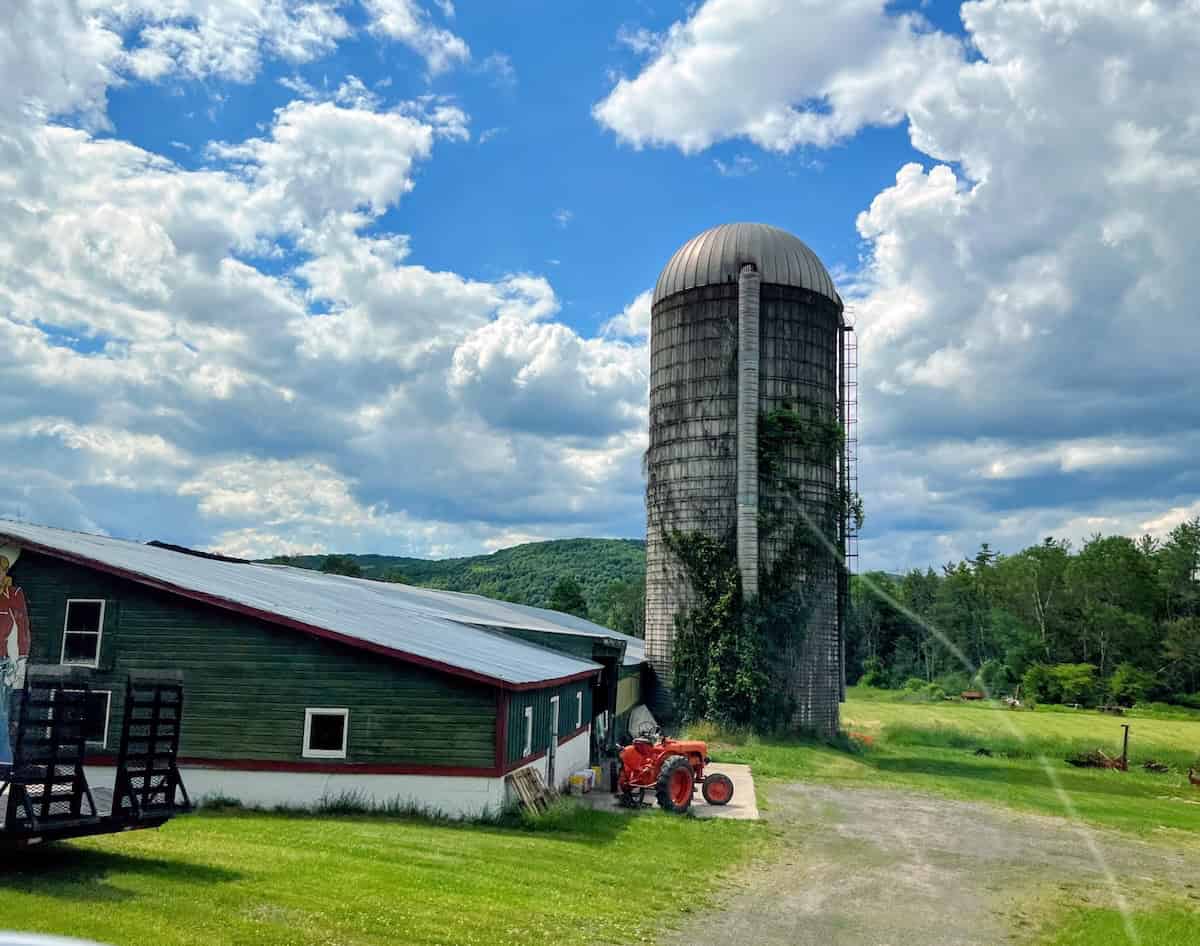
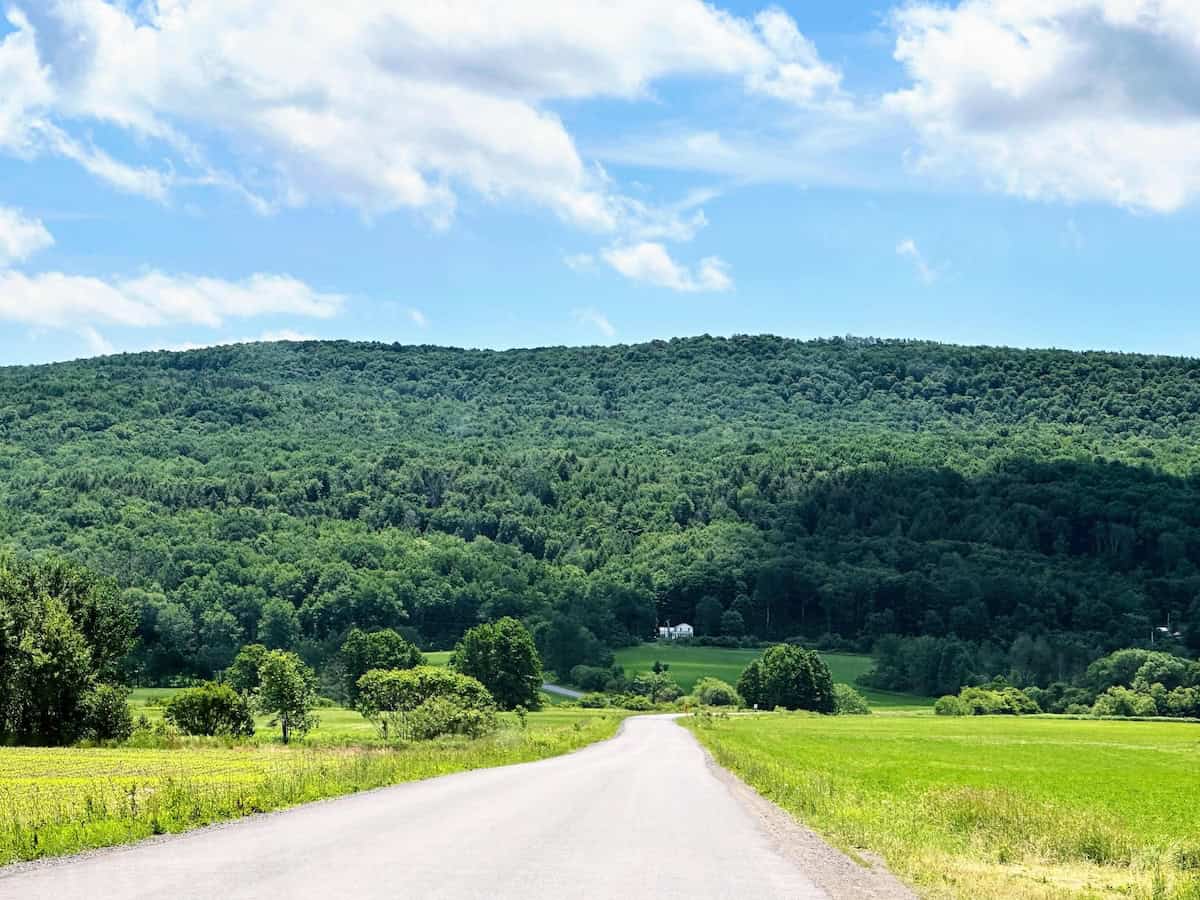
In June, the mountains and rolling hills showcased every shade of green, one view more beautiful than the next, set against the blue sky. With precious little traffic, you’ll whiz by farms with crops, grazing animals and haystacks, silos and barns, and vineyards.
You’ll pass through small towns with shingled houses, farmstands, taverns and general stores.
Visiting Cooperstown
Cooperstown sits on the southern tip of Otsego Lake with a history dating back to the late 1700s, when it played a role in the Revolutionary War. However, the town was officially founded in 1786 by William Cooper, the father of novelist James Fenimore Cooper (most famous for The Last of the Mohicans).
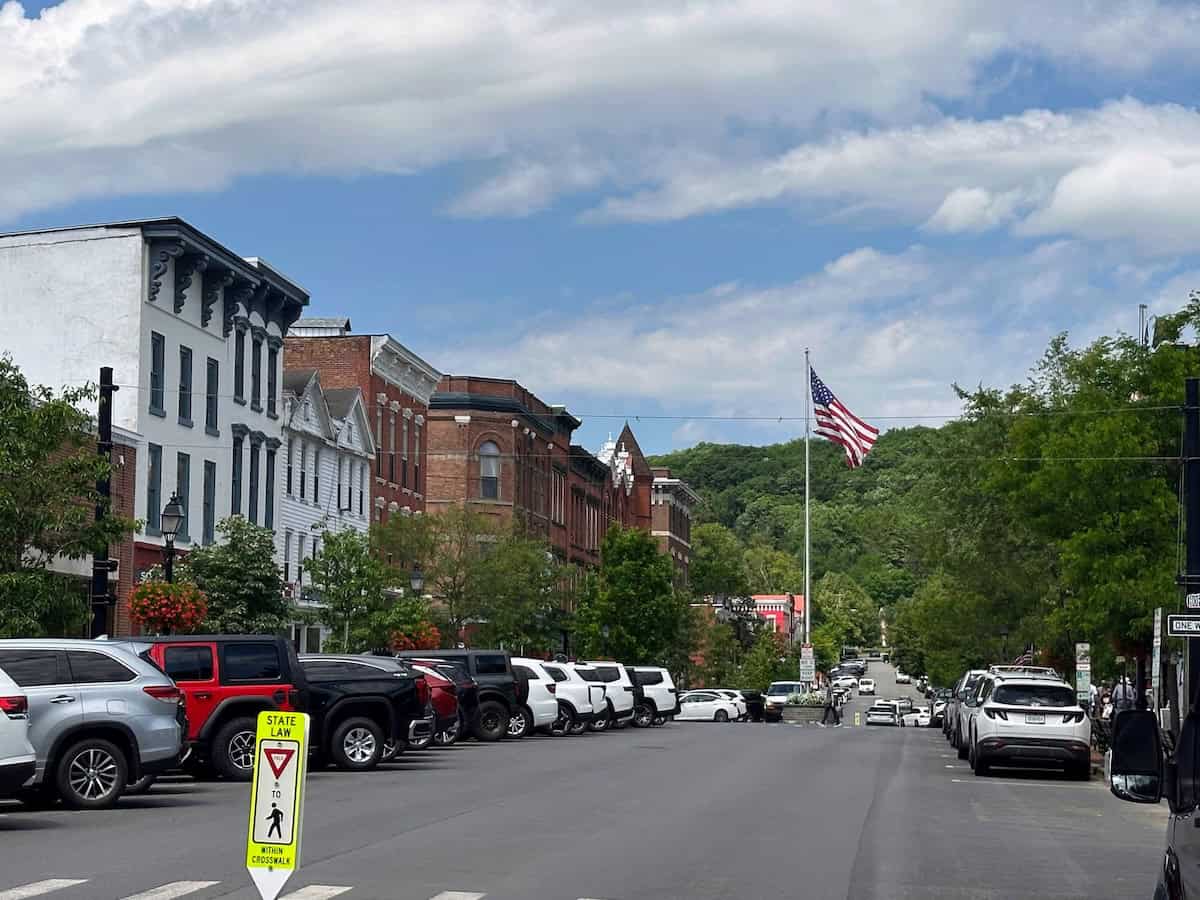
Historians point out that it’s the town’s location that makes it truly unique. It is rural, surrounded by farmland and not close to major highways. The walkable downtown has just one traffic light. Instead of mall stores and fast-food outlets, the small businesses on Main Street have preserved facades reminiscent of their past.
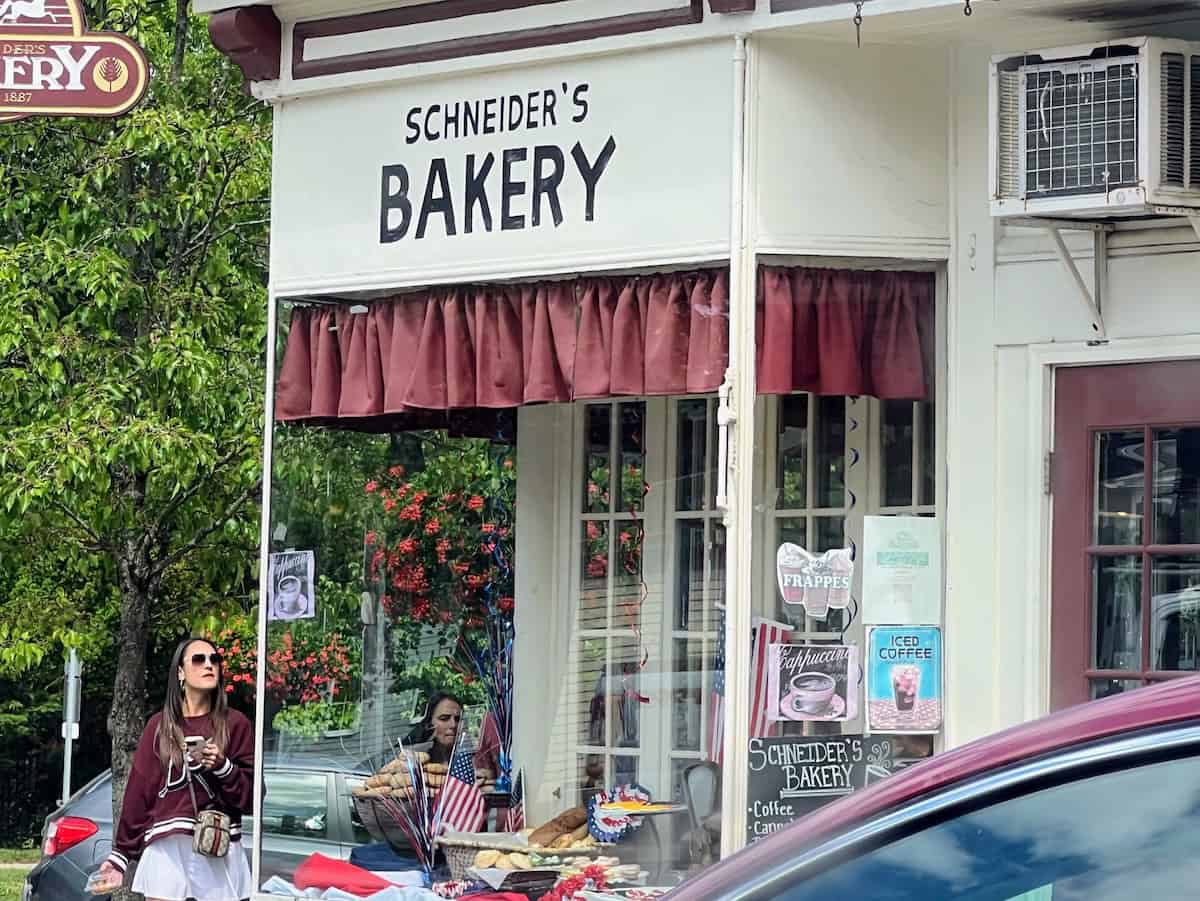
Although the population has declined slightly, it is remarkably stable, evidenced by the well-kept homes, a mix of Federal, Victorian and Colonial styles, some of them stately.
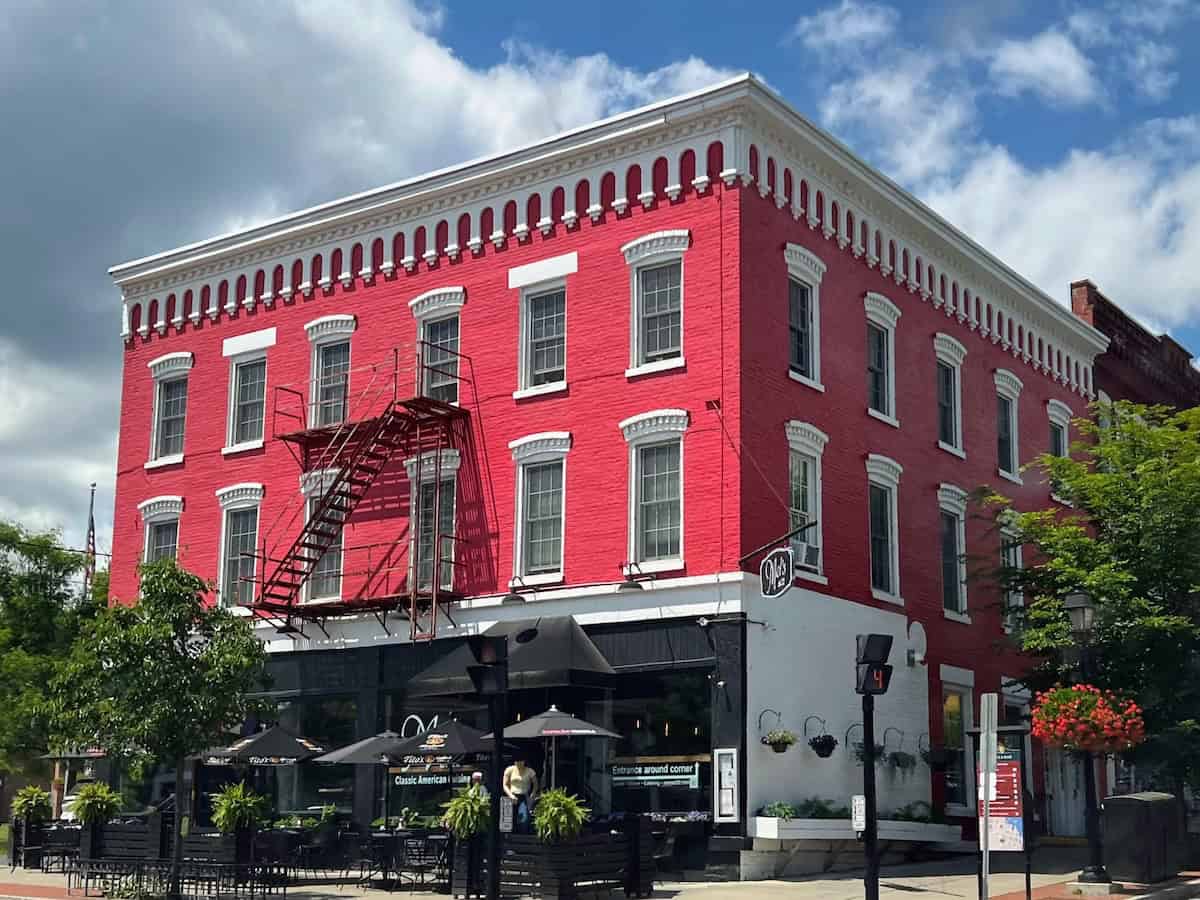
The town has three iconic museums: The Baseball Hall of Fame and Museum, the Fenimore Art Museum, and the Fenimore Farm and Country Village.
The Baseball Hall of Fame and Museum
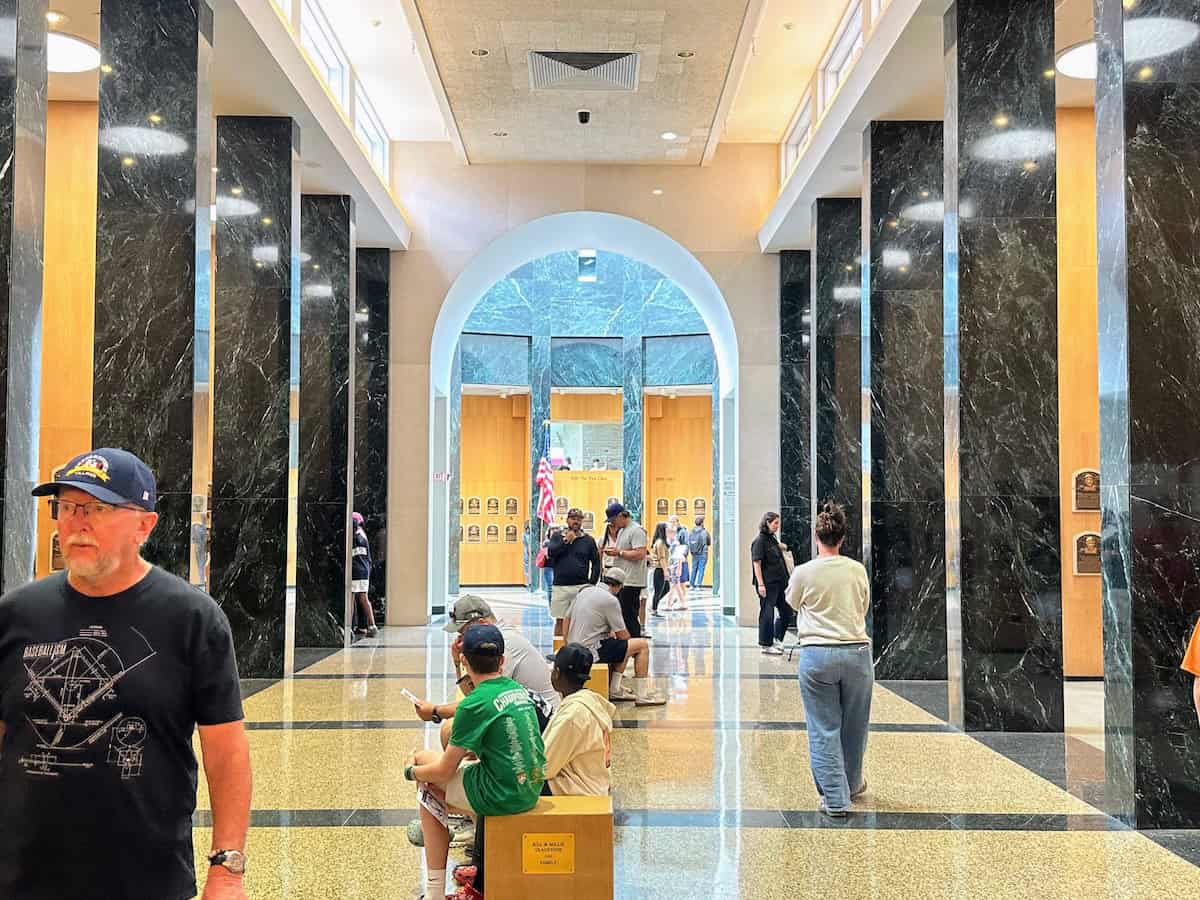
Open since 1939, the three-story red brick Baseball Hall of Fame and Museum sits across the street from the Cooperstown post office. Spread across 50,000 square feet, it makes the national pastime’s history accessible to a global audience and preserves it for future generations.
Depending on their interests, visitors can spend hours or days there. The centerpiece of the museum is the Hall of Fame Gallery with plaques honoring 342 inductees.
The multimedia museum collection includes a staggering 40,000 three-dimensional artifacts and 140,000 baseball cards, and its library and archive field some 60,000 inquiries each year.
We particularly enjoyed the first-floor exhibition, “The Art of Baseball,” with original paintings and sculptures that celebrate some of baseball’s greatest players and moments. The museum also holds special events and exhibits, including Hall of Fame inductions.
Before departing, most visitors stop at the contemporary Museum Store to pick up unique baseball keepsakes, apparel, and gifts.
Where else could you find a wall of baseball caps reflecting every baseball team?

Fenimore Art Museum
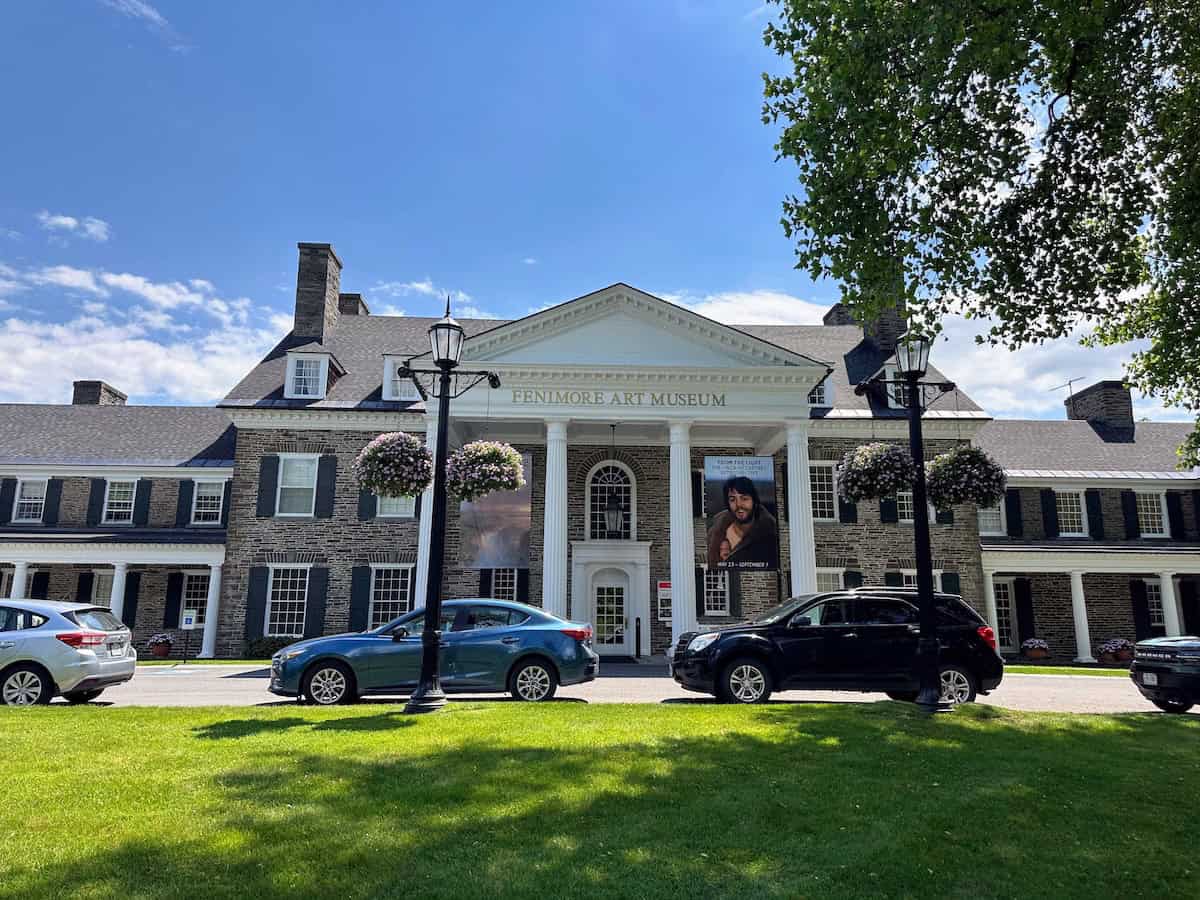
Founded in 1930, the Fenimore Art Museum is just a half-hour walk or a 5-minute drive from the Baseball Hall of Fame and Museum. Overlooking Otsego Lake, the art museum is housed in a Neo-Georgian mansion built by Edward Severin Clark on land that was once owned by James Fenimore Cooper.
Clark, a philanthropist and real estate magnate (who owned the Dakota apartments in NYC), is considered one of the founding fathers of Cooperstown.
A wealthy grandson of the Singer Manufacturing Company’s co-founder, he fell in love with the village. He and his family went on to found The Otesaga Resort Hotel and created farms, hospitals and cultural institutions that stimulated the local economy and promoted tourism.
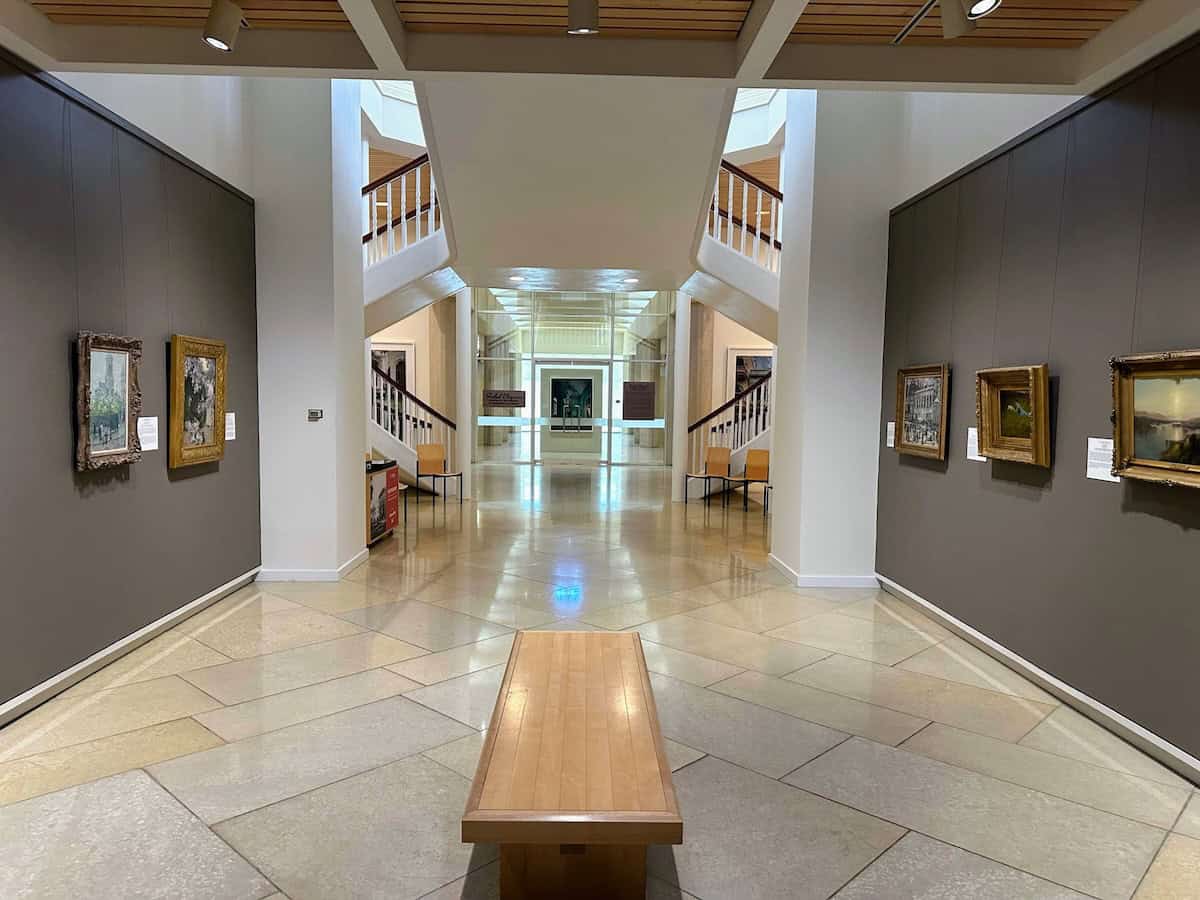
Renovated in 1995, the contemporary museum is known for its collections of fine art, folk art and American Indian art that showcase New York State’s cultural heritage.
On display from May 23 to September 7, one not-to-be-missed exhibition is “The Linda McCartney Retrospective: From the Light.” Curated by her family, Paul, Mary and Stella McCartney, it offers an intimate glimpse into her family life as well as her photography capturing legendary musicians, including The Beatles.
Fenimore Farm and Country Village
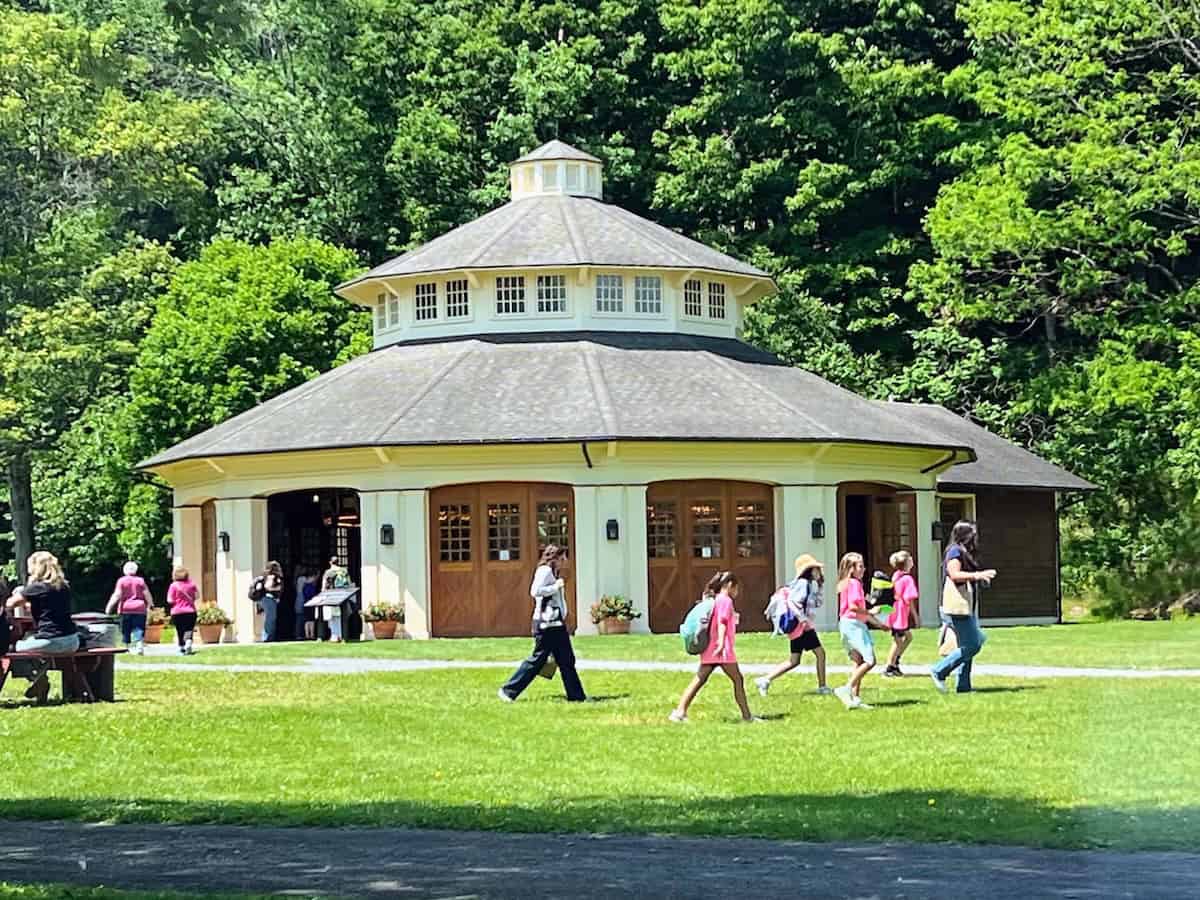
The Fenimore Farm and Country Village is located across the road from the Fenimore Art Museum. Recognized as one of the nation’s oldest history museums, it recreates rural life as it was in the early 1800s, when it was James Fenimore Cooper’s farm, and later, as a dairy farm in the early 1900s.
Families, especially those with children, will enjoy exploring more than two dozen historic buildings on the grounds, including a general store, working farmstead, tavern, doctor’s office, pharmacy, and blacksmith shop. The enchanting vintage Empire State Carousel took two decades to restore.
The Otesaga Resort Hotel: Luxury Lodging
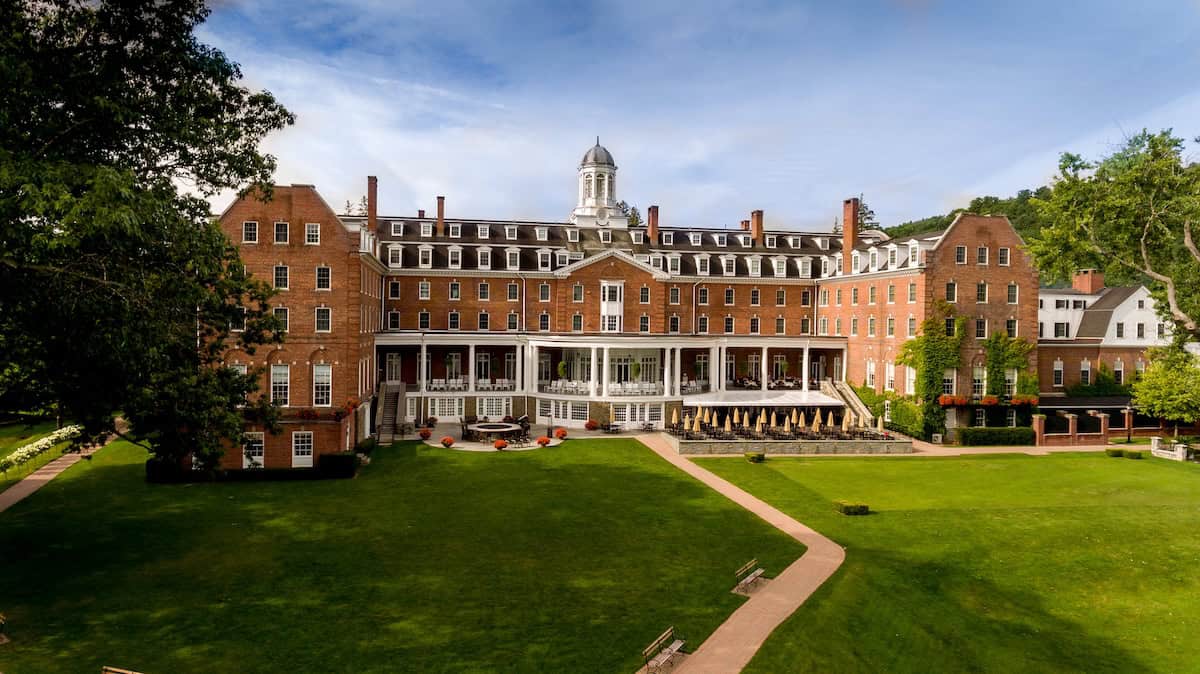
While Cooperstown offers a range of accommodations (including motels, cottages, inns, bed and breakfasts, and chain hotels), the Otesaga Resort Hotel might well be considered the jewel in the crown of what has been called “America’s Most Perfect Village.”
Entering the luxury resort feels like stepping into one of the grand hotels of Europe. You are greeted by an imposing Federal-style red-brick facade, a cupola roof, 30-foot columns, and large windows at the end of the lobby framing Otsego Lake, and a gracious veranda with inviting rocking chairs.
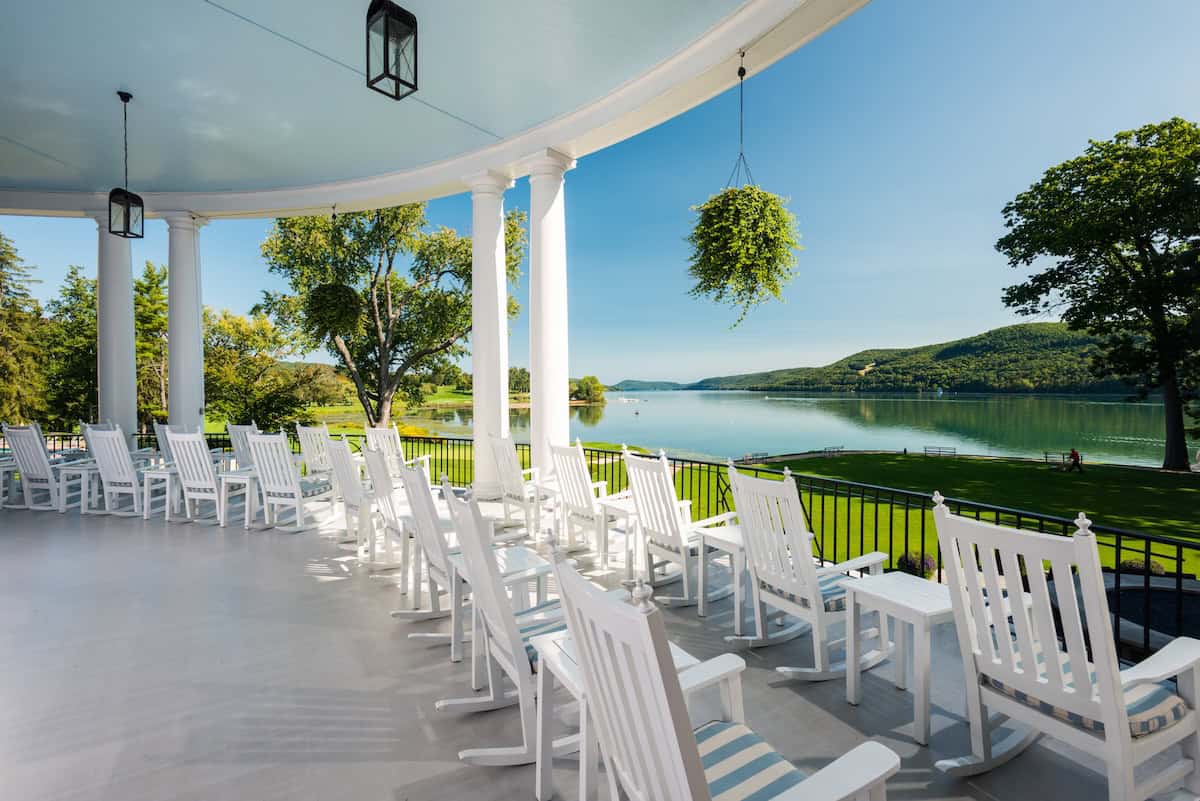
Although the resort feels private and secluded, set off from the street with an expansive lawn behind stone pillars, The Otesaga Resort is an eminently walkable distance from downtown, restaurants and lounges, and all of Cooperstown’s major attractions.
A Resort Rich In History
This sprawling lakefront resort was commissioned by the Clark family (brothers Stephen Carlton Clark and Edward Severin Clark) in 1909.
Remarkably, the same family still operates the resort more than a century later, making it one of the country’s oldest hotels under its original family ownership. It has been a member of Historic Hotels of America since 1994.
Moreover, the hotel’s history is inextricably tied to that of baseball:
- Its founders also established the National Baseball Hall of Fame.
- The hotel hosts the summer Hall of Fame induction ceremony held each year.
- Some of its guests have included baseball greats like Babe Ruth and Willie Mays.
Lakeside Luxury: Something for Everyone
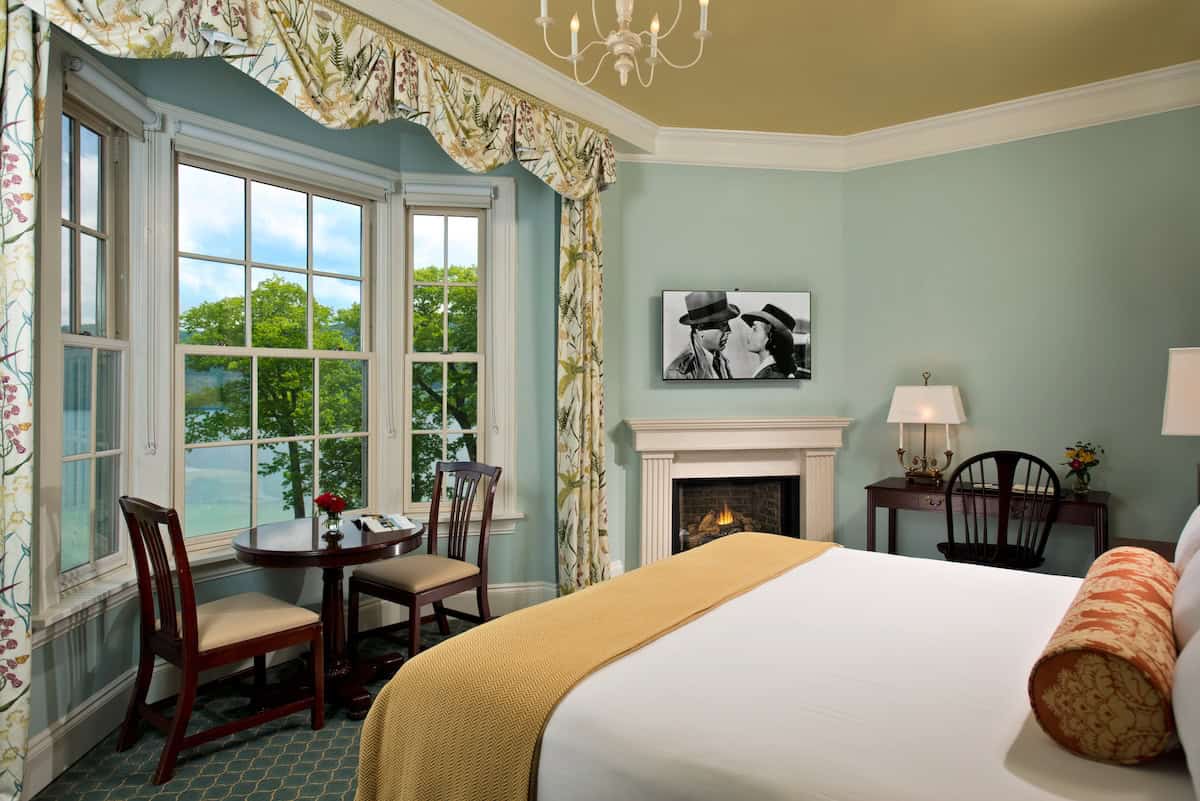
The four-star hotel features 135 guestrooms and suites, as well as 700 feet of glistening shoreline on the lake. The rooms, many of which offer expansive water views, are tastefully furnished with country-style decor, plush bedding, and modern amenities.
If your road trip itinerary allows you to stay a couple of nights or more, Otesaga offers a full menu of dining and recreational options on-site.
Despite its storied baseball legacy, the resort is also known for its breadth of recreational options. These include tennis and pickleball courts, bike rentals, fishing, and water sports (including boating, kayaking, and paddleboarding on the lake). Swimmers enjoy the heated outdoor pool. And it’s not uncommon to see kids playing baseball on the hotel’s back lawn.
Golfers flock to the hotel’s lakefront 18-hole championship Leatherstocking Golf Course, designed by Devereux Emmet. The course has been designated a certified “Audubon Cooperative Sanctuary.”
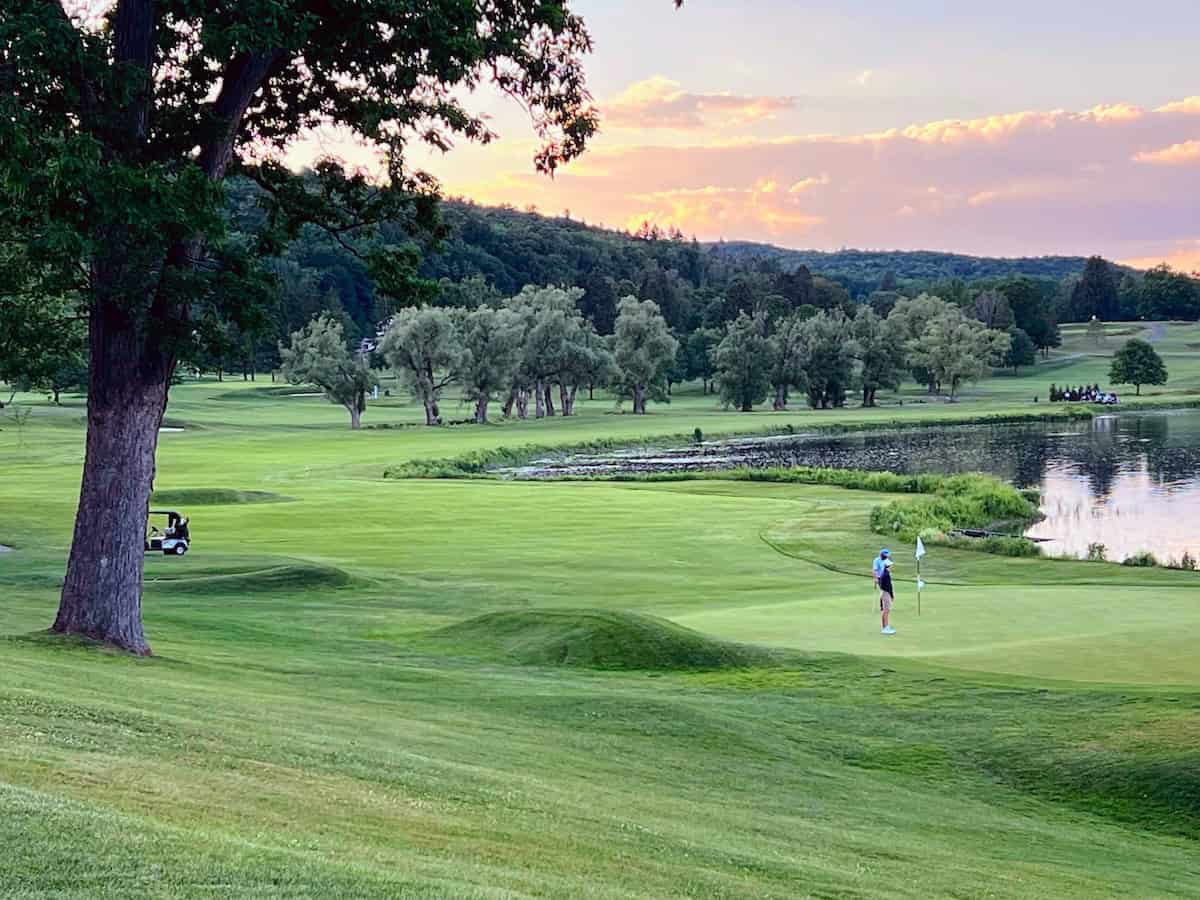
The intimate Hawkeye Spa, open daily, offers a menu of massages and facial treatments. Guests also have access to the 24/7 fitness center.
Resort Dining Venues
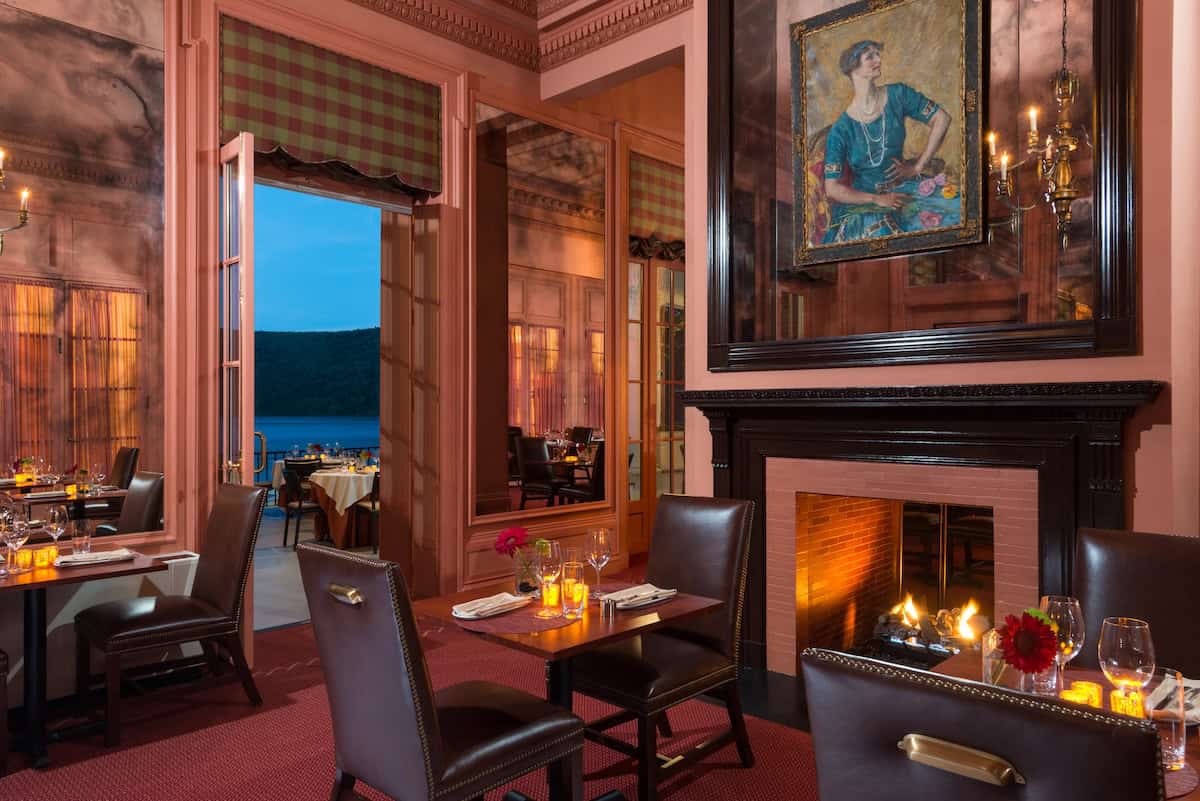
The hotel has several on-site dining venues: The Hawkeye Bar & Grill features a seasonal menu of pub-type food and regional specialties, with indoor bar and table seating and outdoor patio service.
The lobby-level 1909 restaurant offers crafted steaks and fresh seafood, with outdoor seating, weather permitting.
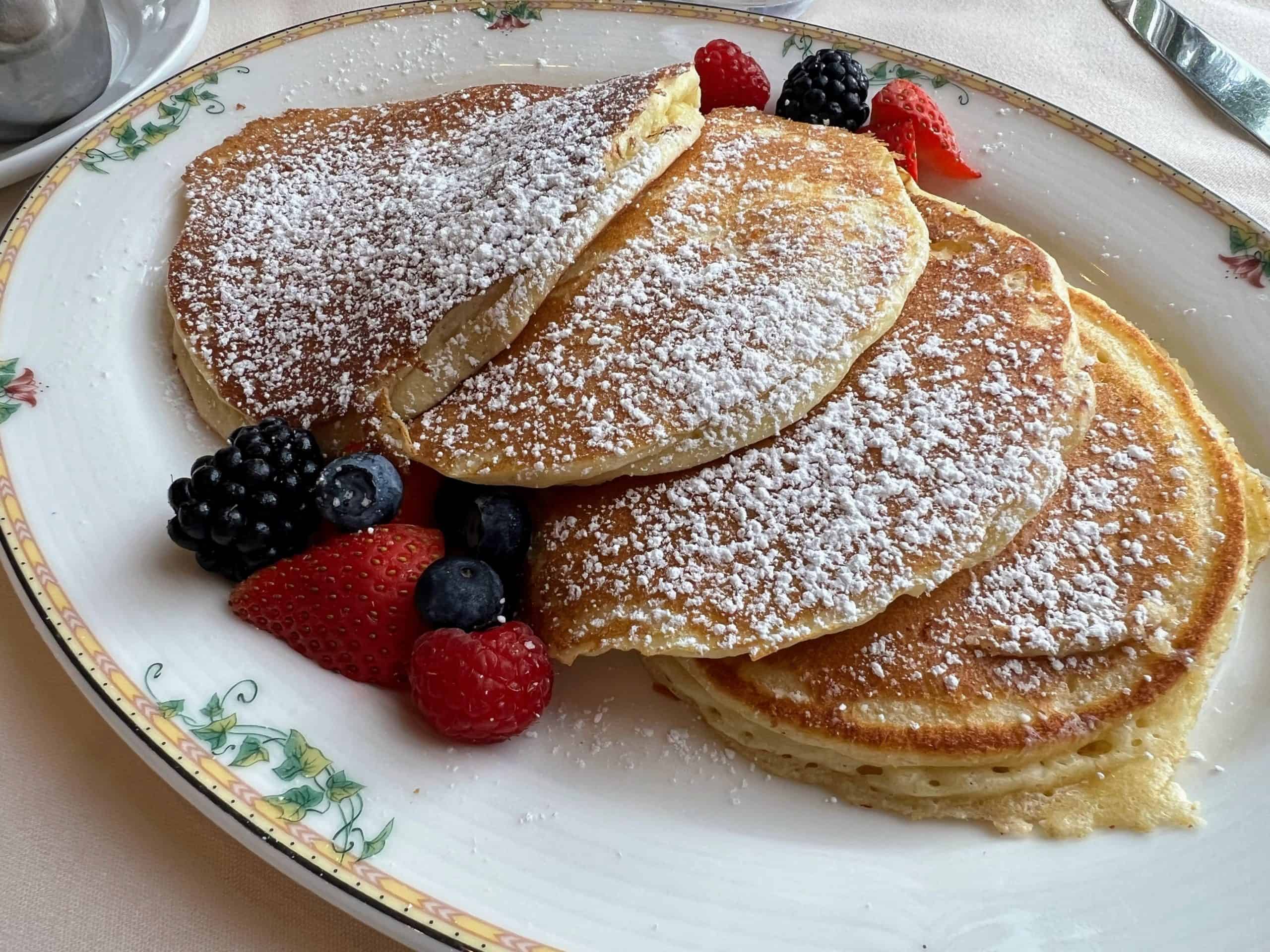
Breakfast is served at Glimmerglass restaurant, a banquet room with high ceilings, large chandeliers and window views. Guests can order a buffet breakfast or choose from the menu.
The elegant room shares its name with the summer Glimmerglass Festival that draws international visitors to professional opera and musical performances, held beside the lake about eight miles north of the village.
One of our favorite places to sip an aperitif or an after-dinner drink and meet other guests is by the fire pit, facing the lake.
Open year-round, the Otesaga offers overnight packages in partnership with the museums in town, as well as a free entry pass to all three of the village’s museums.
Is There A Best Time For A Cooperstown Road Trip?
Conventional wisdom suggests that early fall (September to October) is the best time to visit Cooperstown. The cost of accommodations is less than in summer, there are fewer tourists, Little Leaguers and their parents are gone, and, if you’re lucky, the leaves are beginning to turn colors.
Admittedly, the town’s population swells multifold in summer. However, this is when Cooperstown feels vibrant and most alive. There may be crowds, especially on weekends, but we didn’t experience them mid-week in June. If you’re an intrepid baseball enthusiast, you may even decide to plan your visit to coincide with the Hall of Fame Induction Ceremony.
One more suggestion: On your way home, make it your business to head to the nearest Stewart’s Shops, a rapidly expanding brand in upstate New York. (There’s even a Stewart’s on Chestnut Street in Cooperstown, just outside the historic village.)
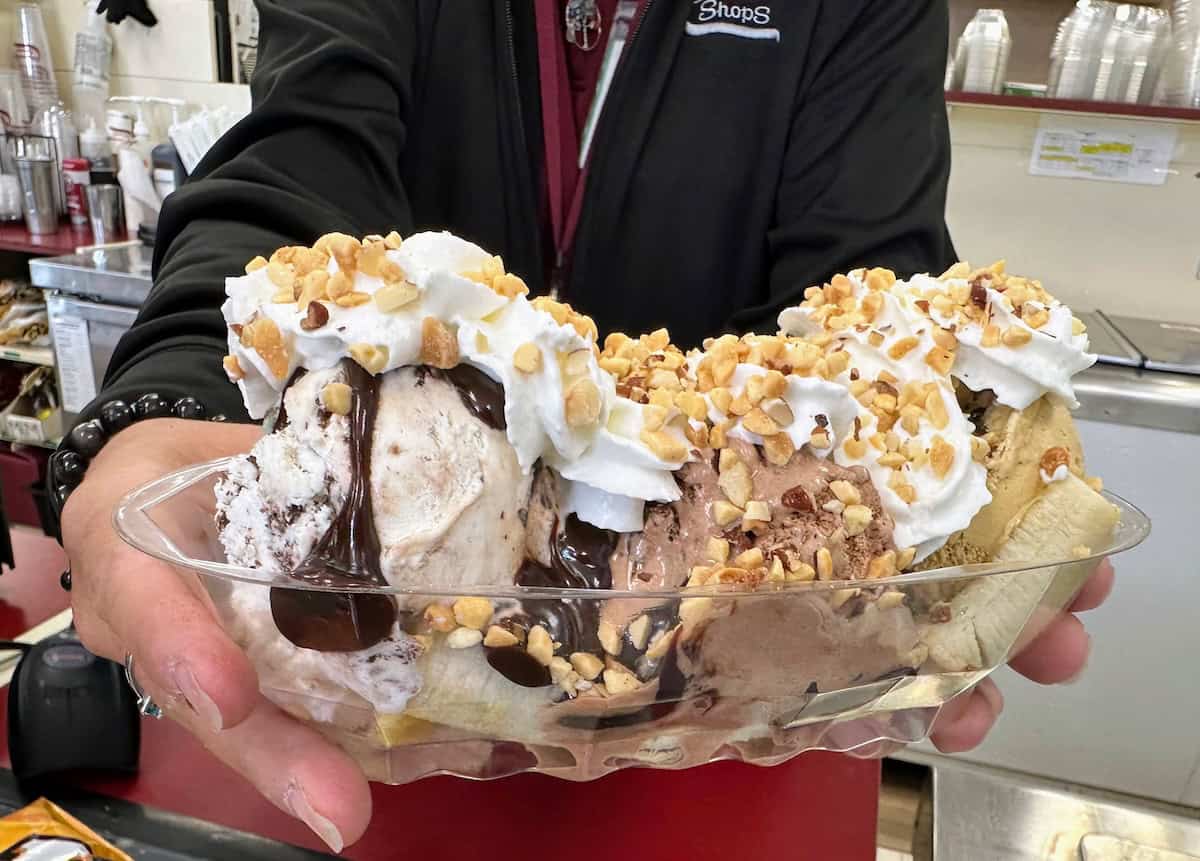
Aside from filling up your gas tank and taking a restroom break, you’ll be able to indulge in a summer favorite. The convenience store chain is known for making its own award-winning slow-churned ice cream with fresh milk from local farms, available in 60 mouth-watering flavors.
Disclosure: Our trip was sponsored, in part, by the Otesaga Resort Hotel and the Cooperstown DMC, but any opinions expressed in this post are our own.
IF YOU GO
Save to Pinterest!!