Tokyo Night Food Tour: A Gateway to Japanese Culture
One measure of a high-quality food tour is its ability to deliver insights that go beyond cuisine.
Our three-hour Tokyo Night Food Tour in Shibuya with Context Travel lived up to the promise. It was more than just a culinary experience; it also introduced my husband and me to the destination’s culture and traditions.
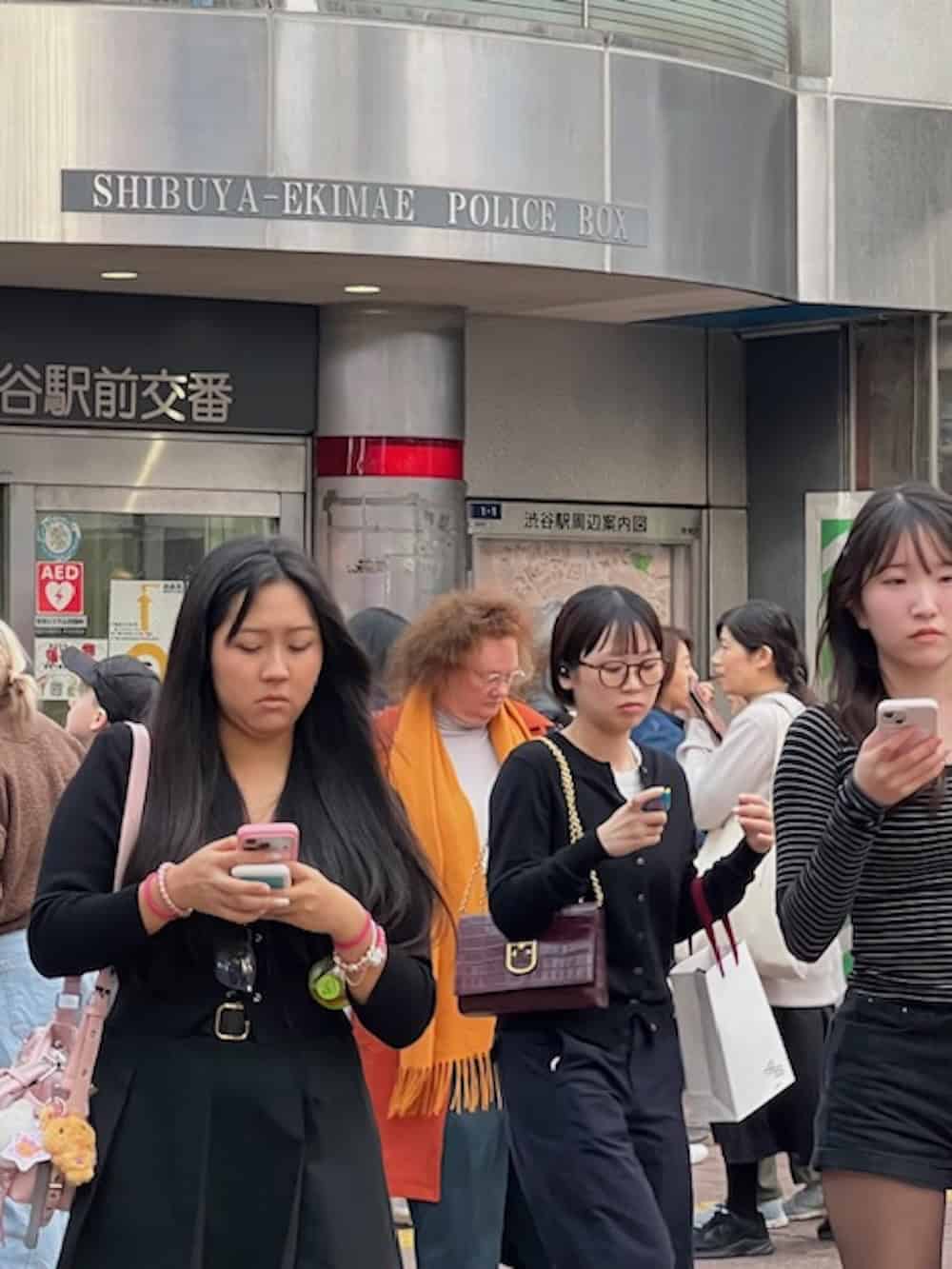
Our meeting point for the tour was the Shibuya Station Police Box, located right outside of the Hachiko exit, one of the train station’s dozens of exits. Context sent us a picture of the shoebox police station so we could easily identify it, along with a photo of our guide, Marie-Anais.
Learning to Cross the Street in Tokyo
After introductions, our first adventure was navigating from one side of the street to the other. The Shibuya street crossing is one of the most complicated and recognizable in the world. It’s immortalized in images everywhere, including the iconic 2003 film Lost in Translation, starring Bill Murray and Scarlett Johansson.
Also known as the “Shibuya Scramble,” this famous intersection uses a unique traffic-scramble system. When the lights change, all vehicular traffic stops, allowing pedestrians to cross simultaneously from any point. During rush hour, an astonishing 1,000 to 3,000 people cross the street every two minutes, making the chaos of New York City’s Times Square seem tame by comparison.
Why is it so busy? In addition to housing one of Tokyo’s major train stations, the area is a dining, shopping, and entertainment hub. This spot is often seen as a symbol of the city’s lively, yet orderly, chaos. Also, adding to the crowds, we visited during cherry blossom Season, one of the busiest times of the year for visitors from around the world.
We kept close behind our guide, Marie-Anais, as she navigated through the dense crowds. French-born, she had studied at the École du Louvre in Paris before embarking on a career as a guide in France. She explained that she moved to Japan for love—and marriage—where she continued working as a guide.
Over the years, we have found that expats can be exceptional tour guides because they tend to spot things natives overlook. In addition to having excellent English skills, Marie-Anais shared her experiences as a relative newcomer to Japan.
Our Three-Hour Six-Stop Itinerary
1- Taiyaki: Tasting a Traditional Street Food

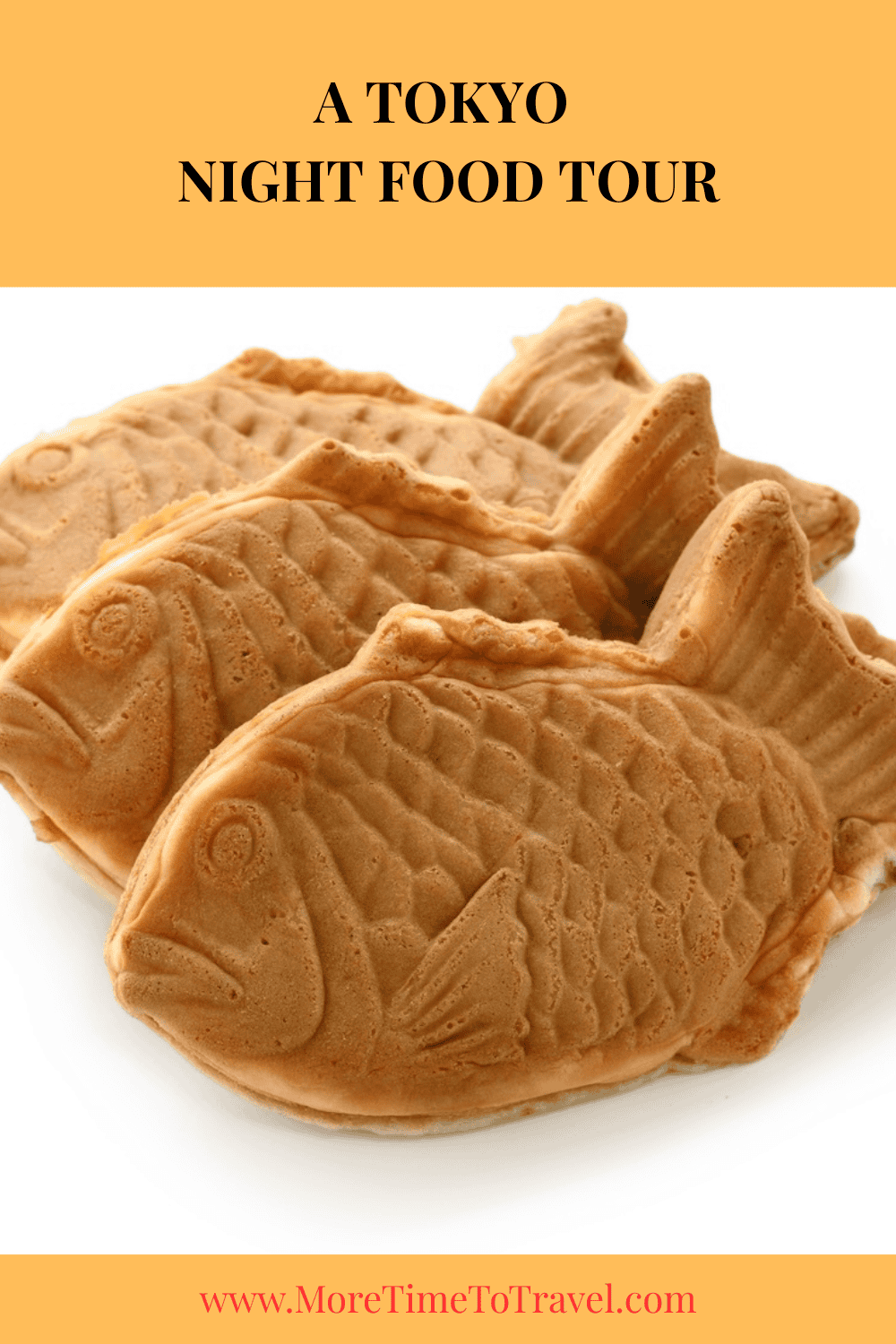
Our food explorations started at Taiyaki Sawada, a rapidly growing chain serving taiyaki. This street food is a cross between a waffle and a cake, shaped like a sea bream (a fish considered to represent good luck). This traditional pastry, cooked on a griddle, was offered with a choice of four sweet fillings: chocolate, custard, red bean and matcha.
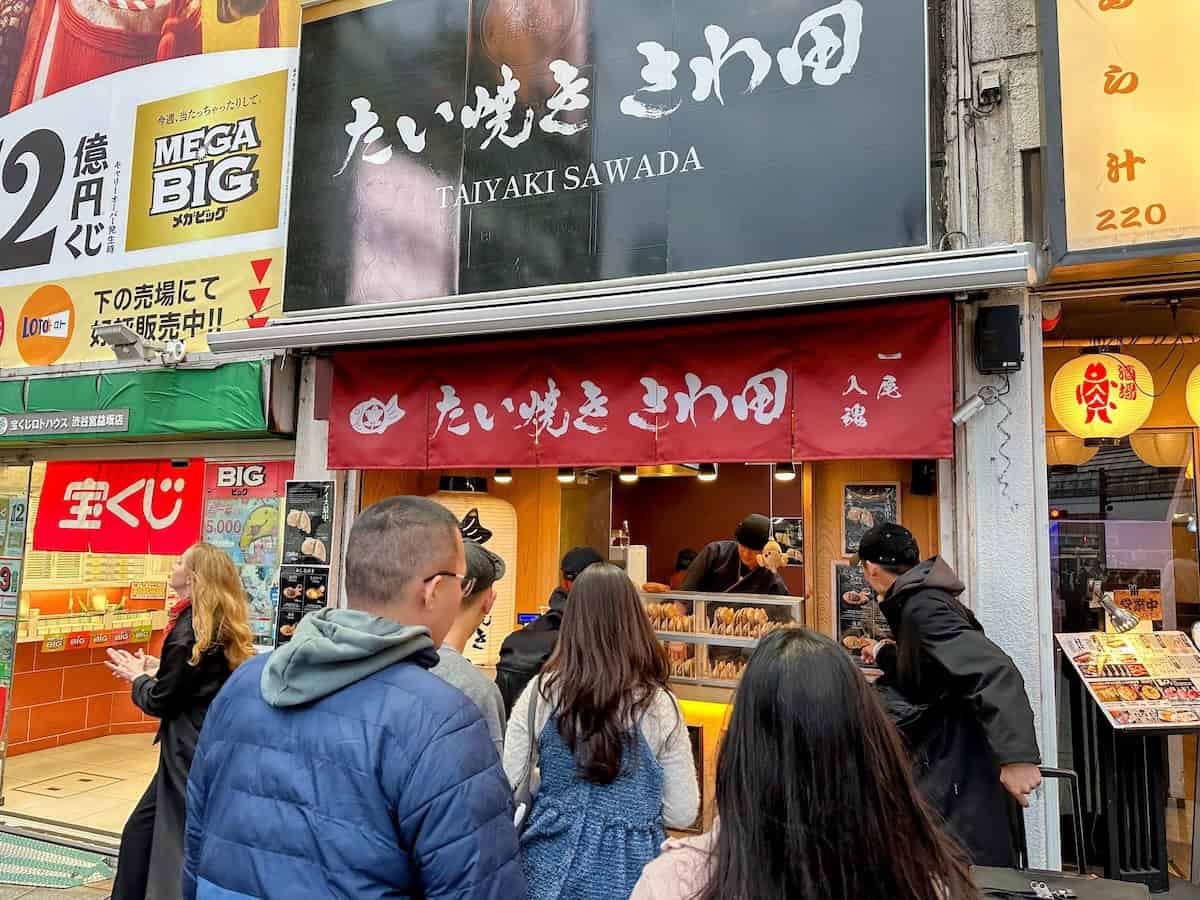
We joined the line of locals at the walk-up window and chose to share a decadent custard-filled fish. Although delicious and memorable, it put a dent in our appetite from the start.
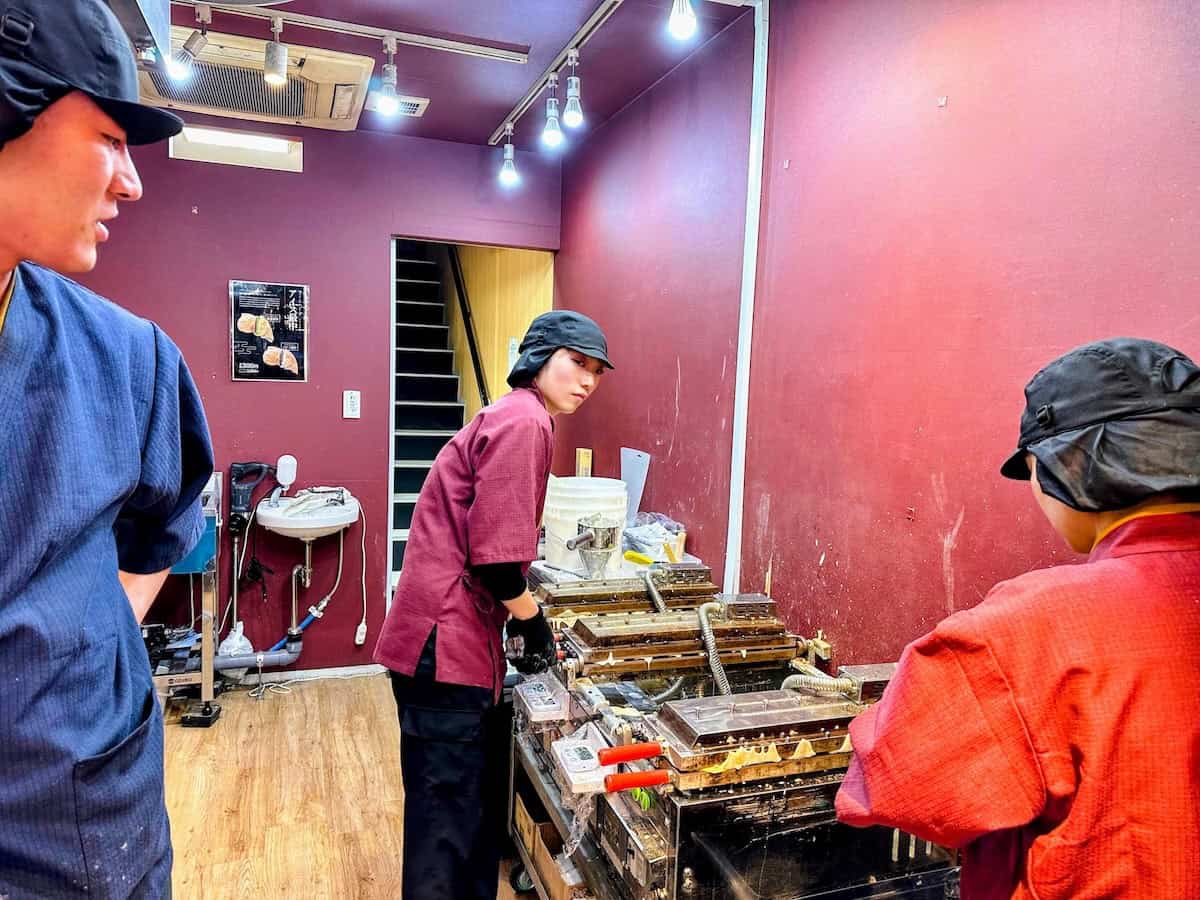
Because our treat was served on a napkin, our guide explained that there were very few trash cans in Tokyo and that we should carry the garbage to our next stop.
2- A Cultural Fixation on Fancy Fruit
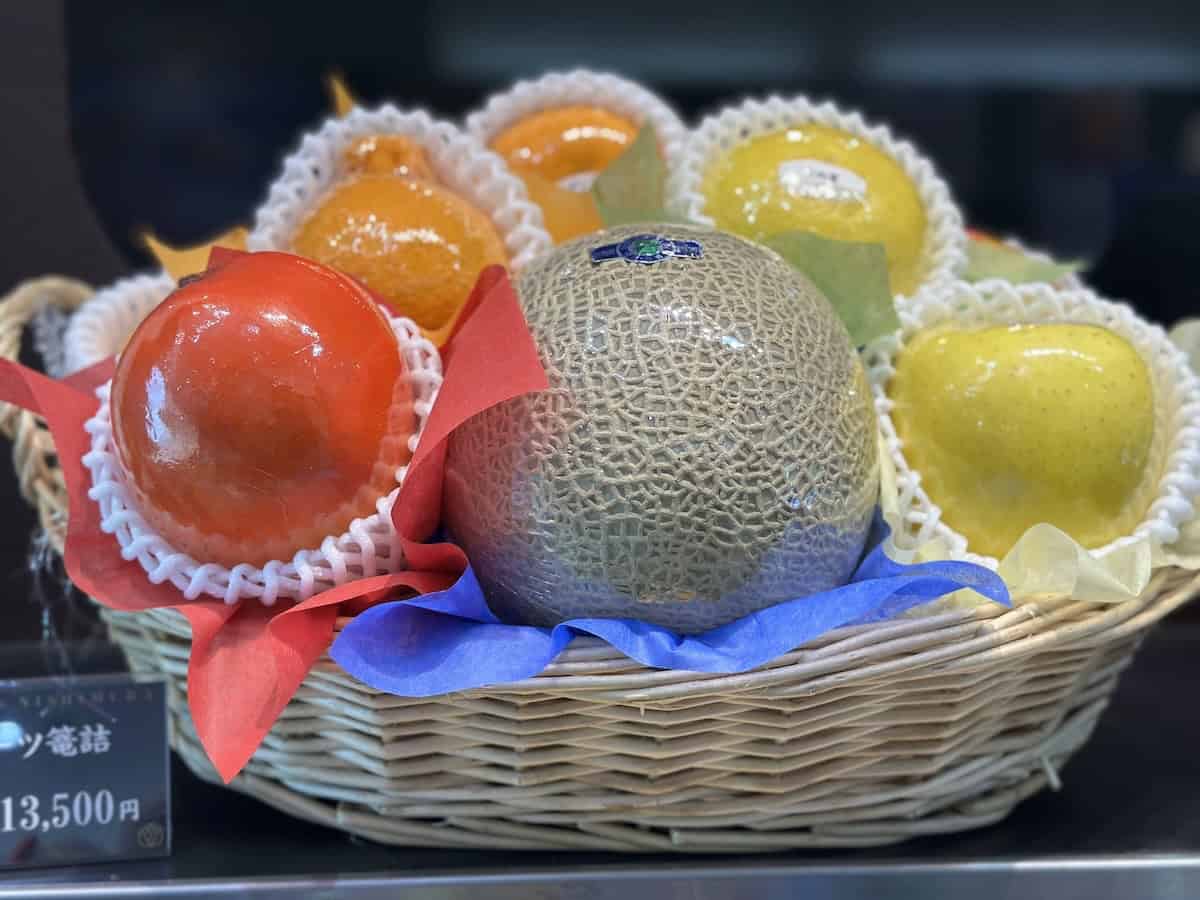
Japanese food is generally of high quality, but we were especially impressed with the quality of each piece of fruit we had eaten for breakfast at our hotel, Hotel 1 Tokyo: kiwi, pineapple, melons, strawberries, blueberries and passion fruit.
So we were pleased that our next stop was at Shibuya Nishimura Fruits Parlor, a small emporium filled with “perfect” and extraordinarily expensive fruit.
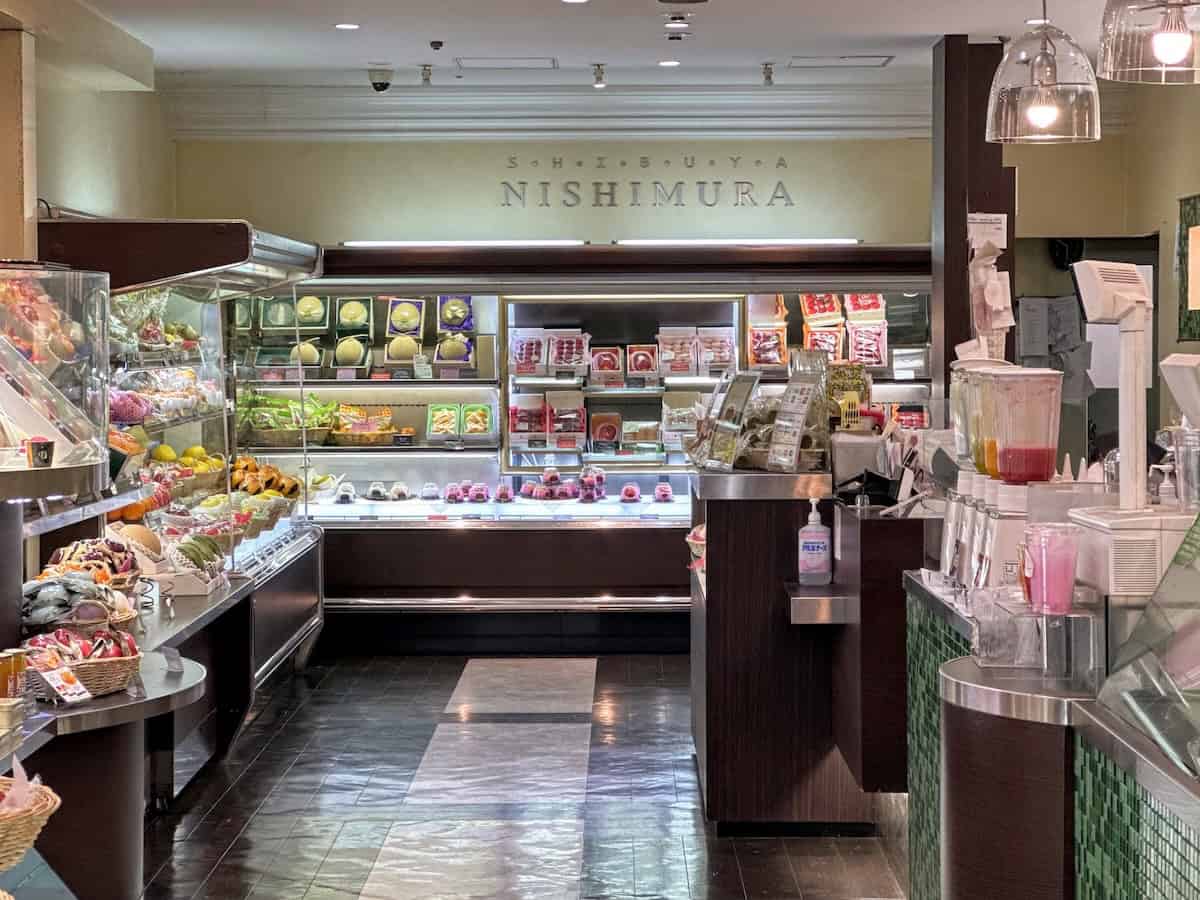
Our guide explained that Japan is a gift-giving culture and that a perfect piece of fruit, or a basket, is traditionally considered a luxury gift. Beautiful wrappings and ribbons are always part of the proverbial package with fruit often gifted to bosses, colleagues and friends.
We were taken aback when we saw melons that could cost up to $200 each.
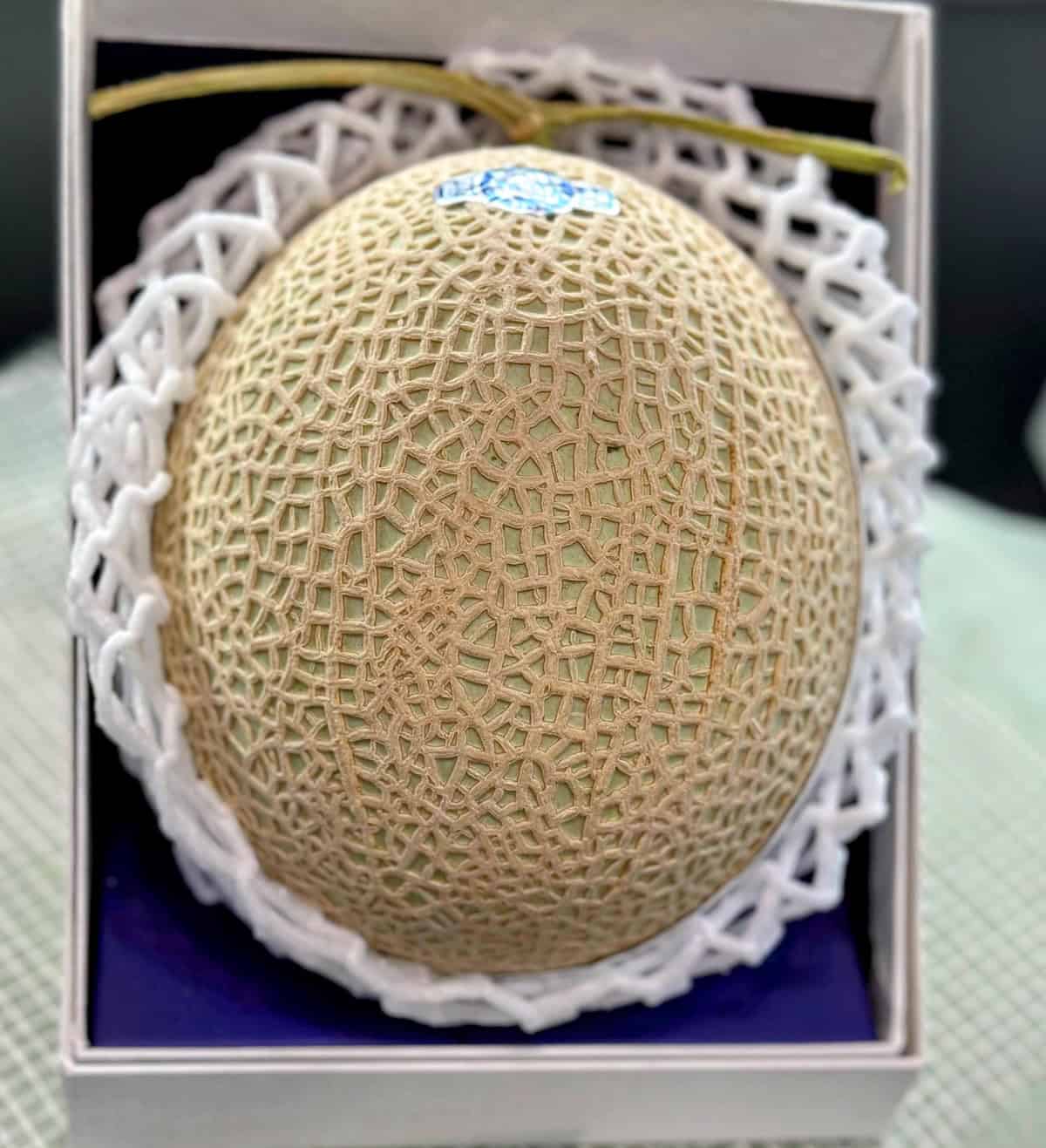
They were perfectly shaped, blemish-free and were said to be as sweet as sugar. We learned that a farmer might prune a vine of all other melons so that all the nutrients from the roots are provided to one precious specimen.
3- A Conveyor Belt Sushi Restaurant
We took an elevator off the street (many restaurants in Tokyo are located on the upper floors of buildings) to Kura Sushi, a popular Japanese conveyor-belt sushi chain. As with much of our experience in Tokyo, we faced a queue and waited until an electronic bulletin board flashed our number, signaling it was our turn to sit down.
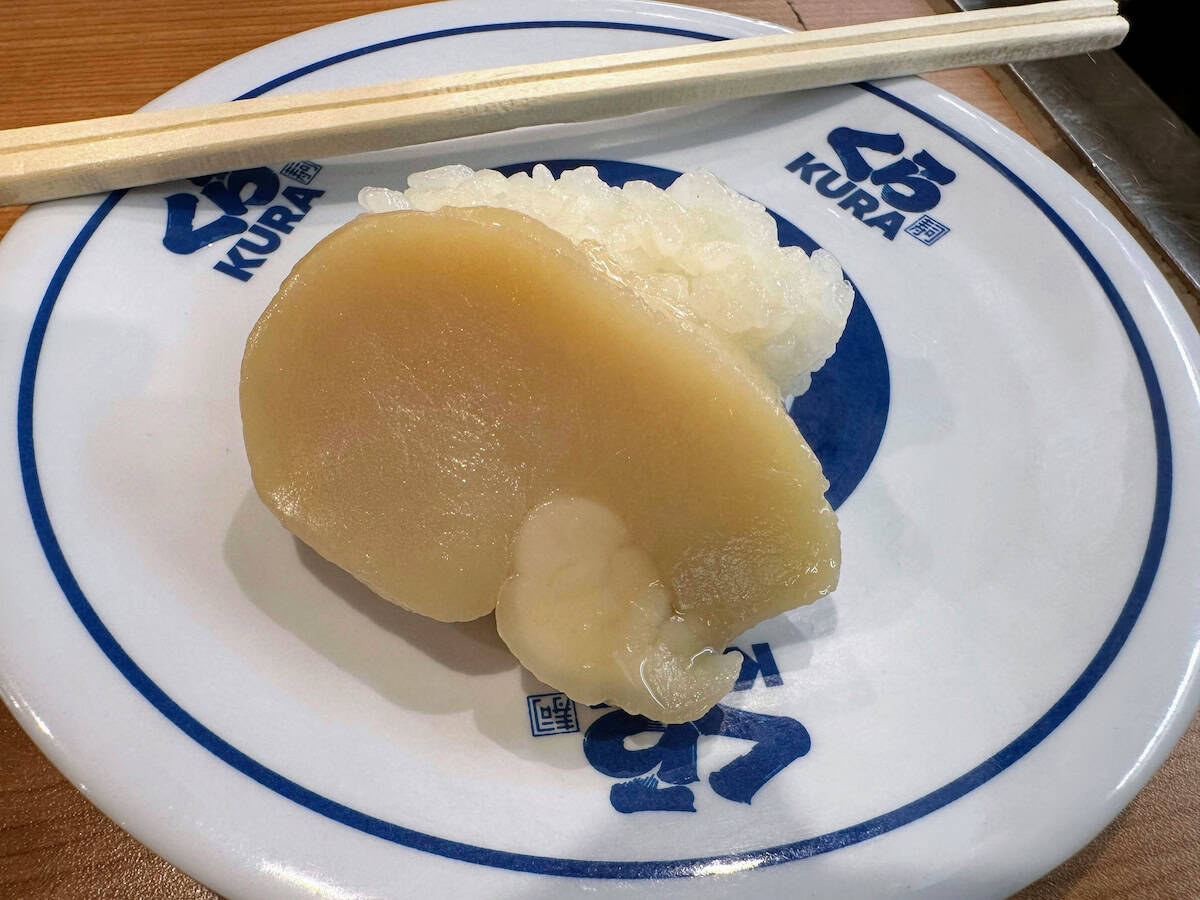
The busy and relatively inexpensive sushi restaurant was lined with tall wooden booths affording diners a modicum of privacy in a city where it’s not often easy to get away from people.
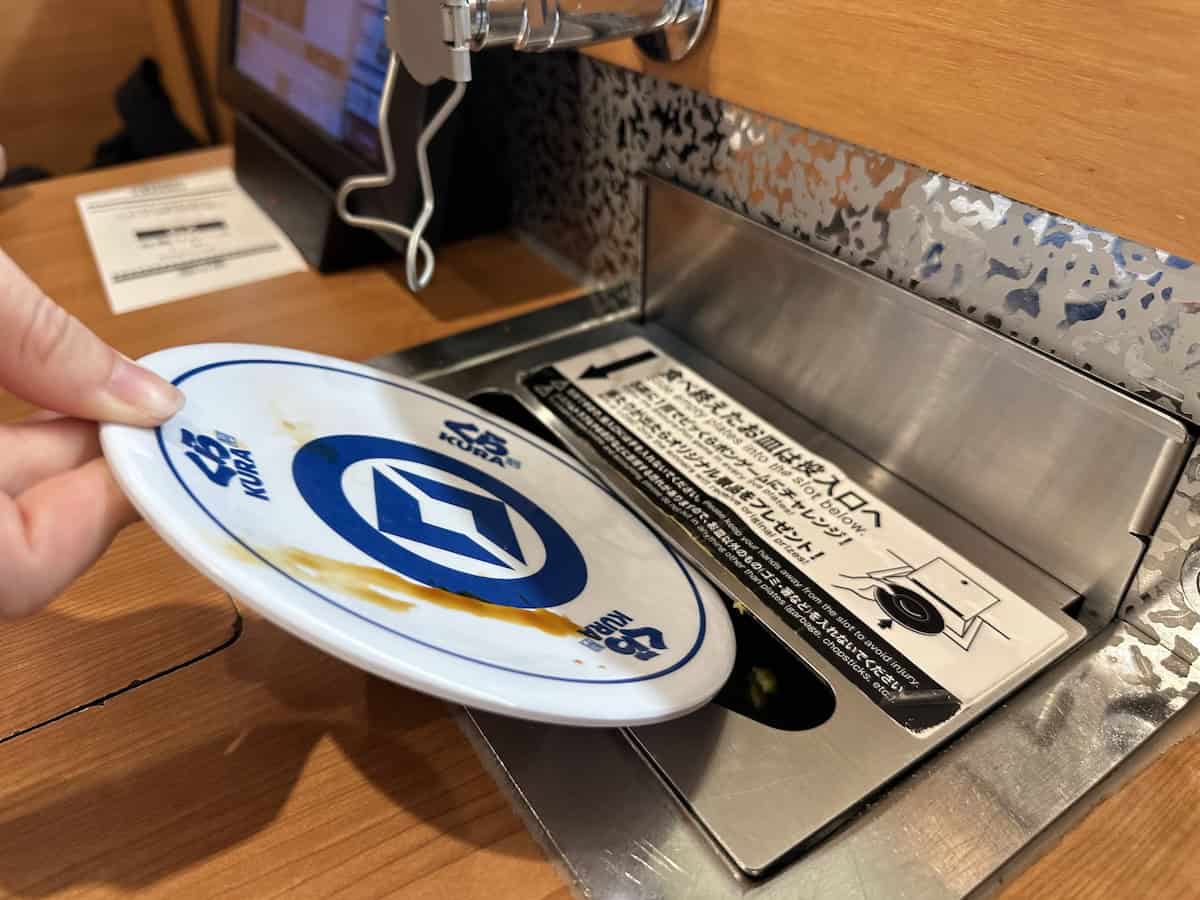
Marie-Anais helped us order our meal as the conveyor beside the table carried small dishes of sushi from booth to booth. The lively setting seemed to be a real hit with children and teens in adjoining booths.
4- Confectionery Food Art
The Tokyu Food Show was in the basement of the Tokyu Department Store. It was filled with more than 80 different concessionaires selling culinary delicacies, including pastries, candies, tea and more.
Each morsel looked like a miniature piece of art.
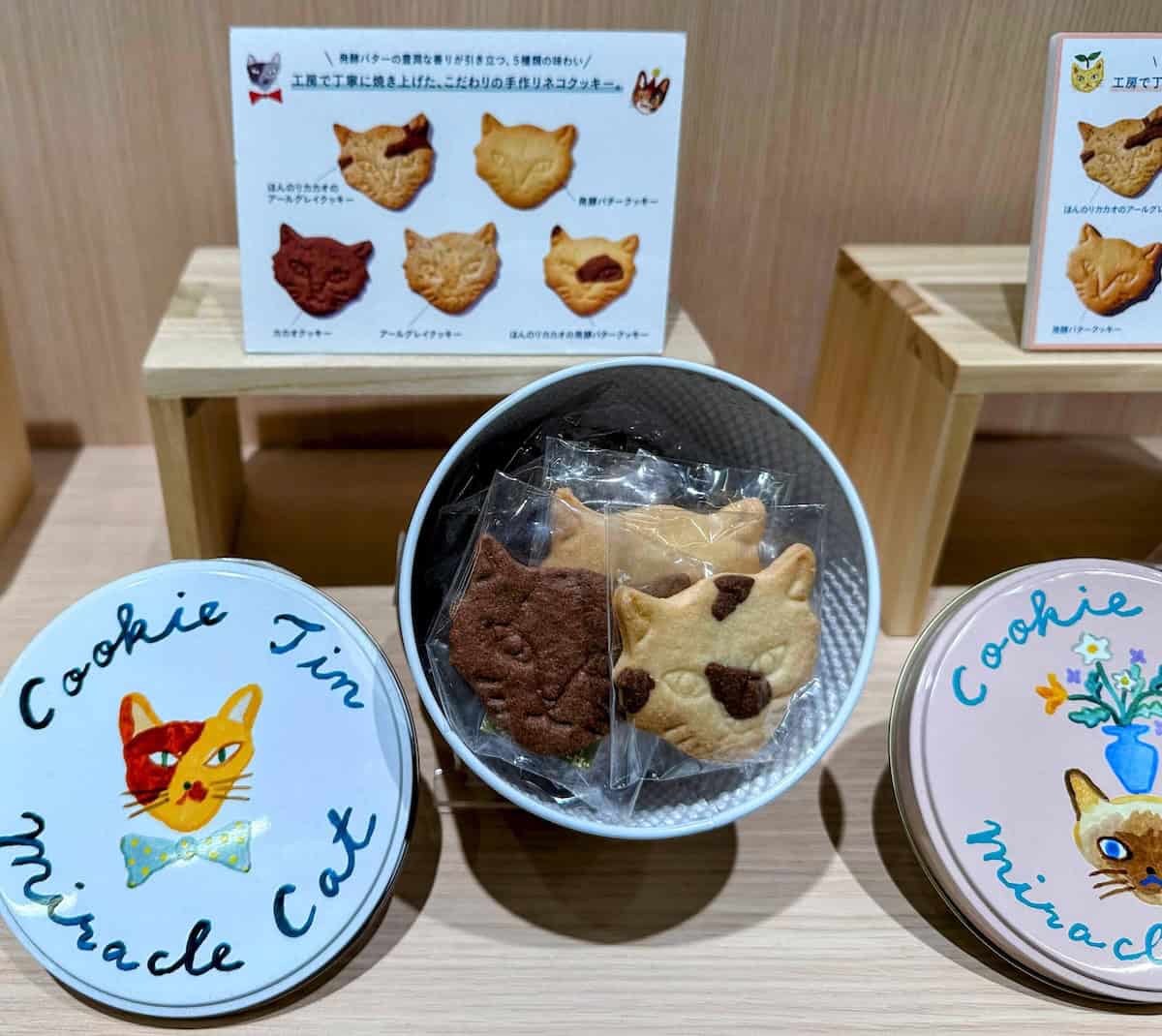
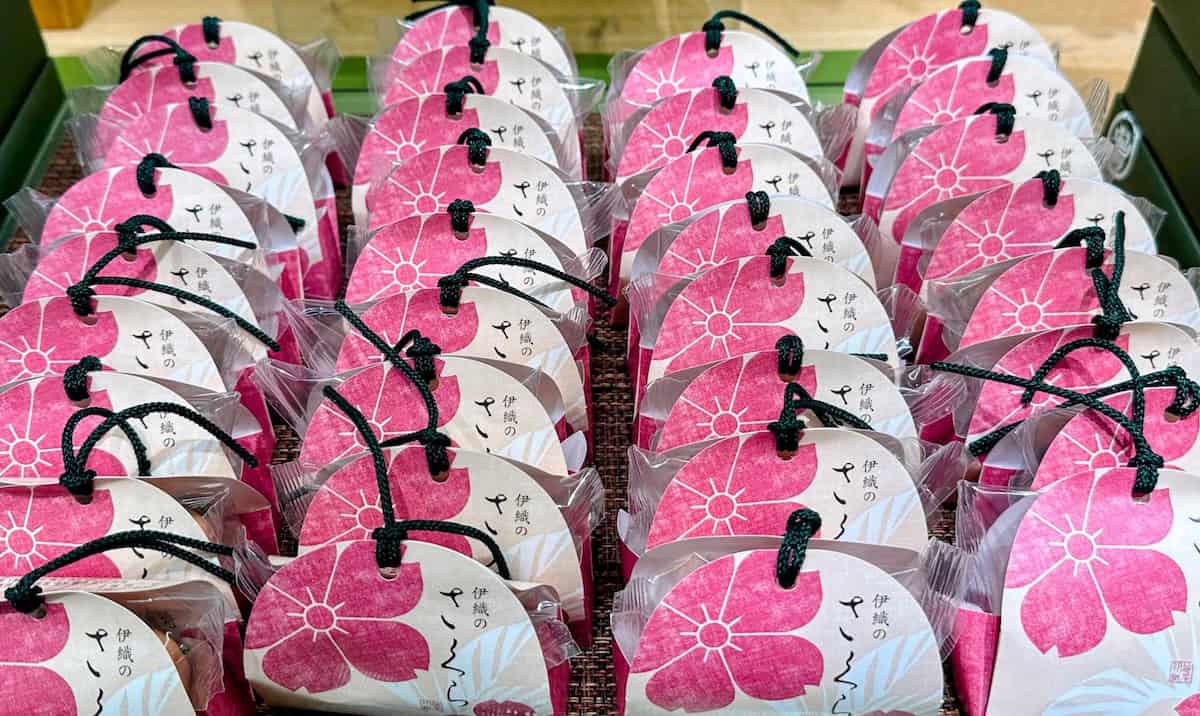
Many high-end department stores have food emporiums in the basement.
5- Accessibly Priced Sake
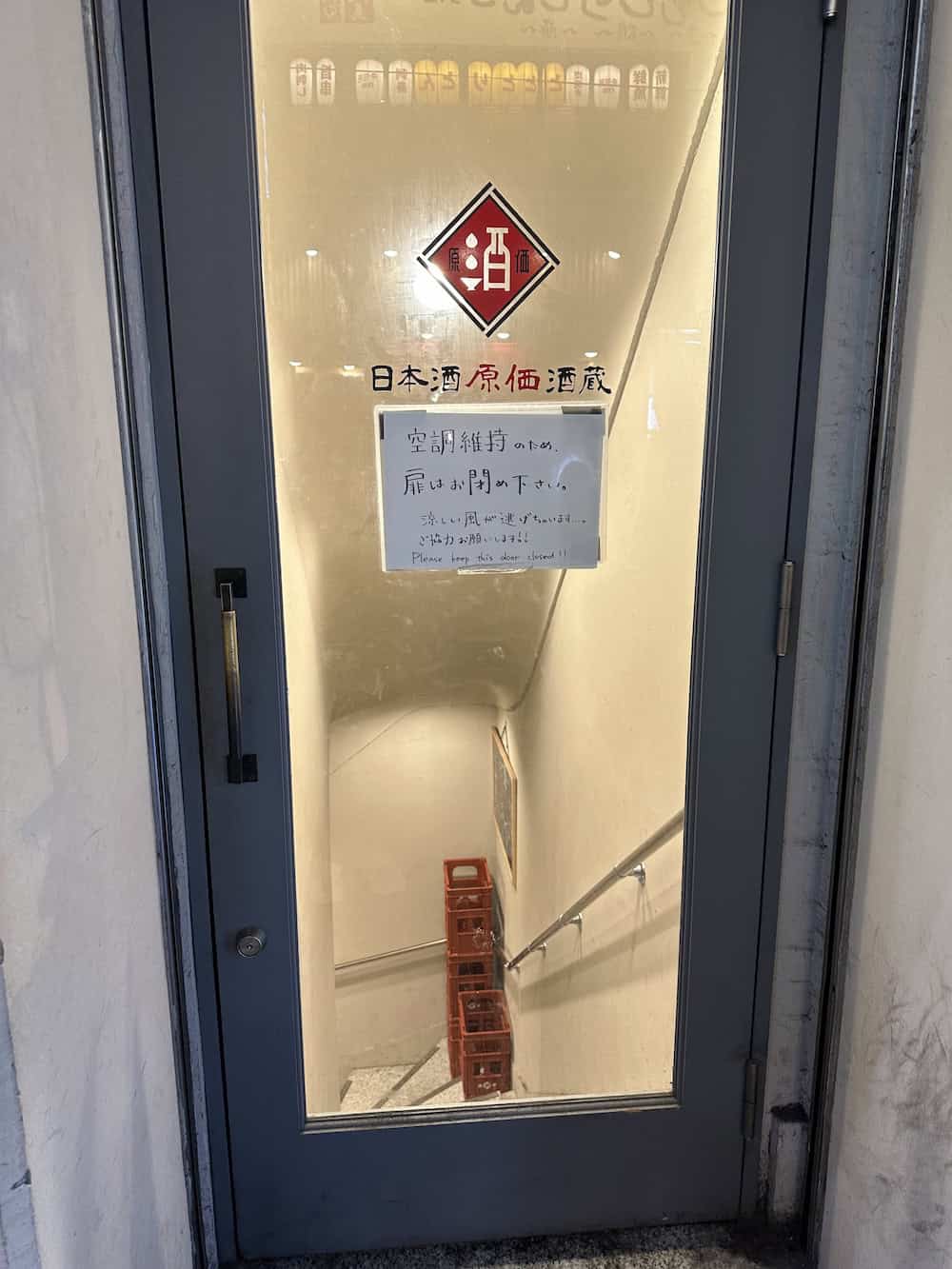
Nihonshu Genka is a budget-friendly restaurant/pub, where many Tokyoites head after work to drink sake (the traditional Japanese rice wine) and gather with friends.
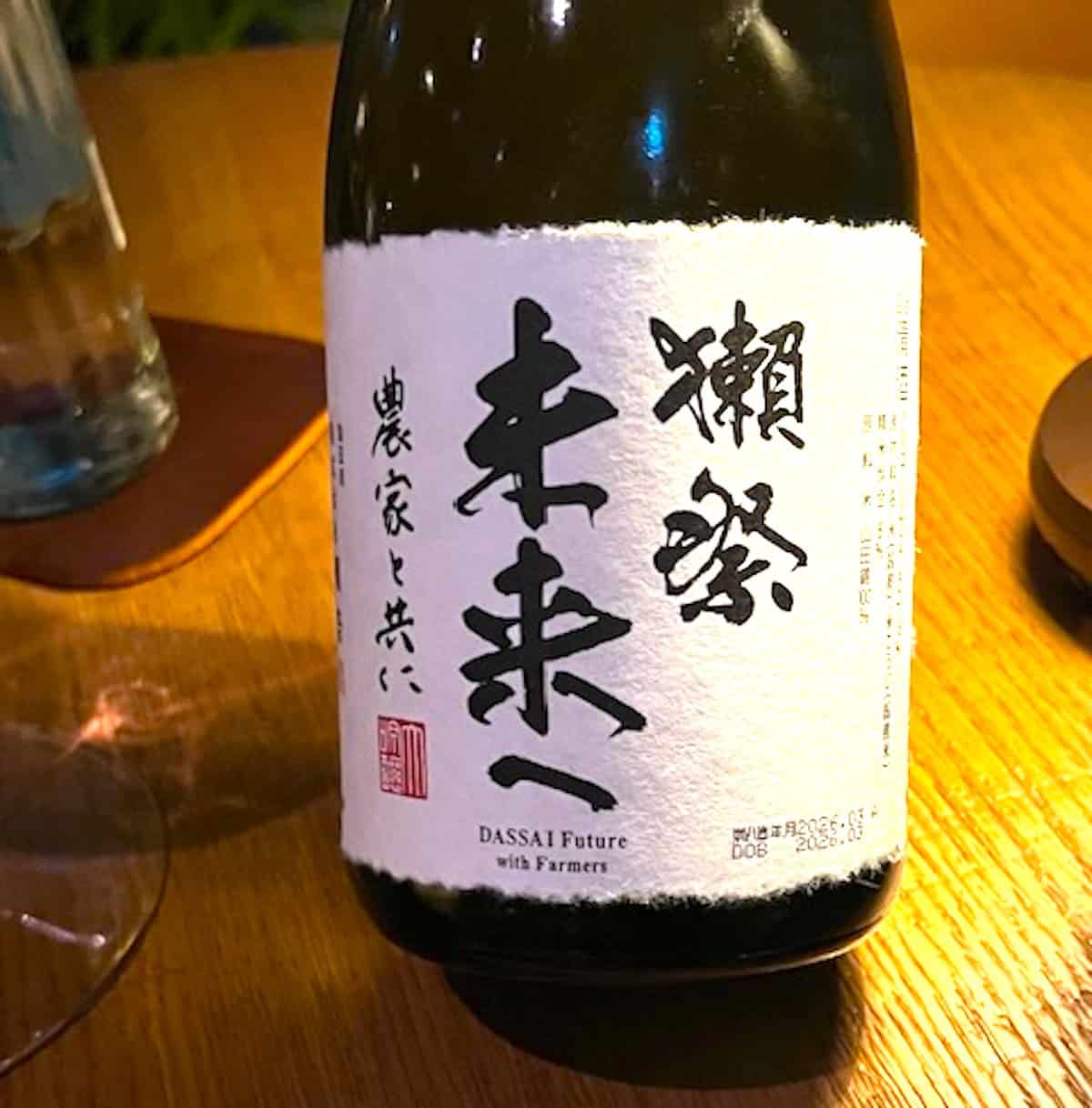
This type of informal restaurant with a bar and snacks in Japan is called an izakaya. From the street, you would never know it was there because it is reached via a long flight of stairs.
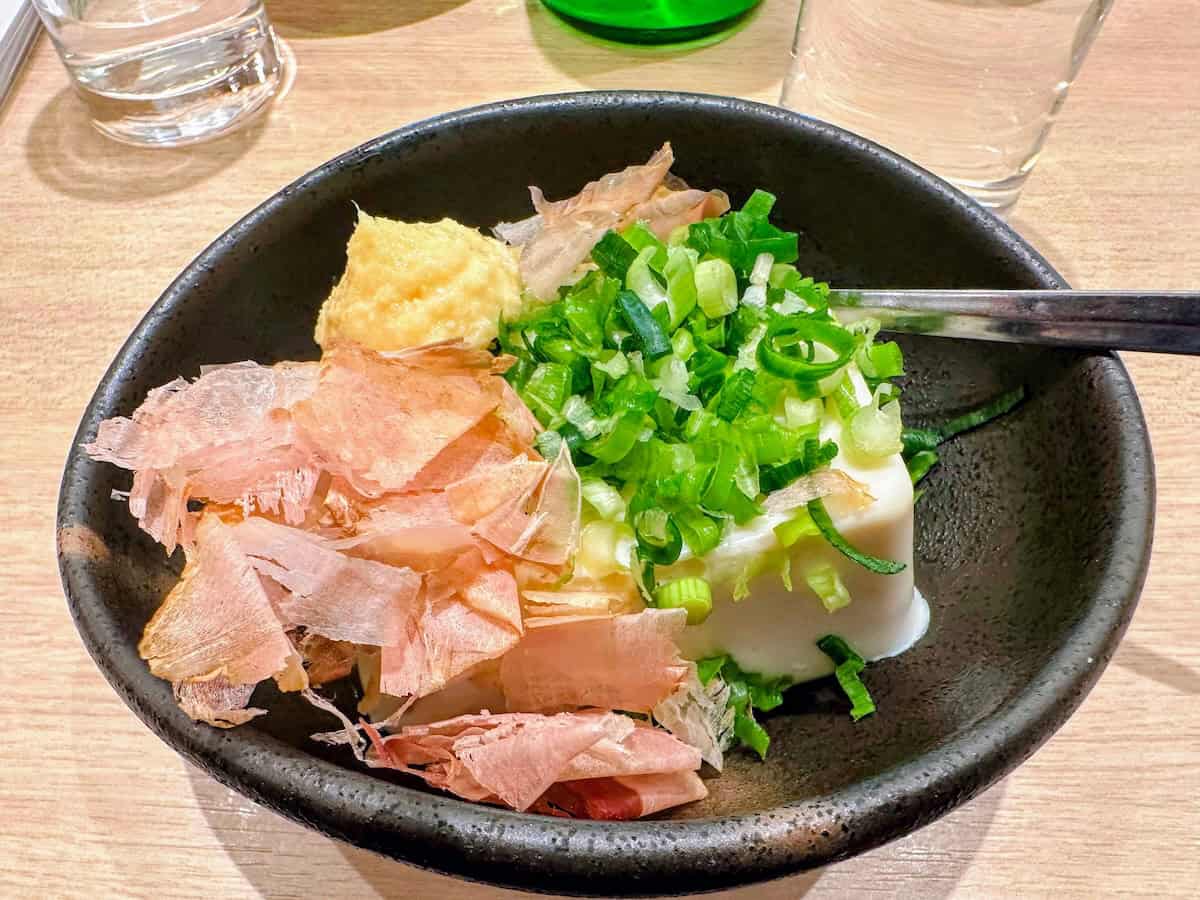
The restaurant’s refrigerators were stocked with more than 50 varieties of cold sake, supposedly sold at close to wholesale prices. So it wasn’t surprising to find the place filled with young people
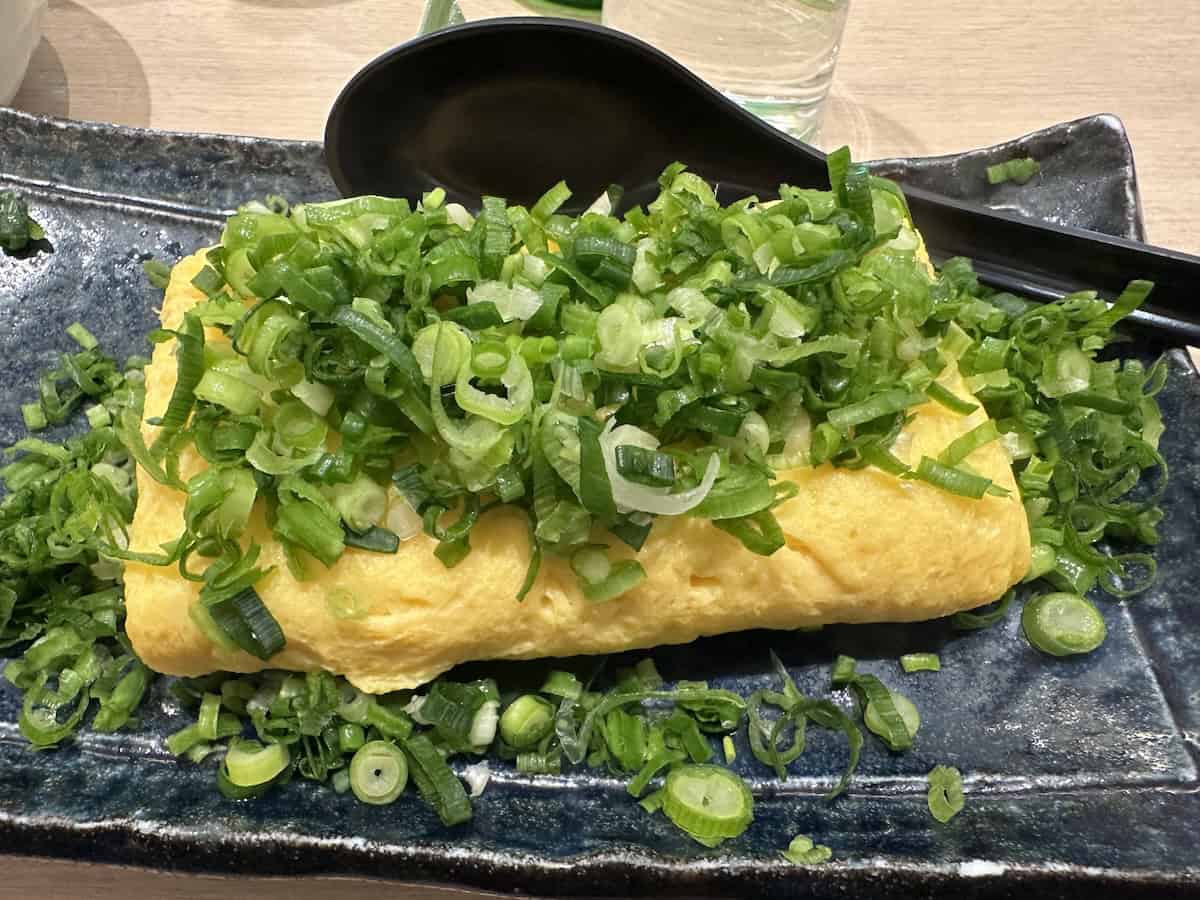
We were able to taste some traditional izakaya foods, including sashimi, a Japanese Rolled Omelet (sweetened with sugar and topped with green onions), which is eaten throughout the day, and Chicken Tempura Age Dashi.
6- Last Stop: A View from Above
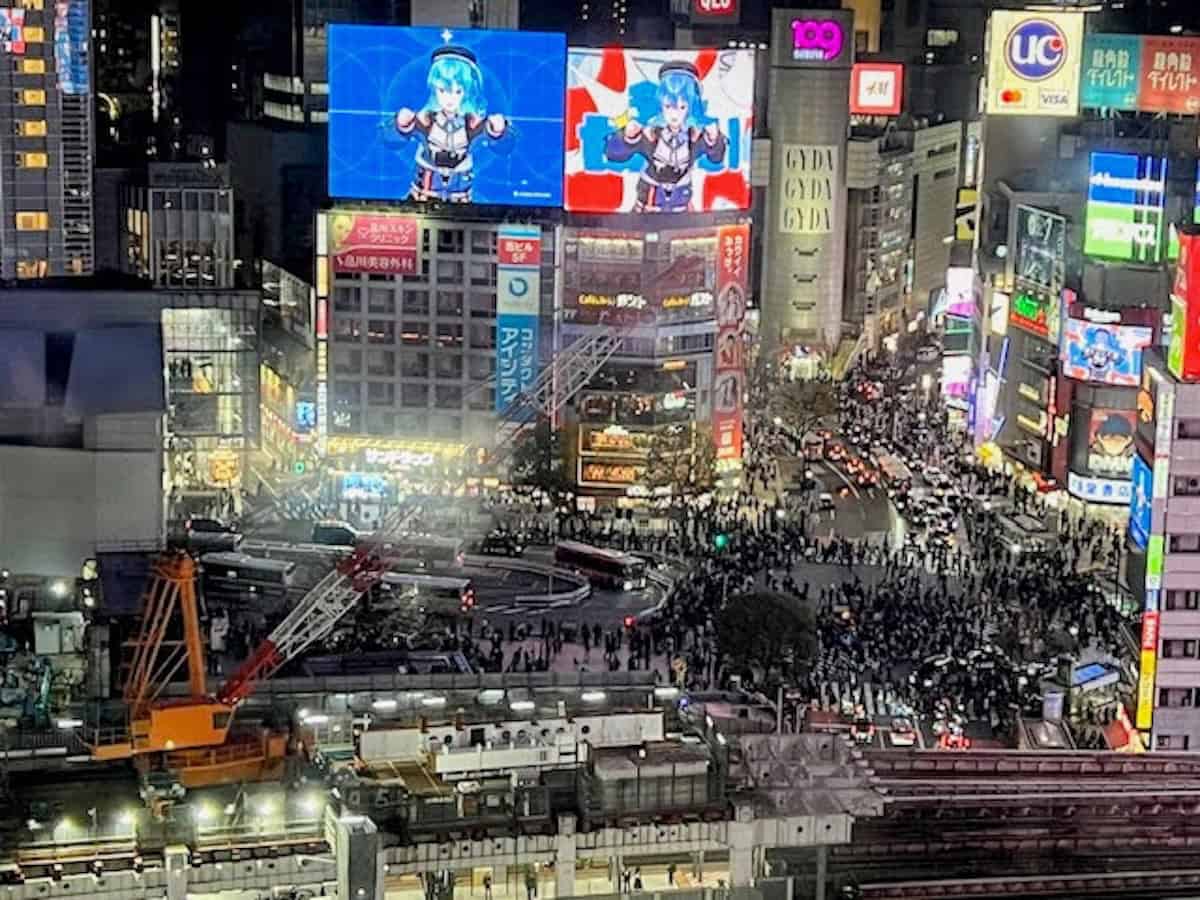
One of the best ways to view Shibuya Crossing is from above. As our last stop on the tour, Marie-Anais led us to a viewing spot at the top of the Shibuya Hikarie office building, a skyscraper with shops, restaurants, offices and a theatre.
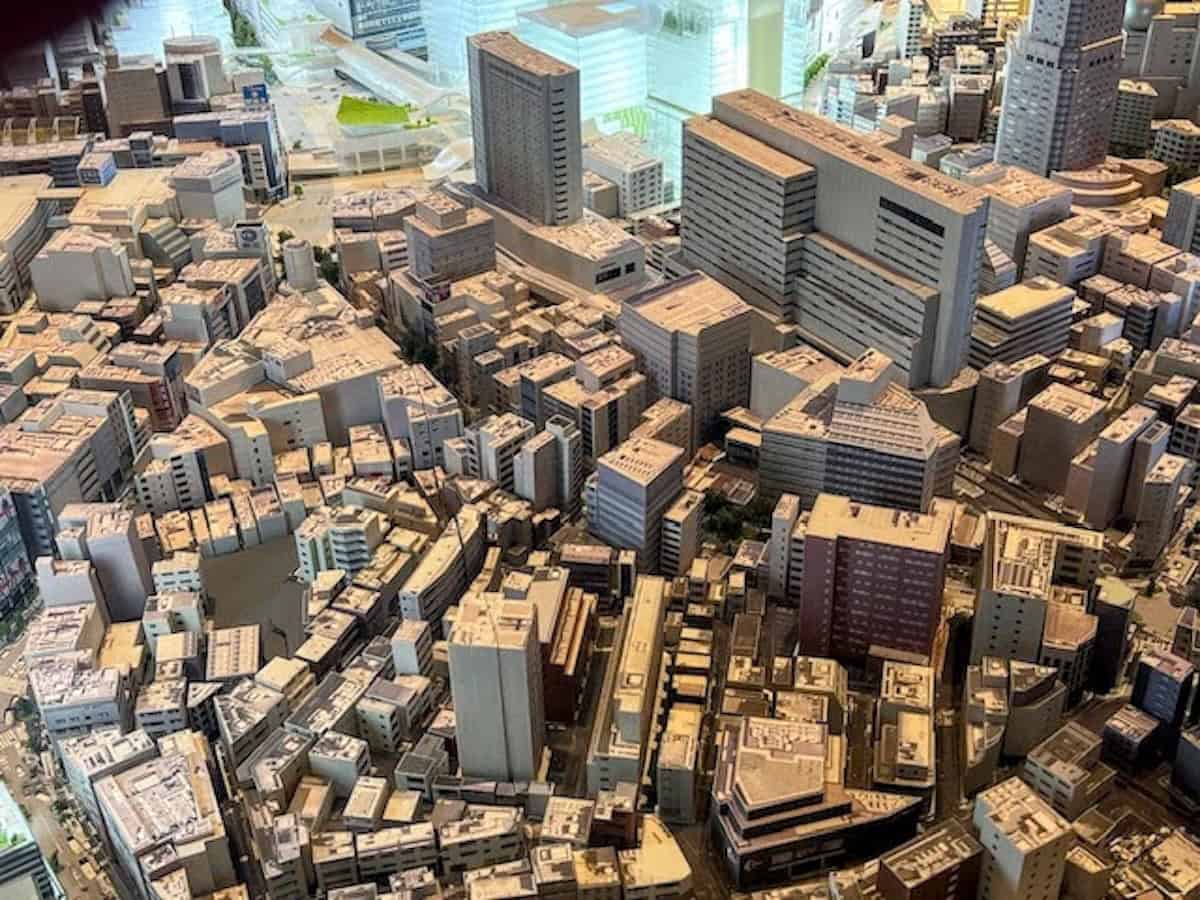
We headed up to the free, glass-walled observation deck, which afforded us a vantage point to see the streets below. Beside it was a scale model of the present and future of the Shibuya area.
One of the lessons I learned while writing this article was to be as careful as possible with Japanese spellings, which can look odd to the Western eye. I had originally spelled Hikari as Harakiri, the name of the Japanese ritual suicide by disembowelment.
Why We Chose Context Travel
Context Travel offers private and small-group tours in more than 70 cities worldwide. Unique in the industry, it draws tour guides predominantly from academia, experts in art, architecture, history and culture. We had previously taken tours with the company in China and Italy and were always more than satisfied.
As our tour was private, Marie-Anais was sensitive to our needs, slowing down and carefully managing any obstacles that might impede our walk. In a relatively short period of time, walking from one location to another, we got a sense of the vibrancy of the Shibuya area, its rich traditions and its modern sensibility.
Disclosure: Our Tokyo Night Food Tour was hosted by Context Travel but any opinions expressed in this post are our own.
Save to Pinterest!!





Wow! Looks fantastic, what a wonderful experience in so many ways!
Thanks! A once-in-a-lifetime experience!