Discover The Unique Culinary Treasures of Swiss Cuisine
One of the great joys of travel is experiencing the culinary treasures of a new destination. This often entails discovering new foods and dishes or the chance to taste ones you already know in “their terroir.”
If you are headed to Switzerland, prepare for some sensational tastes.
Swiss cuisine is as varied as Switzerland’s topography, with different regional ingredients, recipes, and traditions. Also, because it shares its borders with five other countries—Germany, France, Italy, Austria, and Liechtenstein—it’s common to find dishes that reflect a fusion of tastes from their neighbors.
Some 23 different Swiss agricultural products have been awarded the AOP (appellation d’origine protegee) designation from the EU, attesting to their high quality and artisanal methods of production. These include cheeses, meats, fruits, vegetables, breads, and spirits.
In addition, Switzerland offers more than 200 types of bread, many different kinds of sausages, cold meat, dried beef, and 250 grape varieties.
Here are some of the unique tastes of Swiss cuisine that await culinary travelers:
Swiss Cheese

While most Americans are familiar with the “Swiss cheese” produced in the U.S. (recognizable by its yellow color with holes) and available at almost every deli and sandwich shop, that cheese is a spinoff of the more flavorful Emmental Cheese you find in Switzerland.
Cheese is a staple in most Swiss kitchens and plays a pivotal role in the country’s economy. Switzerland produces over 450 different cheeses. In addition to Emmental, the most popular ones include Gruyere, Appenzeller, and Tete de Moine.
The country takes great pride in its AOP (which, in French, stands for Appellation d’Origine Protegée) designated cheeses—ones whose names, like fine wines, are associated with the specific regions where they are produced.
Fondue

Fondue is a typical Swiss dinner of melted cheese served with bread cubes and sometimes potatoes, mushrooms, or poached pears. The most traditional recipe uses four cheeses, white wine, cherry liqueur, and garlic.
Fondue literally means to melt. Poor herders created this dish using old, hardened cheese and stale bread. Because fondues are served in a shared pot, they foster a sense of community and togetherness among the people sharing them at the table.
Raclette

Raclette is often served in a divided dish with sliced cheese, tomatoes, pickled baby corn, cornichons, and pearl onions accompanied by boiled potatoes. At the table, diners melt the semi-soft raclette cheese (that has the same name as the dish) and scrape it off to eat with the other ingredients. Raclette comes from the French word that means “to scrape.”
The hearty dish originated in the Valais area of the Swiss Alps, which tends to have a harsh climate
Rosti

Rosti is another national dish of Switzerland, and the recipes for its preparation vary by region. It is a crispy potato dish, sometimes compared to hash browns and potato latkes.
Grated potatoes are sauteed or pan-fried. The rosti is often topped with cheese (yes, cheese again), bacon, vegetables, mushrooms, or eggs.
Muesli
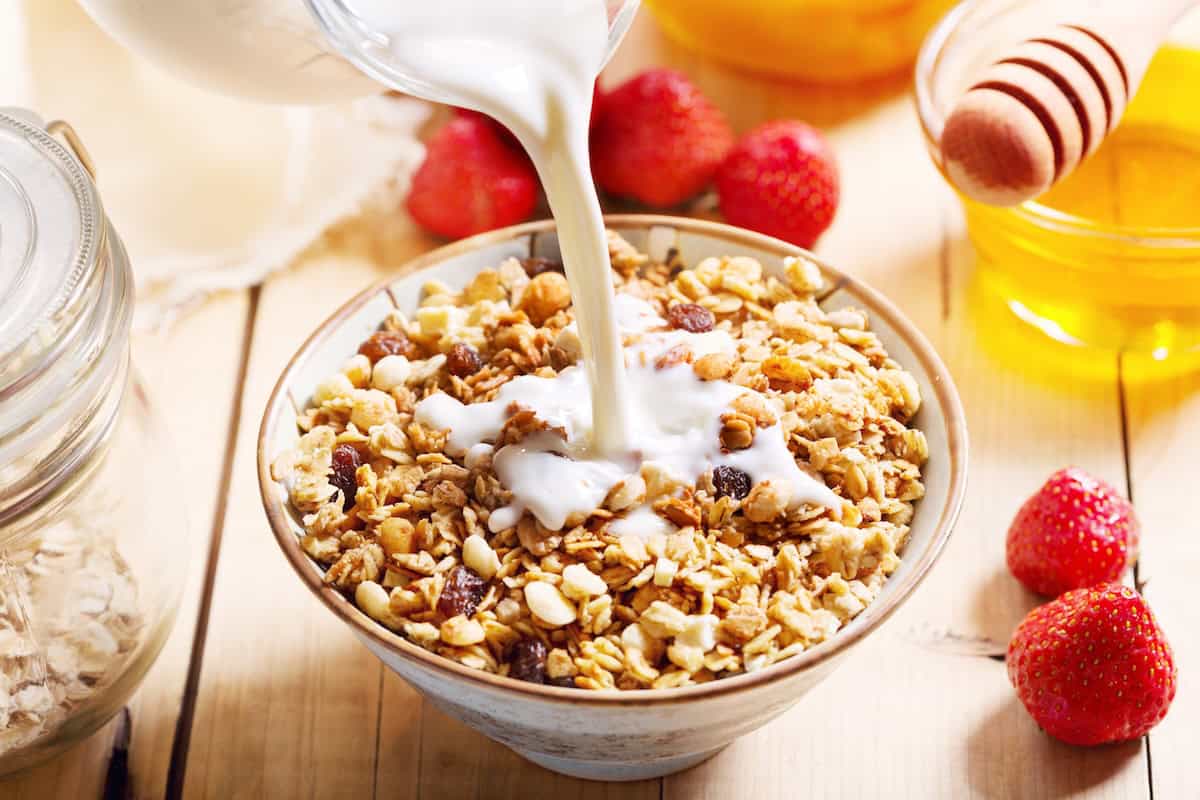
If you eat breakfast in Switzerland, Muesli is likely on the menu. Originally conceived as a health food by a Swiss doctor, it is so popular that it has migrated to other countries.
Generally eaten cold, muesli’s main ingredient is rolled oats soaked overnight. Some prefer it with chopped fruit and milk, but others add honey and/or yogurt.
Polenta
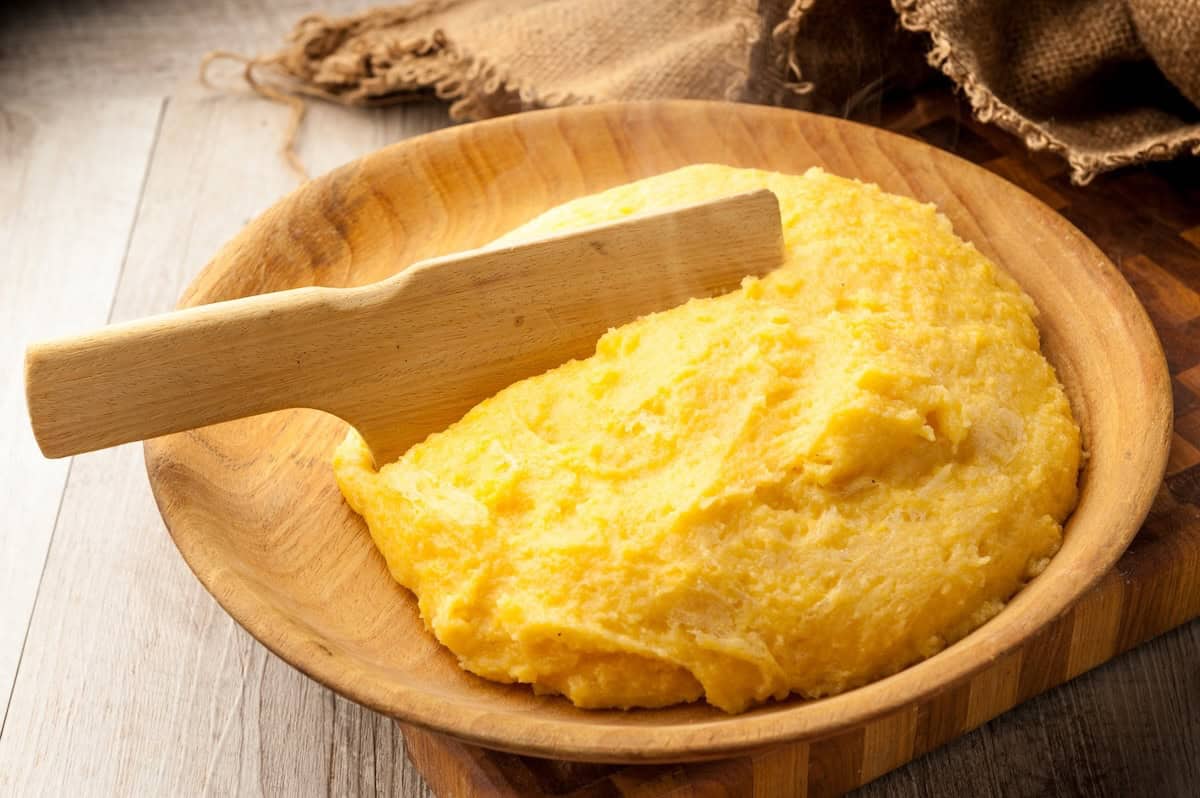
Polenta is a creamy, porridge-like dish made with ground corn. It is often topped with parmesan cheese and butter, pasta sauce, or sauteed mushrooms. It can also be baked, fried, or grilled.
The roots of polenta come from northern Italy, where it was first popular with peasants because it was warm, hearty, and inexpensive. However, polenta is also part of the Swiss culinary heritage. It is a regional favorite in the canton of Ticino in southern Switzerland, which borders Italy. Rosso del Ticino is made of Indigenous coarse-grained maize grits.
Basler Lackerli
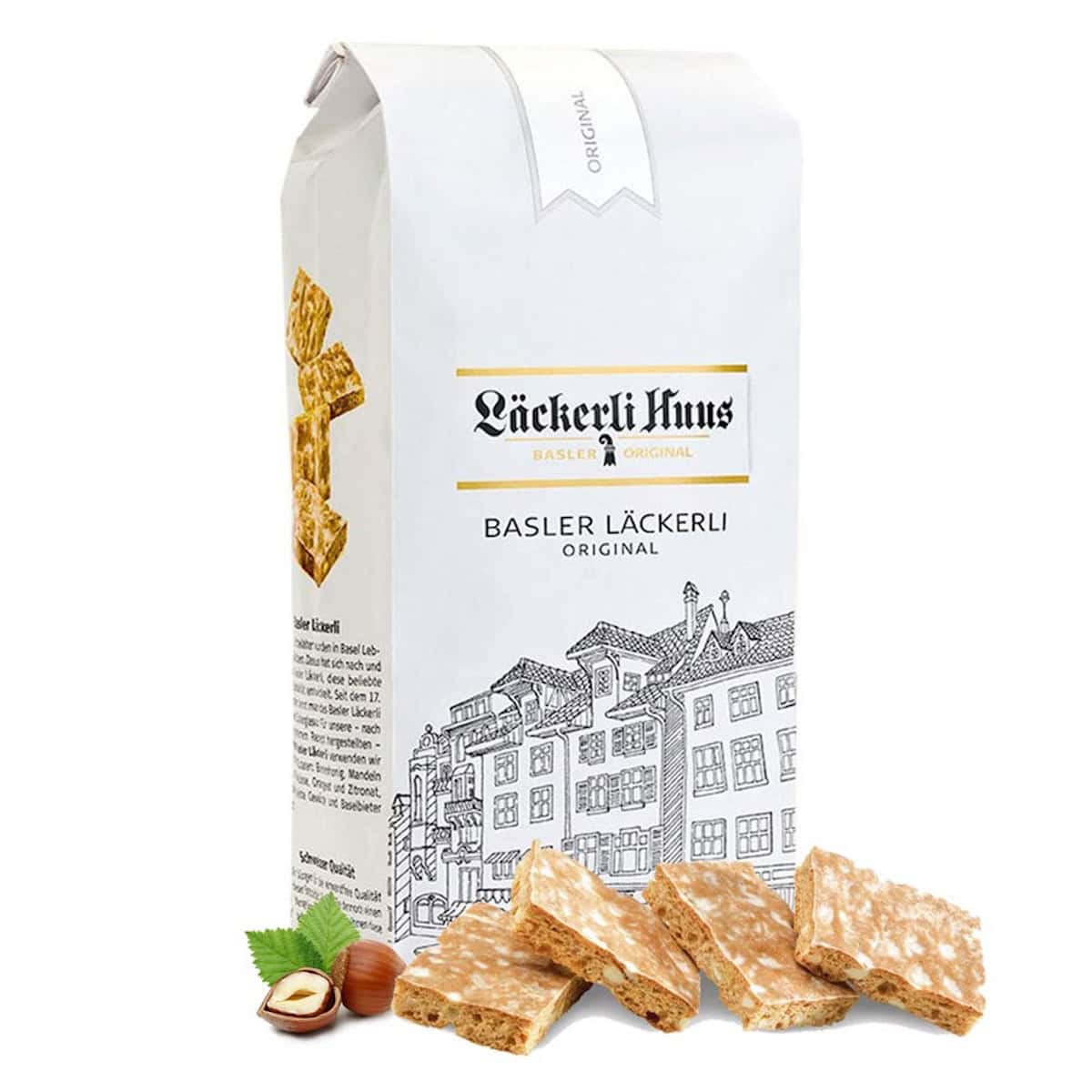
This traditional biscuit originated in Basel.
The chewy biscuit is baked with a thin layer of honey, hazelnuts, candied peel, and Kirsch. The hot dough is then topped with a sugar glaze. The biscuits are one of the most famous Swiss products.
Note: Basel is a wonderful city to tour because of its art, cultural, and culinary treasures. You can also take the best day trips from Basel by train to other Swiss cities, including Zurich and Bern. And it’s just across the border from Strasbourg and other French cities.
Swiss Chocolate
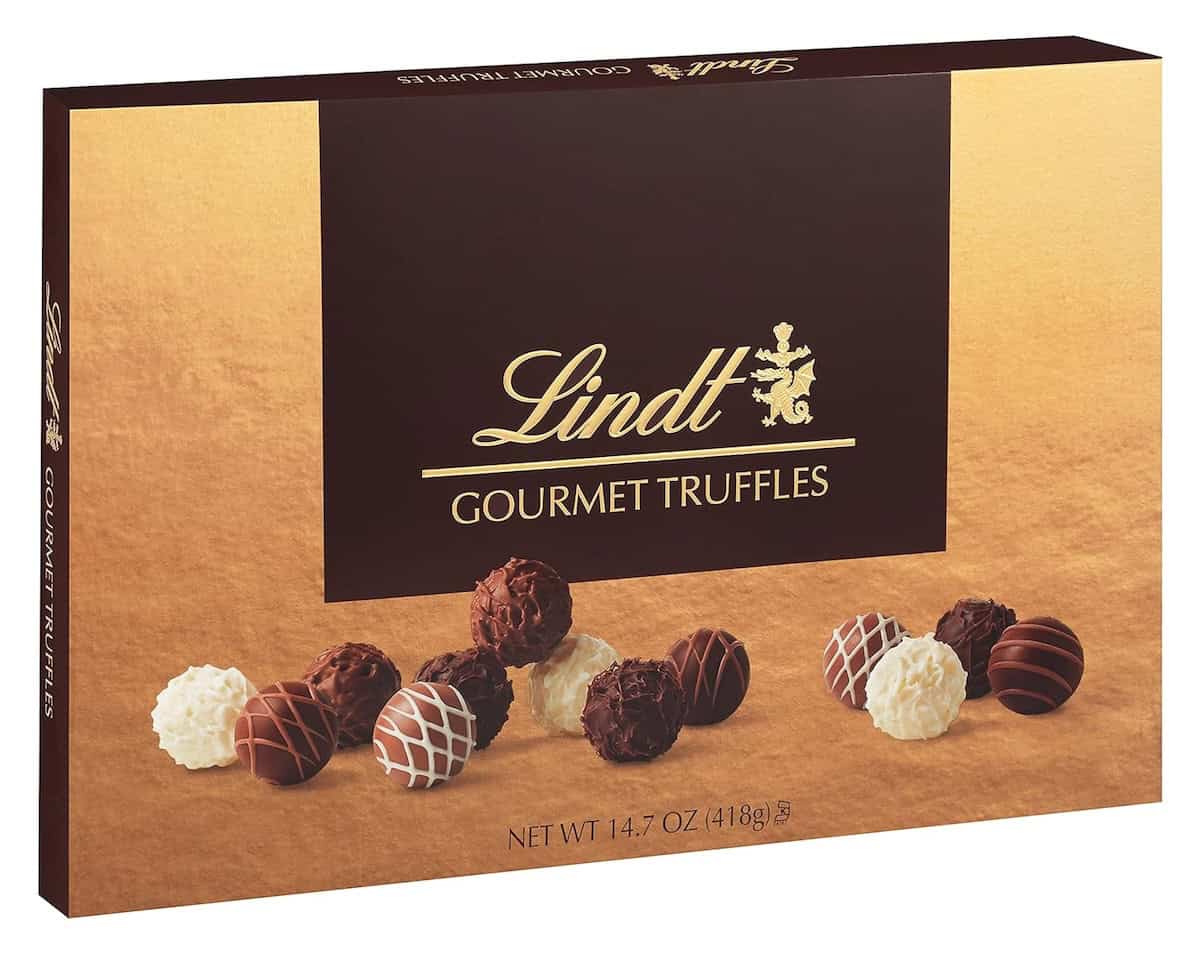
It is said that Rodolphe Lindt, a premium brand of chocolate whose name is famous across the globe, invented milk chocolate in 1879. Swiss chocolate quickly became one of Switzerland’s most important exports, and Chocosuisse was branded to ensure the Swiss destination of origin. It is also said that the Swiss consume more chocolate than any other country.
Open since 2020 in Kilchberg (close to Zurich), the Lindt Home of Chocolate is a chocolate museum that explains the history of the confectionery and the bean-to-bar process in its manufacture. The museum’s architecturally spectacular building houses the world’s largest chocolate fountain.
Swiss Wines
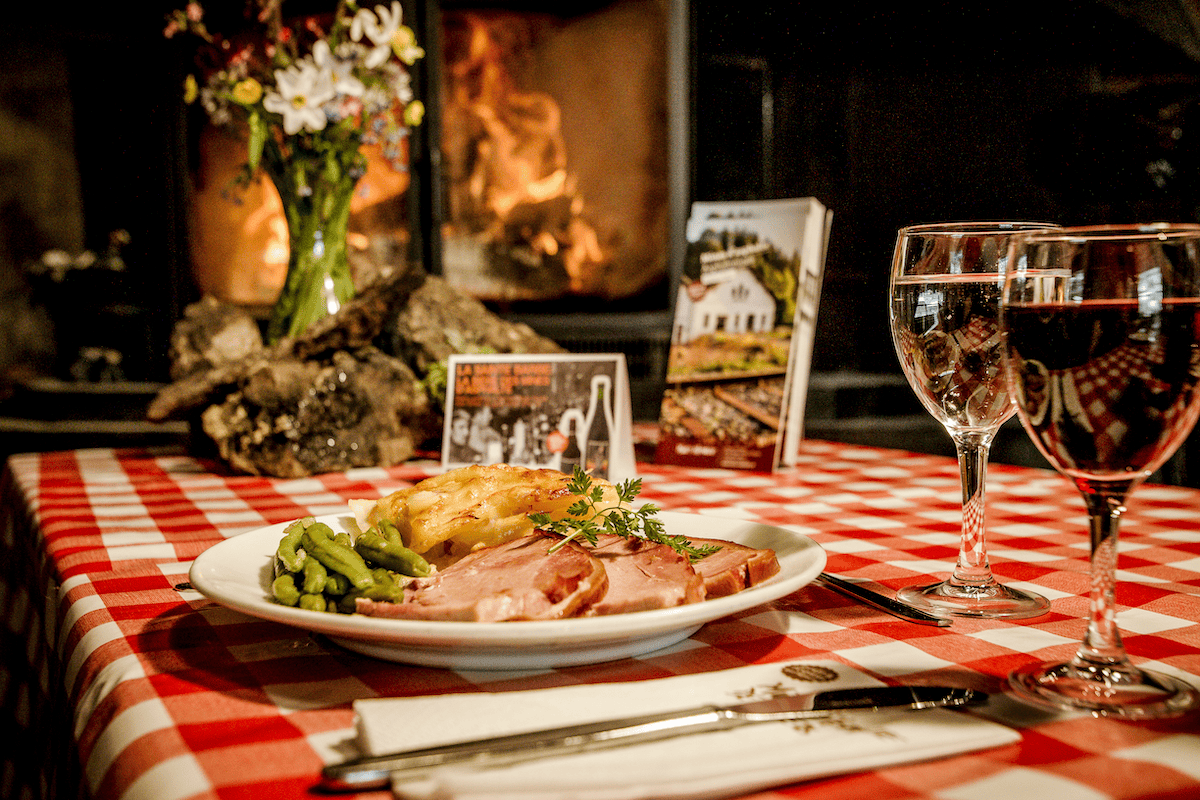
There are 1500 producers spread over six different wine regions, offering a diversity of wines that reflect the different geography, climate, and traditions of each region. Pinot Noir is the most popular red grape in Switzerland, followed by Chasselas, a white wine grape. Lausanne, a city on the shores of Lake Geneva, is considered the wine capital of Switzerland.
Switzerland stands out for its wines, which are produced using sustainable and natural methods. Most wines in the country are only consumed domestically, so it is a unique opportunity to taste them paired with regional foods.
Of course, the taste of any food is always enhanced when accompanied by wine, warmth, and hospitality, which you are likely to find in Switzerland.

Additional information on Swiss Foods & Cuisine
Save to Pinterest!