Carry On! Never Pack These 9 Things In Your Checked Luggage

No matter where you’re headed, it’s crucial to keep some travel essentials with you, and not in your check luggage.
Forgetting or losing any one of them could be costly, inconvenient, stressful, or even derail your travel plans.
Depending on your travel style and the purpose and duration of your trip, some of the items on the “Do-Not-Pack in Checked Luggage” list can be kept in your carry-on (as long as they’re closely watched). Women often store them in large handbags or totes, while men might use briefcases, messenger bags or multi-pocketed vests.
Although many travelers prefer the convenience of backpacks, they do come with their own risks. Worn behind you, they are a tempting target for professional thieves who unzip or slash them without the victim even realizing it’s happened.
The “DO NOT PACK” In Checked Luggage List
Below is a helpful checklist to remind you of the items you should never pack in checked luggage:
Your Cell Phone, Charger and Cables

Smartphones have become one of the most ubiquitous and essential travel tools. Besides making phone calls, sending messages and taking photos, these include:
- Alert you to airline delays (by signing up with the airline)
- Help organize your itinerary and record confirmations with airlines, hotels, etc. (I use the Tripit App for this)
- Hold digital airline boarding passes
- To use ride-sharing apps at your destination
- Navigating to accommodations and attractions
- It can be used for payment (my friend was happy to have her Apple wallet when her cash was stolen).
I always carry a portable power bank in case I run out of charge. This ChargeCard by Aquavault is my favorite.
Prescription Medicines

Many prescription meds, if lost, can be tough to replace in a timely manner without a doctor’s prescription.
The CDC recommends keeping medicines in their original, labeled containers. We have found that using a 7-day pill organizer usually works best for us, especially if you aren’t carrying any controlled medications. In case of loss, having an electronic list of your meds and dosages is a good idea.
Your Passport, Government-Issued ID
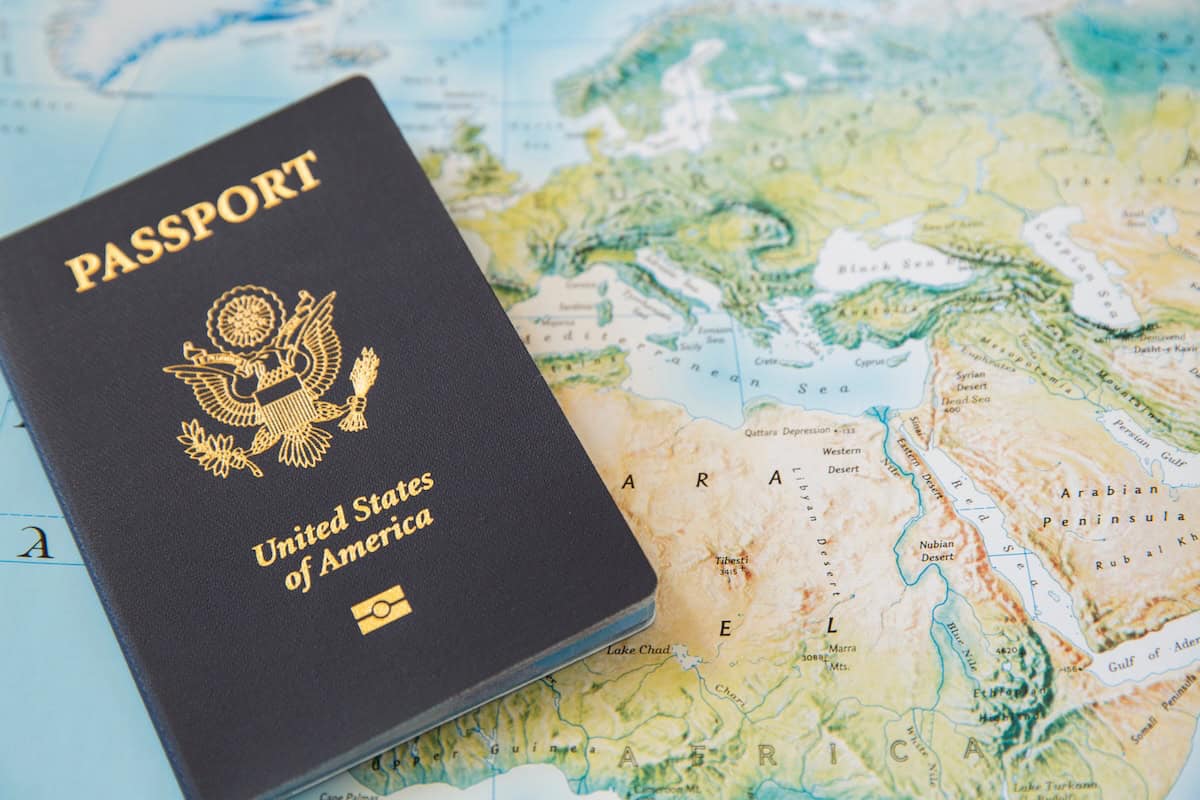
If you are traveling abroad, you’ll need your passport to board your flight, enter the country and return home. Some specific destinations also require that you have a visa to enter.
If you are traveling domestically, effective since May 2025, you need to have a Real ID to board the plane.
If you are planning on renting a car, be sure to find out whether you need to bring an International Driving Permit with you.
Your Itinerary, Boarding Passes, and Hotel Confirmations

As mentioned above, we use an electronic organizer to keep track of our itinerary, boarding passes and hotel confirmations with phone numbers. If you prefer paper, consider keeping all this information in a separate, accessible folder.
Irreplaceable Valuables Like Precious Jewelry, Expensive Cameras or House Keys
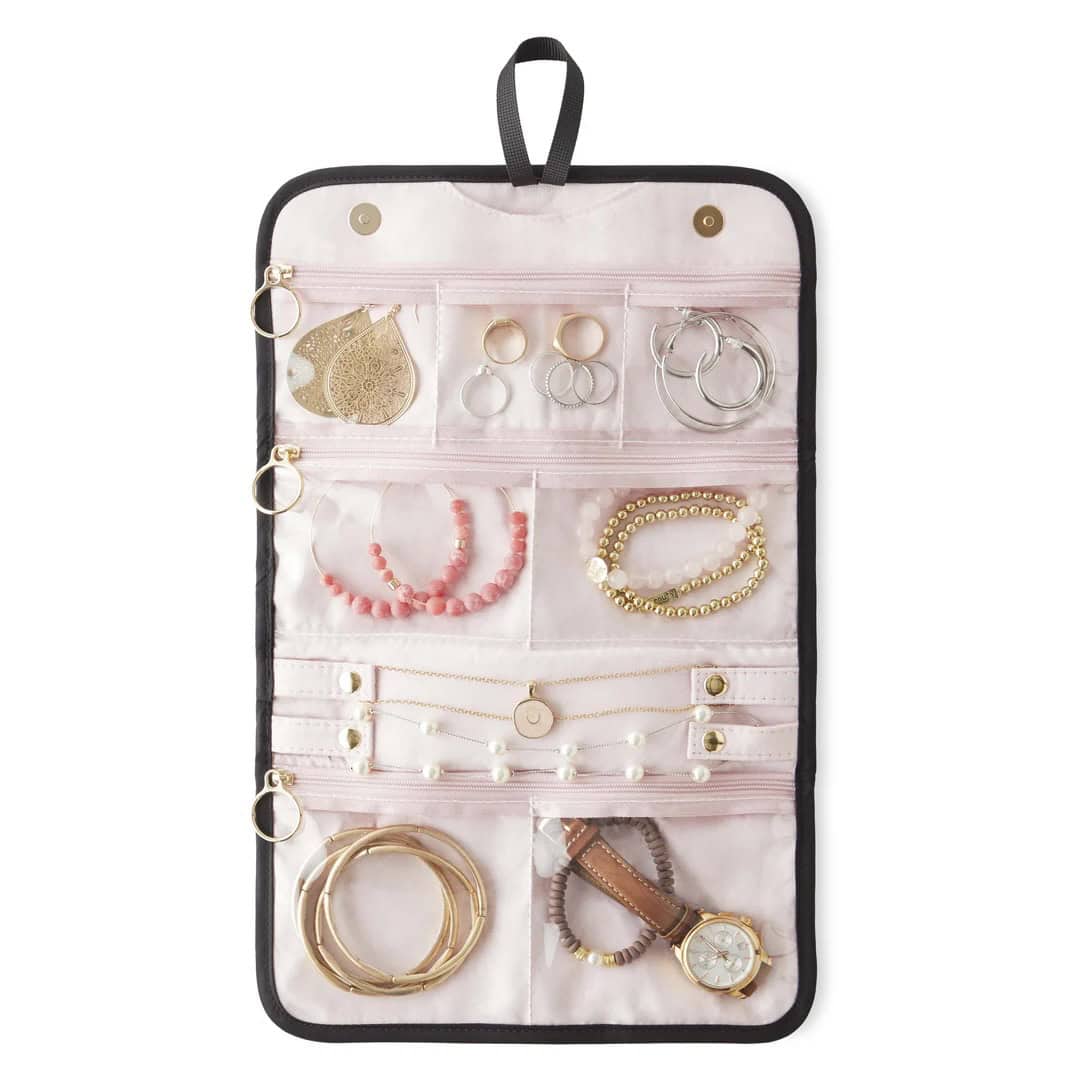
You should leave any valuable jewelry at home for several reasons: it’s a burden to worry about, it might attract thieves, and its loss could cast a dark shadow on your trip.
Wearing inexpensive “travel jewelry” that looks good and makes you feel good is an elegant solution.
Cash, Credit Cards and Local Currency
Whatever you do, don’t carry more cash or more credit cards than you absolutely need. Also, document the numbers of the credit cards you are taking, in case of loss. It’s easy to take a photo of them before you leave home.
Limit your charge cards to one or two major ones (making sure at least one of them has the lowest foreign transaction fee if you are traveling internationally. Although my American Express card is my card of choice at home, some merchants abroad only accept Visa or Mastercard.
It is always prudent to bring some local currency with you so that you can pay or tip taxi drivers and bellmen.
Your Laptop, iPad, or Kindle (And Any Necessary Cables and Chargers)
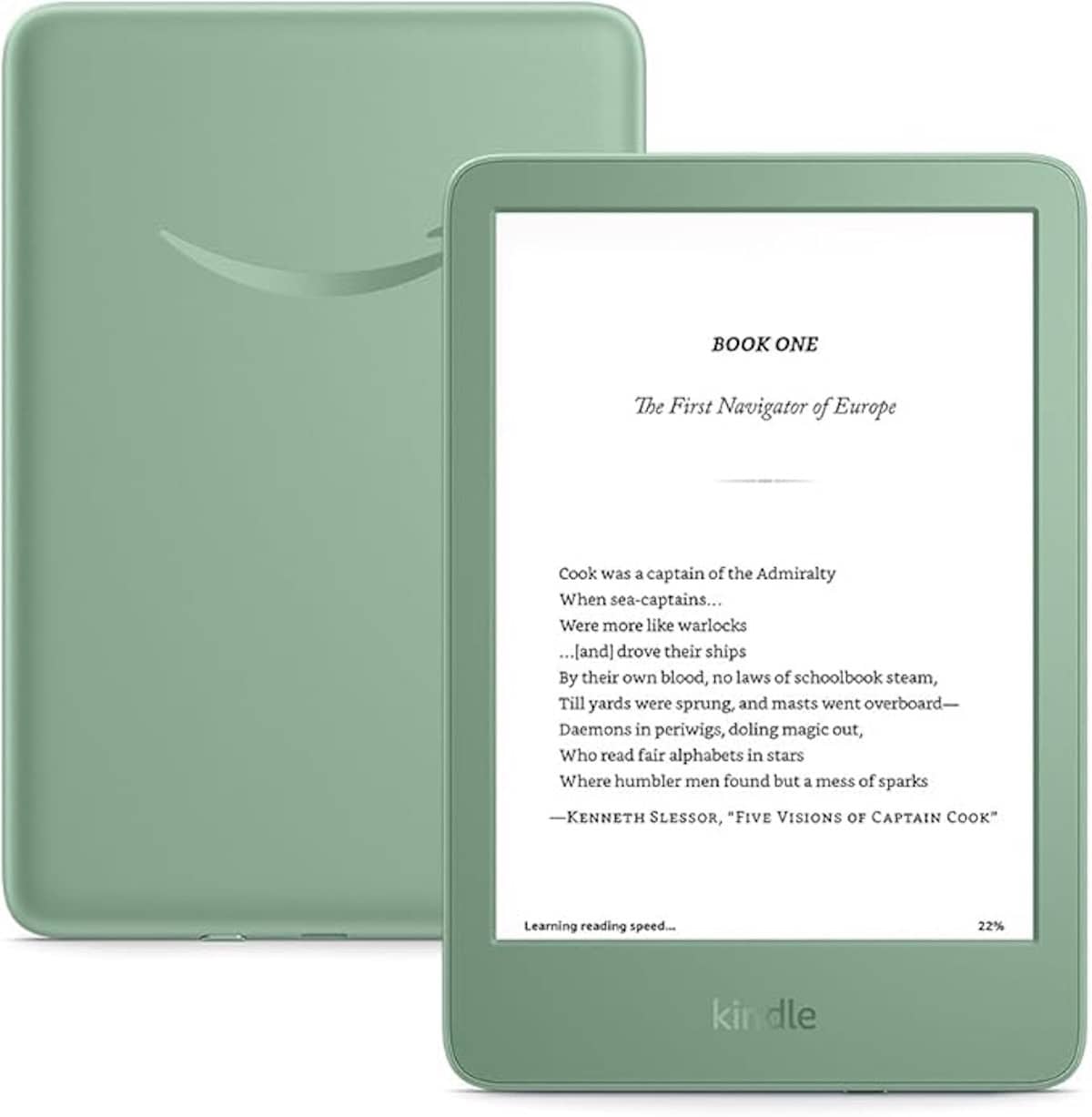
For most business and bleisure travelers, a laptop or iPad is an essential item. It’s always advisable to carry electronic devices with you, rather than risking damage or loss from airport handling or conveyor belts. I once lost a laptop on an international trip, never was able to locate it, and the recovery of data was a big hassle.
In addition to the dangers of theft and loss, devices with lithium-ion batteries pose a fire risk if they are stowed in checked baggage.
Liquids That Are Flammable Or Can Leak
Flammable liquids also pose the risk of fires or explosions. Not only shouldn’t they be placed in checked luggage but they also should not be carried on the plane.
I once had a flip-top bottle of shampoo in my suitcase (although it was closed and in a cosmetic bag).. Some motion in the suitcase during travel flipped the top open and the shampoo leaked all over. Never again!
The “3-1-1 rule” of the Transportation Security Administration (TSA) applies to liquids in carry-on bags. Liquids (3.4 ounces and less) must be placed in a separate plastic bag that is removed from your suitcase for screening.
Recently added to the do not pack in your checked suitcase list are cordless hairstyling tools powered by butane or lithium-ion batteries.
An Extra Tote Bag

Admittedly, I’m a collector, but I always seem to amass extra “stuff” while I’m traveling. It can be a newspaper, a souvenir or a snack.
I always carry an almost weightless, reusable Loqi tote that I can use as an add-on to my carry-on. They also make wonderful gifts and come in a variety of colors and patterns.
Disclosure: I am a participant in the Amazon Services LLC Associates Program, an affiliate advertising program designed to provide a means for sites to earn advertising fees by advertising and linking to Amazon.com at no additional cost to you.
Save to Pinterest!!