11 Travel Diseases: Should Older Travelers Worry About Them?

A medical newsletter identifies 11 travel diseases that travelers of every age should know about.
I’m not the most carefree traveler, not by a long shot.
Like many older travelers, I tend to worry about getting sick, getting robbed, missing flights, and getting caught in a geopolitical hotspot.
But my anxieties don’t deter me from traveling. It just means that I’m careful about choosing where, when, and how I go and what I do when I get there.
And yes, I have an annual travel insurance policy and an emergency medical evacuation policy from Medjet.
Jottings From A Health-Conscious Traveler

COVID took my breath away, literally and figuratively. My husband and I had been traveling almost nonstop, and then, after a wonderful trip to the Basque Country, we took a hiatus for nearly two years, storing our suitcases in the basement.
I survived COVID (which ironically wasn’t travel-acquired), never contracted malaria on our trip to Africa, didn’t get Norovirus on one of our many cruises, and didn’t contract Dengue Fever when it was raging in Puerto Rico, and I’m back on the road.
My Minor Travel Maladies
Knock on wood. I haven’t had many travel-related maladies, all of which have been minor. I can only think of three:
- I tripped on an uneven sidewalk on one of the first days of our stay at Lake Como, and my knee was so badly bruised and bleeding that it interfered with walking for about a week. Now I always carry extra wide band-aids.
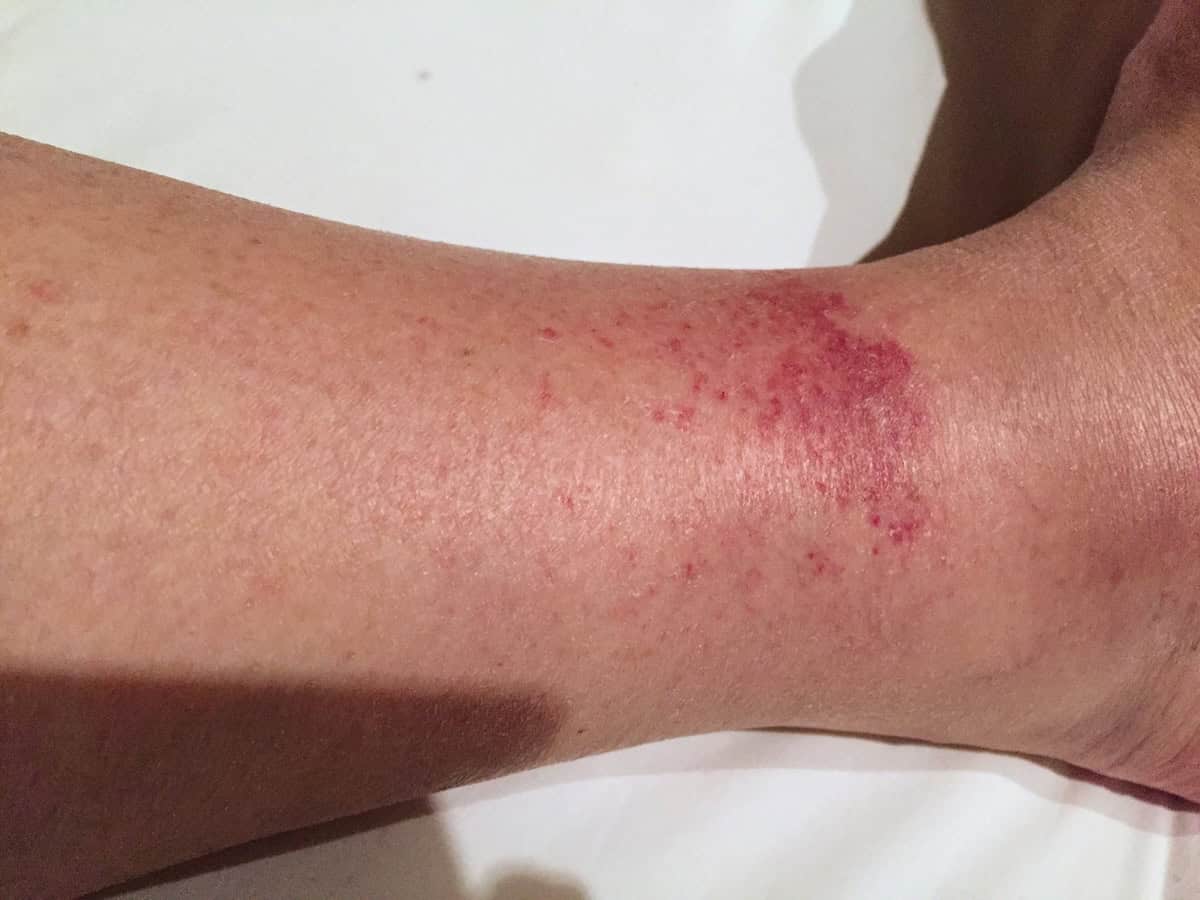
- Twice, I came down with Golfer’s Vasculitis, once in Orvieto and another time in Florence. Although I don’t play golf, this common but often undiagnosed malady (also called Disney Rash) isn’t serious. This inflammation of the blood vessels, typically characterized by a rash above the ankles, occurs when individuals engage in extensive walking in hot, humid climates. It’s self-resolving.
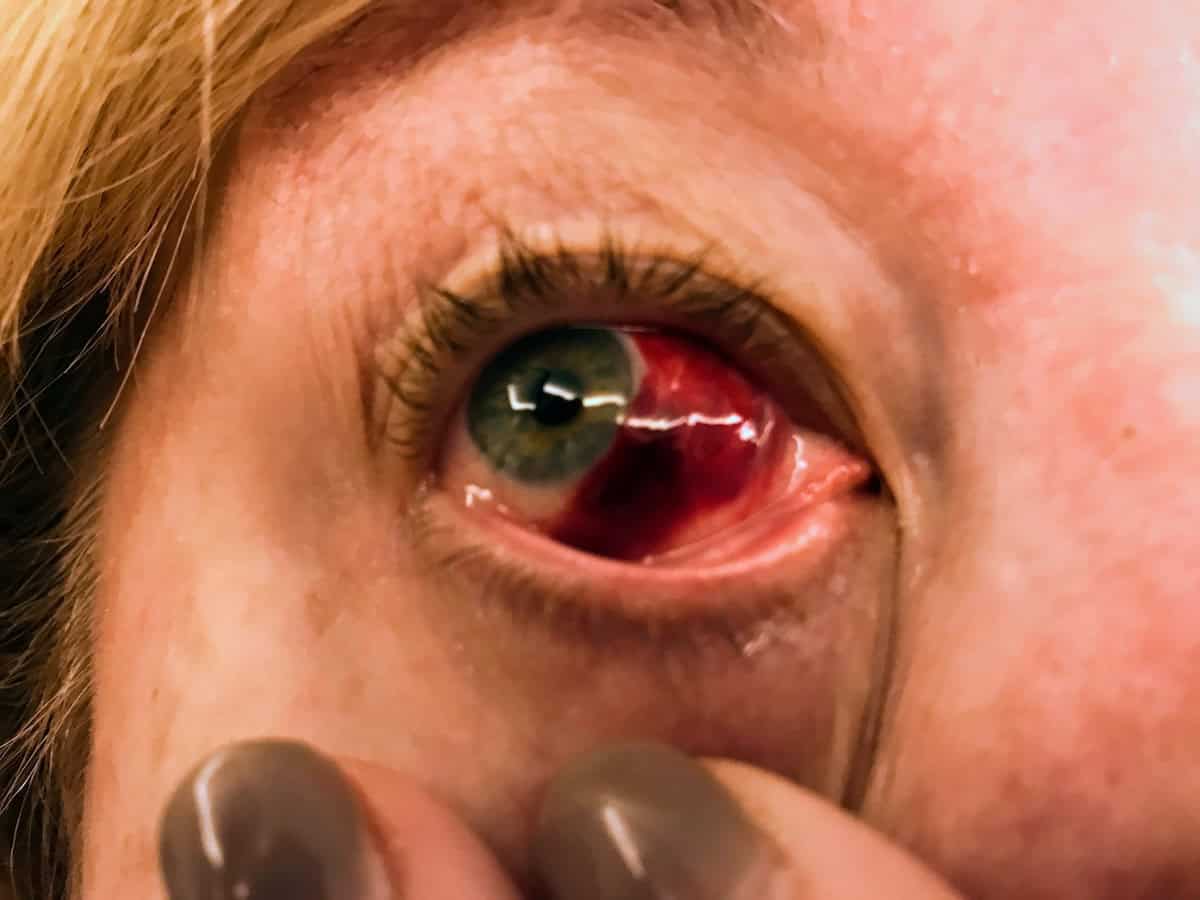
- On a trip to Bologna, I noticed that the white of one eye had turned a very, very deep red. I emailed a photo of the eye to my internist, who said it looked like a broken blood vessel, which also would resolve on its own. It did.
So I consider myself very fortunate!
11 Travel Diseases To Watch Out For
In an abundance of caution, I continue to read the medical literature to help guide my travel decisions. So when I saw a newly published article on Medscape identifying 11 travel diseases, it’s not surprising that I read it with great interest.
Although the list isn’t totally inclusive, it mentions these medical conditions/diseases as ones to which travelers should be alert:
1- Malaria
A parasitic infection endemic in some regions of the world, especially Africa. Its signs and symptoms can include fever/chills, headache, vomiting, myalgias (muscle pain) and anemia.
2- Dengue
Dengue, a mosquito-transmitted disease, is prevalent in tropical and subtropical regions. Its signs and symptoms can include high fever, headache, nausea, vomiting, pain and muscle/joint pain.
3- Cholera
This acute diarrheal infection is caused by ingesting contaminated food or water, particularly in areas where outbreaks of the disease have occurred.
4- Tuberculosis
Caused by an infectious bacterium, TB mainly affects the lungs. Common symptoms include coughing with sputum/blood, chest pain, weakness, weight loss, fever/chills and night sweats.
5- Zika
Also, a mosquito-borne virus, Zika, began appearing in the U.S. (primarily in Florida and Texas) about a decade ago. Its symptoms can include fever, rash, joint pain and conjunctivitis. Pregnant women especially should try to avoid Zika.
6- Measles
Measles is an airborne and highly contagious virus that is dangerous to those who are unvaccinated. Infection can cause a high fever, coryza (inflammation of the upper respiratory tract), conjunctivitis, cough, and Koplik’s spots (small white spots found on the inside of the cheeks). A rash appears about two weeks after exposure.
7- Chikungunya
This virus is also caused by the bite of an infectious mosquito. Only first identified in Tanzania in 2024, it has now spread to the Americas and the Caribbean. Its main symptoms are fever and arthralgia (joint pain).
8- Polio
This virus can be prevented through vaccination; however, there is no cure. This acute infection affects the mouth and nose, the GI tract and the central nervous system. Travelers are advised to seek vaccination if they are traveling to regions where the disease is endemic.
9- Yellow Fever
Yellow fever is primarily spread by the bite of an infected mosquito in sub-Saharan Africa and the tropical Caribbean. Early symptoms may include fever/chills, severe headache, back pain, muscle aches, nausea/vomiting, and fatigue/weakness.
10- Typhoid Fever
This bacterial infection is spread through contaminated food and water. The first symptoms are usually fever and abdominal pain. Fever and severe diarrhea can follow as the disease progresses. The disease is most common in developing nations due to poor sanitation.
11- Rabies
Rabies is a form of acute encephalitis that comes from bites or scratches from infected animals. It has been found on every continent except Antarctica. The earliest symptoms are non-specific but without proper treatment, the disease can be fatal.
Key Takeaways From The Travel Diseases List

When traveling to a country where one of these diseases is prevalent, it’s crucial to consult your internist or a travel medicine specialist. They can ensure your vaccinations are up to date and advise you on any additional necessary precautions.
Since mosquitoes transmit several of these diseases, protecting yourself from mosquito bites is essential. Simple steps, such as wearing protective clothing and using insect repellent like DEET, can help.
Life always involves risks, and risk tolerance varies among different travelers. Because our immune systems weaken with age, the risks become greater for older travelers. However, by educating ourselves and preparing for a trip, we can significantly reduce the likelihood of travel diseases and health issues while traveling, along with any pre-travel jitters.
Save to Pinterest!!