How To Avoid Post-Vacation Depression: 10 Tips
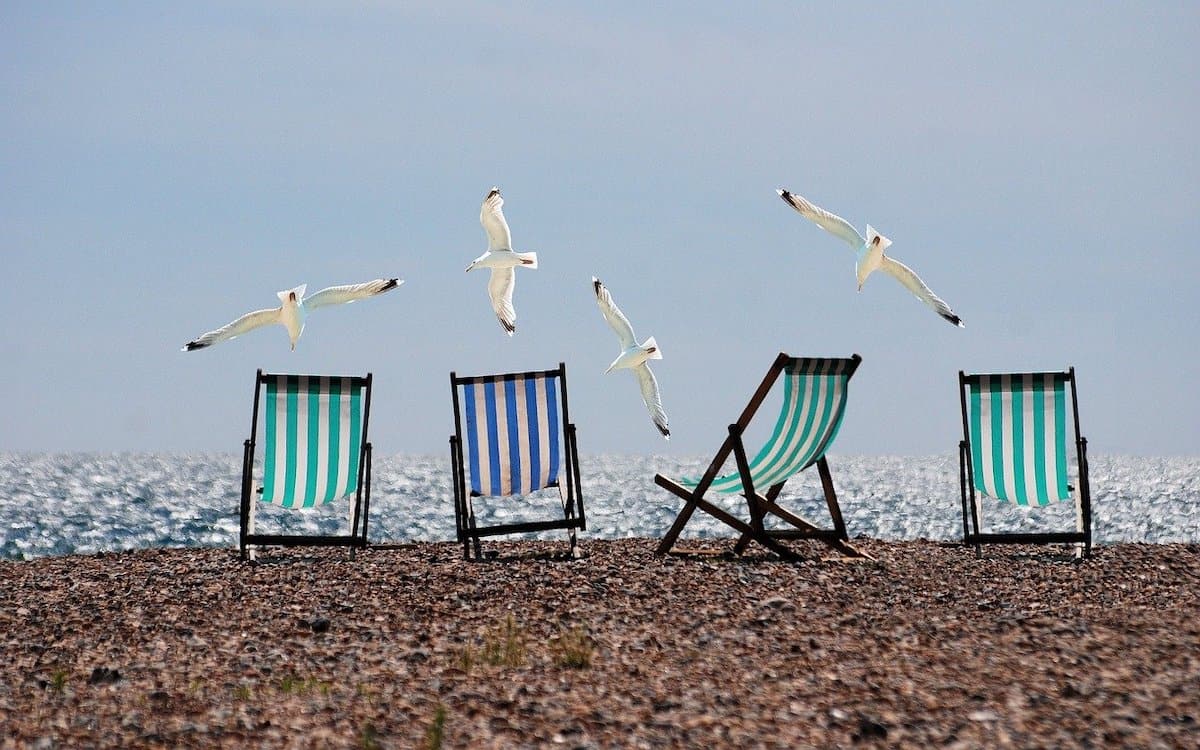
A psychologist and travel writer offers tips on avoiding post-vacation depression.
After the summer or an extended holiday vacation, the onset of post-vacation depression is pretty common.
Whatever your age or circumstances, the anticipation of a long-awaited getaway is filled with excitement because vacations are more carefree and exhilarating than your usual routines.
There are fewer demands on your time when you relax at a resort, pursue a hobby or passion (such as bicycling, golf, tennis, or photography), or explore a new city or country.
True vacations allow us to do what we want to do as opposed to what we need to do.
However, one inherent drawback of all getaways is that they’re time-limited. After the surge in energy and mood associated with planning and taking a trip, there’s the inevitable letdown afterward: the post-vacation blues.
An article in Medical News notes that the syndrome (although not a medically recognized condition) was first written about as “holiday syndrome” in the 1950s.
More recent research suggests that the positive effects of vacations tend not to be long-lasting.
- One study reported in the Journal of Organizational Behavior last year found that while vacations help burnout and improve well-being for the short term, a “fade-out effect” usually sets in within one month.
- Another study in Work and Stress suggests that the fade-out can occur even more rapidly, as early as one week after resuming work.
It’s not surprising. Re-entry usually entails returning to the everyday hassles of doing laundry, shopping for food, cooking dinner, catching up on bills, and/or getting back to the grind of work.
This can be a jolt to the mind and body, especially when it’s exacerbated by jet lag and fatigue accounting for travelers returning home with an acute case of post-vacation depression.
What Are The Signs of Post-Vacation Depression

Some of the signs of post-vacation depression include:
- feelings of lethargy
- lack of motivation
- trouble focusing on tasks
- sleep difficulties, and
- ruminating about your recent trip
Ironically, the more you enjoyed your vacation and the longer you were away, the more likely you’ll feel the blues upon your return.
Tips To Avoid The Post-Vacation Blues

Here are some helpful tips to lengthen the afterglow and avoid the post-vacation blues. I’ve broken down the list into three categories:
- Before You Go
- While You’re Away, and
- When You Return
Before You Go

1) Determine a realistic budget for your vacation
Vacations can be costly. As a result, many travelers arrive home unable to pay essential bills or have credit card debt that takes months to pay down.
Invest time upfront to plan a vacation that fits within your budget and will minimize the pain and stress upon your return. This will allow you to make choices and forgo unnecessary expenses.
Every vacation has unexpected costs, too, but try to avoid getting carried away. Know your weaknesses (for example, overspending is easy if you’re gambling in Las Vegas or shopping in Paris.)
2) Avoid things going haywire while you are away
Try to wrap up pending projects before you leave home. Delegate any tasks you can and offer clear guidance to those you’ve left behind (at home or the office) about keeping things going in your absence.
Lauren Kuykendall, an associate professor of industrial-organizational psychology at George Mason University, writes that “pausing requires planning.” She notes that it’s prudent to let your co-workers know about a pending vacation so they can prepare for your absence.
Let them know whether you want to be disturbed while you are away and under what circumstances. Many people alter their email auto-signatures, noting when they will be away and who to contact.
3) Resist scheduling lengthy meetings or new projects immediately after your return
Allow yourself time to catch up. When you return, your pace may be slower, and you’ll likely be inundated with emails and unanticipated requests for your attention.
Be careful not to overpromise or set up unrealistic self-expectations. Avoid the temptation to cut things too close to awaiting deadlines.
4) Don’t come home at the very last minute
It’s tempting to book a redeye flight home, shower, and return to your desk without skipping a beat. It may allow you to squeeze an extra day or two of vacation time. But to minimize stress, schedule breathing room between your return and re-entry.
Allow ample time to unpack, do laundry, catch up with bills, shop for food, and adjust to jet lag (if you’ve traveled across time zones.)
If you are a parent, you can expect that the pressures of these “homecoming” responsibilities will be compounded.
While You’re Away

5) Strike a balance between activities and relaxation
It’s tempting to try to do everything on vacation—waking up early to cram in full days of adventure and going to bed late to enjoy the nightlife.
Pace yourself so you have a little downtime while you are away. You don’t want to come home overly fatigued. Slow travel allows you to dig deeper and truly experience a place.
6) Cut yourself some slack, but don’t go off the deep end
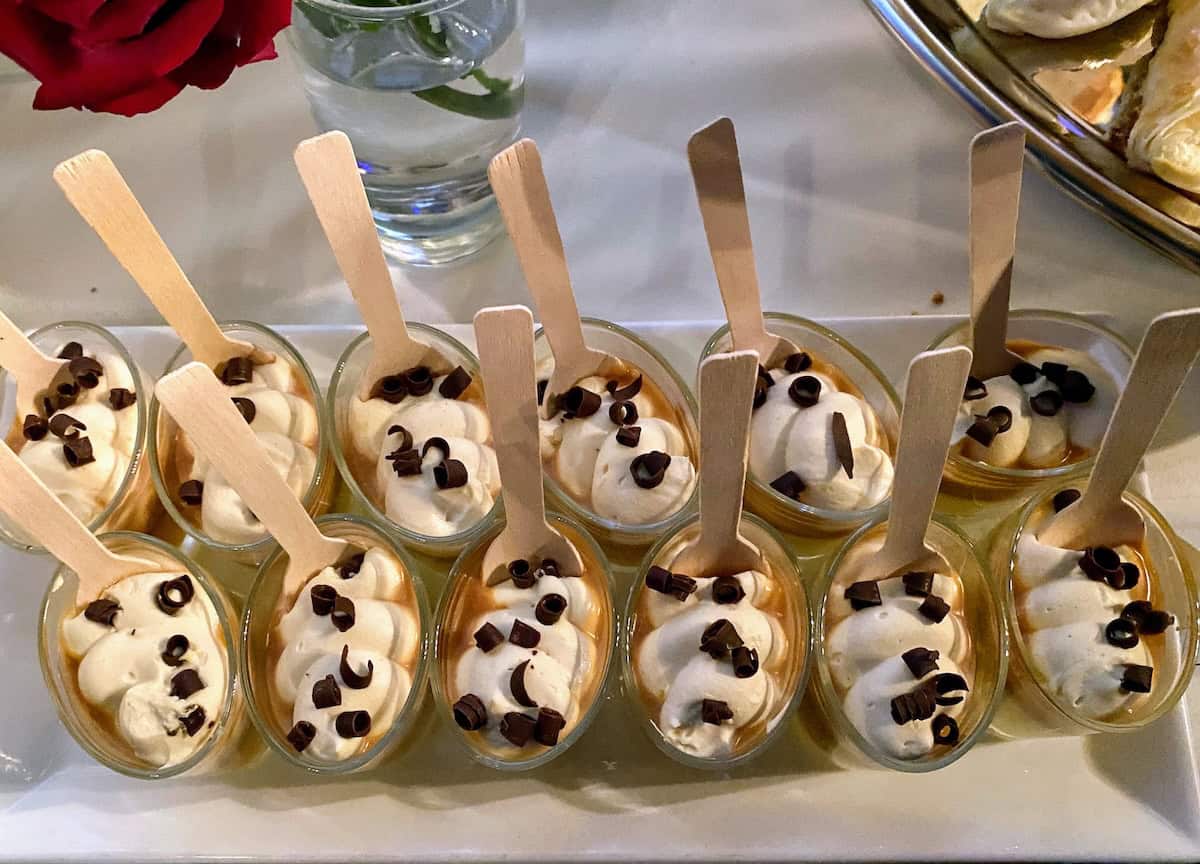
It’s okay to indulge on vacation—eating or drinking more than usual, buying something you don’t need, or attending an expensive concert. Who can pass up an arancini or cannoli in Sicily? Or Steak Frites or macarons in Paris?
However, be careful to avoid doing anything that will permanently compromise your health, safety, or peace of mind–after your tan has faded.
When You Return
7) Recognize the signs of post-vacation blues
You may not have the same energy and enthusiasm you once had for work or responsibilities at home. Your mind may wander, and your productivity may be compromised.
Be realistic, and don’t try to do too much too soon. Slowly ease into your usual sleeping, eating, and exercise routines and recognize that this unease will eventually lift. Review the list above.
8) Take time to appreciate what you’ve come home to
Remember that there are some perks to the end of any vacation; some of them can be pretty great! Be it ever so humble, there’s no place like your home.
Don’t minimize the joys of sleeping in your own bed, putting your head on your own pillow, and sipping your morning Joe in your favorite mug precisely as you like it. Perhaps you’ve even learned about a new food or recipe to add to your repertoire.
Perhaps you’ve come home to a beloved pet, good friend, neighbor, or co-worker you’ve missed.

You also may find that you have more time for yourself when you get home than you did while away. This can be a perfect opportunity to evaluate your life choices and move forward.
There are many possibilities: You might continue your education and consider new career directions. Or you could pick up a new hobby or even develop an interest that derives from your travels. There are many ways to make your home life something you love returning to!
9) Savor the memories and give in to reminiscence
Memories can act like a booster shot after your vacation. Trigger them by organizing your digital photographs and even printing a few to hang above your desk as a reminder.
Keep a diary or write about your travels. Call or email someone you’ve met along the way. Using a souvenir you acquired during your travels (e.g., perfume or a new kitchen tool), or sharing your experience with friends and family once you’re home offers an opportunity to extend the joys of your getaway.
Sometimes, staying in touch with a friend you met while you were away can evoke powerful memories of good times shared.
Since it isn’t likely that your friends or colleagues will be as eager to hear about your adventures as you’ll be to speak about them, hang out on online travel forums with like-minded travelers who want to share their own experiences being where you were (or who are hoping to get there.)
You might want to play a creative game of couples trivia questions with your partner, spouse, or travel companion, focusing on the high points of your trip.
A Wall Street Journal article discusses the “recency effect,” a psychological phenomenon that suggests that people tend to remember endings more than beginnings. This suggests that saving the best for last may be a wise vacation strategy.
10) Incorporate the joys and lessons learned from your vacation into your life

You may have tried new foods or realized you don’t need to be tethered to your smartphone 24/7. You may find that you enjoyed walking more than you ordinarily do or that you enjoyed the intimacy you shared with your traveling companion.
Take time to assess what you learned and incorporate small changes into your life at home.
Of course, the surest antidote to post-vacation blues is obvious: Plan your next trip as soon as possible. Short of that, plan a staycation or long weekend away.
If you can take frequent short vacations throughout the year (even as brief as a day at a park visiting a nearby museum or a weekend visit to another city), give yourself something to look forward to.
And start saving your time and money for the next big one.
If the blues don’t abate after a couple of weeks, be sure to seek professional help to get over the hump.
If you or someone you know poses a danger to themselves or others, seek help immediately.
- SAMHSA National Helpline on 800-662-HELP (4357)
- National Alliance on Mental Illness (NAMI) Helpline on 800-950-NAMI (6264) or text “HelpLine” to 62640
- 988 to reach the Suicide & Crisis Lifeline
Save to Pinterest!!


Author Irene S. Levine, PhD is a psychologist and travel writer.