The Iconic Red Cottages of Sweden

The painted red cottages that dot the Swedish countryside have a long and storied history.
A Legacy of the Falun Copper Mine
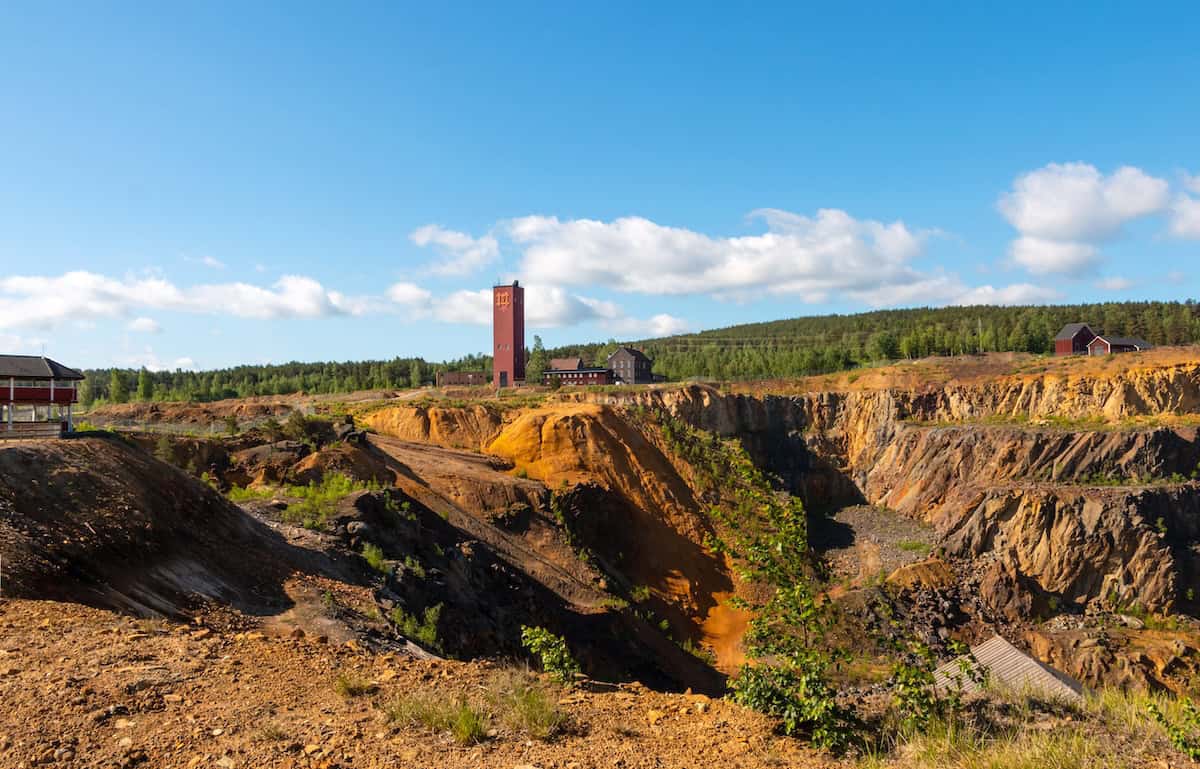
The Falun copper mine was in continuous operation for 250 years (until 1992) and is a UNESCO World Heritage Site. Copper production in central Sweden’s Dalarna region began as early as the 9th century, and the country became a dominant player in the industry across Europe and internationally.
In 1573, inspired by his travels through Europe, King Johan III instructed his master painter to whitewash the walls of his Castle so they resembled marble. He wanted the roofs painted red, using “mine bran” from the Falun mine. This waste byproduct of the mining process gives the pigment a red color, making it look like copper.
Before long (and before TikTok), it became a trend in Sweden. Because paint was a luxury then, the noble class emulated the King and painted their houses with red Falun paint as a status symbol. The idea spread among officers and priests and later spread more widely, eventually reaching commoners.
The paint was expensive so often only the facades of the houses were painted, not their sides or backs.
The Spread of Red Cottages in Sweden
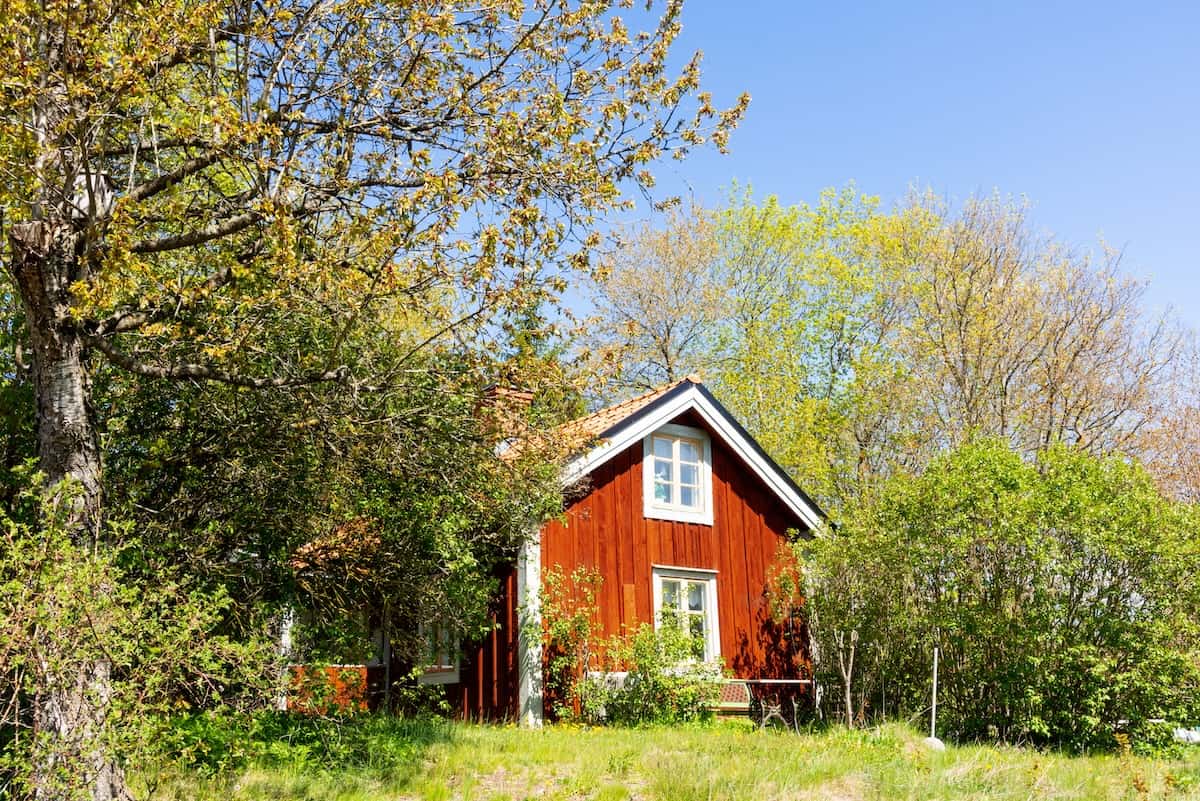
In the early 20th century, a home ownership movement spread across Sweden.
“The red cottage in rural settings came to symbolize the good life, which stood as a model when the new Sweden was about to be built. The Falu red paint was a perfect fit to this narrative,” according to the Falu Rödfärg website.
Falu Rödfärg is the trademarked name of the red paint, and of its largest producer. The paint is still manufactured using refuse from the Falu mine.
To make the paint, the pigment is combined with water, rye flour and linseed oil. Over time, the pigment, which is highly practical because of its durability and sustainability, became more affordable and became ubiquitous. People can purchase the paint in local hardware stores across Sweden.
Cottages painted red and white are still a favorite of many homeowners in rural Sweden (and other Scandinavian countries) because of their historical charm and practicality.
Visit Sweden, the official tourism bureau, has identified several places below where visitors can see these photogenic structures.
6 Must-Visit Red Cottage Destinations

(credit: Visit Sweden)
- Falun: Home to the historic Falun Mine, where Falu Rödfärg was first created, this UNESCO World Heritage Site is a must-see for history and design enthusiasts.
- Gammelstad Church Town: A preserved church town featuring over 400 traditional red cottages built around a medieval stone church. Gammelstad, in northern Sweden, is also a UNESCO World Heritage Site.
- Brändaholm: Located in Karlskrona, this small island is famous for its charming colony of red cottages surrounded by the Baltic Sea.
- Småland: This province is the quintessential Swedish countryside. Dotted with traditional red cottages amidst forests and meadows, it embodies the idyllic Scandinavian lifestyle.
- Sigtuna: Sweden’s oldest town, where red-painted wooden homes line cobbled streets, offering a glimpse into the nation’s medieval past.
- Skansen, Stockholm: This open-air museum showcases traditional Swedish buildings, including red cabins, allowing visitors to step back in time while staying in the capital.
IF YOU GO
- In Falun, tourists can visit the Falu Gruva mine, which offers one or both tours, underground and above-ground.
The comprehensive tour includes a guided underground tour, admission to the Mining Museum and a temporary exhibition “Falu Rödfärg – Modern in All Times,” admission to miners’ homes: , a horse and carriage ride (included for children under 16), and other above-ground attractions: exhibitions in the Visitor Centre, open historical buildings, film screenings, and walking trails with QR codes around the Great Pit (Stora Stöten).
- Airbnb and Booking.com offer rentals of red cottages for travelers who want to truly experience this Swedish tradition.
- The Visit Smaland website also features red cottage and farm rentals in that province.
Also on MoreTimeToTravel:
Discover Sweden’s Newest Must-Hike Trail in the Stockholm Archipelago (about 40 minutes from Skansen)
Save to Pinterest!!


