Tasting History Through A Local Culinary Tour Of Palermo, Italy

We scheduled a culinary tour of Palermo for one of the first days after our arrival in Sicily. Avid food enthusiasts, we were eager to learn about the city’s famous street foods and decadent desserts.
We also knew a culinary tour could serve as an introduction to the city’s history and culture. So we booked a full-day (5.5 hours) private tour of the city with Culinary Backstreets, an agency that offers food tours in cities worldwide. We had previously used the company when we were in Barcelona and appreciated the experience of touring with a knowledgeable local.
Our guide, Paola La Scala, exceeded our expectations. A licensed tour guide, she had earned a doctorate in architecture at the University of Palermo. Moreover, it was evident she shared our love of food and travel.
We met Paola at Teatro Politeama Garibaldi, a historic neoclassical theater located on Piazza Ruggero Settimo. This landmark is one of the most recognizable in the city, a common meeting place for friends and colleagues.

Understand Palermo’s History Through Its Foods

The “melting pot” cuisine of Palermo has been uniquely shaped by its location and the diverse cultures—Greek, Roman, Arab, Norman, and Spanish—that have conquered and inhabited Sicily.
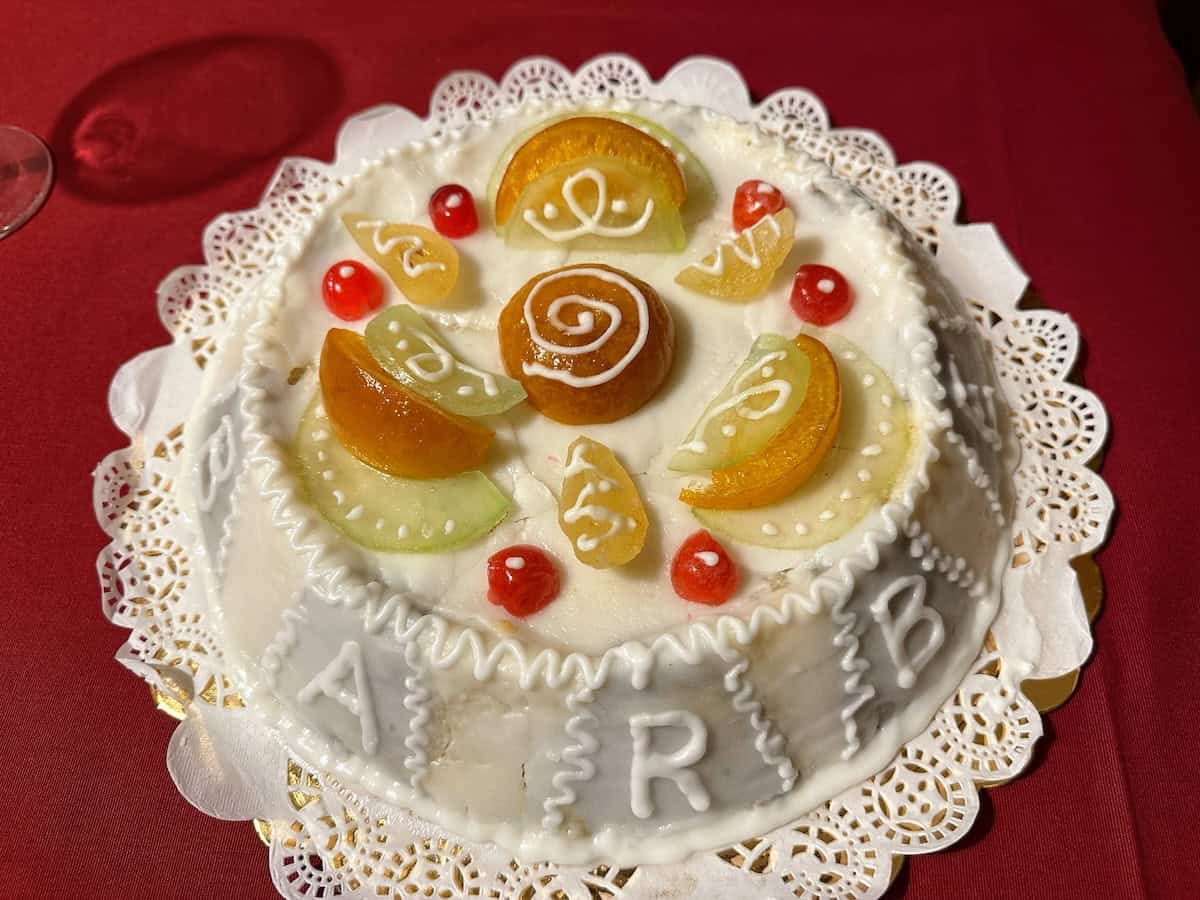
Paola explained, for example, that even the DNA of ricotta, a ubiquitous ingredient in Sicilian foods, was steeped in its Greek and Roman history. The cannoli baked by nuns in convents is said to be an artifact of Arab rule, which had a profound influence on pastry-making on the island. Arab traders also introduced candied fruit to the Cassata Siciliana, one of the city’s most famous desserts.
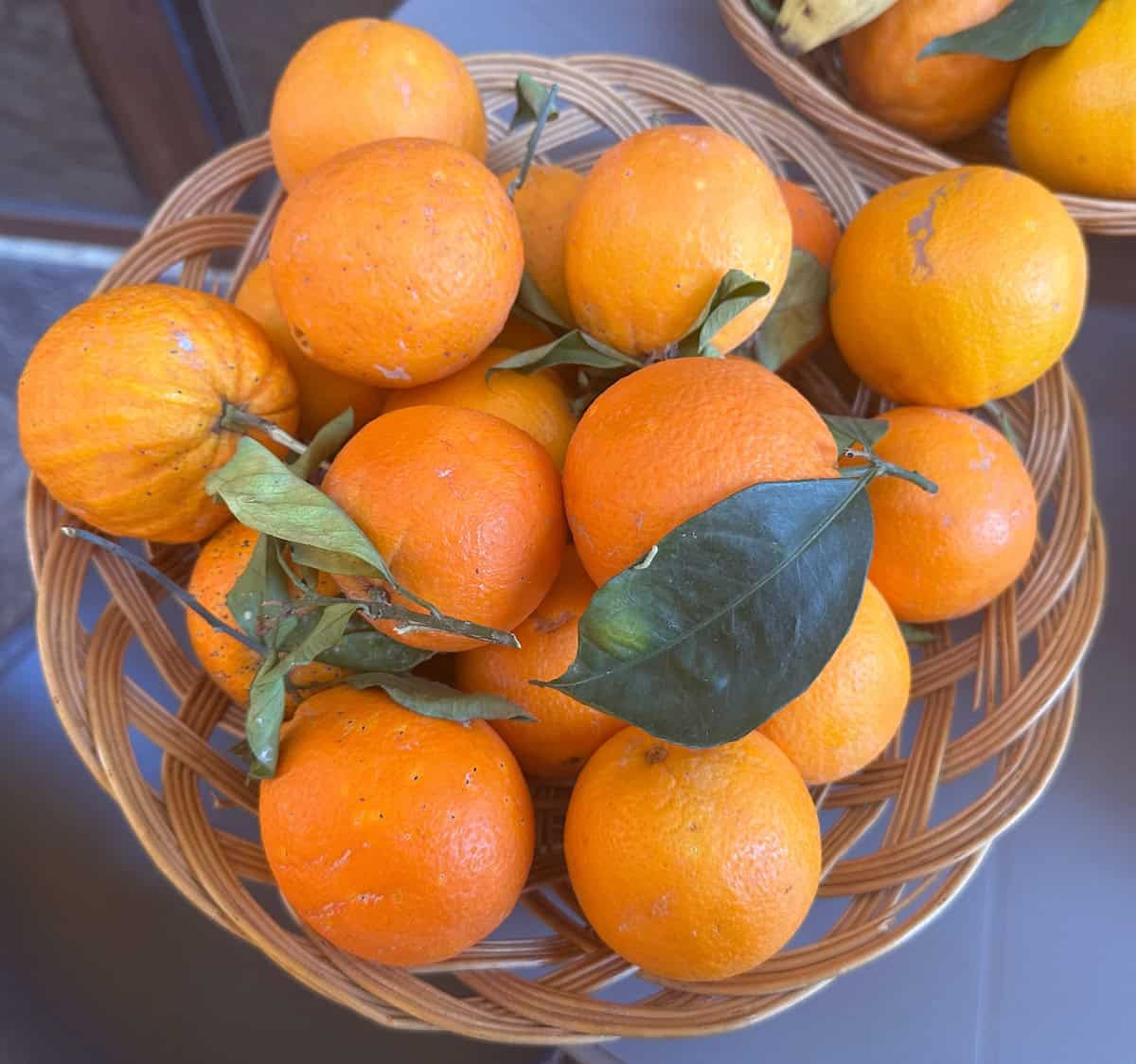
Blessed with a Mediterranean climate, the soil of Palermo is fertile for producing an abundance of crops such as olives, oranges, lemons, almonds, grapes, rice and grains, and each group of conquerors introduced new foods and techniques. Surrounded by the waters of the Mediterranean, fresh fish and seafood are also abundant in Sicily.
Savoring The Tastes of Palermo
Our culinary tour of Palermo would take us to bars, cafes, historic shops, markets and more.
But as we set out on our tour, my eye caught the window of a beautiful ceramics shop, Nino Parrucca (Sicilianissimo), and we asked Paolo to stop.
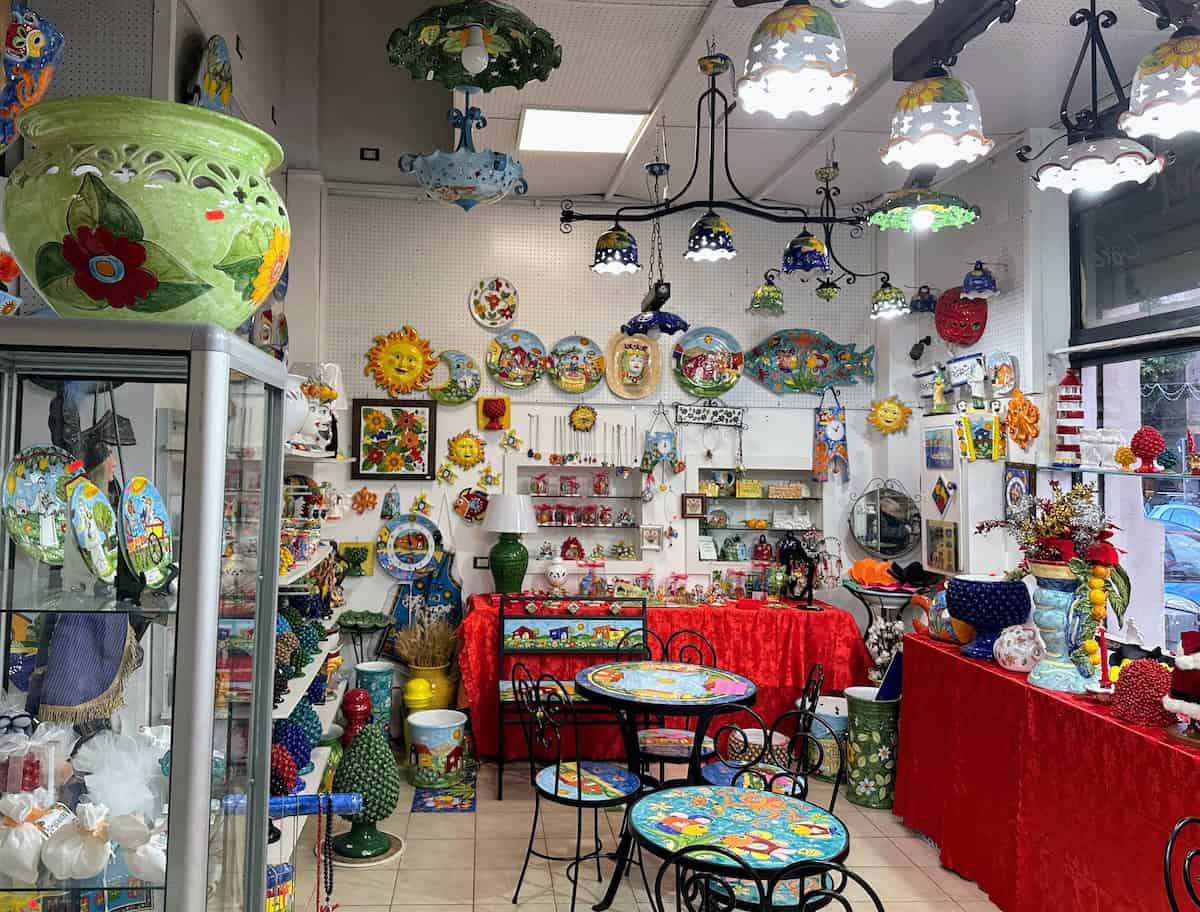
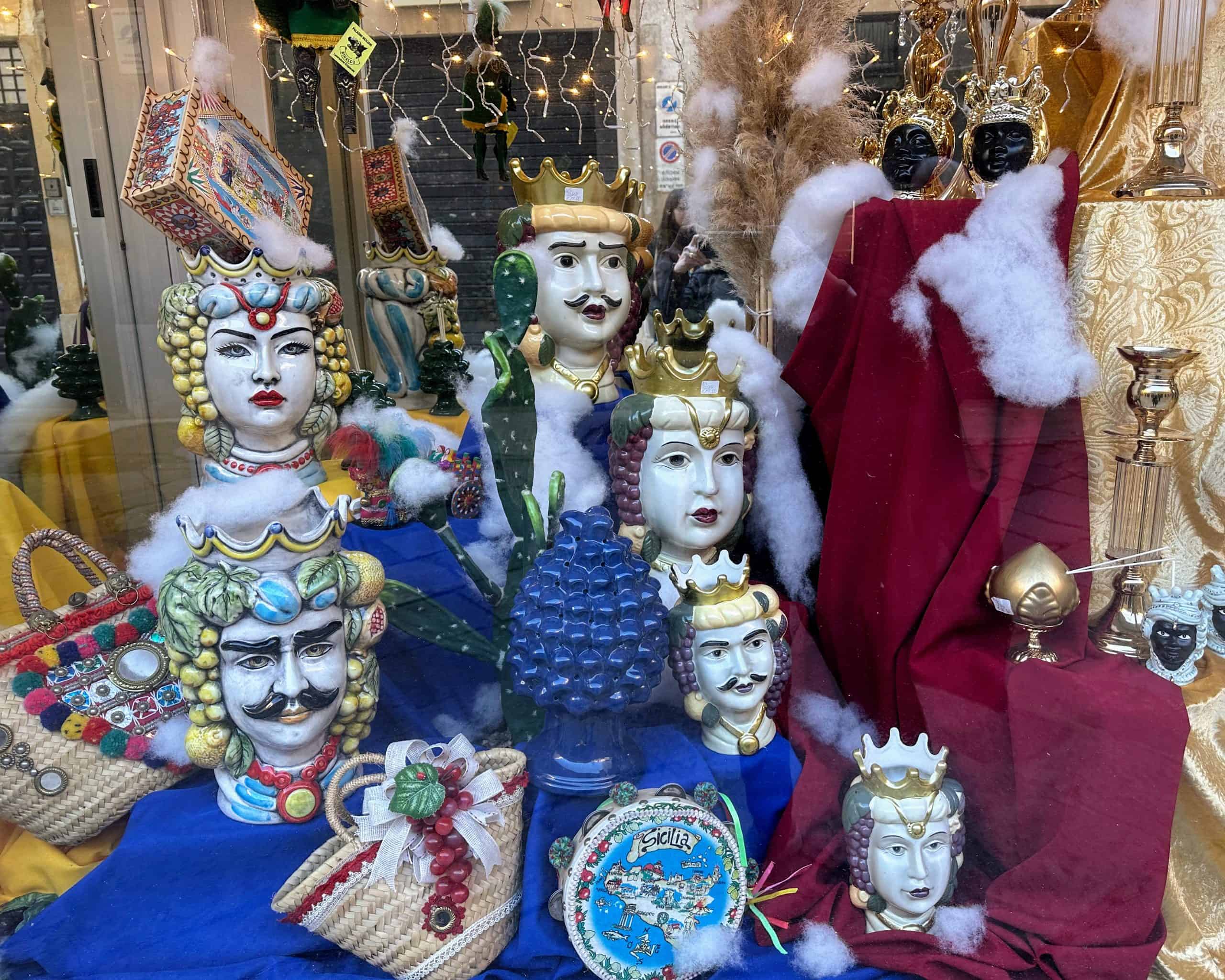
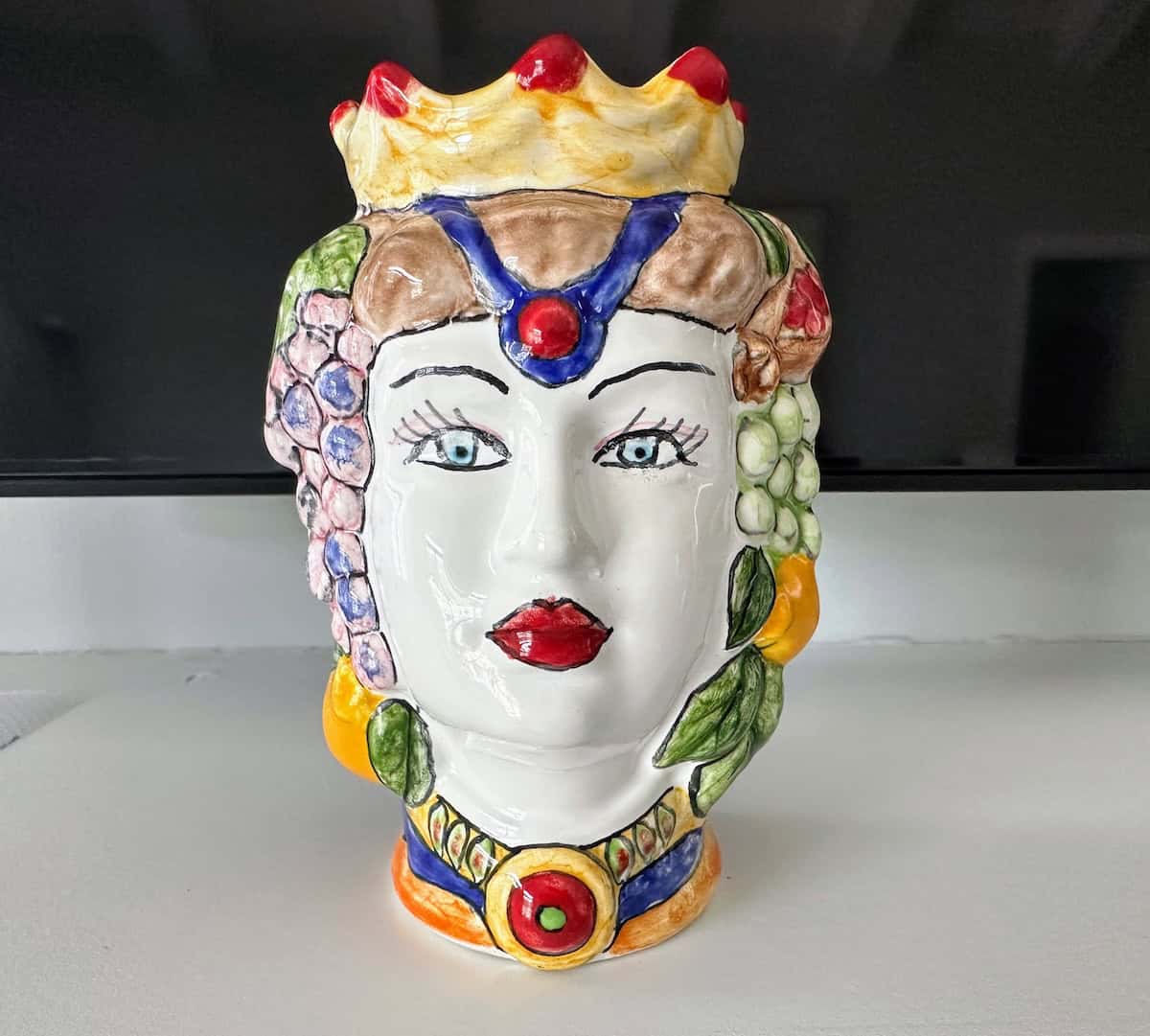
I knew I wanted to purchase a small, colorful, hand-painted Moor’s Head (Testa di Moro) vase for my kitchen as a souvenir, but I didn’t know how to determine its cost or quality. (I suspect that they even became more popular after the success of The White Lotus).
We were relieved that Paolo could attest to the authenticity and value of the products at this shop. She explained that this family-owned business handcrafted the heads as opposed to the many mass-produced knock-offs sold elsewhere. She also told us the ancient legend behind these popular Sicilian heads.
Meeting The Sweet and Savory Tastes of Palermo
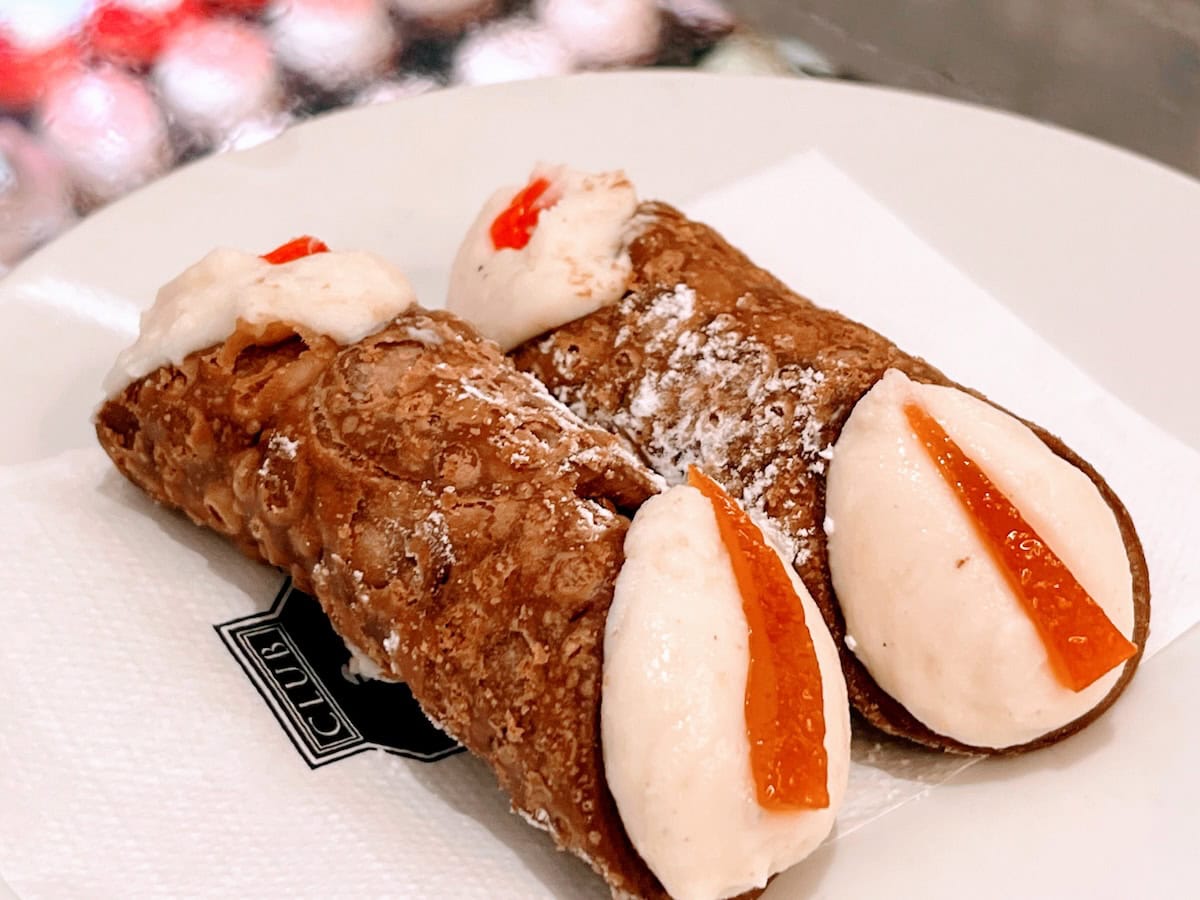
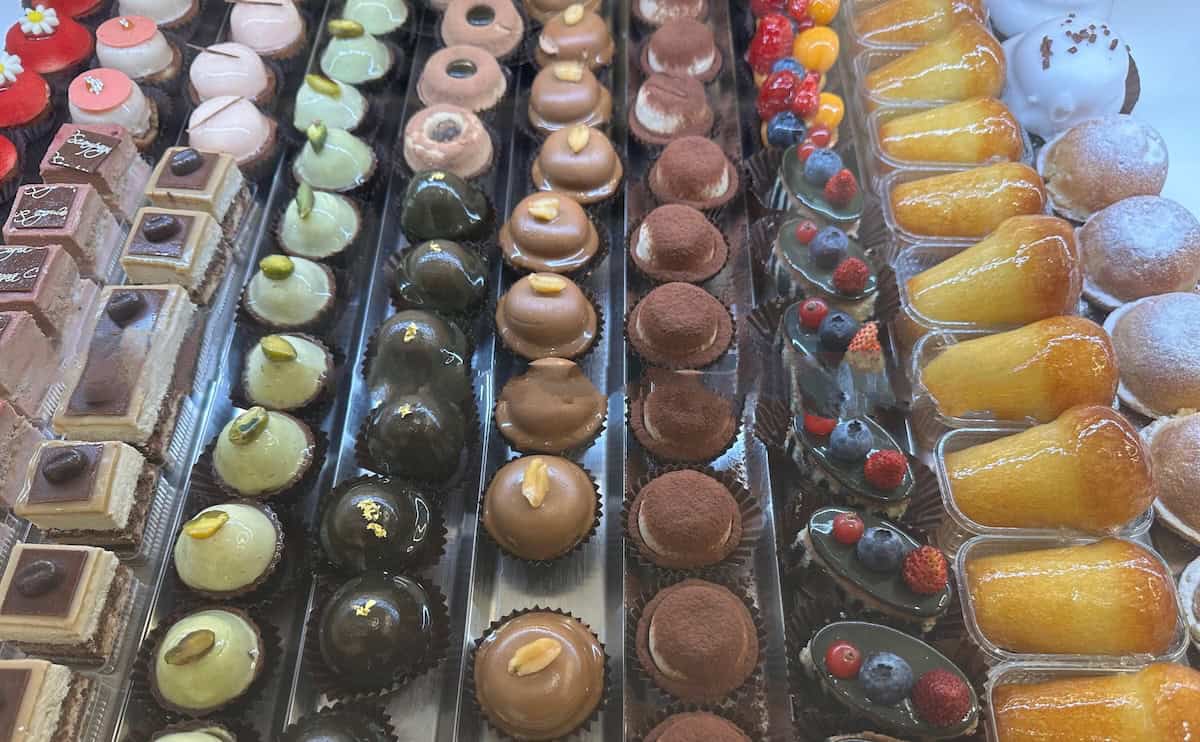
We began the day as most Italians do, with an espresso accompanied by a sweet pastry, in this case a cannolicchio (diminutive cannolo). Sciampagna, a relatively new and modern artisanal shop on Via Riccardo Wagner, elevated pastrymaking to an art. The glass cases were filled with mouth-watering sweets that resembled artisanal sculptures.
Unless you lived in Palermo, you would never find I Cuochini, a favorite of locals. It’s tucked inside a small courtyard off Via Ruggero. The delicious snack foods are sold from a counter, usually with a line extending out the door, but Paolo knew to stop here early in the morning.
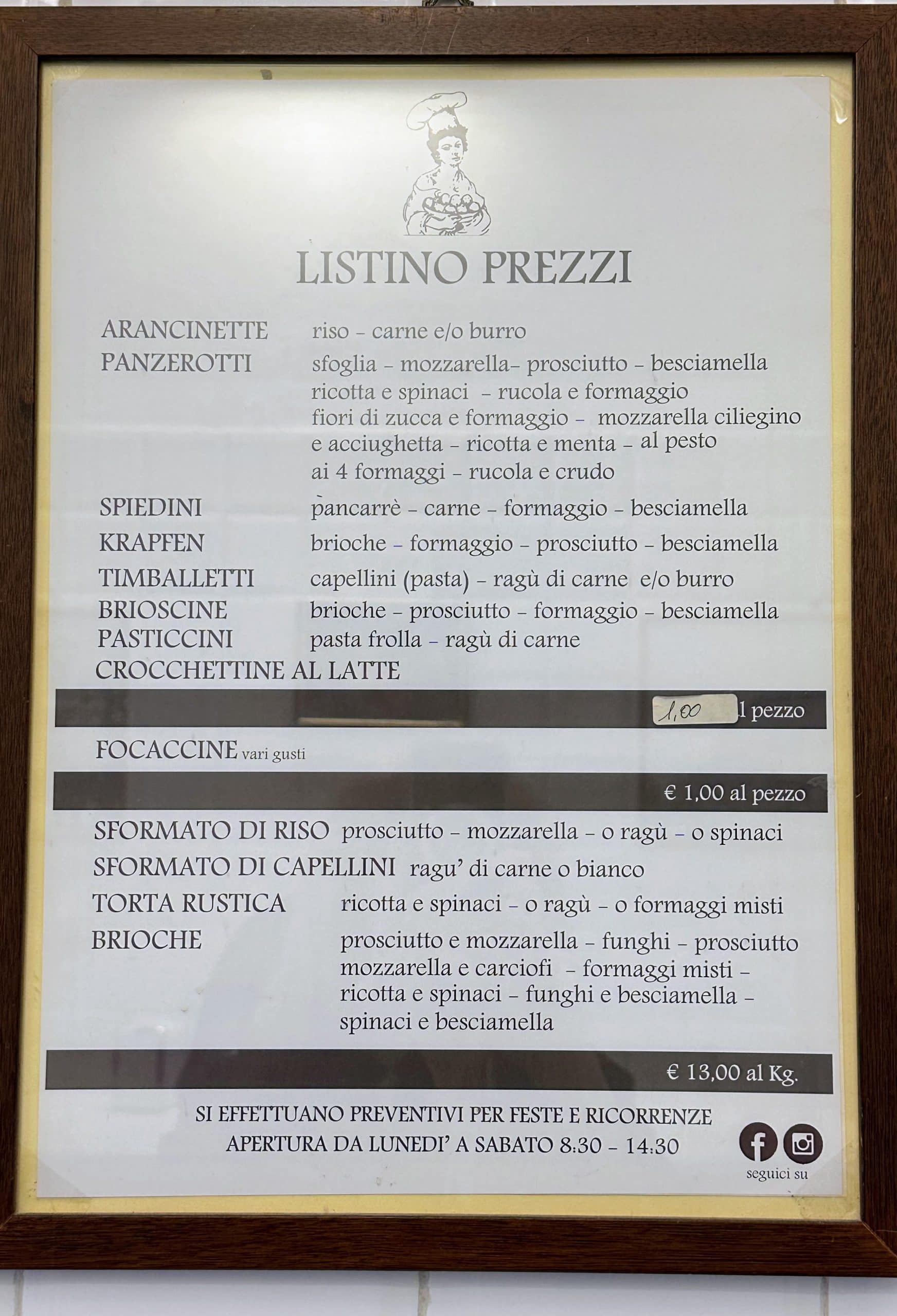
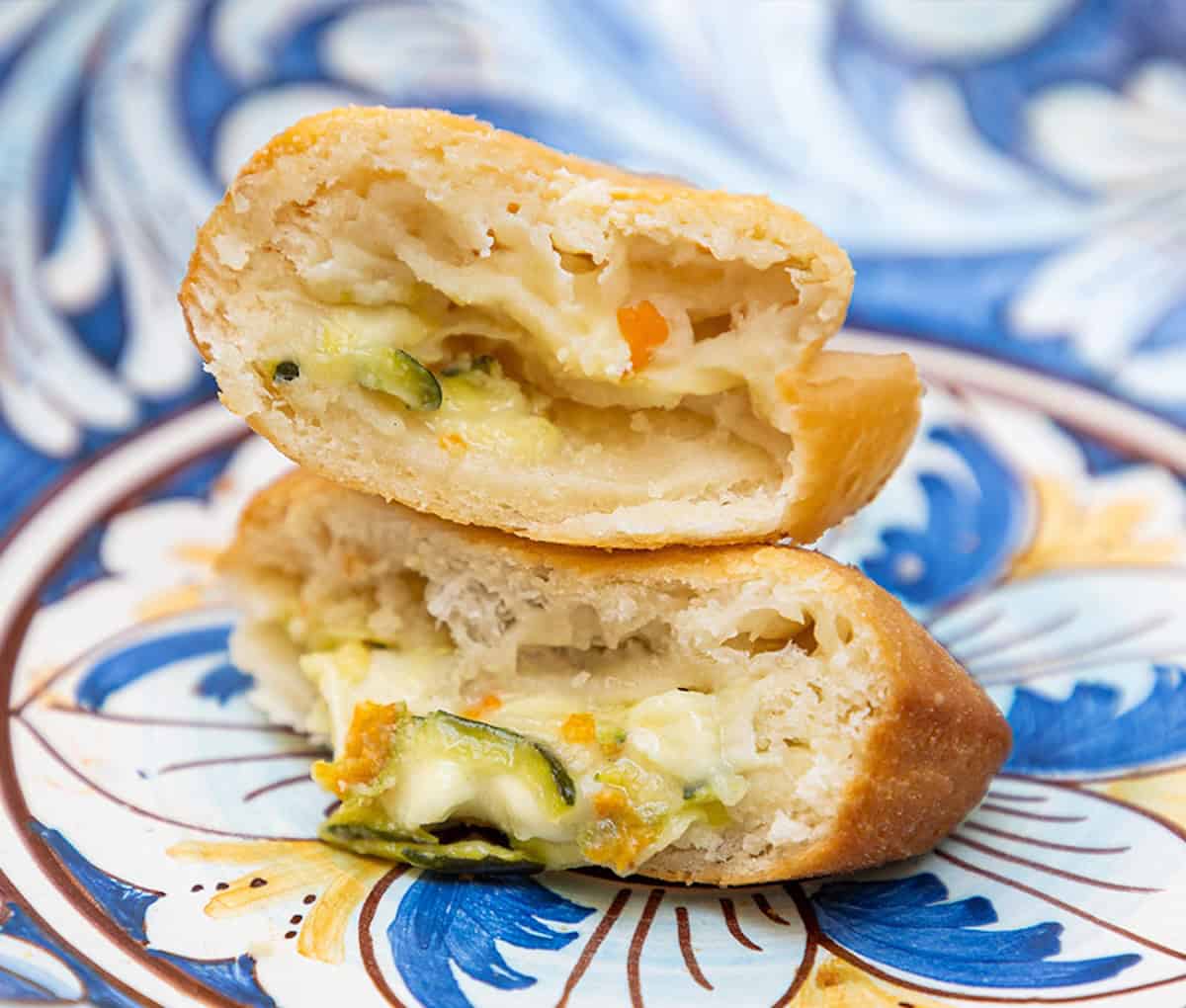
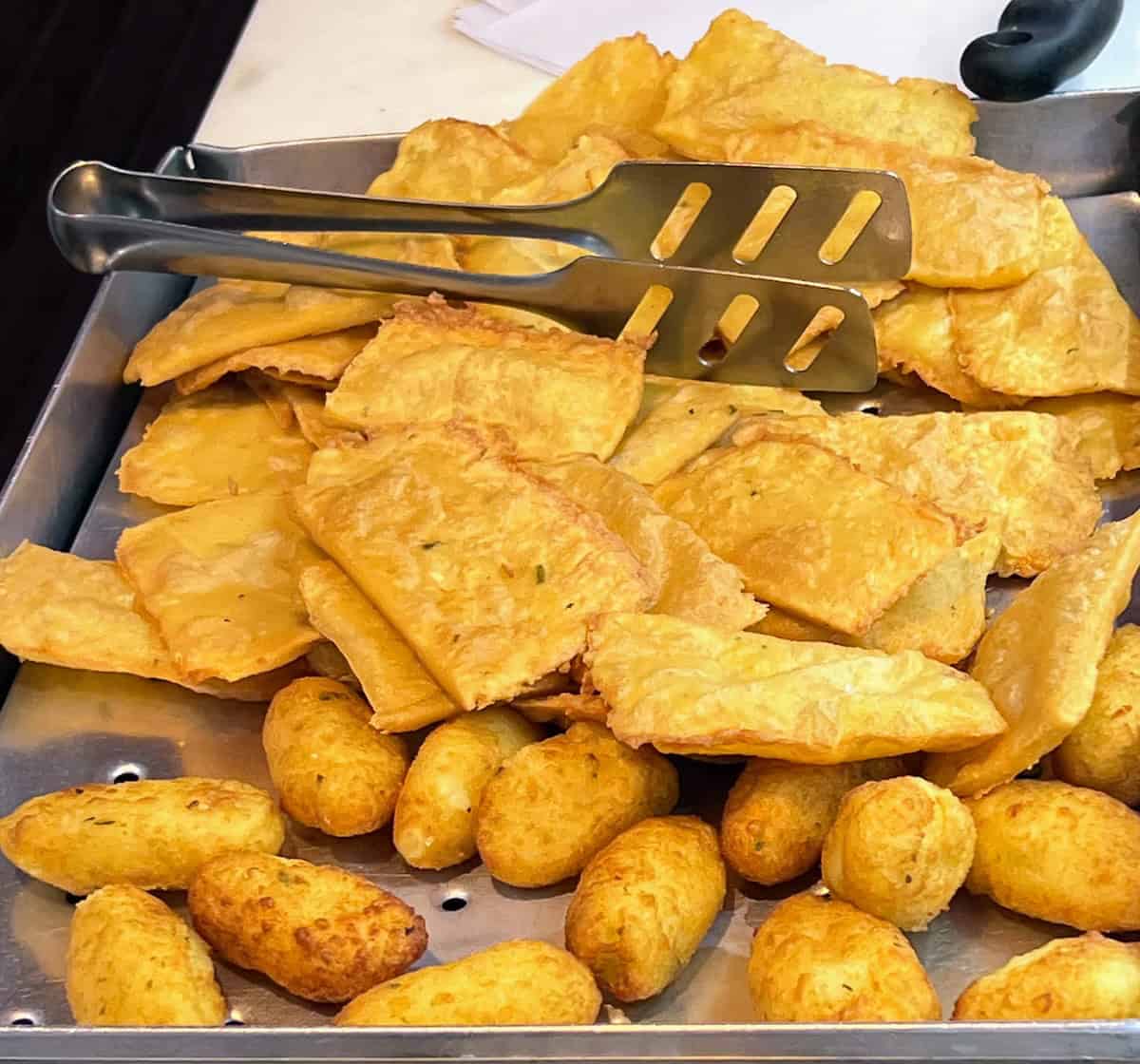
Called a rotisserie (because it serves grilled or fried meats), this location has been selling street food for takeout since 1826. We tasted a delicious panzarotto filled with cheese and ham, as well as a crochettine, a fried potato ball made with milk. Although the latter are usually made with potato (like a potato croquette), this one was made with milk and a savory bechamel sauce.
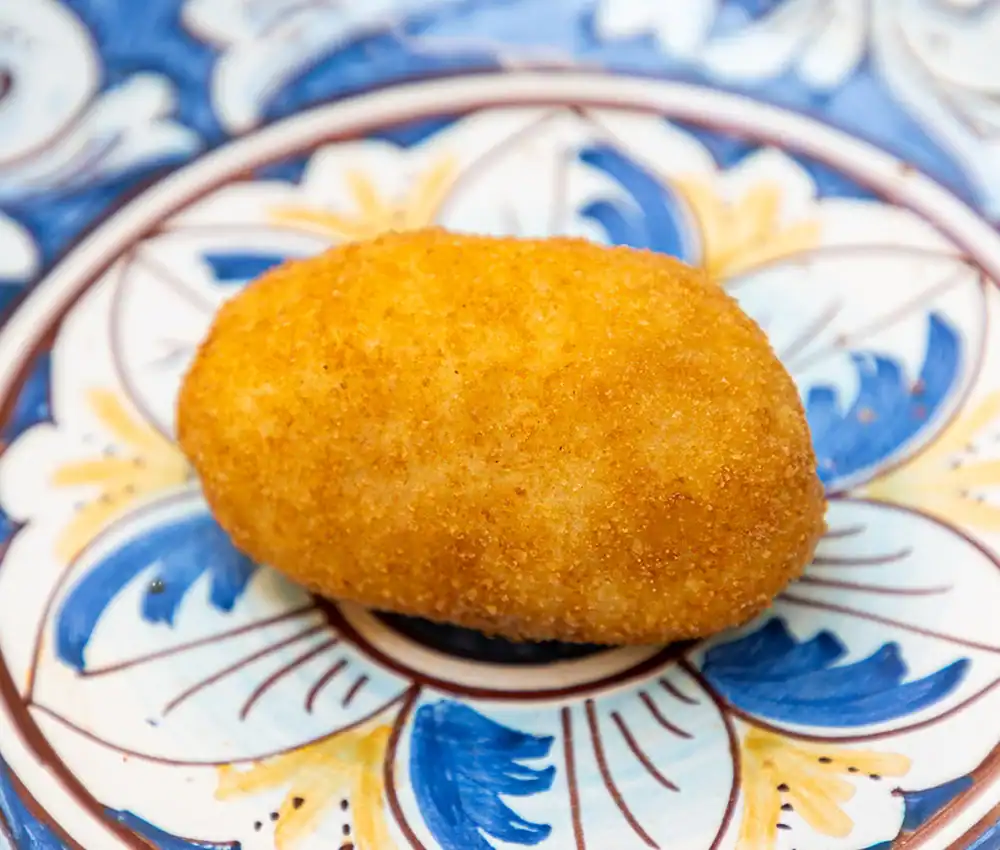
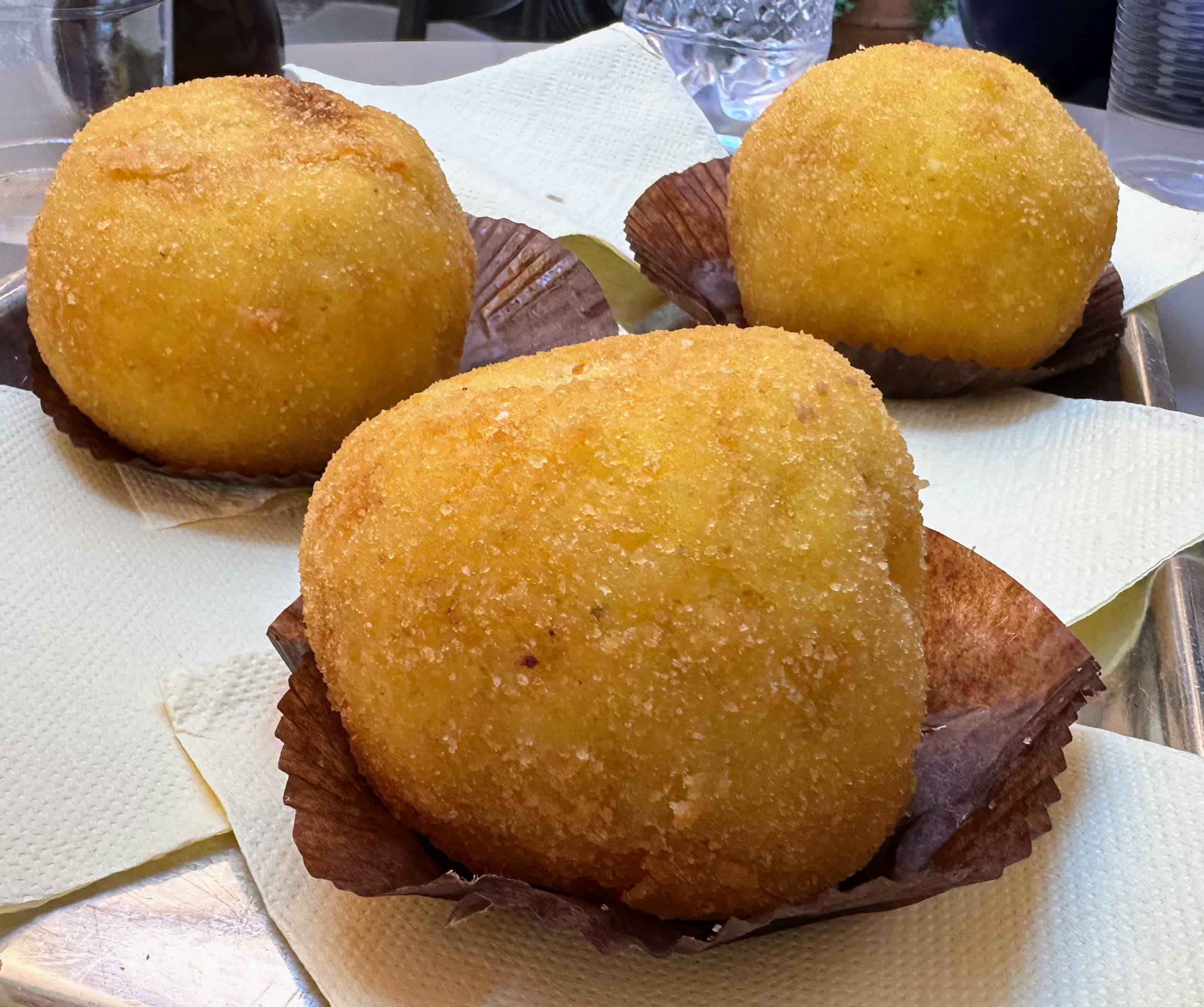
We snacked on arancine (rice balls) at another local place off the tourist track, Al Pezzo, but you can find them all over Palermo.
Breaded and fried with different fillings, they are a staple of Sicilian cuisine that immigrated across the ocean to America. Arancine date back to when Sicily was under Arab rule. Interestingly, the singular form in Palermo is arincina, but in the eastern parts of Sicily, the term arincino is favored.
To Market, To Market On A Palermo Culinary Tour
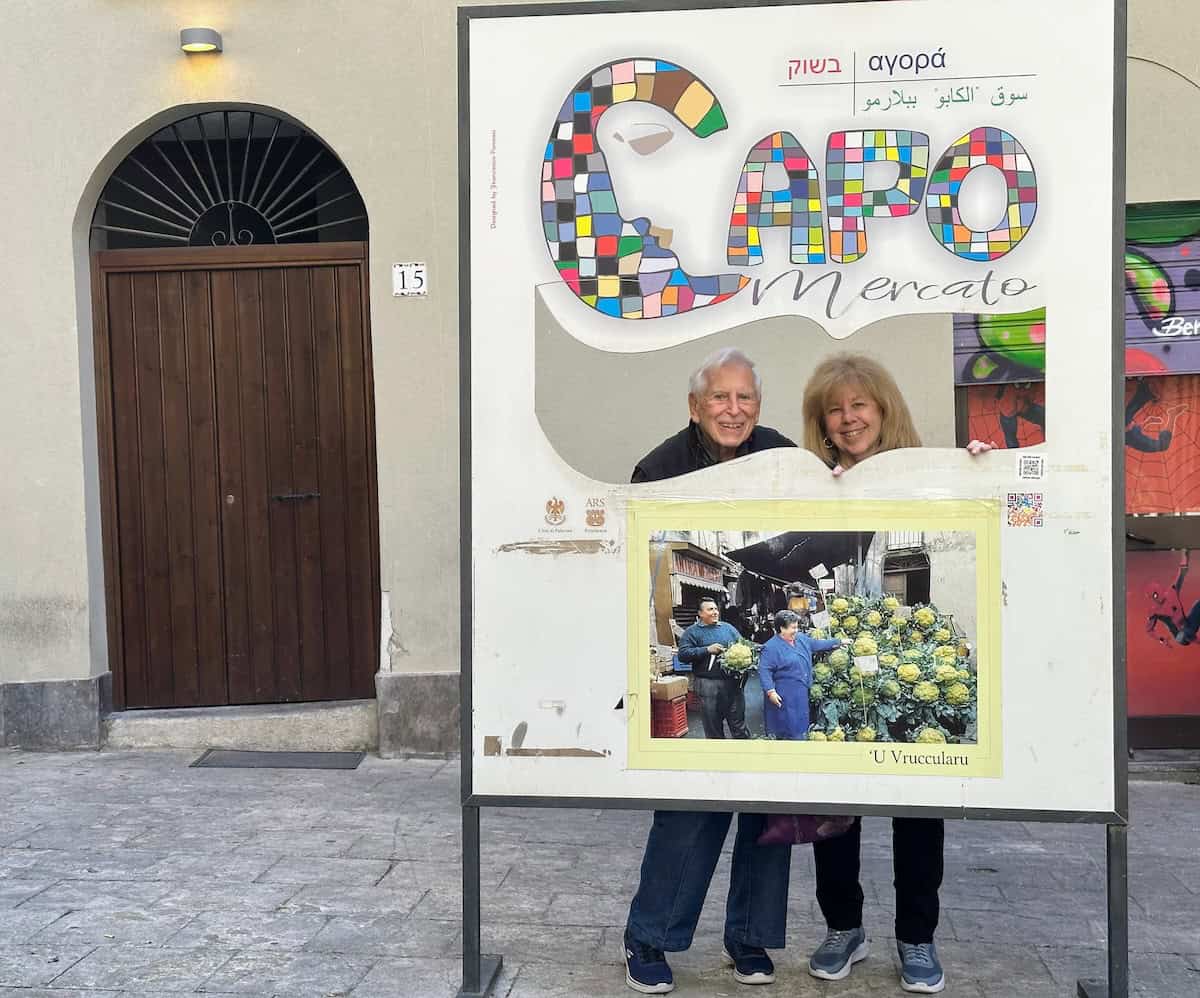
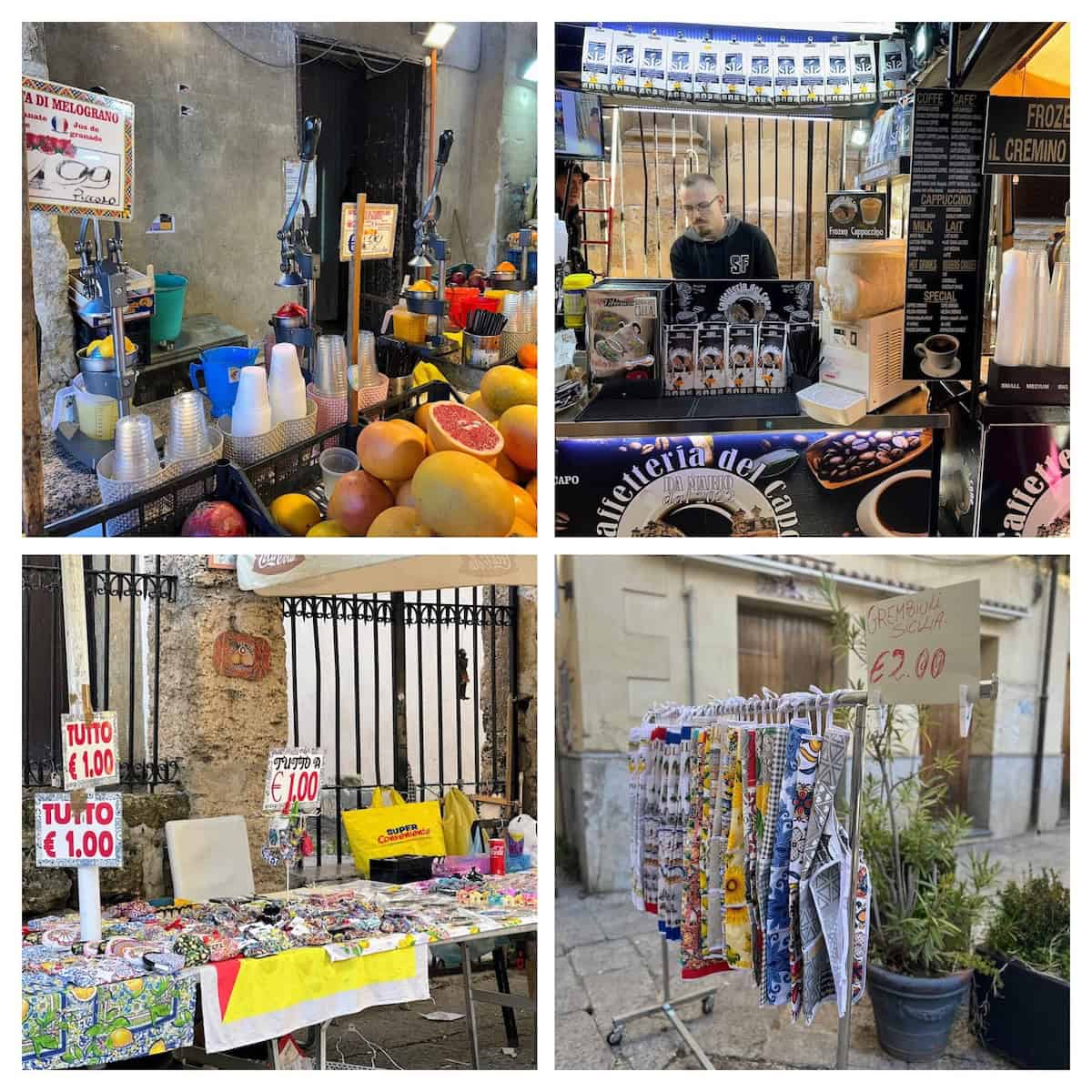
Paola explained that the four ancient markets in Palermo each have their own distinct personality. Although the Capo Market, with a hint of Arab influence, was primarily agricultural, peddlers on both sides of the narrow street manned stands selling a wide range of goods, including cooked street food, fish, meat, cheese, home goods, and more.
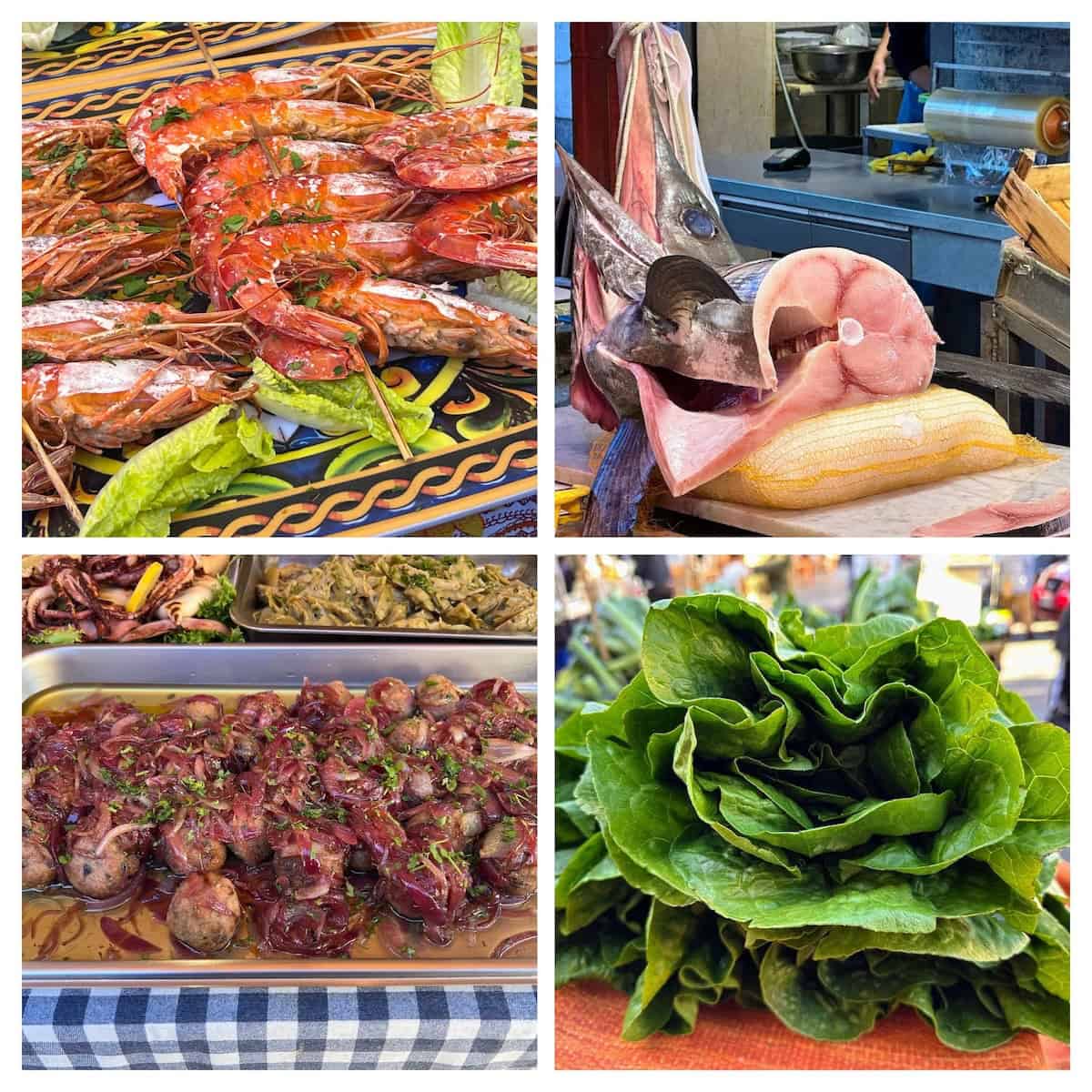
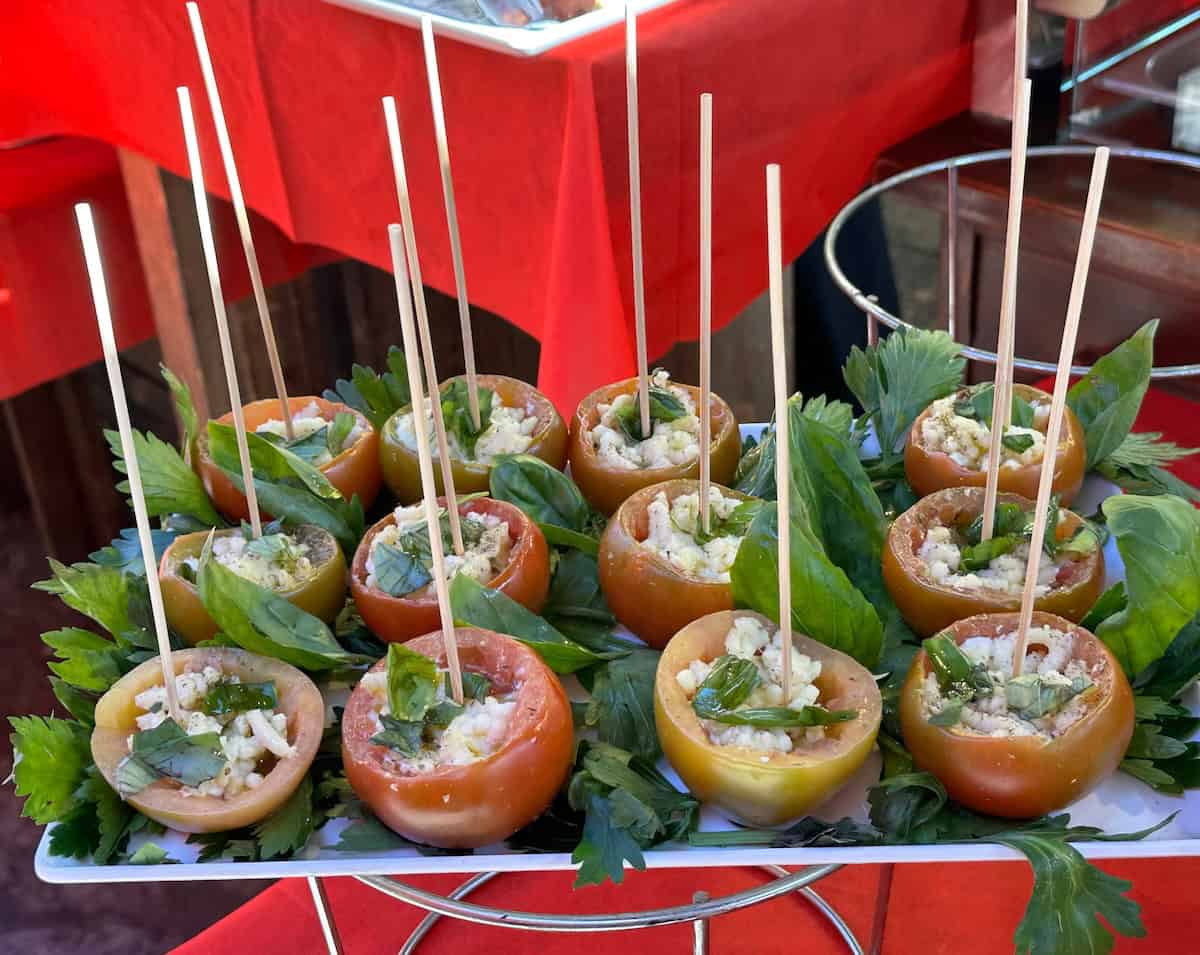
At Pescaria Igro, a tiny hole-in-the-wall on the same Capo market street, we tasted freshly fried fish.
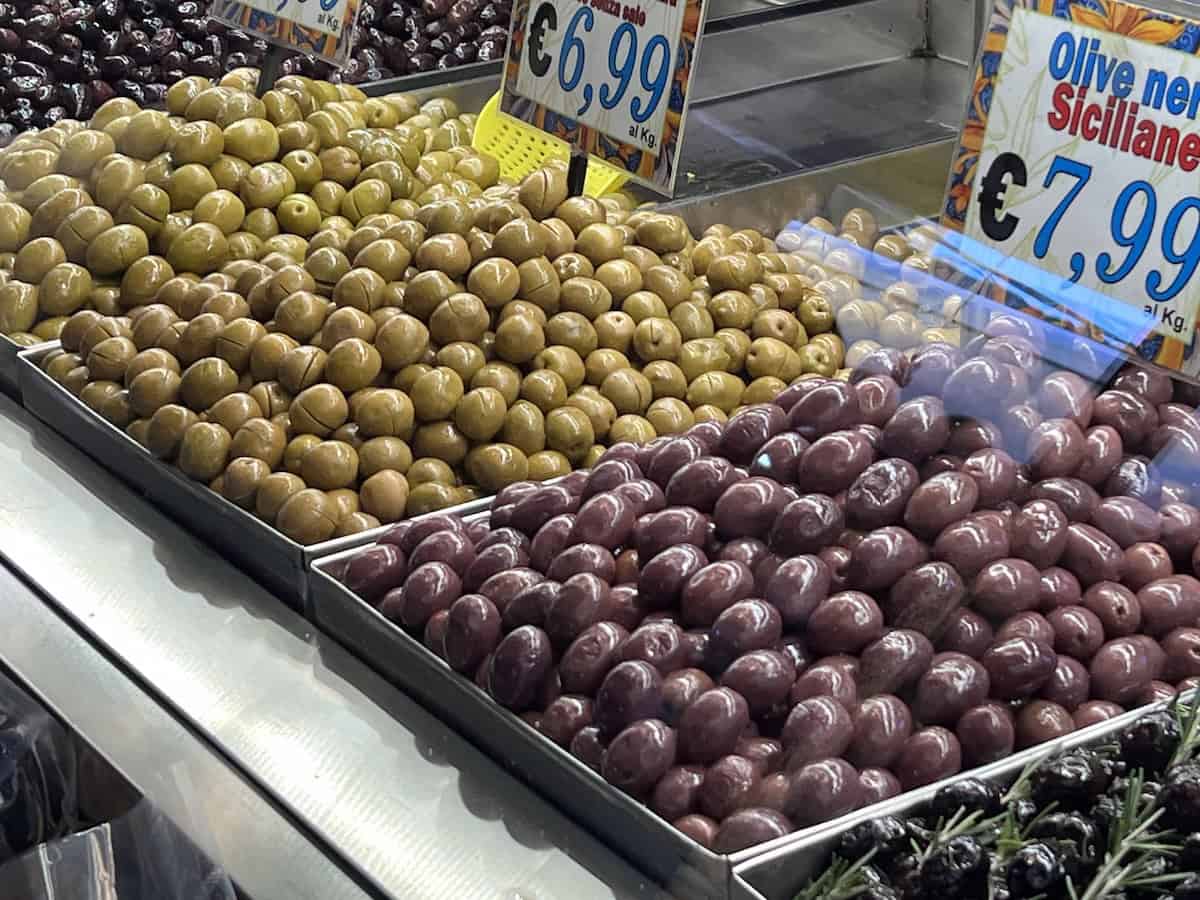
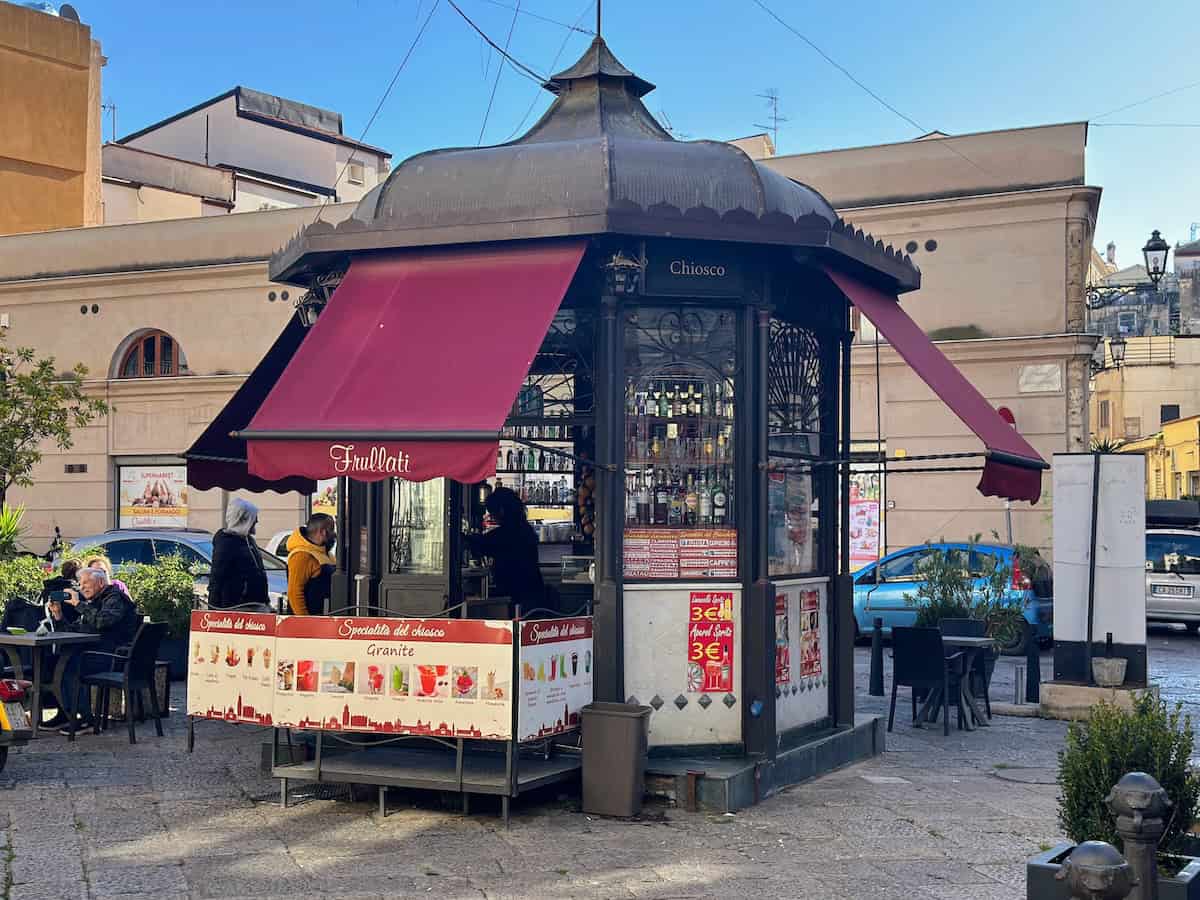
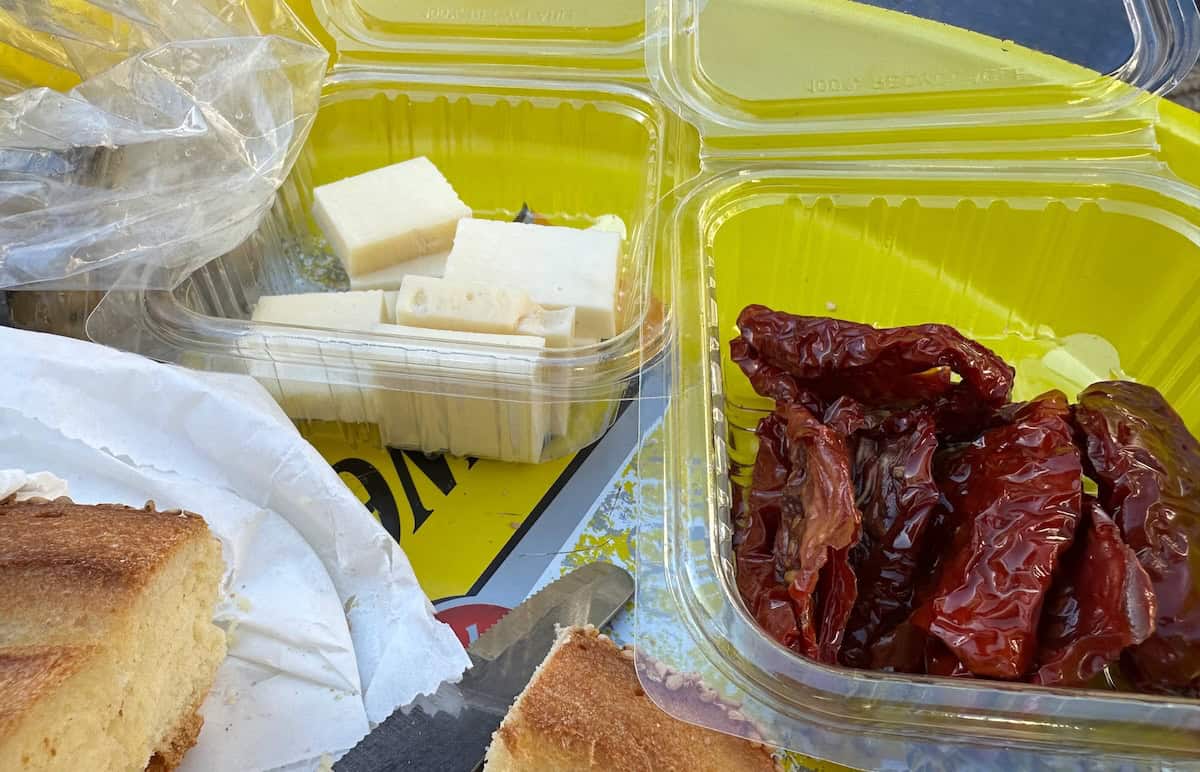
We stopped at a small kiosk on the street for soft drinks. After we sat down, Paolo scooted into a small supermarket, returning with containers of local cheese, olives and dried tomatoes.
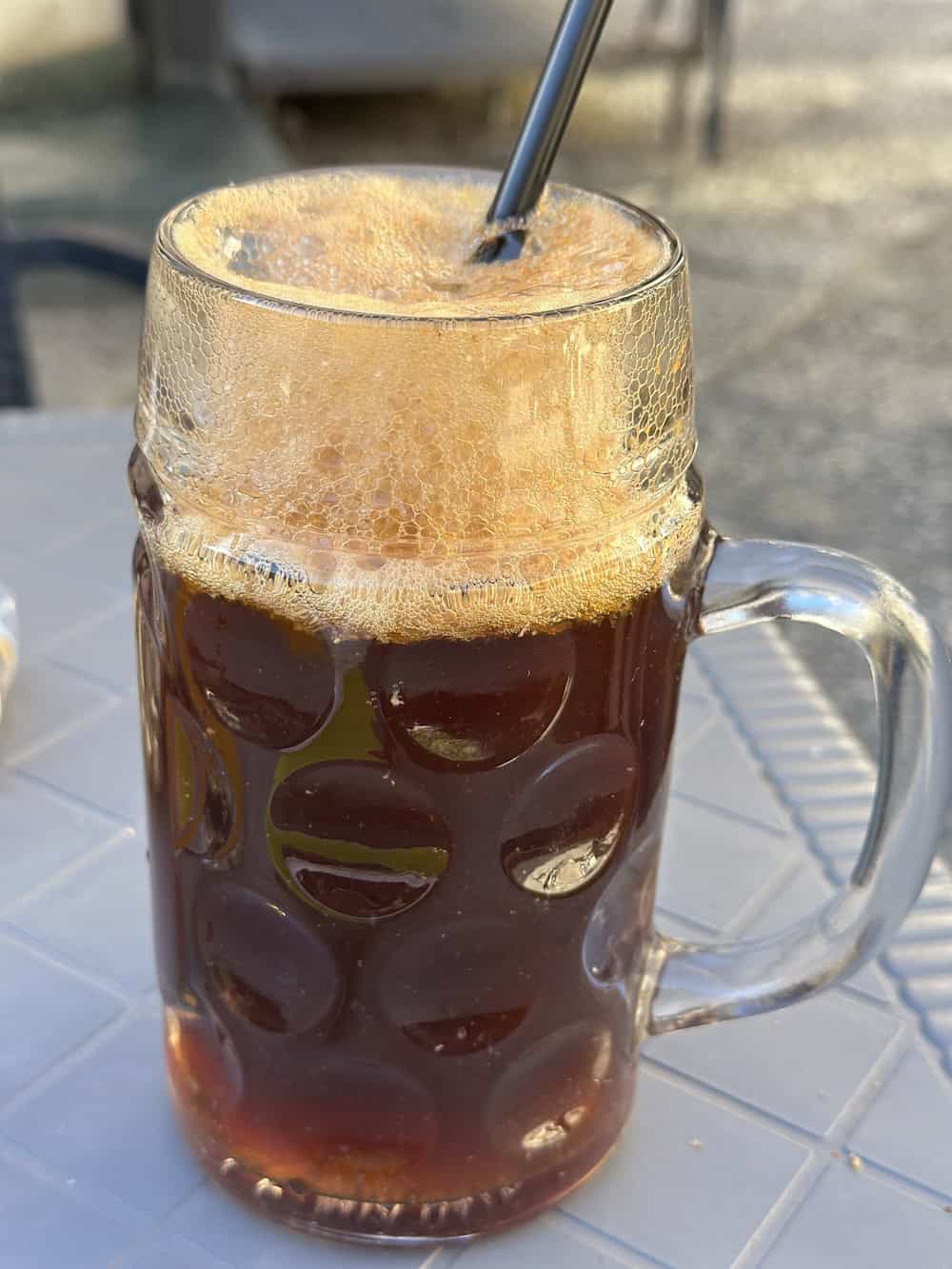
We also got to taste a tamarindo, a typical warm-weather drink in Palermo made with tamarind syrup, water and ice. The drink is said to have a blend of Mediterranean and Arab influences.
Walking The Walk On A Food Tour
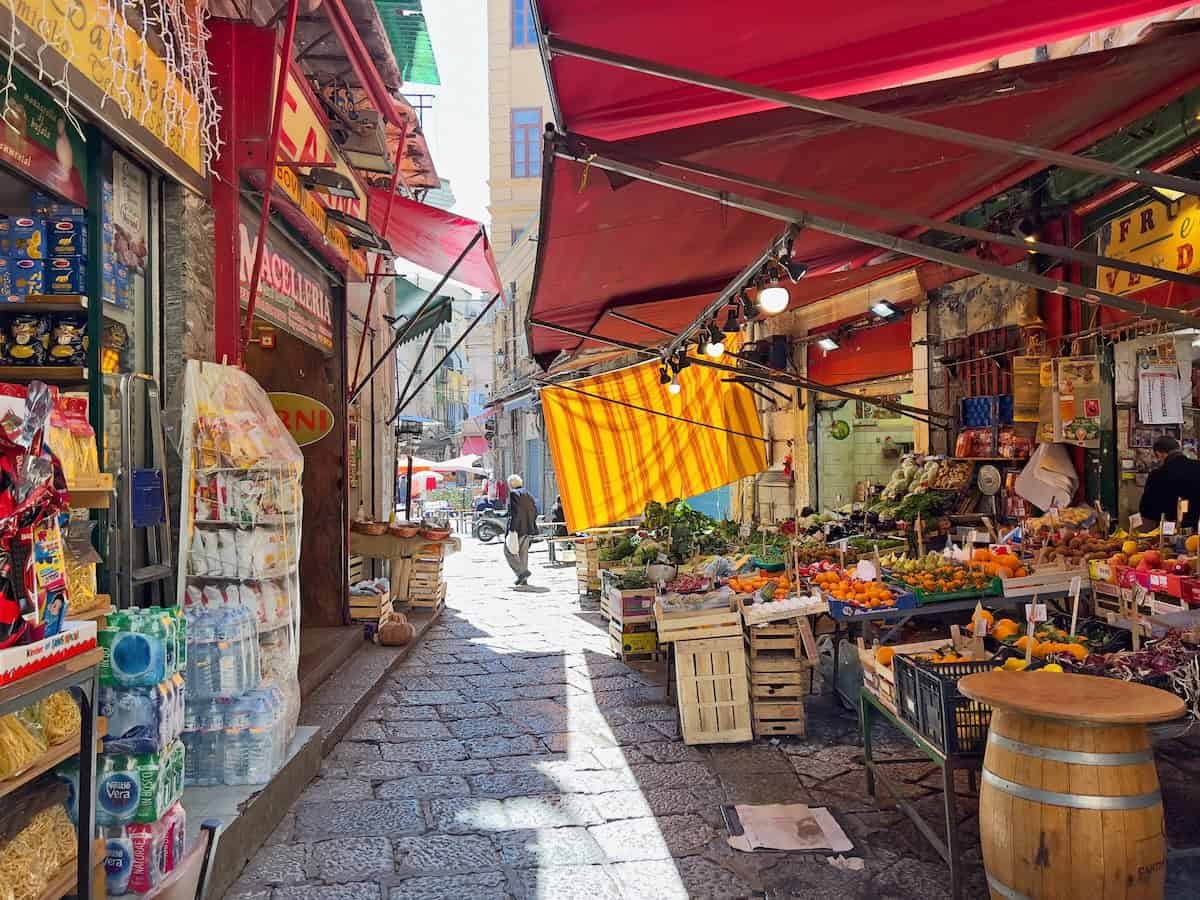
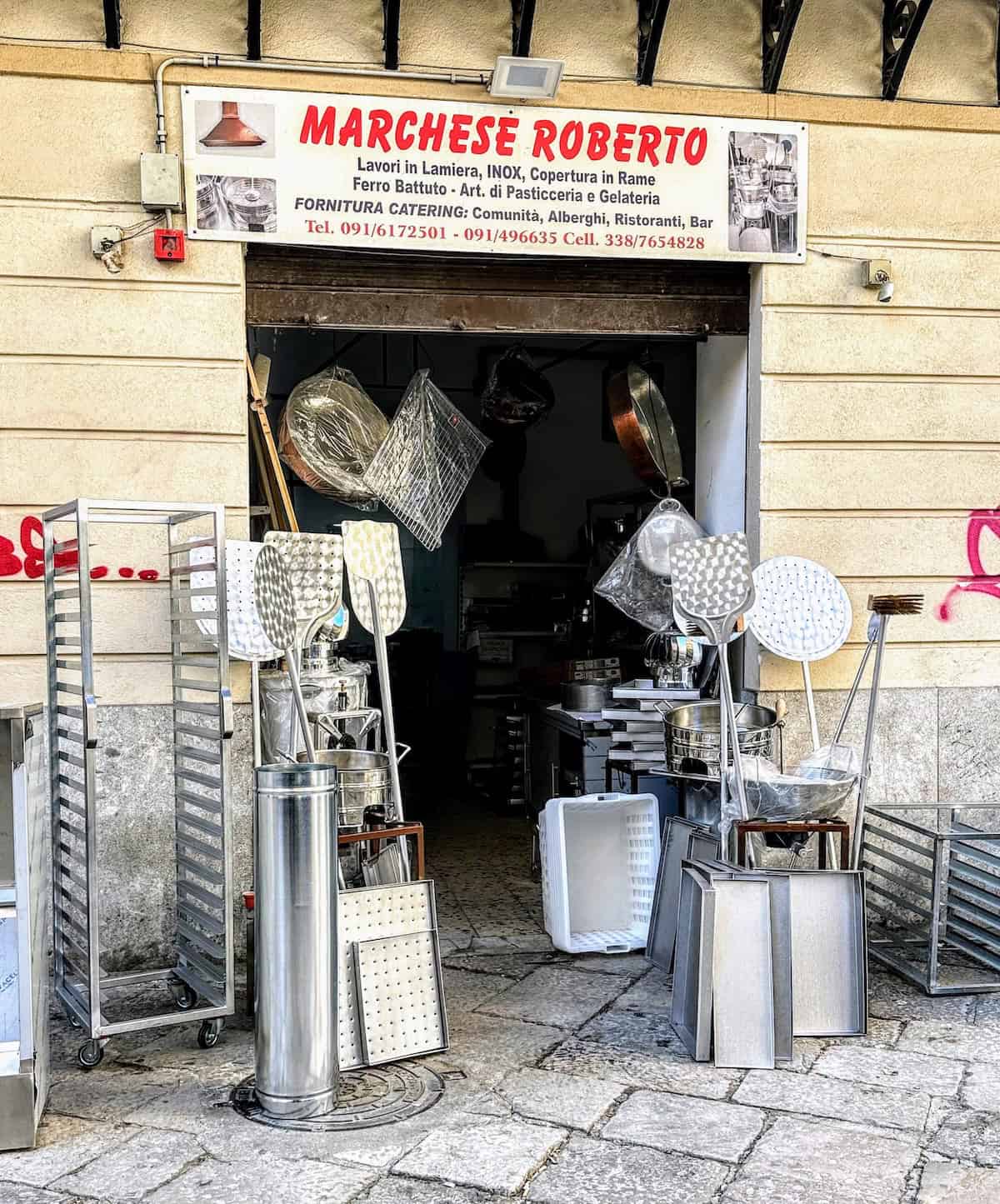
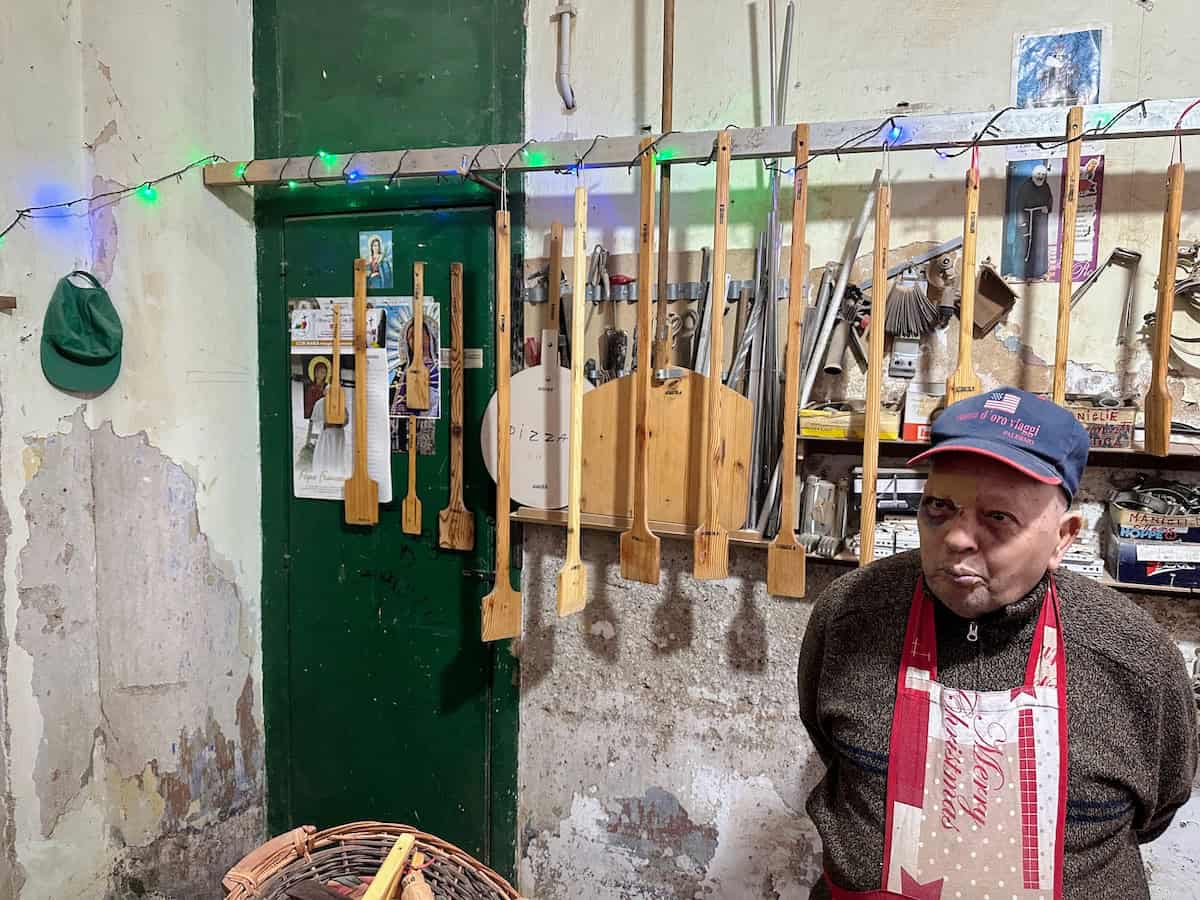
Walking enabled us to get a sense of different people, neighborhoods and landmarks as well. We passed shops where craftsmen made large pots for the markets and sold restaurant equipment, as well as smaller shops where wooden tools were still crafted by hand.
We passed an area in the historic center that once was the city’s Jewish Ghetto. The expulsion of Jews by the Spanish between 1492 and 1493 ended any Jewish presence in Sicily.

Our foray to the Capo Market prepared us for what would be our next stop: the Ballaro Market, the largest in the city, which is its most chaotic, crowded and loud market.
We were stuffed to the gills, from what we had already eaten (and seen), before we stopped at Osteria Mangia and Bevi. The place was filled with locals just before lunchtime, drawn by a menu featuring typical home cooking. The popular restaurant was located on a small piazza on Via Cavalieri di Malta, behind the Church of San Domenico, which is known as the “Pantheon of Sicilians.”
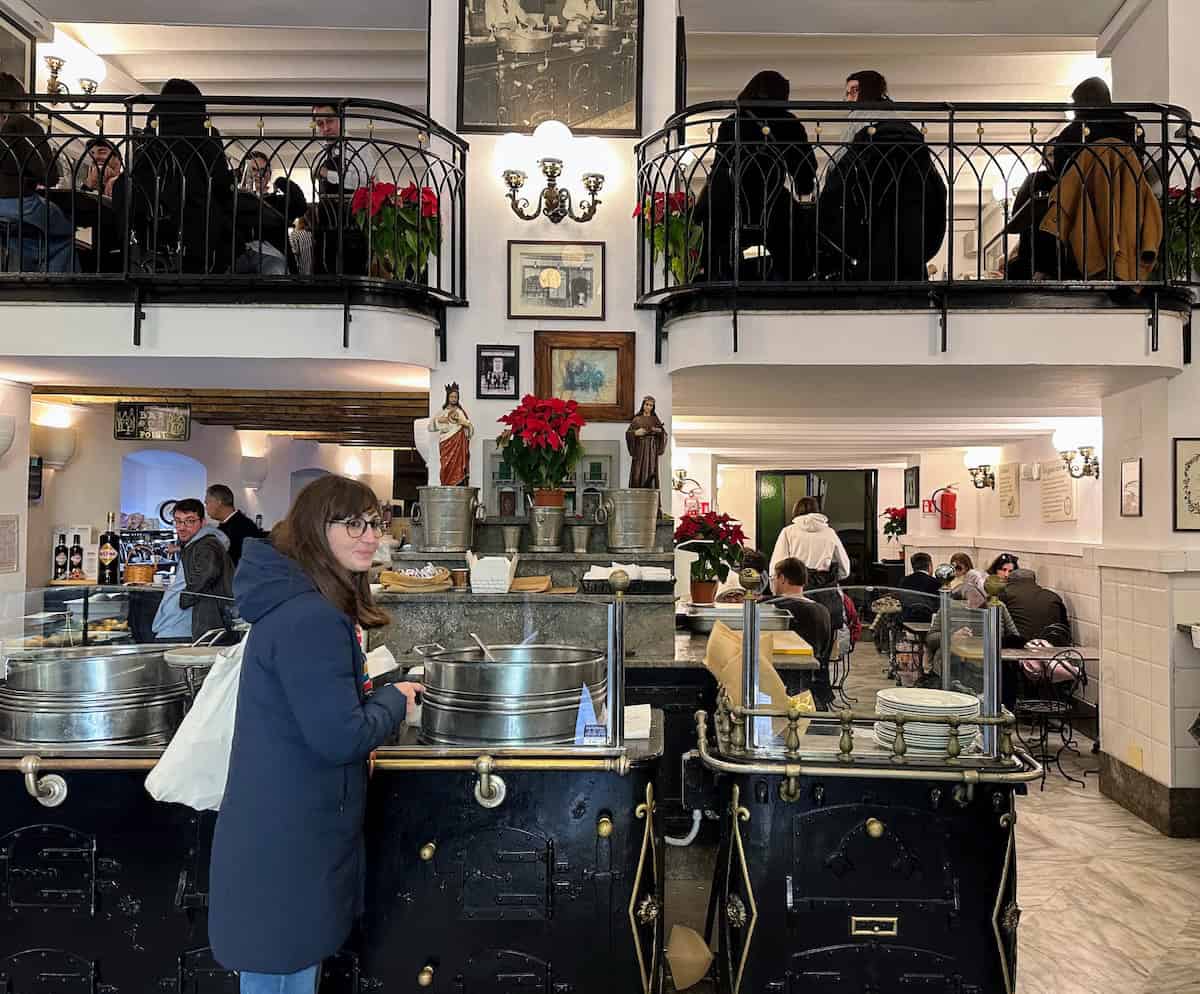
Antica Focacceria San Francesco is opposite the Gothic church of the same name (San Francesco). The restaurant’s cast-iron kitchen equipment dates back to 1834, made by the famous Florio family of Sicily (who were credited with introducing canned tuna).
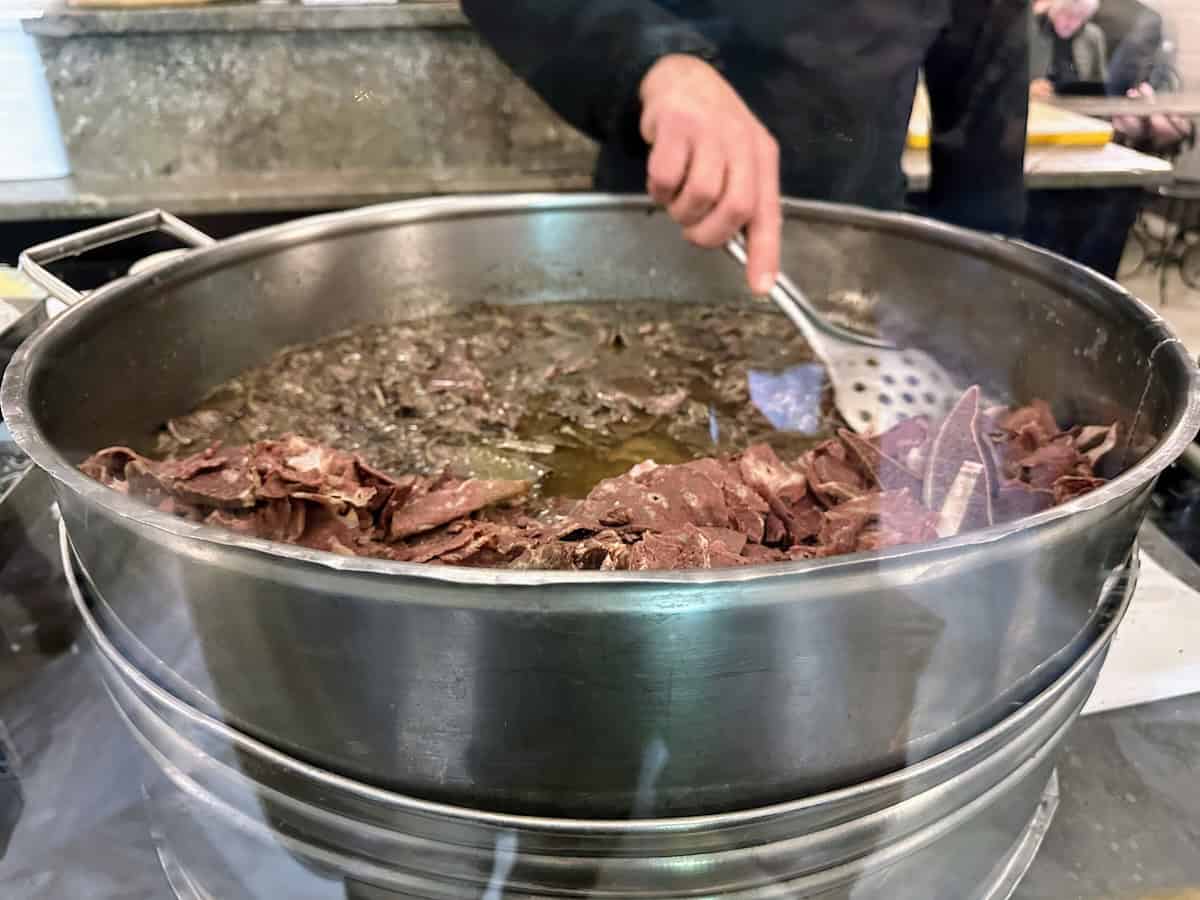
Spleen sandwiches (pani ca Meusa) are one of the specialties here. The organs (usually thinly sliced veal spleen and lung) are fried and served on a roll. The dish traces its roots to Palermo’s Jewish community because Jewish butchers received the organs as payment for slaughtering animals (for which they couldn’t accept money. It is also one of the dishes that is rarely found anywhere else but in Palermo.
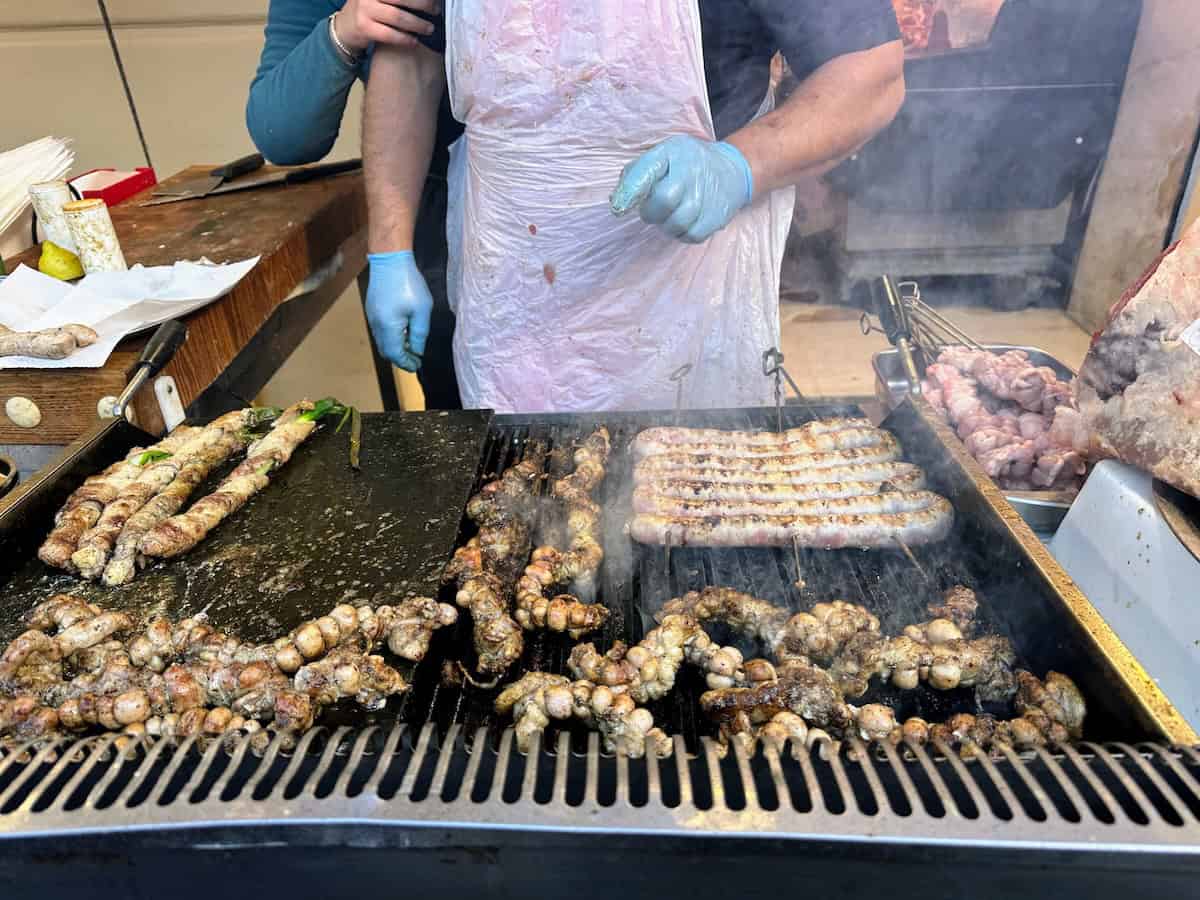
The spot is also known for its panella (chickpea fritters) and perhaps the most infamous Sicilian street food, stigghiola. The aromatic sandwiches are filled with animal intestines (most commonly lamb) that have been cleaned, seasoned and grilled over an open flame, and typically eaten with lemon.
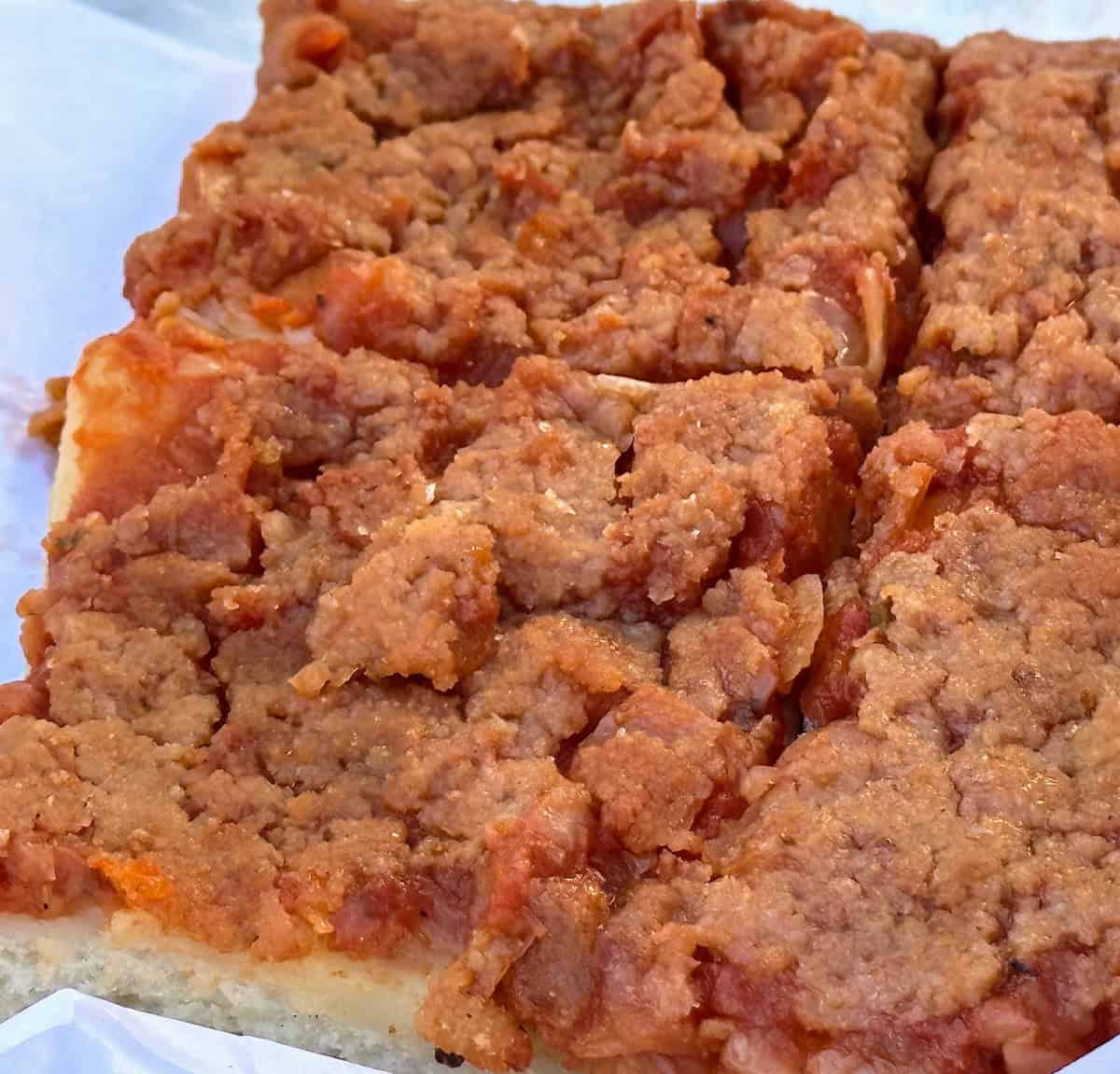
As cautious travelers, we passed on the intestines, but we indulged in tasting (Sicilian pizza), a delicious cross between pizza and focaccia, also created by Palermitano nuns.
Soft dough is covered with savory onions, tomato sauce, and caciocavallo, a typical Sicilian cheese. Paolo explained that the traditions of cucina povera underlie many recipes of Palermo and Sicily, like this one, due to the region’s history of poverty. In this case, the nuns used their old bread to create a nutritious food rather than let it go to waste.
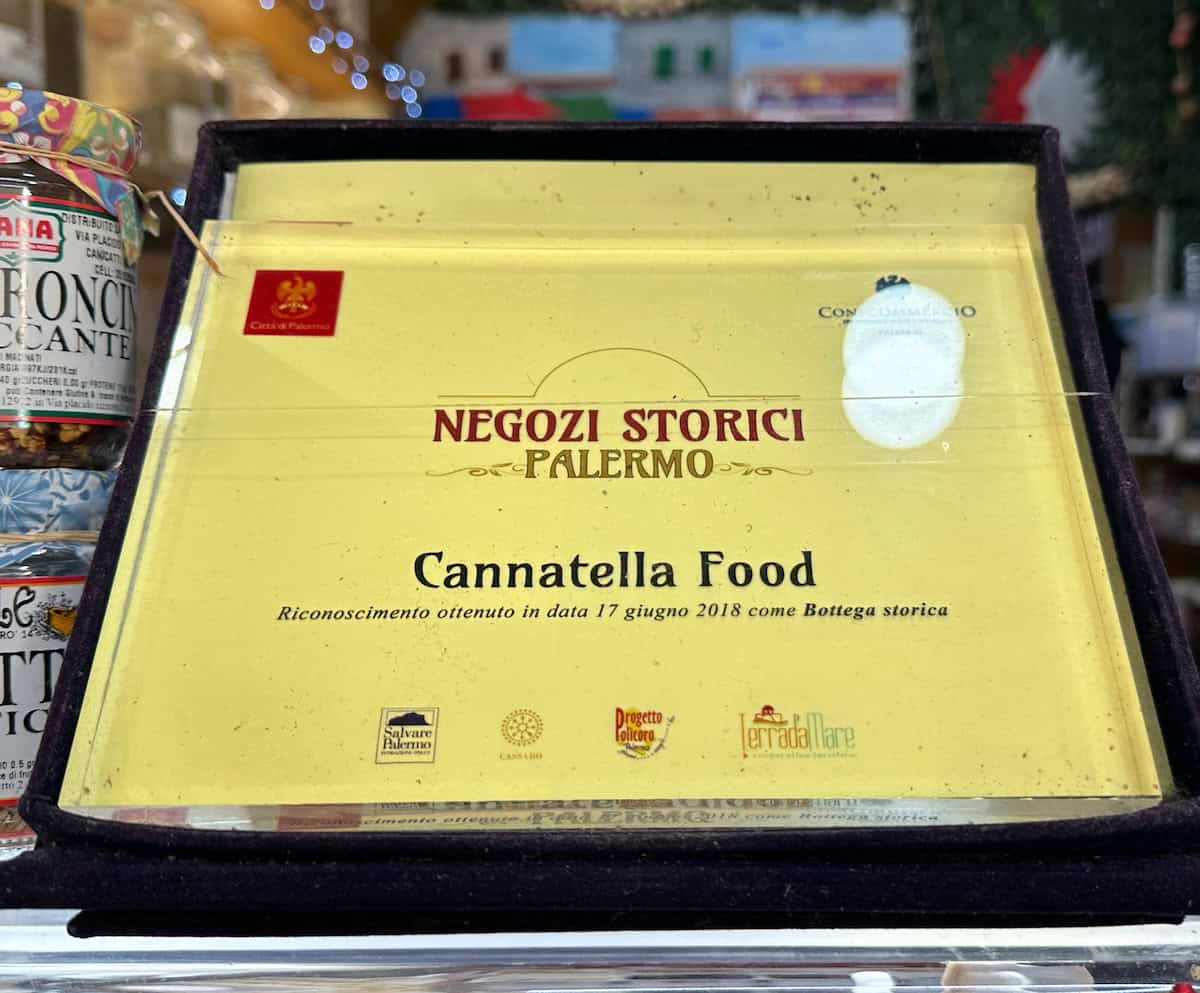
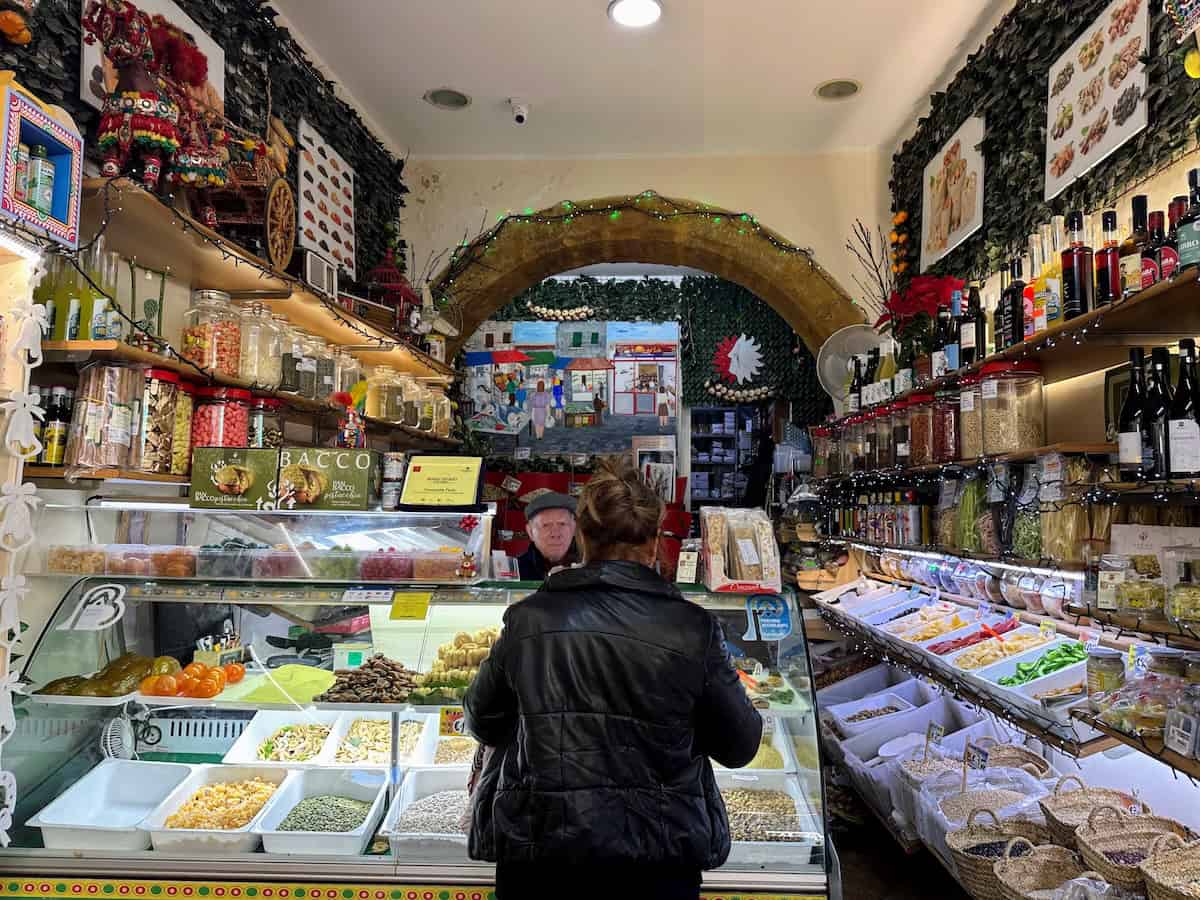
One permanent stall at the market was at a very orderly Canatella Food, known for its nuts, sweets, and liqueurs. It has been designated as a historic shop by the city. The vendor allowed us to taste some of his delicious pistachios, which we purchased to take home.
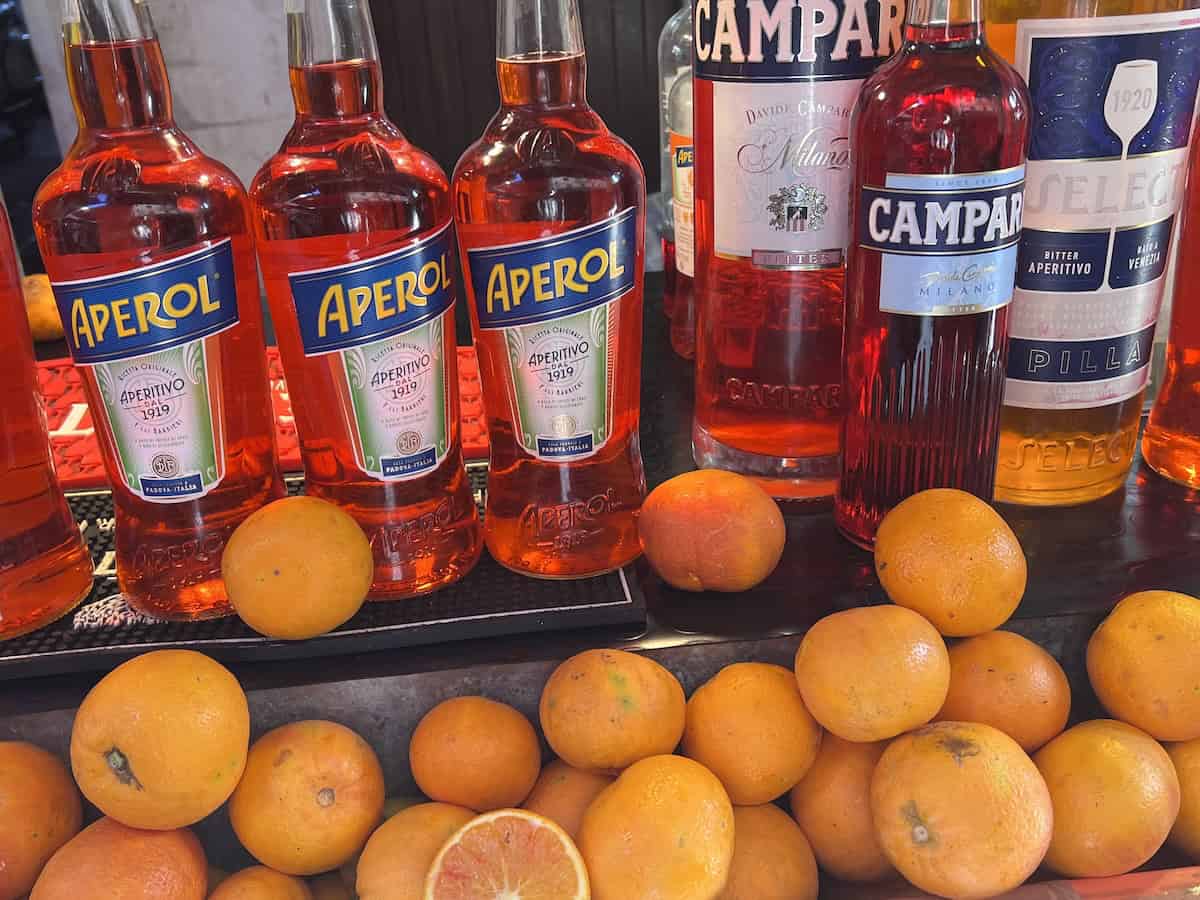
Of course, we had to end our tour without a few more sweet tastes of almond pastries paired with amaro. Our final stop was at Cafe Luca, an artisanal pastry and gelato shop, in Piazza Marino.
Our culinary tour of Palermo not only helped us learn about the city’s famous foods and decadent desserts but also its history and culture.
Yes, we could have conducted extensive research at home and used our senses to follow the aromas of the foods in the maze of narrow streets. But we wouldn’t have had the same rich experience that we did on this private culinary tour of Palermo.
We said goodbye to Paola, and she helped us hail an Uber back to our hotel.
6 Reasons To Book A Private Culinary Tour of Palermo, Italy
1- The food tour offered an overview of Palermo’s history and geography, as well as an introduction to its distinctive culinary specialties.
2- A private tour allowed us the flexibility to set our own pace, stopping when we wanted without worrying about a group.
3- Spending the day with a local allowed us to learn about her life in Palermo. She was also able to introduce us to historic sites and landmarks.
4- Our guide had unique knowledge and personal relationships that steered us to more authentic stops and tastes rather than the most touristic ones. She was able to take us to places we never would have known about or found on our own.
5- The cost of the culinary tour was all-inclusive. We didn’t have to dig into our pockets each time we stopped for food or a drink.
6- A small thing, but we had a willing and able photographer to take our photo.
Note: Sicily was named the 2025 European Region of Gastronomy by the International Institute of Gastronomy, Culture, Arts and Tourism (IGCAT).
“Sicily’s gastronomy is a testament to centuries of cultural exchange, as each civilization that passed through left its mark, from ingredients to preparation techniques,” said Vincenzo Russo, a professor at the University of Milan. “Sicilian cuisine is a living narrative of history, identity, and creativity.
Disclosure: We received a discounted rate for our Culinary Backstreets food tour of Palermo, but any thoughts expressed in this post are our own.
Save to Pinterest!!