Visiting Sun Studio in Memphis: Walking in Elvis’ Footsteps

Contributor Jackie Sheckler Finch visits Sun Studio in Memphis, the “Birthplace of Rock ‘n’ Roll” and discovers the sounds from the past that created the music genre.
On a hot summer day in 1953, a shy Elvis Presley stopped by Sun Studio to make a recording of “My Happiness.” Local lore says the July 18th recording was intended as a belated birthday present for his mother.
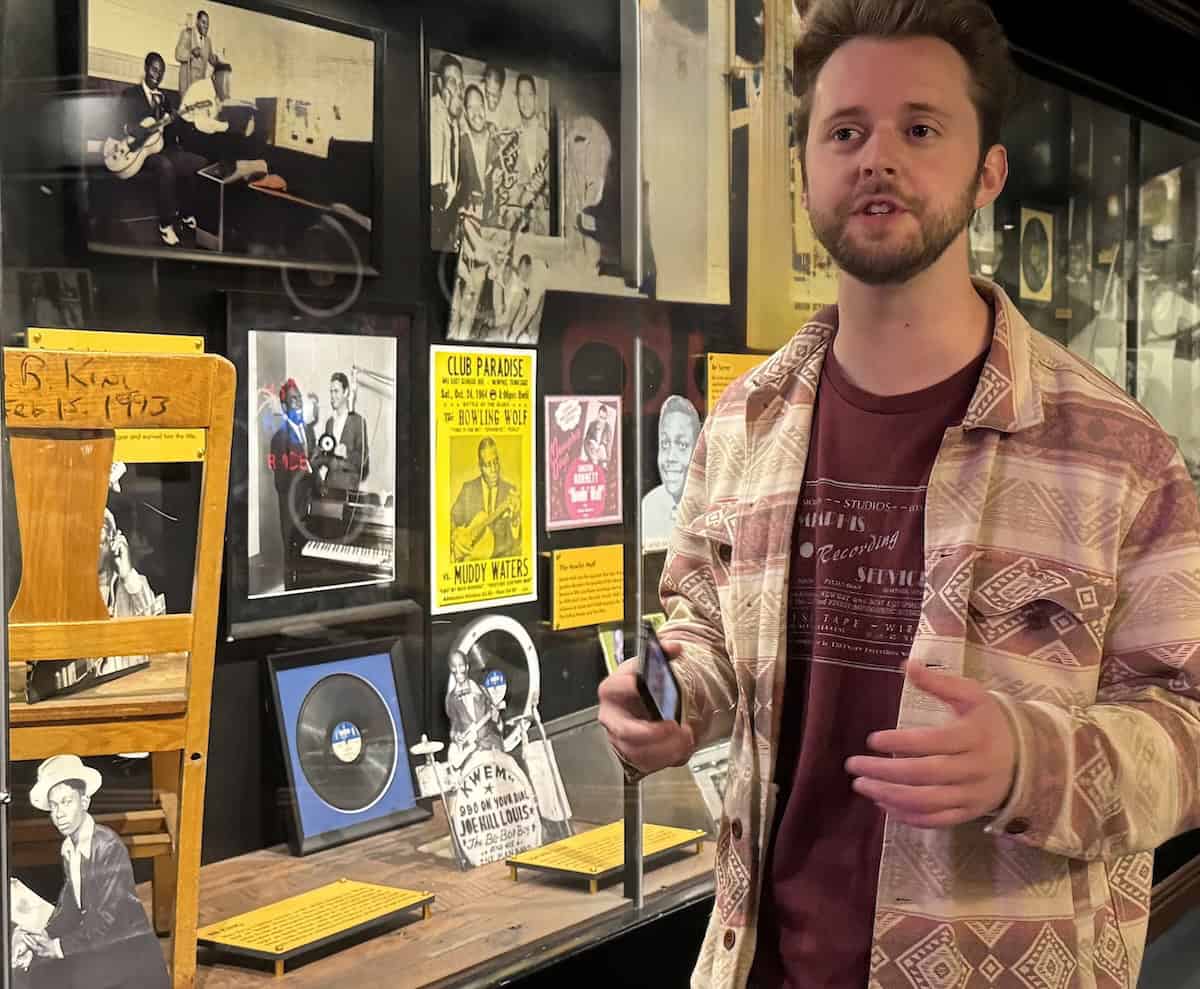
More likely, tour guide Josh says, the teen was hoping to be discovered. He was yearning for stardom.
And that’s exactly what he found, more than anyone could ever dream.
At the time, 18-year-old Elvis was delivering electrical appliances for Crown Electric. “He probably stopped by here while he was out delivering or maybe after work,” Josh says. “Crown Electric was less than a mile from here so it was easy for Elvis to come by.”
Radio engineer Sam Phillips started the Sun Label in 1952 and shared his tiny office with his secretary, Marion Keisker. Legend has it that Marion was the one working when a young Elvis plopped down $3.98 to make his first recording.
Marion Keisker Discovers Elvis
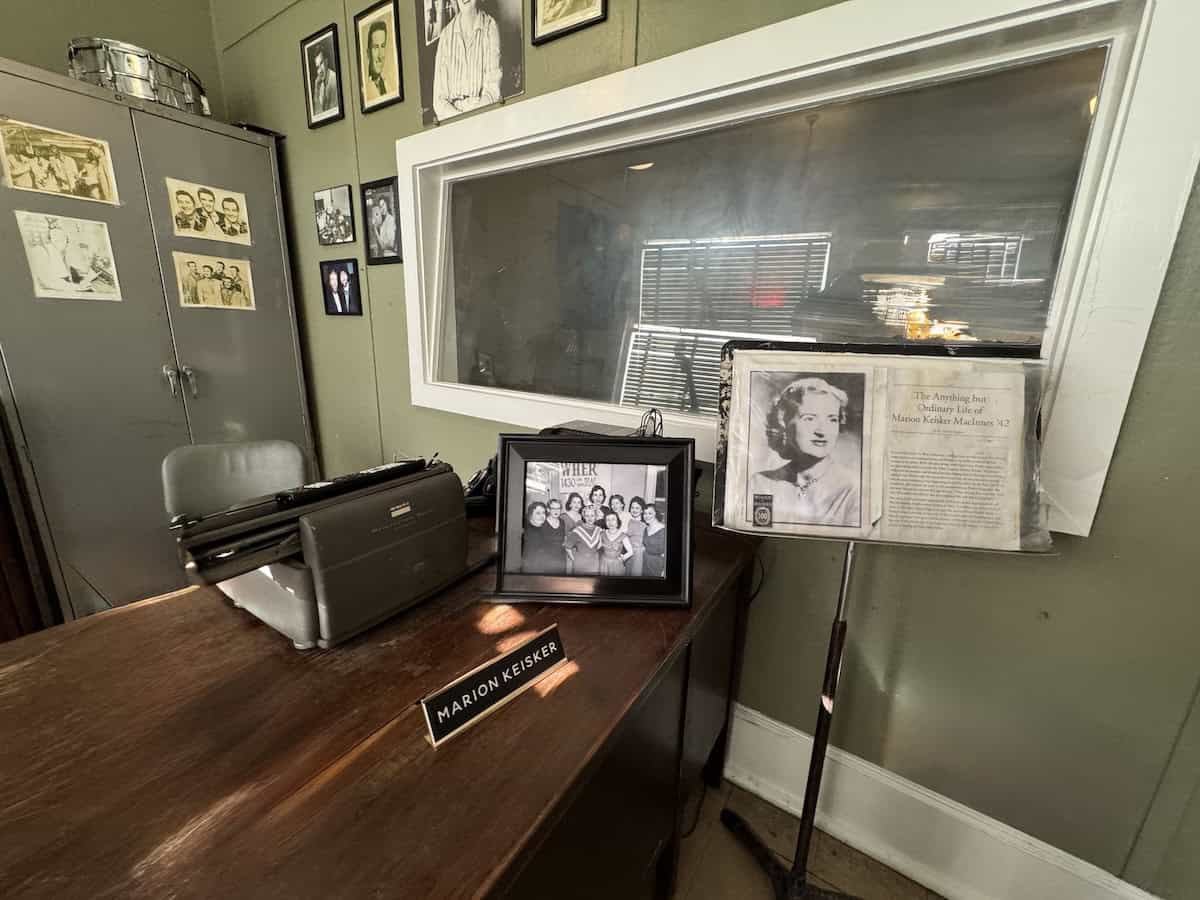
When Marion asked Elvis what kind of music he sang and who he sounded like, Elvis answered, “I don’t sound like nobody.”
Wasn’t long before listeners agreed.
But it took Marion some time to convince Sam to give Elvis a chance. And when he did, Sam Phillips was not thrilled by what he heard on Elvis’ recording visit.
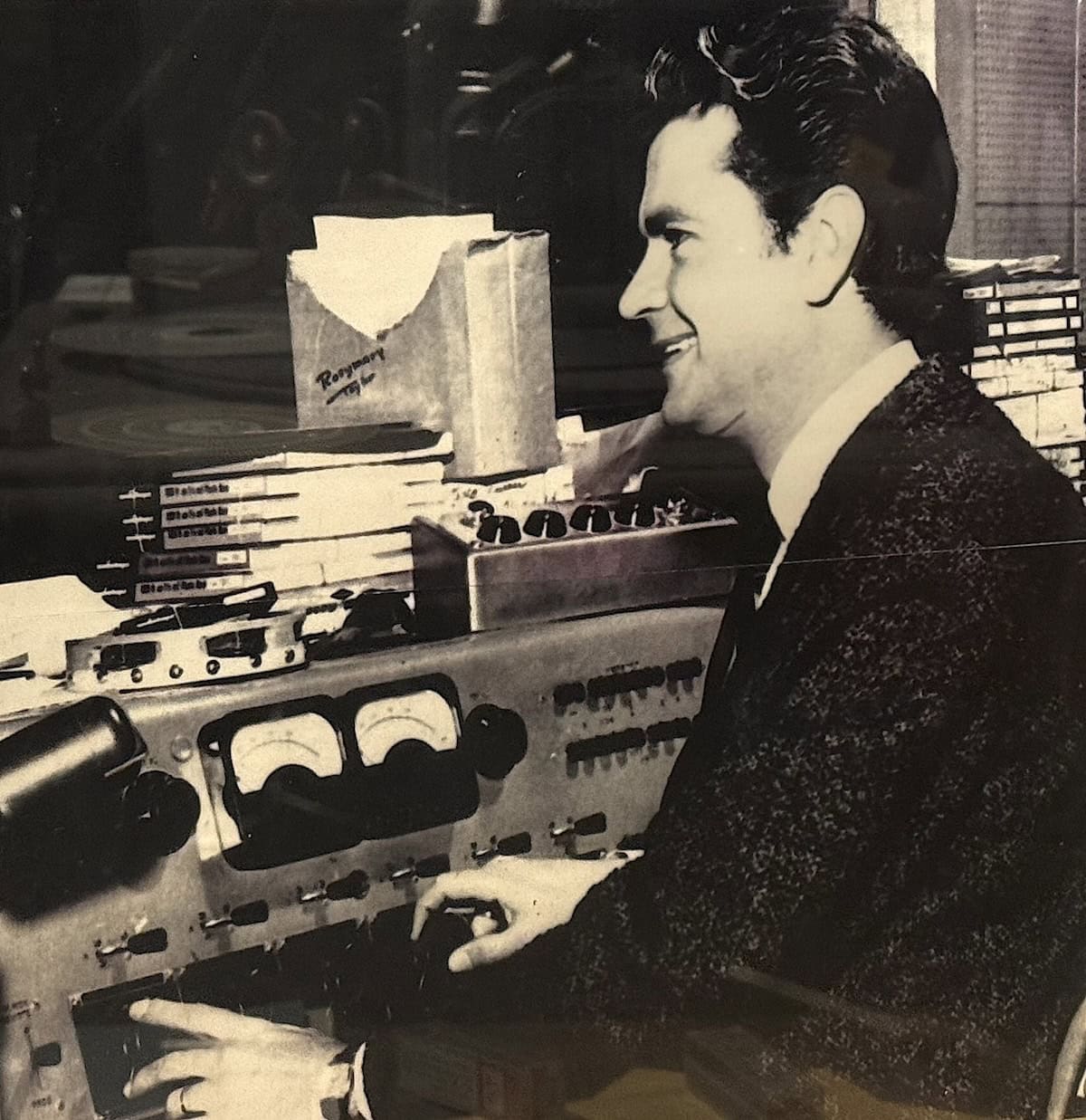
“Truth be told, it was Marion Keisker who first recorded Elvis. And it was Marion Keisker who discovered Elvis,” Josh says.
As the story goes, Sam relented and had Elvis in for a recording session on July 5, 1954. But it didn’t go well. Sam was about to give Elvis the bad news that the young singer just didn’t have it.
First, Sam took a break. That’s when Elvis started messing around with a rocking version of the blues song “That’s All Right.” Fellow musicians Bill Black and Scotty Moore joined in with the trio, bouncing music off the Sun Studio walls. Sam turned on the recording equipment.
The result was pure gold.
Elvis’ First Record: An Instant Hit
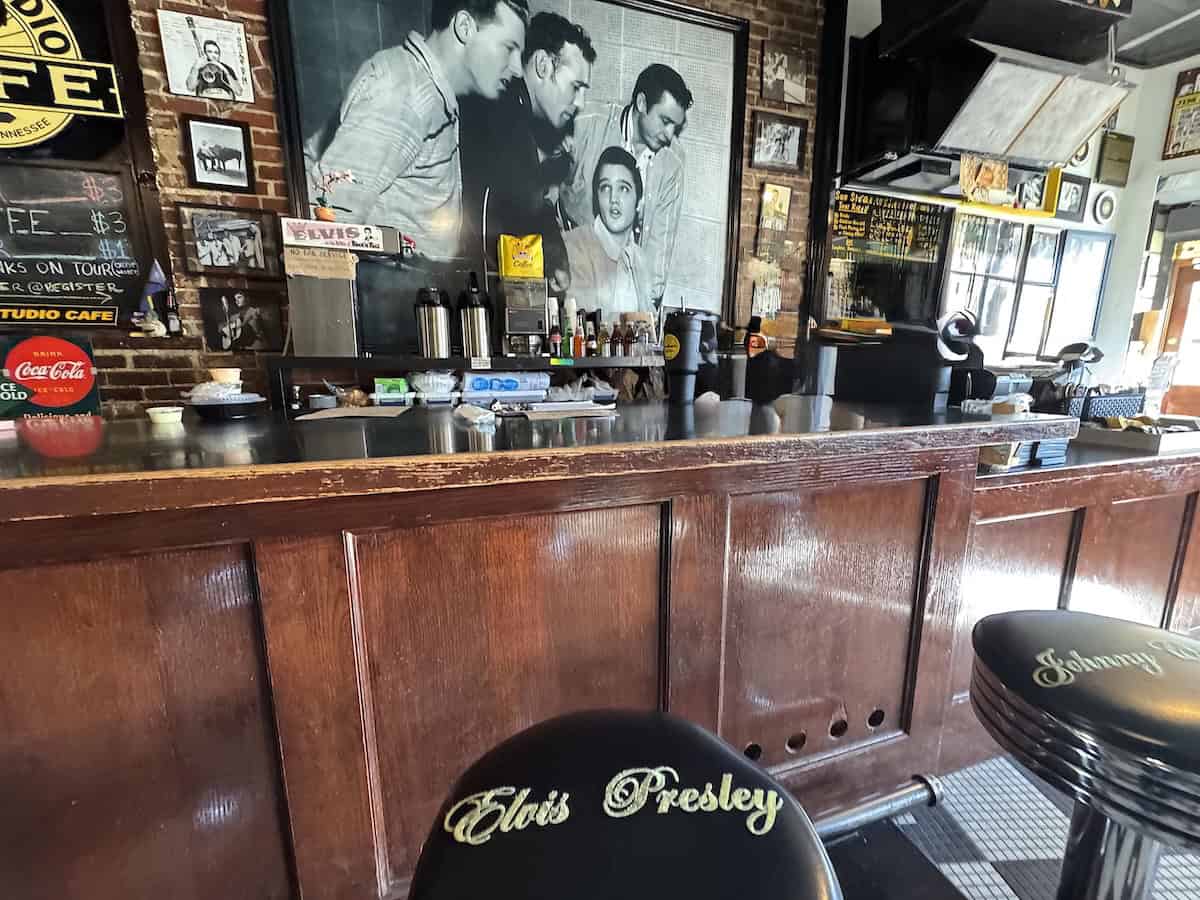
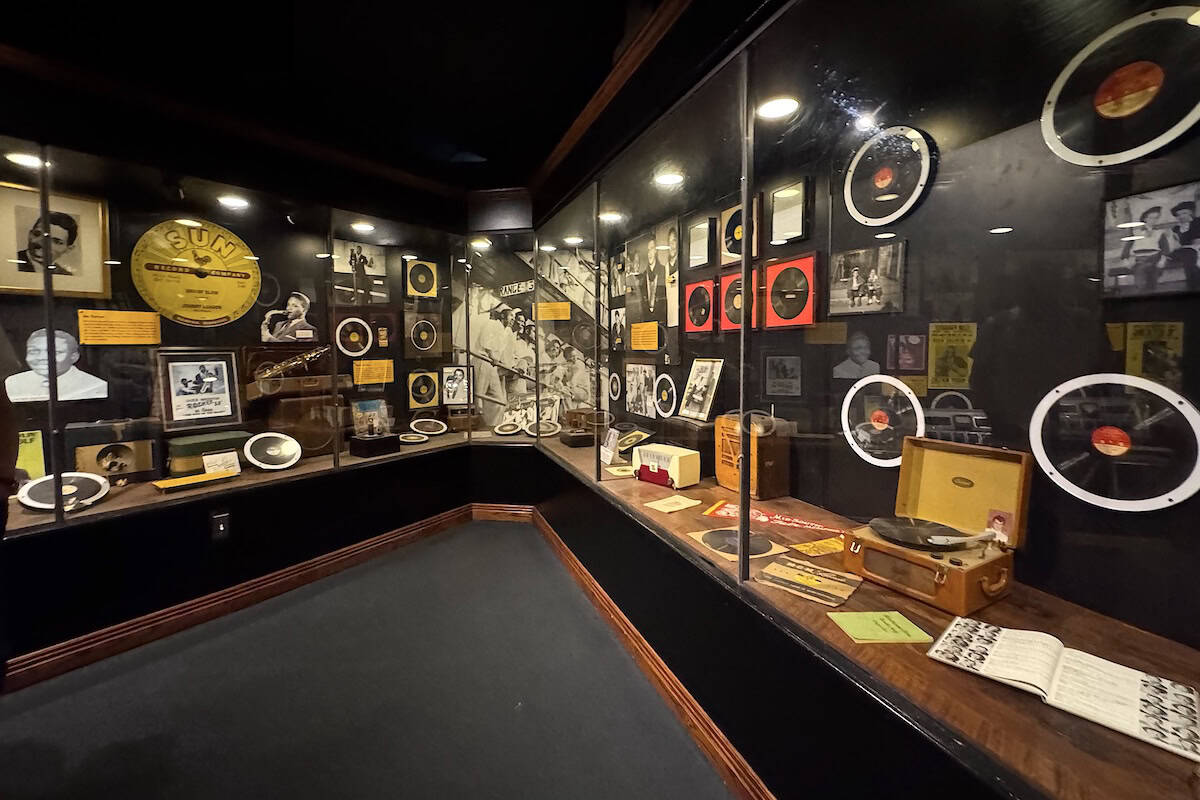
For my Sun Studio tour in Memphis, we climbed the narrow stairs to a cave-like room packed with musical memorabilia in wall-to-wall glass exhibit cases. A Humes High School yearbook shows a photo of teen Elvis.
Other photos and instruments highlight artists who once recorded at Sun Studio—Roy Orbison, B.B. King, Howlin’ Wolf, Rufus Thomas, Charlie Rich, Conway Twitty, and many more.
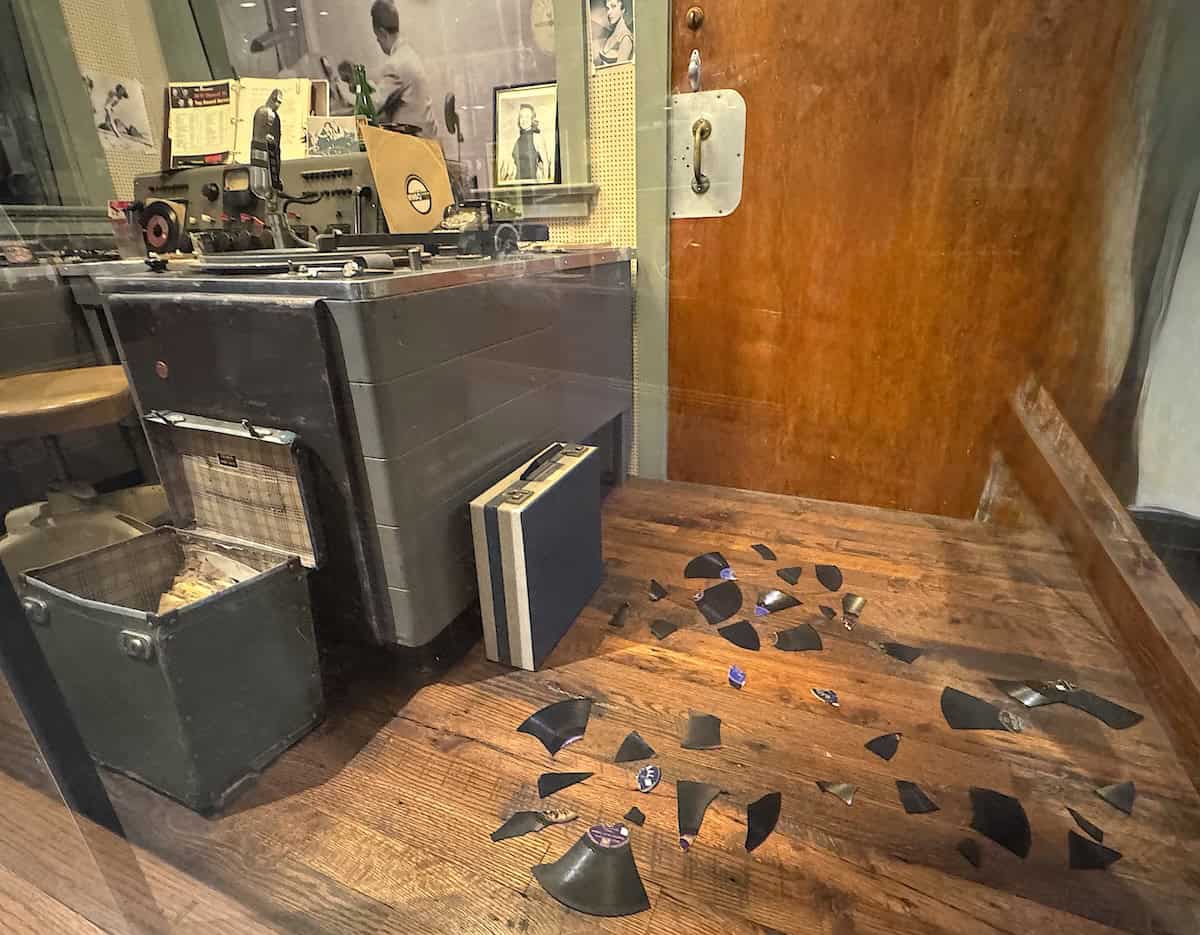
One exhibit houses original WHBQ radio station equipment, including the desk where disc jockey Dewey Phillips (no relation to Sam Phillips) introduced Elvis to listeners on the Memphis airwaves.
Originally located in a Memphis hotel, Dewey’s radio station was rescued from the wrecking ball in 2013 and carefully reconstructed in the Sun Studio museum. Dewey was the first to play Elvis’ first record and the first to interview the young singer on air.
Dewey’s approval of a song was a major boost. If he didn’t like a song the first time he played it, Dewey would smash the record against the corner of his desk to show that he was never going to play it again. A broken record in the exhibit illustrates that.
Three days after that first Elvis recording session, Sam sent the record to Dewey, who spun it over and over that night on his show. Phones lit up. Listeners went crazy. Dewey quickly called Elvis for an interview. And the rest is history.
A Damaged Speaker Cone
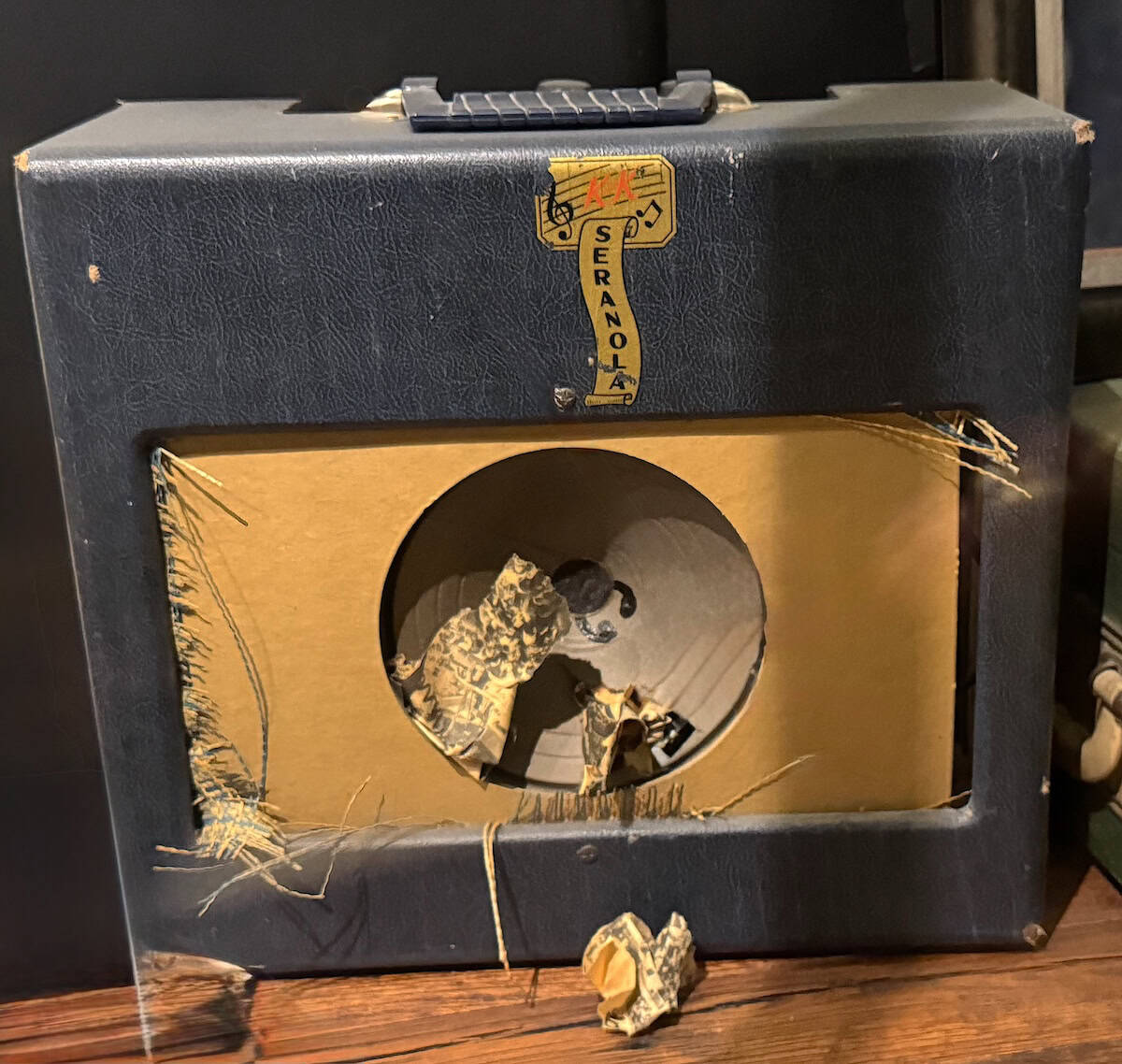
Then Josh played a song for us in the Sun Studio museum by Jackie Brenston & his Delta Cats, including pianist Ike Turner. While we listened, Josh noted the unmistakable origins of rock ‘n’ roll. What happened, Josh says, was that back on March 5, 1951, Jackie, Ike, and the band came to record at Sun Studio.
But they accidentally broke the speaker cone for guitarist Willie Kizart’s amp. Without funds or time for a replacement, they stuffed the broken cone with newspapers. The result was a distorted sound. Sam liked the unusual sound so much that he amplified it to record “Rocket 88.”
Sam later said that the record had a raucous, unbridled energetic sound that signaled what was to come.
Johnny Cash’s Distinctive Sound
After we had toured the upstairs museum, Josh led us downstairs to the recording studio filled with instruments, microphones and other musical paraphernalia.
Pointing to a guitar with a dollar bill stuffed in its upper strings, Josh explained how and why Johnny Cash played a guitar that way.
“In those early days, Johnny Cash didn’t have a drummer. He would slip a dollar bill between his guitar strings to produce a soft rhythmic sound,” Josh says.
On May 1, 1956, 23-year-old Johnny came to Sun Studio to record a song, “I Walk the Line,” he had written as a promise of fidelity to his first wife, Vivian Liberto. His band consisted of only two members, Tennessee Two guitarist Luther Perkins and upright bassist Marshall Grant.
“The dollar bill acted as a makeshift snare drum,” Josh says. “It became Johnny Cash’s signature sound for decades to come.”
Carl Perkins’ Cadillac
In an effort to increase sales, Sam offered to buy a brand-new Cadillac for the first Sun artist to sell a million copies of a single record.
“In 1955, ‘Blue Suede Shoes’ by Carl Perkins became the first gold record for Sun. It topped the pop, country, and R&B charts at the same time,” Josh says.
Carl chose a 1956 Cadillac Fleetwood Sixty Special as his prize. A photo shows Sam presenting the car keys to Carl.
Million Dollar Quartet
Then, Josh played parts of the impromptu recording session later known as the Million Dollar Quartet. On Dec. 4, 1956, Carl Perkins was in Sun Studio to record some new material. The largely unknown Jerry Lee Lewis was there to play piano on the session.
Now with RCA Victor, Elvis stopped by for a casual visit. Then Johnny Cash arrived and the four artists began mainly singing gospel songs that they had grown up singing.
A canny showman, Sam Phillips, called a local newspaper, which sent photographer George Pierce to commemorate the event with the famous photograph of Elvis seated at the piano, surrounded by Jerry Lee, Carl, and Johnny. Recording tapes were rolling during the session.
It seemed strange and a bit sad to hear the four icons when Josh played that long ago tape. All four are gone: Elvis in 1977, Carl in 1998, Johnny in 2003, and Jerry Lee in 2022.
Still A Recording Studio
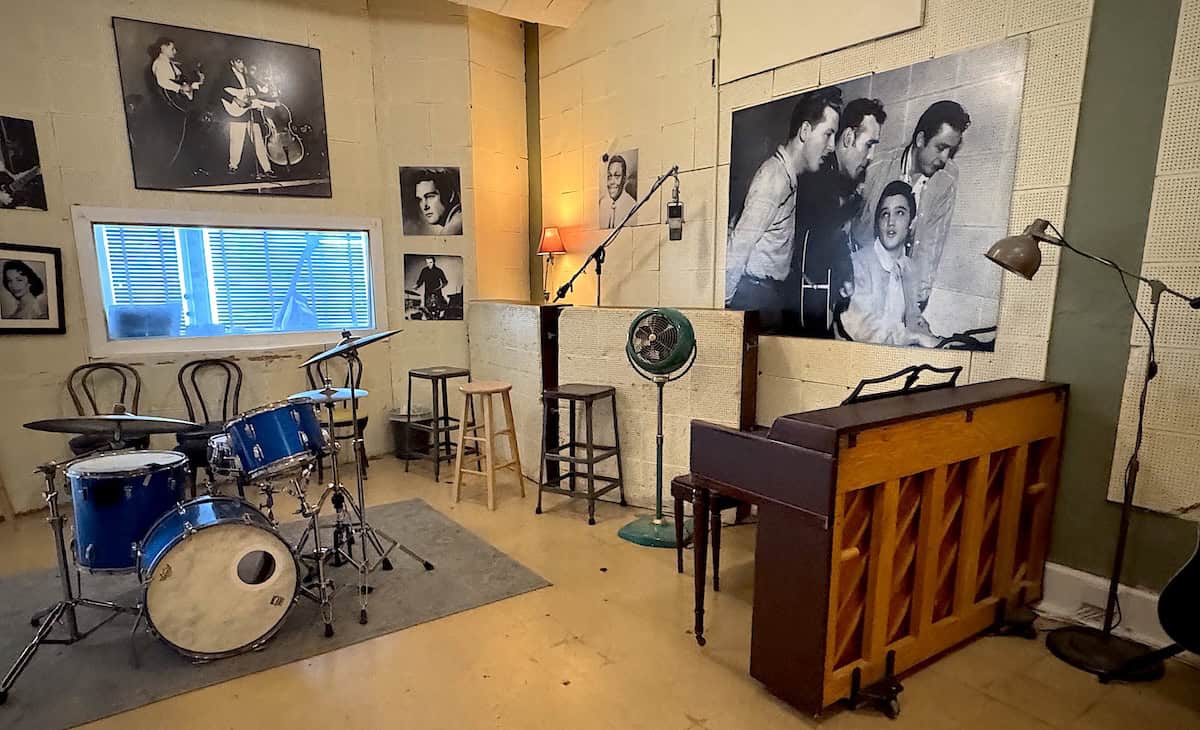
Without Sun Studio, would Elvis have made that first recording? Would someone have noticed his talent and given him a chance?
“Who knows?” Josh answers. “If Marion hadn’t kept encouraging Sam to listen. If Elvis and the musicians hadn’t begun playing around when they weren’t being recorded. If Sam hadn’t realized what he heard in young Elvis.”
The result was magic. Even today, when Josh plays that early recording, it’s easy to understand why musicians still record in the historic studio—U2, Def Leppard, John Mellencamp, Ringo Starr, Bonnie Raitt, and many more.
And why people still flock there to take the tours and pose for cellphone photos clutching an old-timey Elvis microphone in tiny Sun Studio.
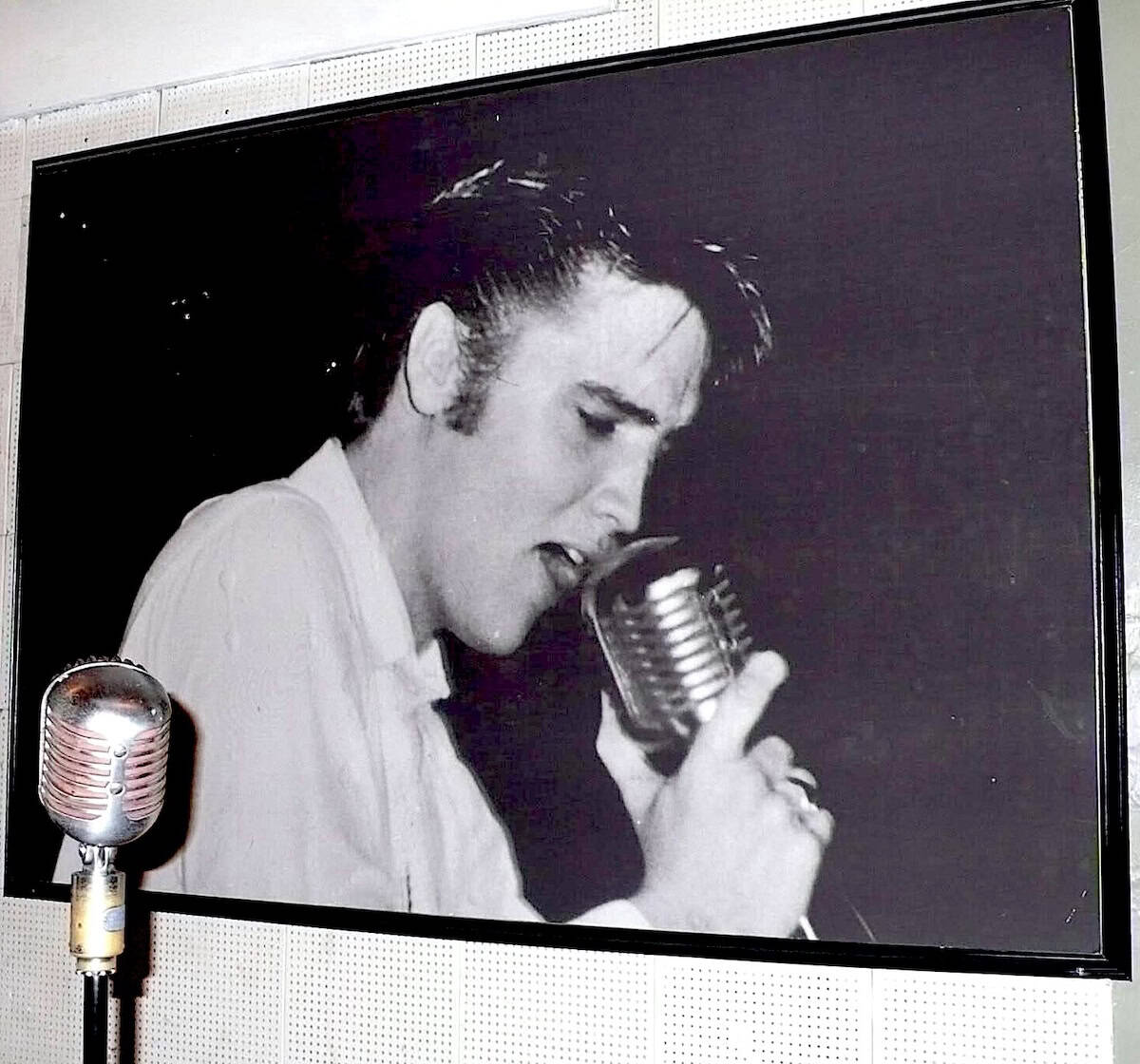
When Bob Dylan visited the studio, it is said he knelt and kissed the X mark on the floor where Elvis had stood to record.

“History was made here,” Josh concludes. “When you stand on this floor, you stand on sacred ground.”
IF YOU GO
For more information
Disclosure: The author visited Sun Studio as a guest of Memphis Tourism but any opinions expressed in this post are her own.
Save to Pinterest!!