Discovering Buddy Holly’s Legacy in Lubbock, Texas
Summary: Contributor Jackie Sheckler Finch visits the hometown of Buddy Holly, who was 22 years old when he died almost seven decades ago. His death prompted the Don McLean song, “The Day the Music Died.”
But the music never died. Visitors at the Buddy Holly Center can hear classic songs by Buddy Holly and The Crickets that remain timeless and trace Buddy’s influence on today’s musicians.

Desperate to escape the frigid cold and get some rest before their next performance, the three musicians boarded a chartered small plane. The rest of their group climbed back on an unheated, broken bus for the long wintry ride.
Minutes after takeoff, the 1947 Beechcraft Bonanza single-engine aircraft plummeted into a cornfield near Clear Lake, Iowa. The pilot and all three passengers died on impact.
The Day The Music Died
Dead were 22-year-old Buddy Holly, 17-year-old Ritchie Valens, 28-year-old J.P. “The Big Bopper” Richardson and 21-year-old pilot Roger Peterson. The crash was determined to be the result of hazardous weather and pilot error.
Known as “The Day the Music Died,” the Feb. 3, 1959, tragedy was immortalized by Don McLean in his 1972 hit “American Pie.”
But the music didn’t die.
The Buddy Holly Center: A Legacy to a Rock & Roll Great
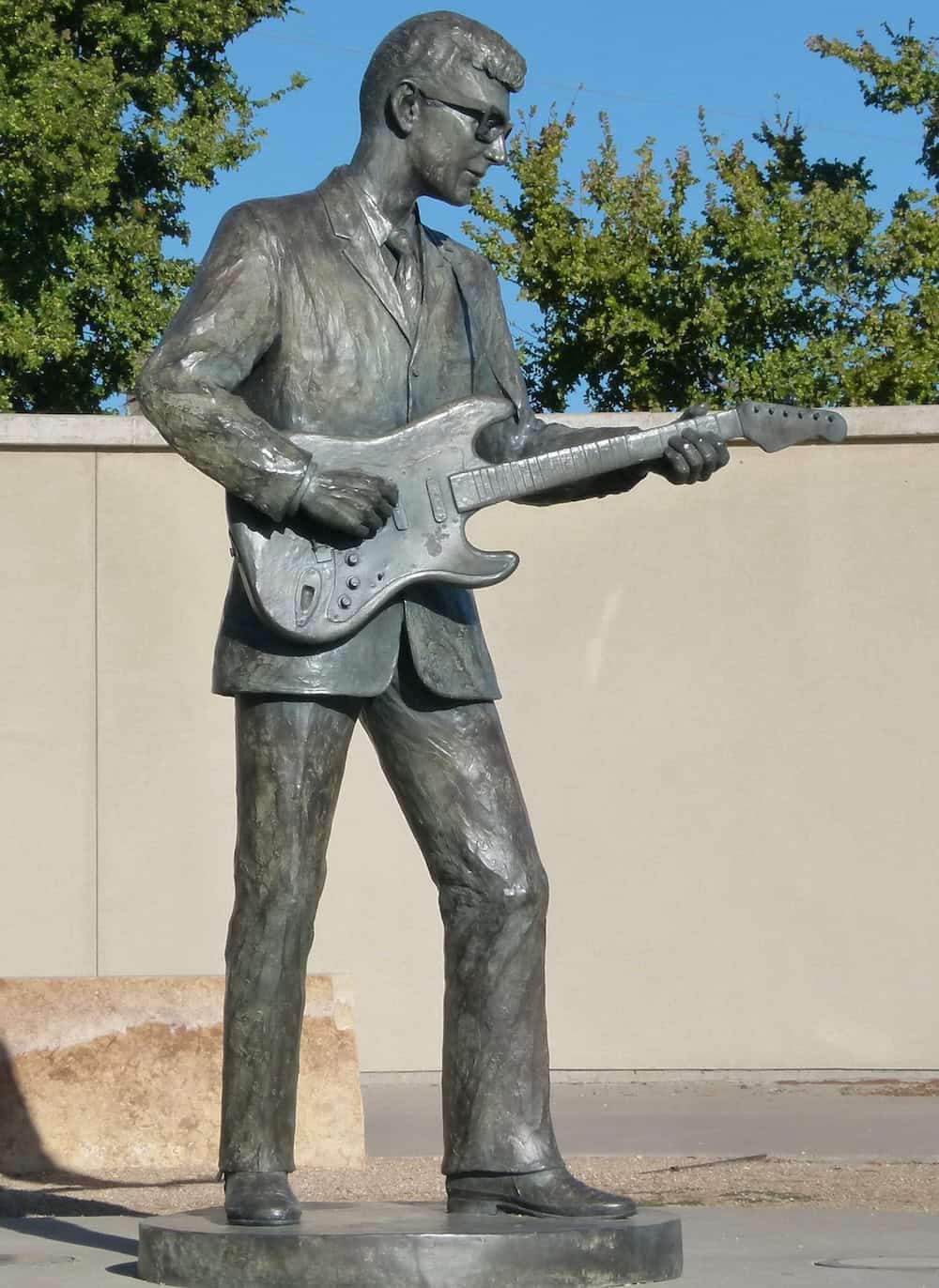
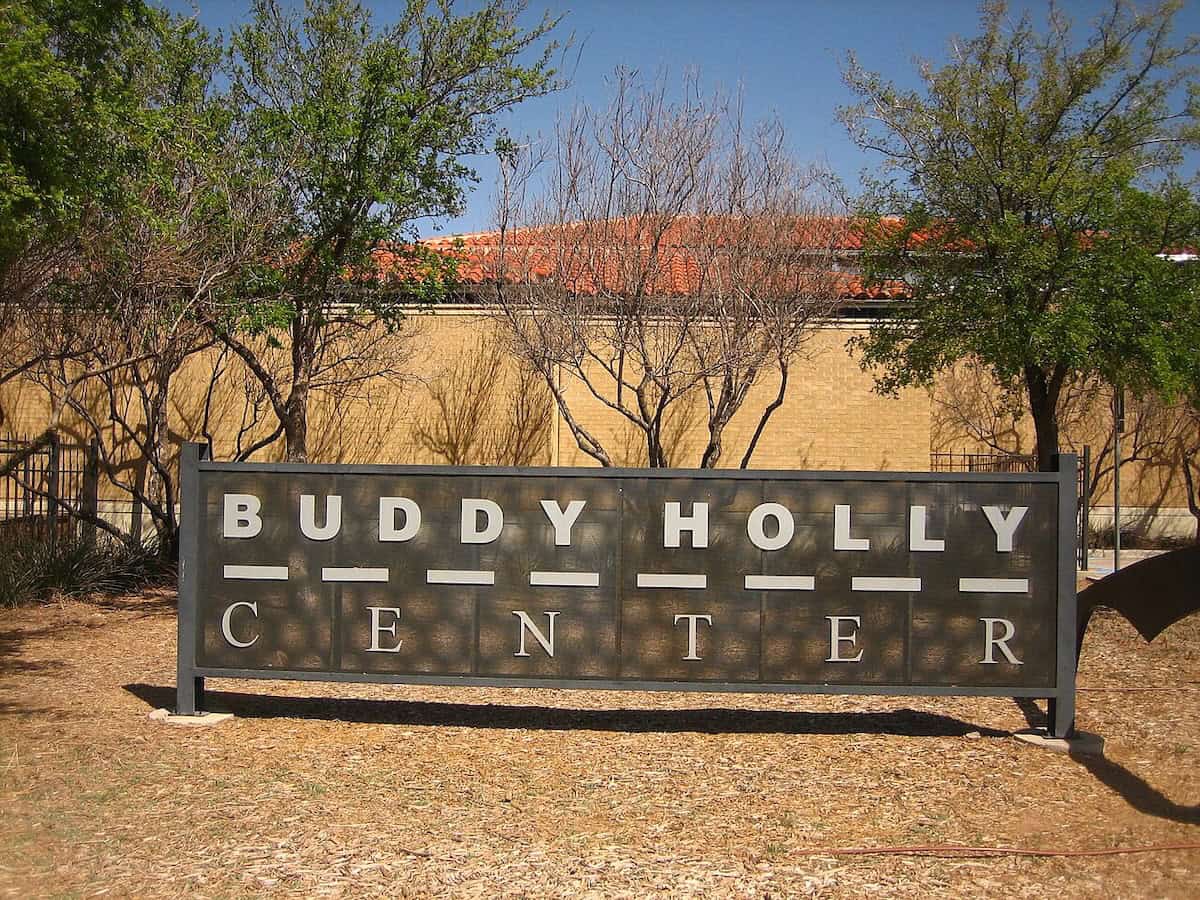
Buddy Holly’s music lives on, says Marissa Galvan, guiding visitors around the Buddy Holly Center in Lubbock, Texas. Housed in an old railroad depot with a Buddy Holly exhibit room shaped like a guitar, the Buddy Holly Center opened in 1999.
“People from around the world come to Buddy Holly’s hometown to learn more about the man and his music,” says Marissa, the center’s education assistant.
Born Charles Hardin Holley
Charles Hardin Holley, known throughout the world as Buddy Holly, was born in Lubbock, Texas, on Sept. 7, 1936. “His mother nicknamed him ‘Buddy.’ His last name was misspelled as ‘Holly’ on a recording contract and Buddy left it that way,” Marissa says.
The youngest of four children, with two older brothers and a sister, Buddy was a natural musician from a musical family. He went from the violin to the piano to the steel guitar before switching to a standard acoustic guitar at 11.
By high school, Buddy was performing with his friend, Bob Montgomery, as the country-western duo Buddy and Bob at school assemblies and on local radio shows. Initially, the pair played a variety of bluegrass music, which evolved into rockabilly sounds.
In 1955, the duo was on the concert bill three times, along with the then-unknown Elvis Presley, at the Fair Park Auditorium in Lubbock. Elvis reportedly loaned Buddy his Martin acoustic guitar to play during the show. Seeing the attention Elvis was beginning to generate made Buddy even more determined that music would be his lifelong passion.
Preserving Music-Making House at Buddy Holly Center
Back then, Buddy and his musical pals weren’t relegated to family garages to practice their music.
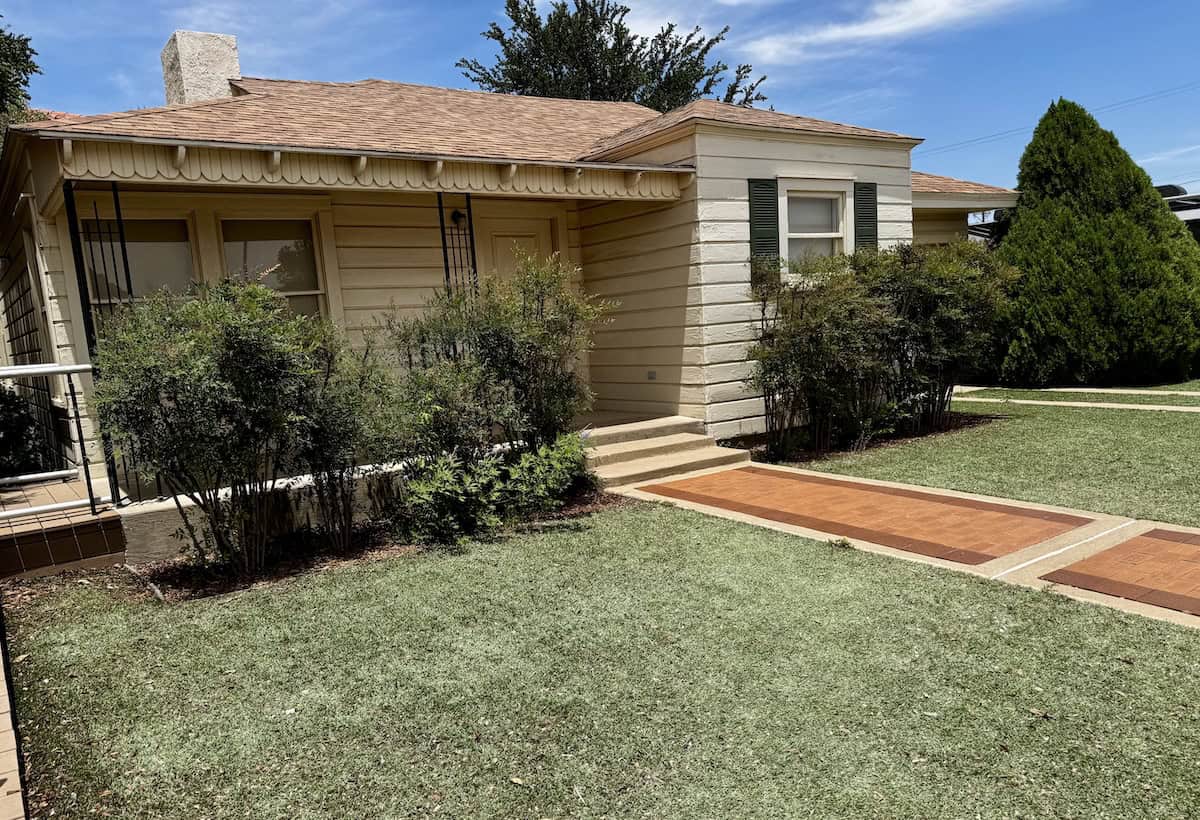
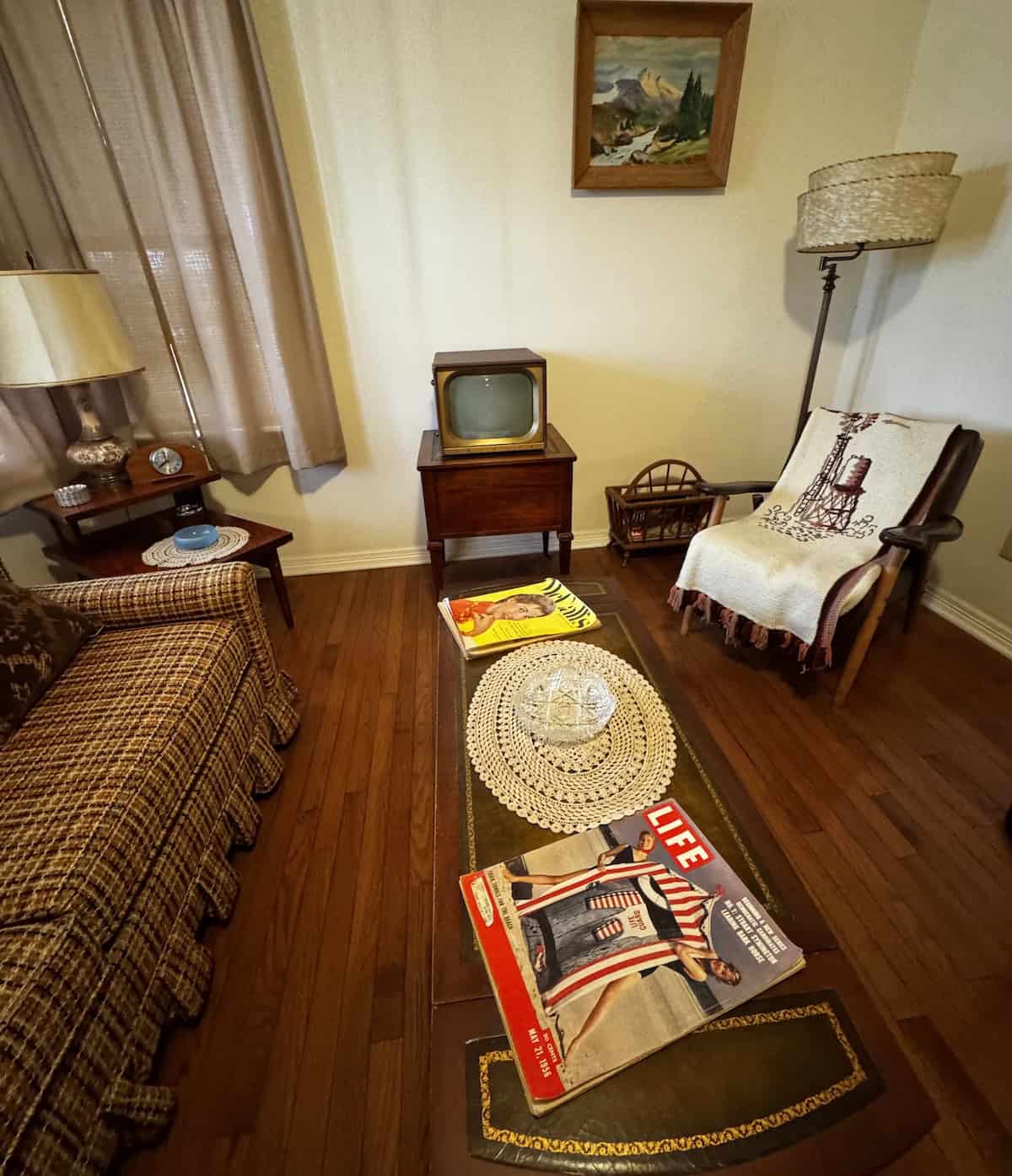
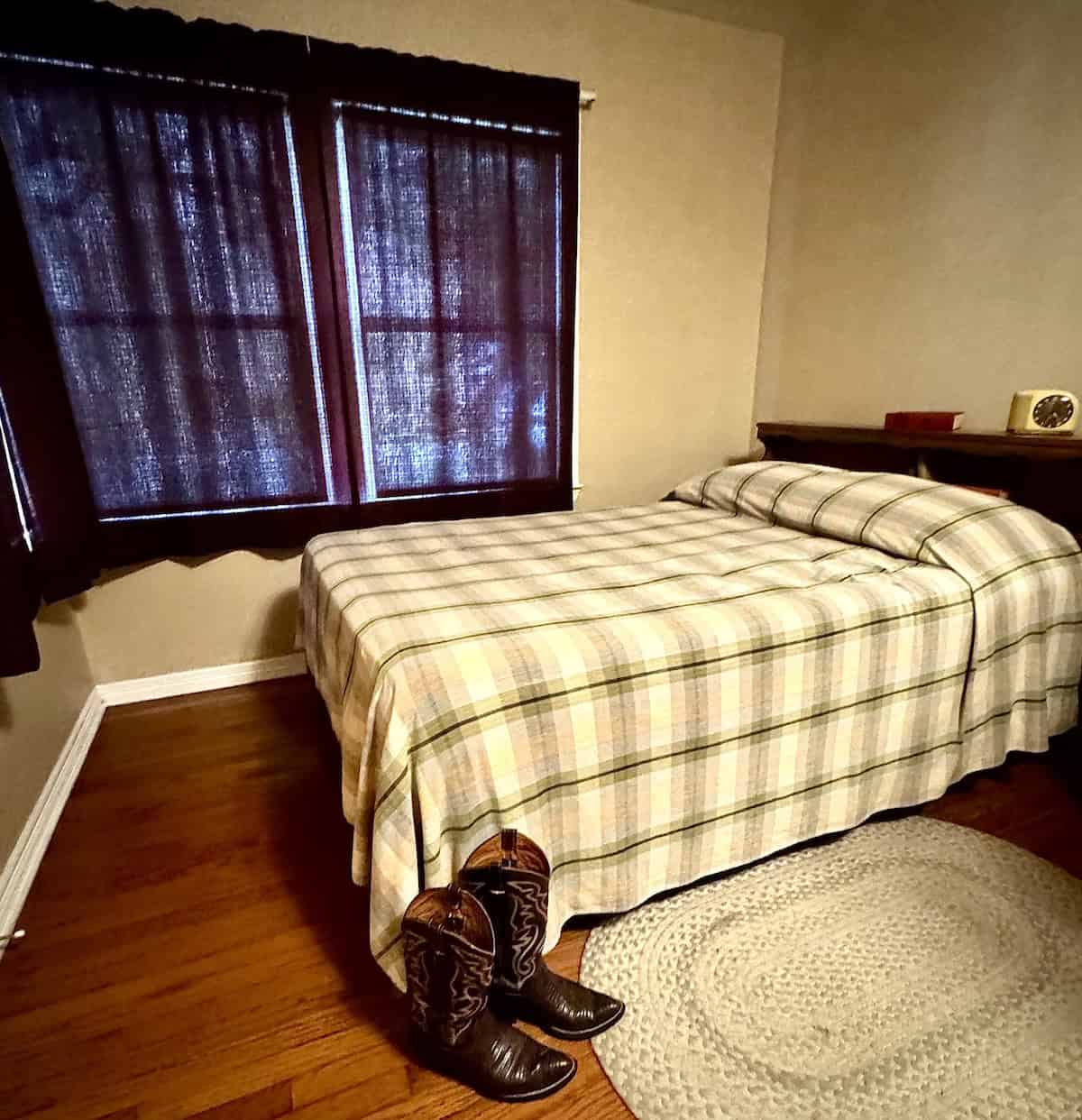
“They played in the bedroom of Buddy’s best friend, drummer Jerry Ivan ‘J.I.’ Allison,” Marissa says, leading a tour through the 1950s Allison home that is now part of the Buddy Holly Center.
“The house was moved here to the center in 2012,” Marissa says. “The house is important because it is here that Buddy and Jerry Allison wrote many of their songs, including the hits ‘That’ll be the Day’ and ‘Peggy Sue.’”

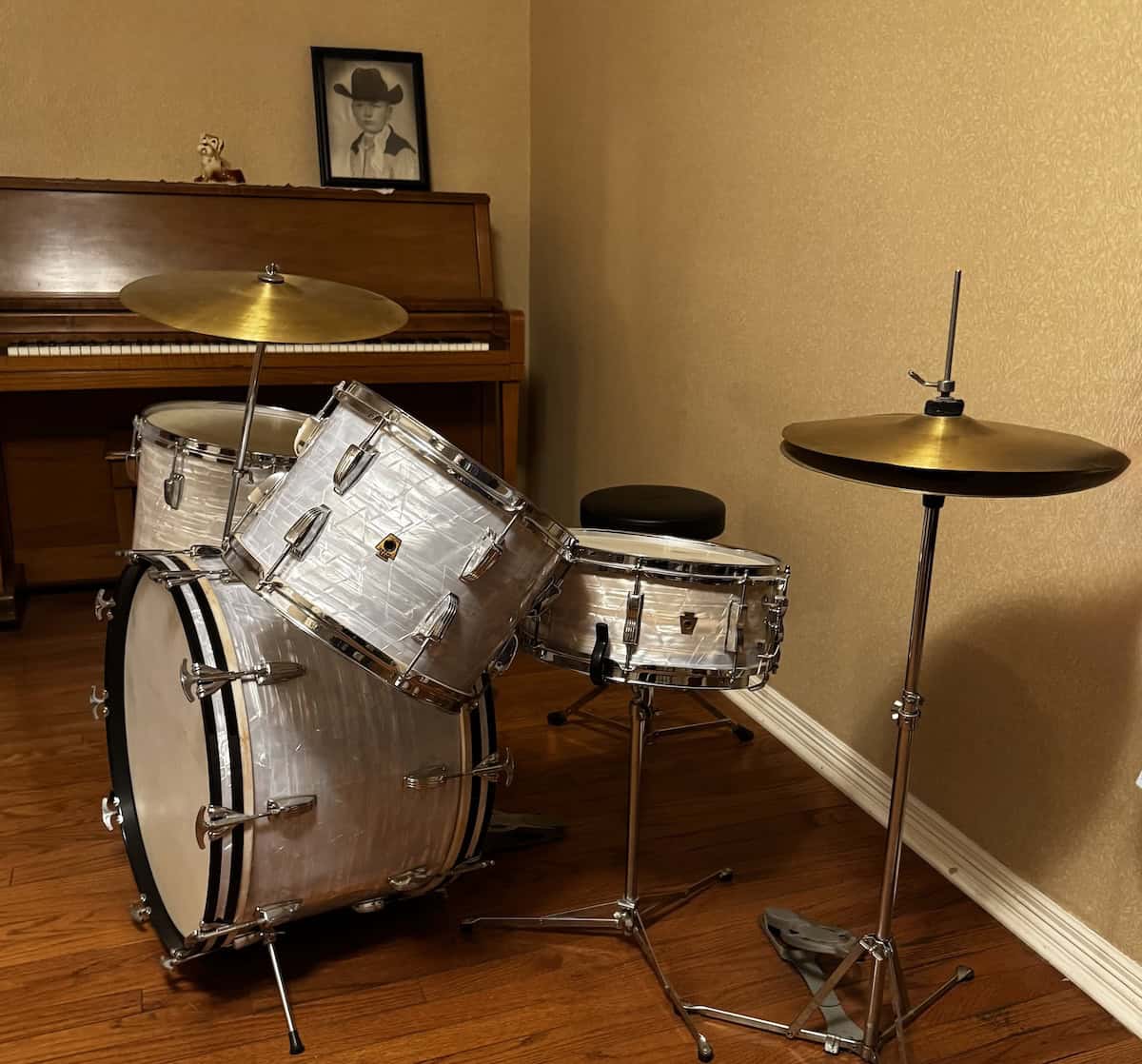
The story goes that in the early summer of 1956, Buddy, Jerry, and fellow musician Sonny Curtis went to see the movie “The Searchers,” starring John Wayne. In the movie, John Wayne utters the familiar tagline, “Well, that’ll be the day,” several times.
While jamming later at Jerry’s house, Buddy suggested that they write a song of their own. Jerry quipped, “That’ll be the day.” Buddy responded that the phrase would make a good title. And a hit was born.
The 1957 blockbuster song introduced the world to Buddy Holly and The Crickets—Buddy, Jerry on drums, Joe B. Mauldin on bass, and Niki Sullivan on rhythm guitar. Niki left the group after the band’s first national tour in the fall of 1957. The band continued as a threesome.
As for “Peggy Sue,” also written in the Allison house and a 1957 hit, the song was reportedly about Peggy Sue Gerron, the girlfriend and future wife of Jerry Allison after the two had temporarily broken up.
Old Dial Phone Shares Voice from the Past
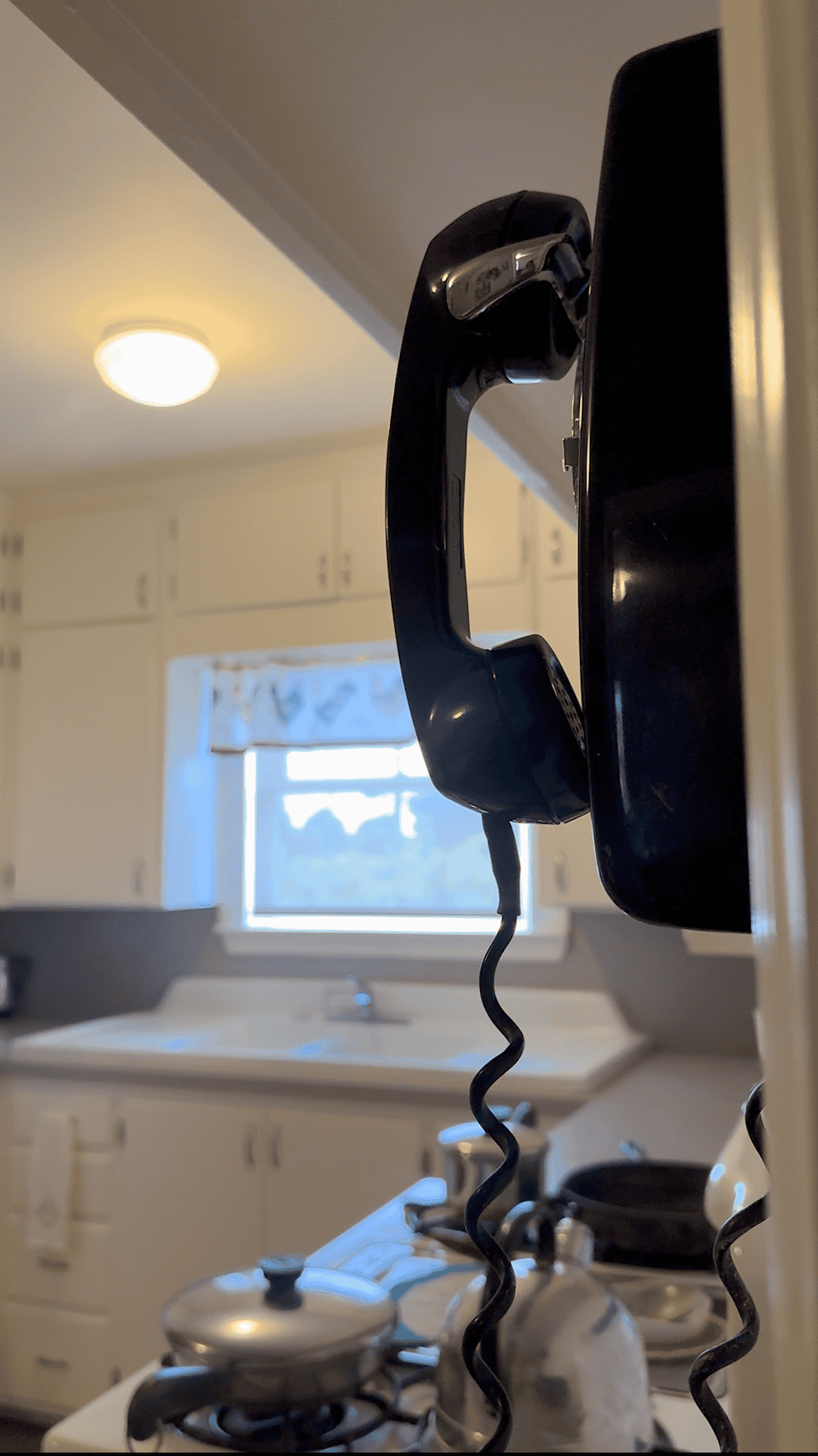
An old dial phone hanging on the kitchen wall lets visitors hear the voice of Buddy Holly, not singing but talking to Decca Records executive Paul Cohen. The fact that Buddy recorded the call so long ago shows his business acumen. He wanted what was said as evidence if needed.
In the summer of 1956, Buddy had endured a frustrating session without his band recording five songs for Decca Records, including his signature hit, “That’ll Be the Day.”
Decca thought the songs were flops and soon dropped Buddy from the label. In the 1957 phone call, Buddy asks Paul Cohen to release the songs or to allow him to reclaim the rights to them so he can re-record them.
Paul Cohen refused, citing that Decca owned the songs for five years even if the records were never released.
What Buddy did next may have shocked the music industry. But it also made music history. A pioneer ahead of his time and a sharp businessman, Buddy re-recorded the songs under a new band name, The Crickets.
Released through Brunswick Records, Buddy’s signature song—“That’ll Be the Day”—zoomed to No. 1 on the music charts.
And Decca was left without the recording artist who became a legend. For even more insult, Brunswick Records was a Decca subsidiary.
Ask the tour guide to play the phone recording. It’s sad to hear the voice of Buddy knowing that the young man on that phone would be dead in less than two years. A voice from the past.
Black Eyeglass Frames Become Buddy’s Trademark
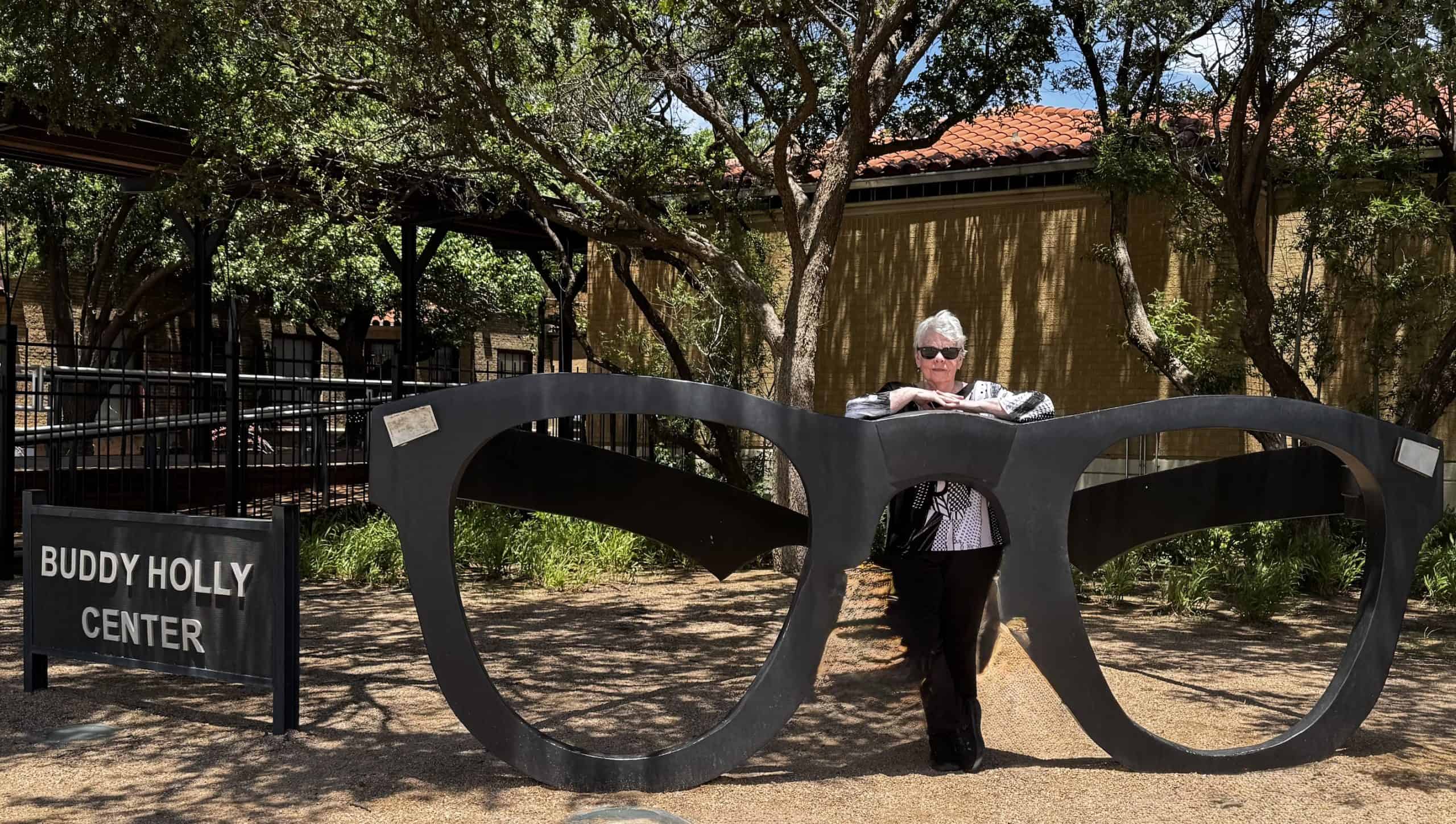
Buddy signed a recording contract, but talent agents and recording contracts didn’t really suit him. They wanted to change him, and Buddy didn’t fit into their little mold.
“Buddy always wore glasses because his vision was so bad,” Marissa says. “The people in charge wanted Buddy to lose the glasses because it didn’t seem the way a rock and roll star should look.”
At first, Buddy tried. For several years, he wore the least conspicuous clear-plastic frames he could find to compensate for his severe nearsightedness. He even tried performing without glasses, but he once dropped his guitar pick and had to crawl around the stage to find it because he couldn’t see.
Contact lenses didn’t work either because the thick lenses of the day were too uncomfortable and couldn’t be worn very long. After a couple of hours, the contacts would cloud up and need to be replaced. Buddy’s thick contact lenses are among the artifacts at the Buddy Holly Center.
“Finally, Buddy just said that he was going to wear glasses and that people would have to deal with it,” Marissa says. “He knew who he was and he didn’t care if other people didn’t like it.”
Before long, Buddy’s black-rimmed eyeglasses became part of his trademark. After the tragic plane crash, Buddy was thrown from the wreckage, his glasses buried in the snow. They were found several months later, placed in an envelope in police storage and locked in a steel cabinet for 21 years.
When the envelope was discovered, the glasses were given to Buddy’s widow, Maria Elena Holly Diaz. She kept them for several years before selling the glasses for $80,000 to Civic Lubbock, the nonprofit for the city’s Buddy Holly Center.
The glasses are now on display in the center of the exhibit near Buddy’s Fender Stratocaster guitar. As the owner of Buddy Holly’s name, likeness, and public image, Maria Elena Holly Diaz does not allow photographs inside the center.
“When people see Buddy’s actual glasses, they stop and look. It’s very powerful and sad to see the glasses he actually was wearing when he died,” Marissa says.
Family Treasures at the Buddy Holly Center
Among the other treasures at the Buddy Holly Center are Buddy’s school report cards, his publishing contract in which his last name is misspelled, school photos, a photo of him and his first girlfriend Echo McGuire, handwritten notes, and much more.
A documentary film about Buddy is also shown at the center. In March of 1958, Buddy and The Crickets toured the United Kingdom and left a lasting impression. In the audience were two teenagers, John Lennon and Paul McCartney, who later named their band The Beatles in homage to The Crickets. The English rock and pop group, The Hollies, was also named in honor of Buddy Holly.
“Buddy changed what music was,” Marissa says. “He was a musical pioneer and he pioneered the classic combo of the traditional four-piece band – two guitars, one bass, and drums. He was so influential on other groups that came long after he had died.”
Tragic Winter Dance Party Tour
On Aug. 15, 1958, Buddy married receptionist Maria Elena Santiago. “He had proposed to her on their first date and they got married less than two months later,” Marissa says. “He and Maria moved to Greenwich Village in New York because it was a hub of musical activity and creativity.”
In 1959, Buddy split with The Crickets and separated from his manager, Norman Petty. It was a tumultuous time in Buddy’s career, plus his wife was pregnant. A new Winter Dance Party tour through the Midwest seemed like a way to earn some fast money. But the tour seemed doomed from the start.
The Winter Dance Party tour consisted of 24 dates in 24 days, a grueling schedule with no road crew. Performers had to pack and unpack their own equipment and had to travel for hours on reconditioned school buses that frequently broke down and lost heat.
Some of the performers suffered from colds and flu symptoms while Buddy’s drummer, Carl Bunch, ended up in the hospital with frostbite on his feet. Carl had to stay behind and missed several performances, including the concert in Clear Lake. Buddy and Ritchie Valens took turns trying to keep the drum beat going.
The Deadly Plane Crash
The Winter Dance Party opened in Milwaukee on Jan. 23, 1959, and traveled across the Midwest. At the tour stop in Duluth, Minnesota, one audience member was a young Bobby Zimmerman who would grow up to become the legendary Bob Dylan.
For the grueling road trip, Buddy had assembled a new group that included bass guitarist Waylon Jennings. But after the Feb. 2 performance at the Surf Ballroom in Clear Lake, Iowa, Buddy had had enough.
He decided to charter a small plane to fly him and two others to the next stop in Moorhead, Minnesota. The small plane carried only three passengers at a fee of $36 per person. Those three would be Buddy, Waylon Jennings, and guitarist Tommy Allsup.
However, fellow performer “The Big Bopper” had the flu and asked Waylon for his seat. Singer Ritchie Valens and Tommy Allsup flipped a coin for a seat. Ritchie Valens won.
The Day the Music Died
More than a decade later, Don McLean wrote an 8-minute, 42-second song inspired by the plane crash. Only 13 years old and a paperboy when Buddy died, Don McLean read about the death in newspaper headlines and later wrote in his song:
“February made me shiver
With every paper I’d deliver
Bad news on the doorstep
I couldn’t take one more step
I can’t remember if I cried.
When I read about his widowed bride
But something touched me deep inside
the day the music died.”
A Short Life But Long Legacy
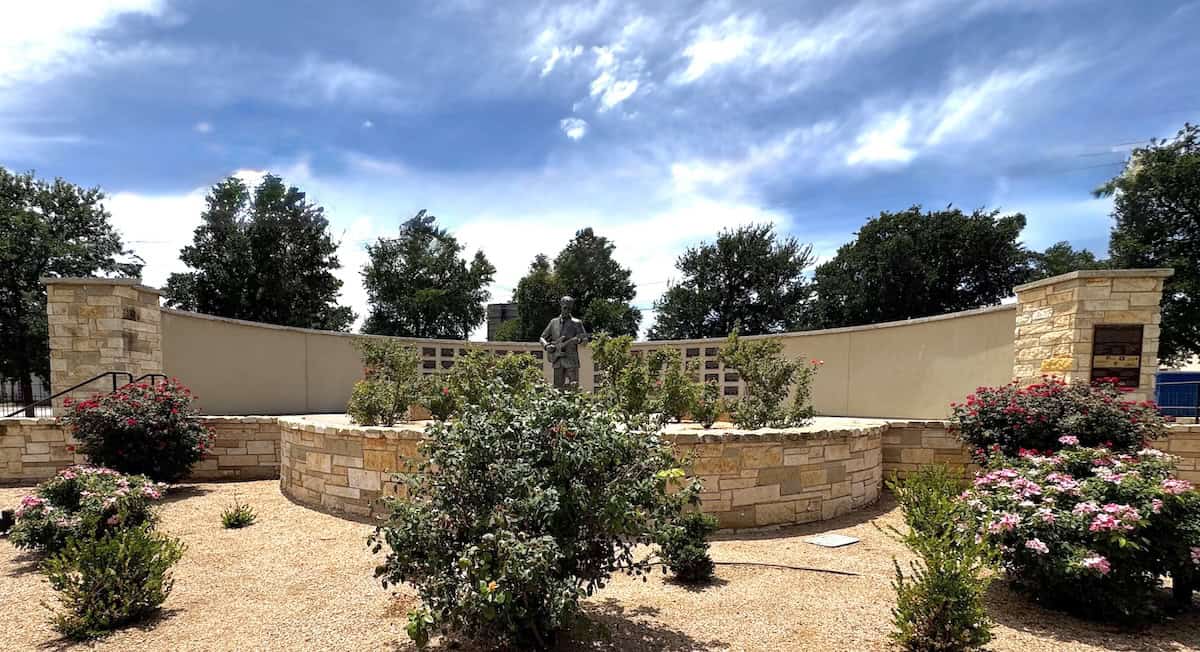
Buddy Holly was a star for only 18 months before the plane crash but his legacy has continued to grow with time. Who knows what he might have accomplished if he had lived longer.
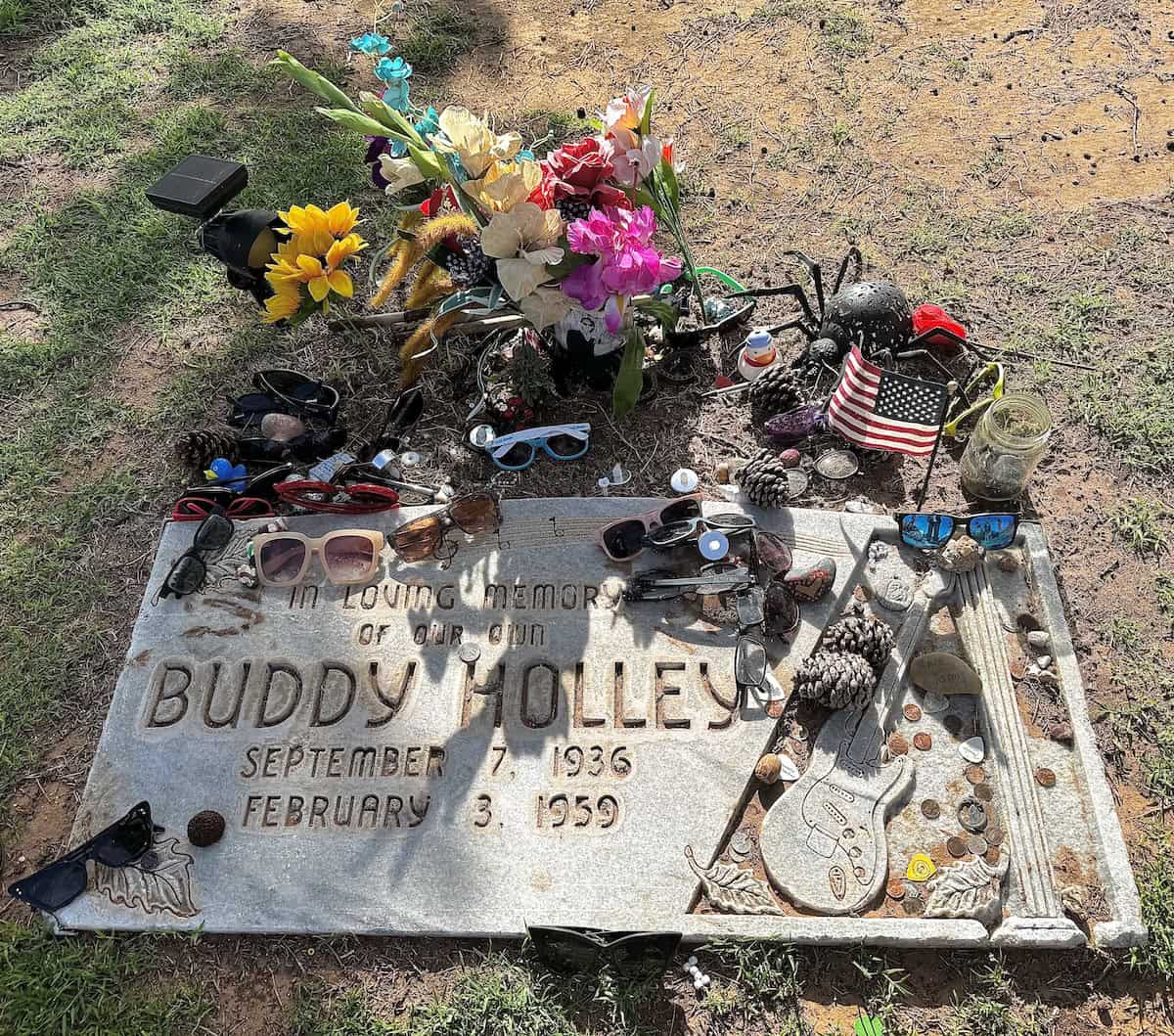
Buddy’s funeral was held at the Tabernacle Baptist Church in Lubbock. His bride of six months did not attend the funeral because she had suffered a miscarriage learning of her husband’s death. Buddy is buried in Lubbock Cemetery, where visitors often leave coins, glasses, and guitar picks on his grave.
Not long before he died, Buddy had bought a plot of land in Lubbock. He talked of building a studio there where he could record the way he believed it should be done under his own record label.
A perfectionist, Buddy was always evolving and striving to perfect what he did. He was creating things that no one had ever heard before.
He changed music in a way that continues to this day, Marissa says. “Buddy Holly still lives whenever you hear rock and roll.”
For more information:
\\
Contact the Buddy Holly Center at https://www.mylubbock.us/220/Buddy-Holly-Center or visit Lubbock at www.visitlubbock.org
Disclosure: The author was a guest of Visit Lubbock, but any opinions expressed in this post are her own.
Save to Pinterest!!


So interesting to me since I am working on a memoir with Carol Montgomery, Bob Montgomery’s wife, and Bob was in the rockabilly duo Buddy and Bob and had written songs and played with Buddy as the warm up band for Elvis. Bob Montgomery, who probably would have been on that plane that went down if he had agreed to Buddy’s request to move to NY and work with him again, went on to write hits and sign and publish numerous Nashville country music and crossover artists. Carol Montgomery was an A-List back-up singer on many recordings in 1970s/80 Nashville. Together they were a Nashville power couple.
Thanks so much for adding this piece of history to Jackie’s story. How fortunate she is to have you working on her memoir! xo