17 Things To Take Out Of Your Wallet Before You Travel
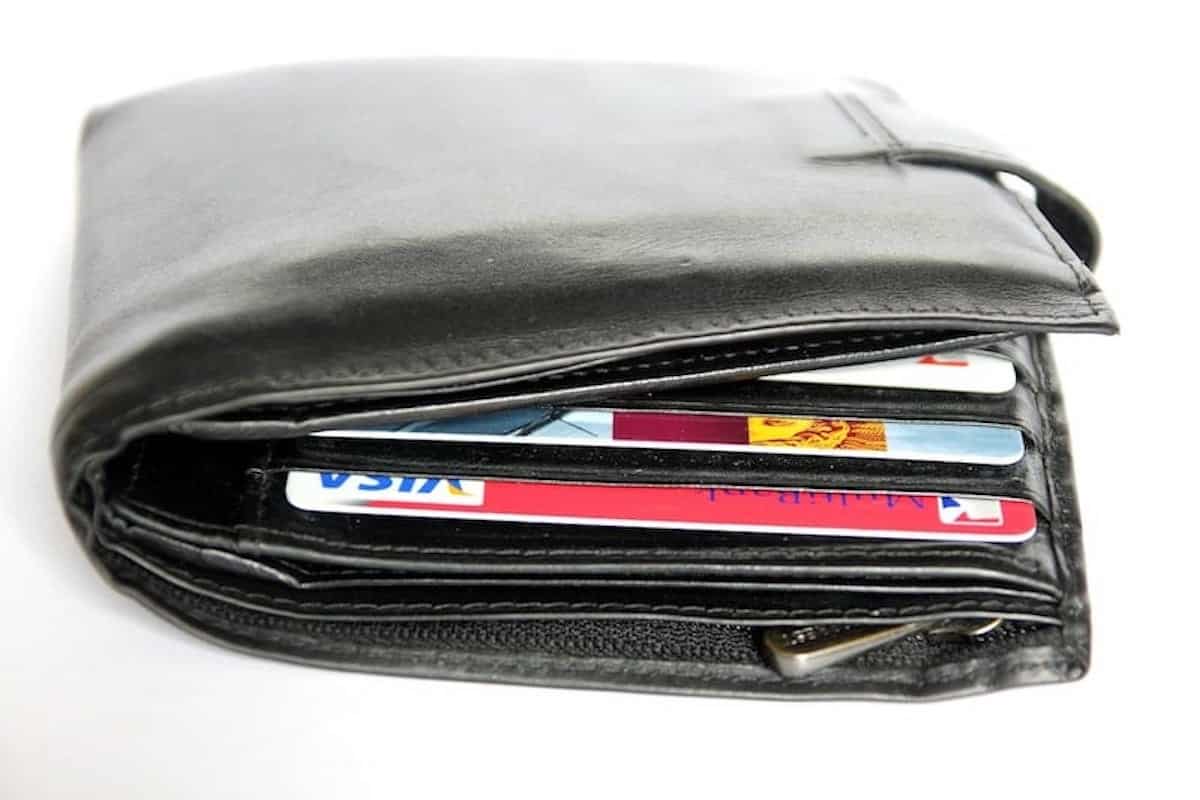
You’ve packed your bags and may think you’re set to go, but don’t forget to prune your wallet before you travel. It is important to think about what to take and what to leave behind. This article provides tips on what to take and what to leave home, and some suggestions for wallets that will help you avoid loss or theft.
I was a victim of wallet theft close to home and felt stupid for not periodically taking an inventory of what I carry with me.
My loss took place at a HomeGoods store in my neighborhood. Trying to reconstruct what I had in my wallet after the fact was painful, and canceling and replacing compromised cards was time-consuming!
With crime rampant in large cities and small towns, you can’t be too careful about guarding your personal belongings, whether you’re at home or away.
However, the risks of losing your wallet or having it stolen multiply when you’re traveling.
You’re more likely to find yourself shoulder-to-shoulder amidst crowds at airports, on busy streets, or on public transportation than you would when in your own neighborhood.
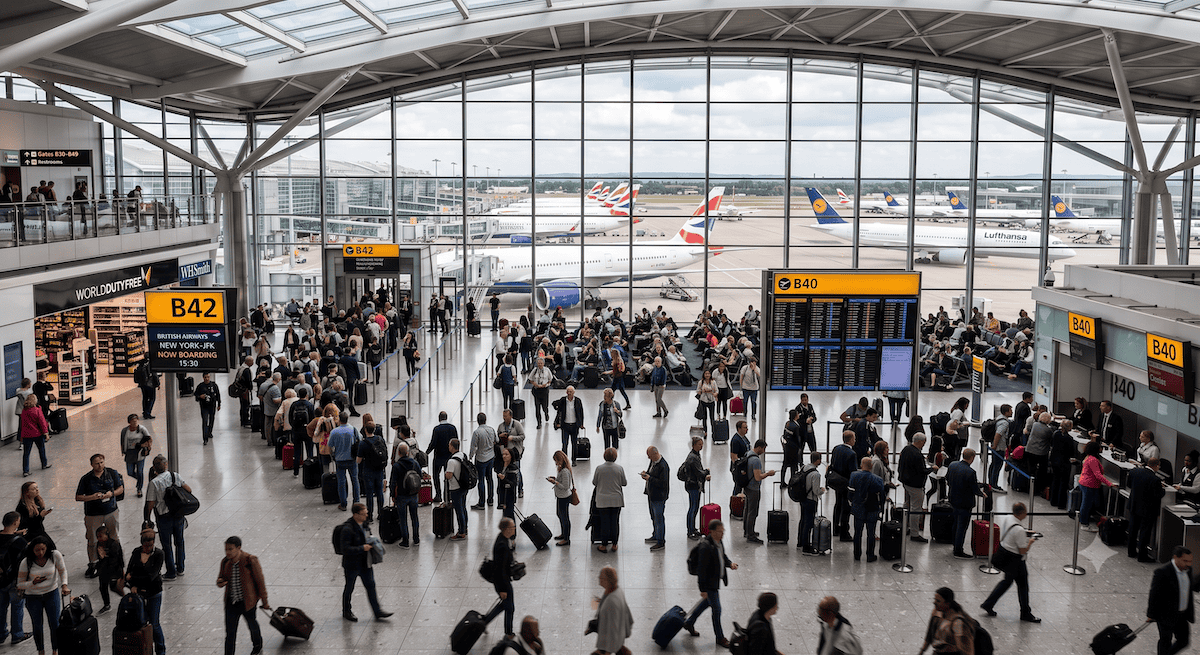
In addition, when traveling, you may be awkwardly weighed down with suitcases and carrying other paraphernalia—all of this in a new place offering novel distractions that capture your attention.
Lift your two arms to take a photo, and a clever pickpocket may be there to take advantage of the situation. That’s what happened to my husband in Bologna.
It’s not surprising that any of these circumstances dramatically increase the risk of losing your personal belongings or becoming a victim of a pickpocket — or, worse yet, identity theft.
I’ve left clothes behind in hotels and phone chargers plugged into walls. But small losses like these pale in comparison to losing your wallet or purse. The financial and emotional loss can be substantial, and worse than that, it can lead to the nightmare of identity theft.
Whatever our gender, we tend to accumulate “stuff” in our wallets, pockets, and purses. That’s why we all need to routinely prune our wallets and purses before a trip, taking as few things as possible—only the bare essentials.
This requires taking the time to think through what we absolutely need and what we don’t, which can vary based on our lifestyle, destination, and the type of trip we’re taking.
Here are 17 things you should take out of your wallet before you travel:
To begin the process, take everything out of your wallet and start from scratch. Here’s what you don’t need!
1) Membership Cards
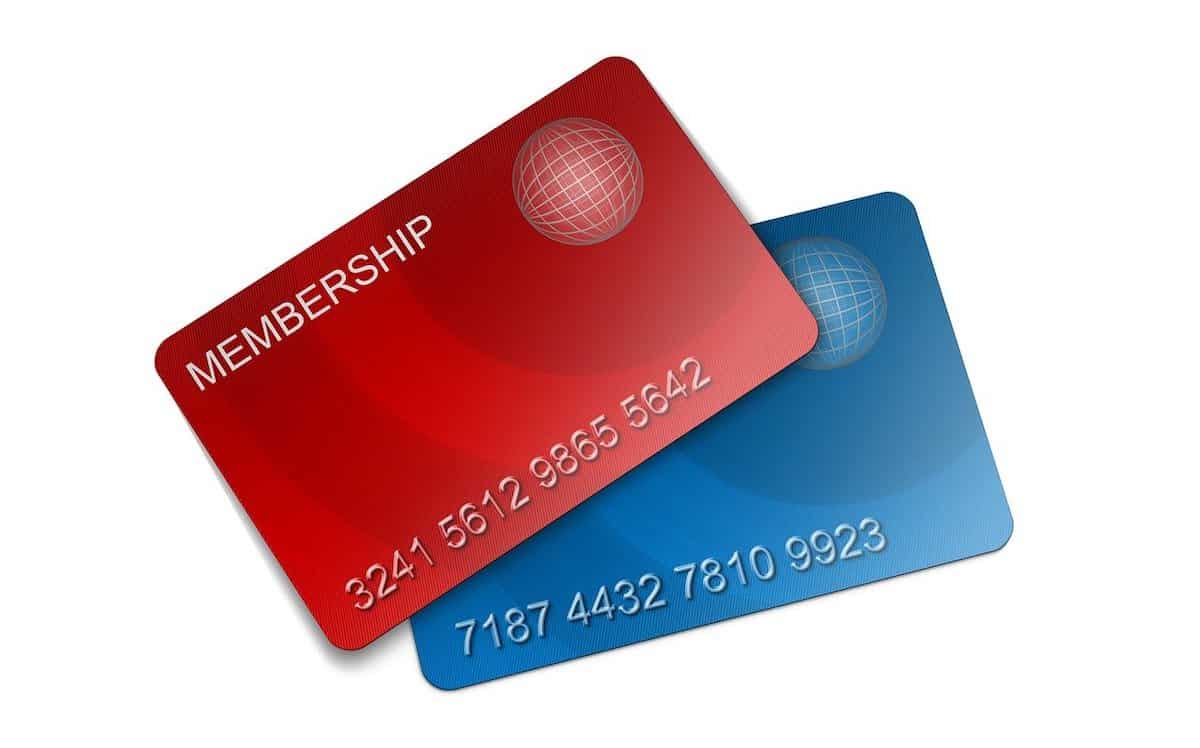
While traveling, it’s unlikely you’ll need proof of membership in organizations.
One exception: If it’s a travel organization (e.g., one associated with travel discounts, like an AARP card or a travel card affording lounge access), take a photo of the front and back of the card with your smartphone or add your club membership number to a password saver.
2) Employee IDs
Unless you are on a business trip and plan to visit a satellite office, you aren’t likely to need a business ID.
3) Car Registration/Proof of Automobile Insurance
Unless you’re on a domestic road trip using your own car, leave these at home.
However, you’ll probably want to take your driver’s license as photo ID. According to the Transportation Security Administration (TSA,), forms of valid identification to get on a plane include:
- Driver’s licenses or other state photo identity cards issued by a DMV
- A U.S. passport or a passport card, or
- A DHS trusted traveler card.
Since May 7, 2025, all air travelers ages 18 and over are required to have a REAL ID-compliant driver’s license, state-issued enhanced driver’s license, or another acceptable form of ID to fly domestically.
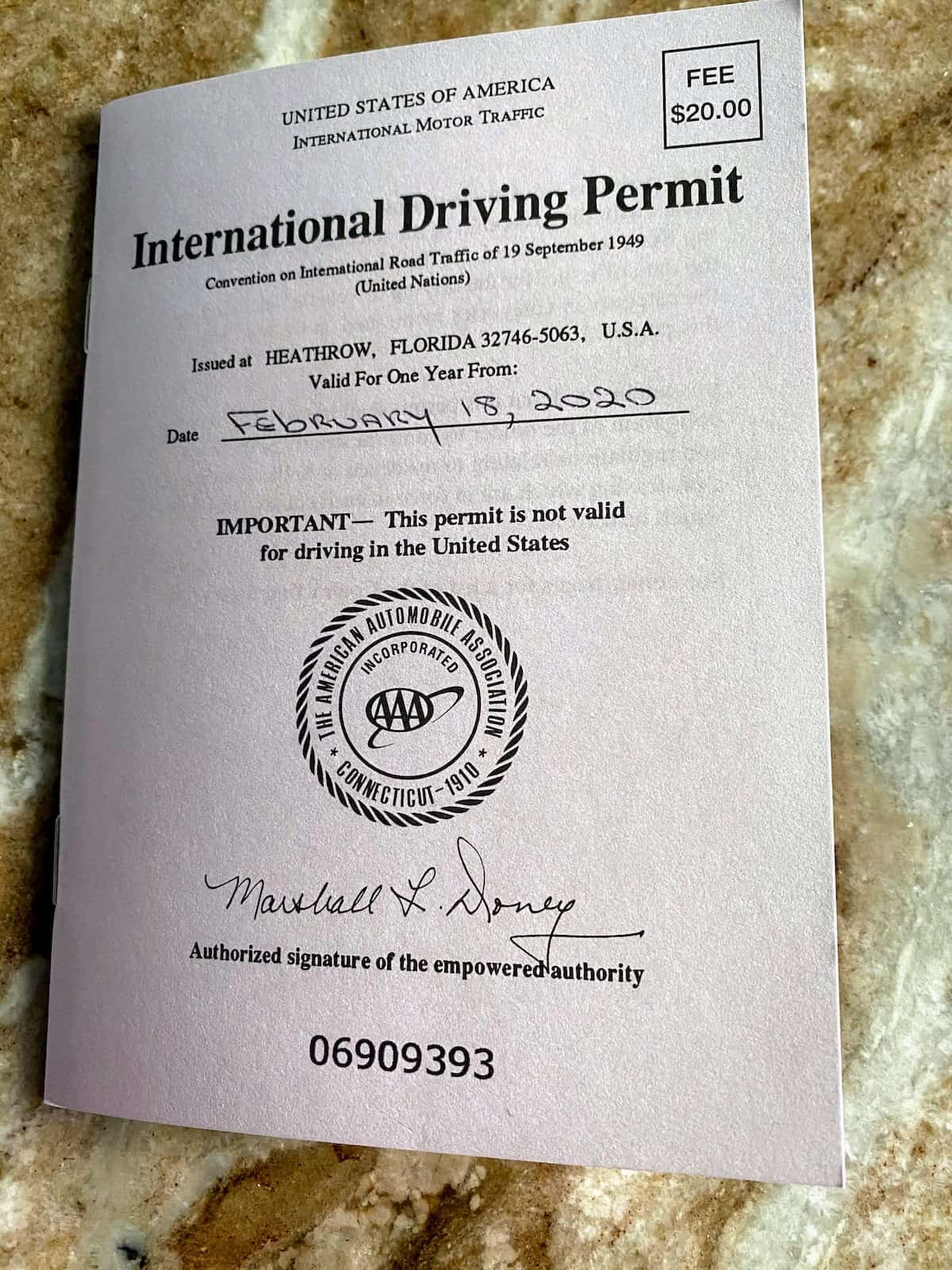
Additionally, if you are renting a car abroad, you may need an International Driving Permit (IDP).
4) Department Store Charge Cards
Unless you are going on a shopping trip and know the chain stores at your destination will also be there, leave your department store charge cards at home.
It’s generally wiser to use a generic charge card (e.g., Mastercard, Visa, or AMEX) or to store your department store charge card information in a secure password manager.
Note: Taking photos of the cards on your phone can be a big problem if your phone is lost and your card information is compromised.
5) Duplicate Credit/Debit Cards
Credit cards
You won’t likely need two of anything.
Eliminate heft and reduce risk by eliminating redundancy. Limit your charge cards to one or two major cards, and if you have two credit cards from the same bank, take only one (make sure it has the lowest foreign transaction fee if you are traveling internationally).
Also, make sure that the card(s) you take are accepted by most businesses where you are traveling. I prefer using my American Express card, but some merchants, particularly in Europe, only accept Visa or Mastercard, which charge them lower fees.
Debit cards
While debit cards are helpful for people who want to avoid racking up credit card debt, they do not offer the same fraud protections as credit cards. If you do not report unauthorized debit card transactions within 60 days of your statement being sent to you, you may be liable for them. D
6) Library Cards and Supermarket Cards
You won’t need your local library card, supermarket card, or the keychain dangles from your local drugstore or supermarket. Added heft also means added weight!
7) Sales Receipts and Dry Cleaner Bills
Put these in a safe place for when you return. They tend to accumulate and just add more unnecessary clutter.

8) Local Transit Passes, or Bus or Metro Cards
Unless you’re taking public transportation to the airport or taking a staycation, you won’t need these either.
Most public transportation systems allow you to swipe with your smartphone.
9) Treasured Photos
Even if you carry only one treasured photo of your partner, your kids, your grandkids, or your pet, keep it on your smartphone and leave the originals safely at home.

10) Gift Cards
Losing or misplacing a gift card is like losing cash. In fact, when my wallet was recently stolen, the first thing the culprit did was try to use my charge card to buy a gift card. (Fortunately, the $500 purchase was declined by my credit card bank.)
Save gift cards for your use at home or for gifting when you return.
11) Other People’s Business Cards
While you might want one or two of your own (if you want more than that, certainly don’t keep them in your wallet) and there is absolutely no reason to add the bulk of carrying other people’s business cards with you.
If the card has contact information for someone you want to connect with on your trip, add their contact info to your smartphone’s address book.
12) Airline Loyalty Cards
Again, they provide too much heft. Make sure you provide your membership/frequent flyer number when you make your reservation, and keep it on your smartphone.
TripIt is an easy and convenient trip planner and flight tracker that keeps your itinerary safe and lets you track your membership (and points) in various frequent-flyer programs. It also sends you helpful reminders, including real-time flight alerts. You can sign up for the free app that will simplify tracking your itinerary and all its details.
s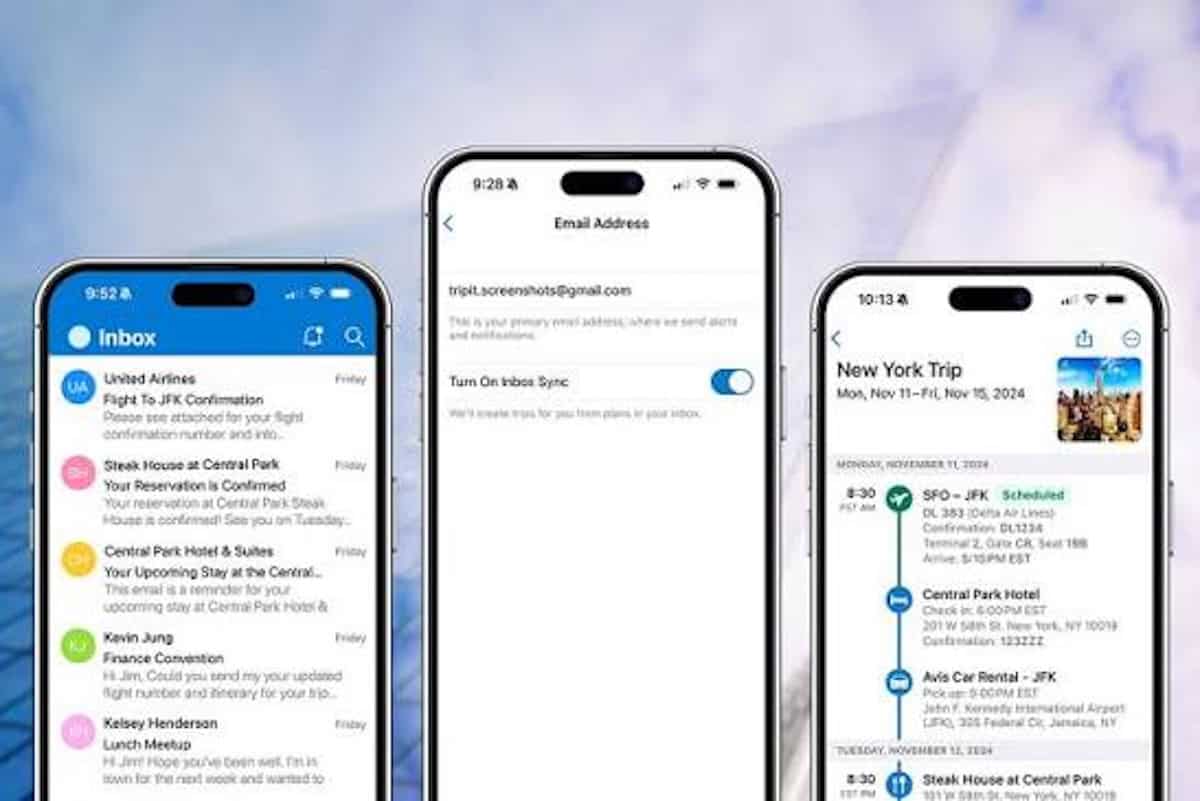
TripIt helps you to conveniently organize your trips (credit: TripIt)
13) Social Security Numbers
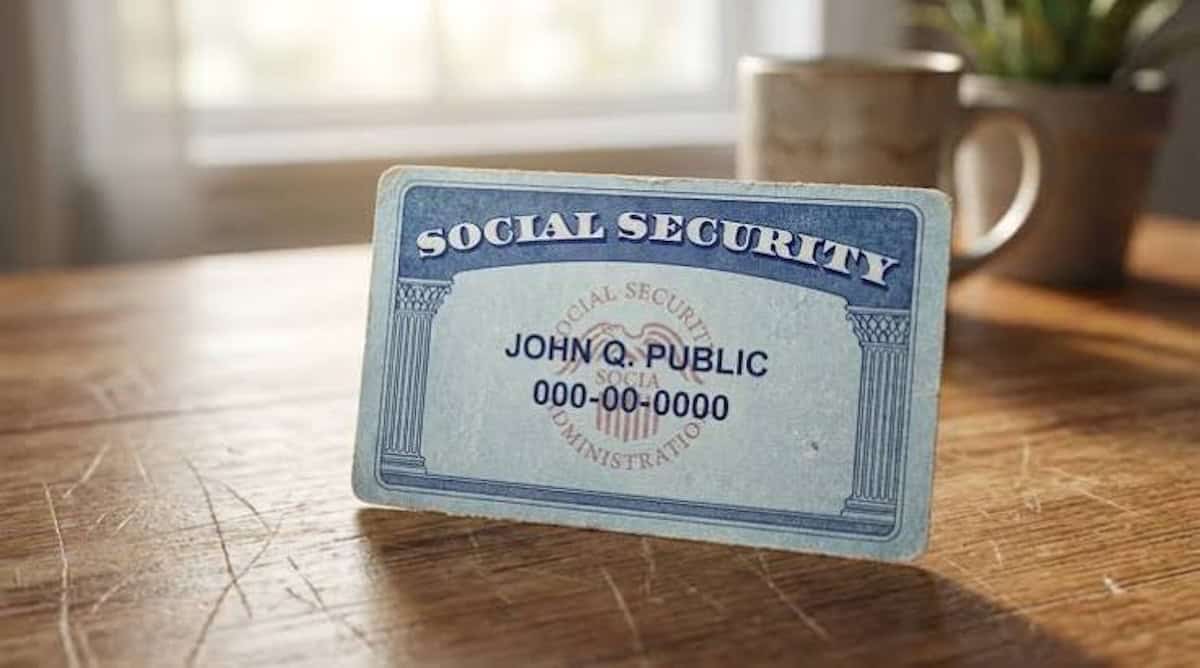
Your Social Security card is one of the riskiest things to keep in your wallet. You know (or should know) your Social Security number by now, and there are few times when you might need the actual card.
The risk of losing it is onerous because thieves can use it to open a line of credit in your name.
14) Health Insurance Cards
Don’t forget to take your health or medical insurance cards out of your wallet before you travel. When my wallet was stolen, I had to contact my medical insurers for replacements. However, a reminder: Do take information, including the names and contact information of your doctors, dentists, lawyers, insurers, pharmacy, and next of kin, in case of a medical emergency.
According to AARP, stolen Medicare numbers are often used to file false claims for reimbursement. Here is some further information from Medicare on what to do if your Medicare card is lost or stolen.
15) Blank checks
Never carry blank checks in your wallet. I can count on one hand the number of times I’ve needed a check and they usually weren’t when I was traveling.
16) Unnecessary Cash
Don’t take any unnecessary cash. Take only as much currency as you’ll need.
You may want to have enough local currency for the trip from the airport to your hotel and for snacks, tips, etc. Don’t take too much; you can also get more from an ATM at your destination. And leave heavy coins in your piggy bank.
17) Lottery Tickets

If the lottery hasn’t been held before the date of your trip, you’ll find out that you didn’t win when you get back.:-) Can you imagine winning and imagine losing your lottery ticket?
This post with travel gear may contain affiliate links. This means that I may receive compensation if you click a link, at no additional cost to you. For more information, please read my privacy and disclosure policies at the end of this page.
Tips on Keeping Your Wallet and Personal Information Safe
- Think about the safest place to keep your wallet (e.g., in a front or zippered pocket for men, in a compartment inside a zippered purse for women), and be attentive to its whereabouts and the people around you.
- An RFID wallet or pouch can help protect you against identity theft. A thief can simply brush an RFID scanner against you to capture information from your credit or debit cards.
Every traveler has their own favorite type of wallet and Amazon offers a range of different styles of RFID wallets at different price points. This Timberland wallet is right-sized to even fit in a small purse or crossbody bag. It is made of leather, is reasonably priced, and comes in a wide range of colors. 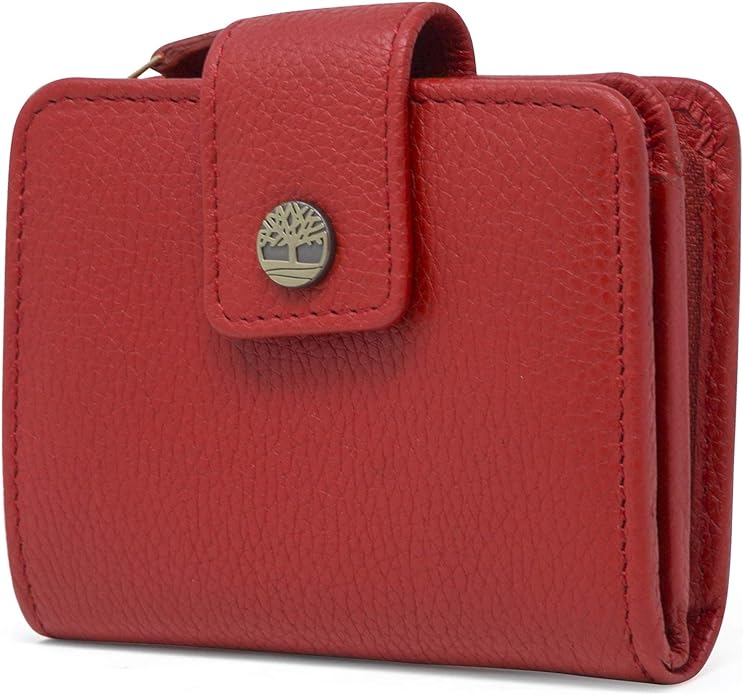
Timberland RFID wallet
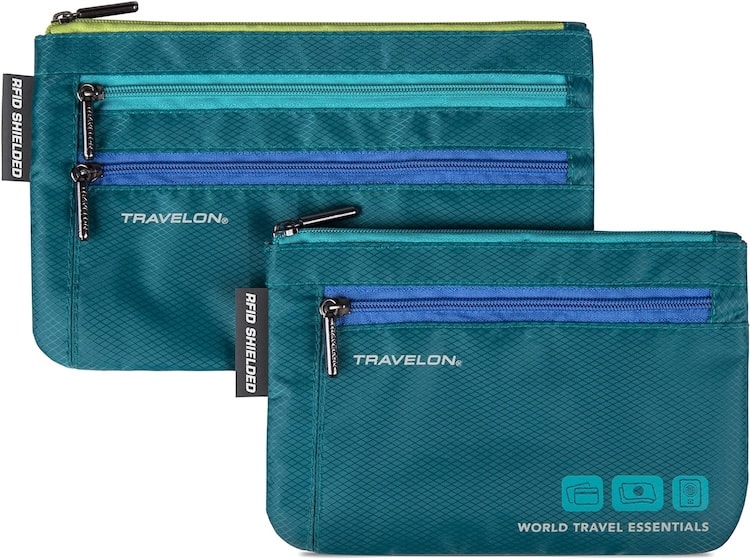
If you prefer a small pouch, Travelon is one of many companies that make inexpensive RFID-shielded pouches that can hold your passport, money, and cards. This set is for both cards and passports.
- Avoid black wallets like the plague because they are so easy to lose in a purse or under a car seat.
- Use your password-protected smartphone to copy information you might need but have removed from your wallet. Put more sensitive information in a password manager.
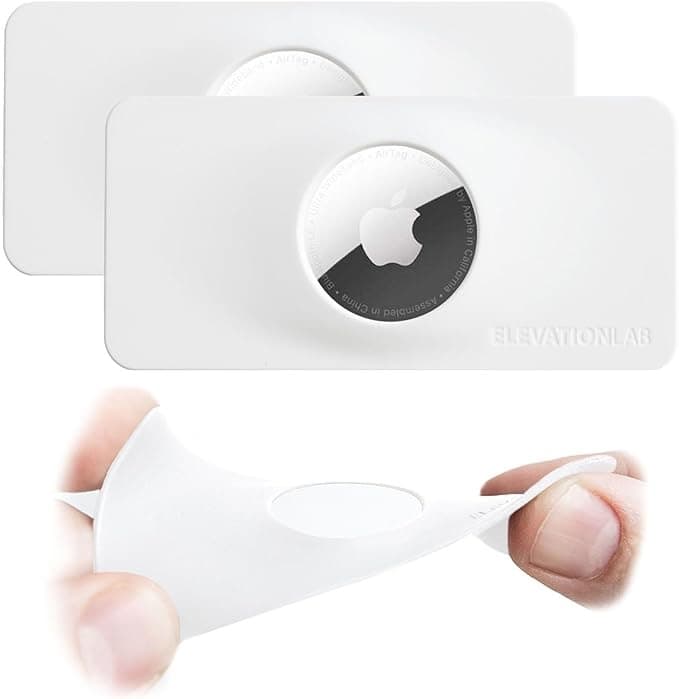
- When I filed a police report with my local police station, the officer on duty suggested that I carry an AirTag electronic tracker in my wallet in the future.
When I looked into the options, I decided to purchase this flexible AirTag holder, called TagVault, that you can slip into a wallet. It is just about the size of a credit card (although slightly shorter to stay hidden) and it adds no thickness to the AirTag.
Secrid: The Best Wallet Ever
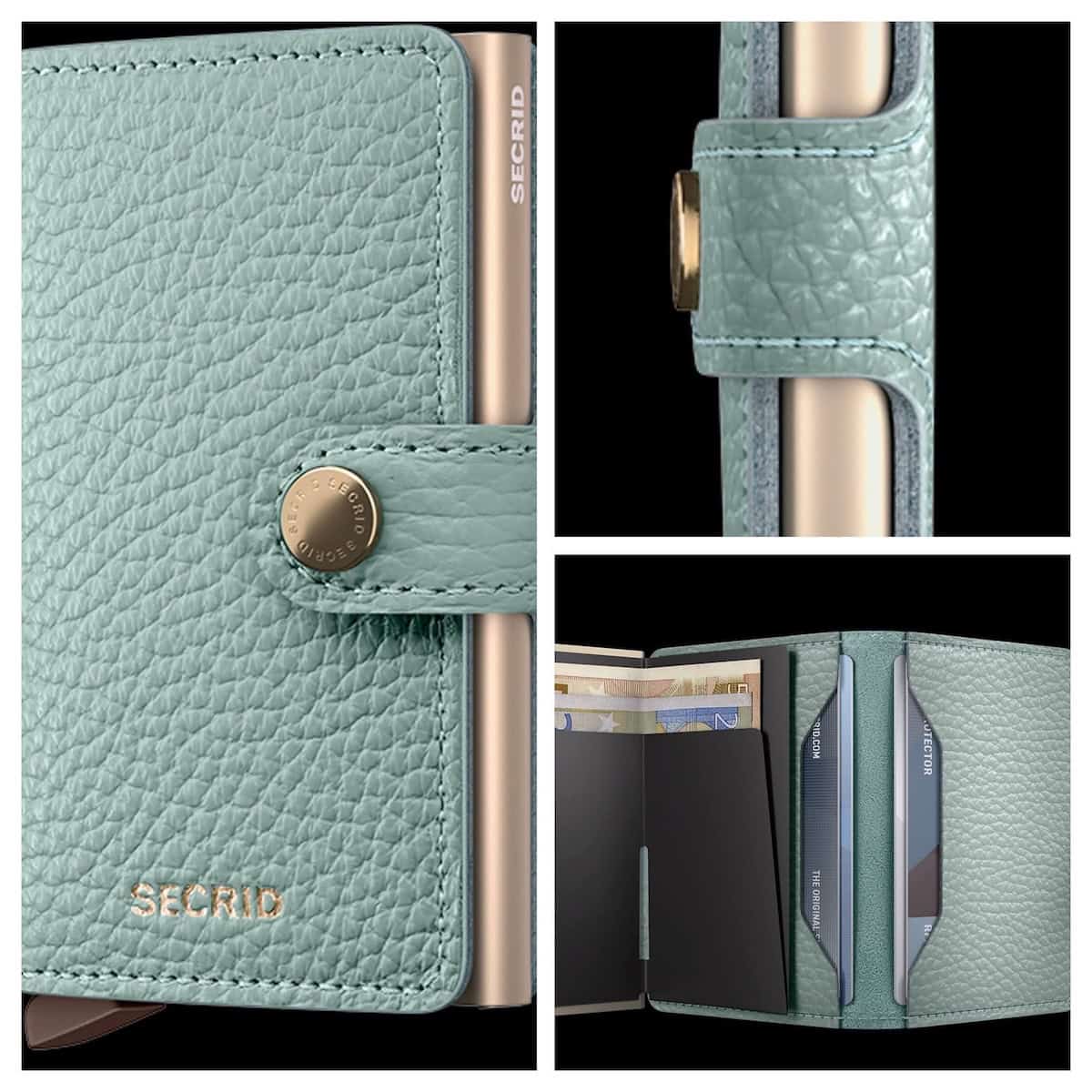
On my last trip to Europe, I purchased my all-time favorite wallet at Rinascente, a department store in Italy. Not only do I use it on every trip, but I also use it at home. Although the brand is Dutch, this was the first time I had seen it.
It is so slim that it fits in my pants pocket when I’m going for a walk, letting me carry my driver’s license and essential credit cards without a purse. If I’m taking a purse, it doesn’t load it down. It also keeps me honest about having a pruned wallet!
- It’s a technological marvel: with a flick of a button, you can pop up your cards so they are in sight..
- It’s only 2.6 inches x 4 inches x 08 inches.
- It holds up to 10 credit cards (although you don’t need that many)
- It stores currency so you have some cash.
- It’s RFID protected.
- The wallet shown is in Sea Green pebble leather, but the identical one is also available in Rose and Butter Yellow.
Other Secrid Wallets at Nordstrom
I’ve given them as gifts, and every recipient has loved them as much as I do!
N.B. Amazon also sells Secrid wallets for women and men in a variety of styles but the maker says that they cannot guarantee their authenticity.
Save to Pinterest!!
This post was reviewed and updated, 9/25.




Great tips! I do this before I travel, too… No need to carry around all those unneeded cards!
I use a lightweight travel wallet and only put a few things in that!
Thank you for the reminder – I think many of us bring far too much when we travel. I have lightweight, flat travel wallet that I use and it really helps keep things simple! Thank you for the tips!
Not just for travel. I started doing than a while back when my wallet got too fat . Medical providers and my 2 local libraries scan the picture of my cards.
Many Insurance companies will let you download their app, but having a picture on your phone is better, especially if WiFi isn’t easily available when you need it.
A great permanent improvement.