5 Reasons Why Retirees Need Vacations
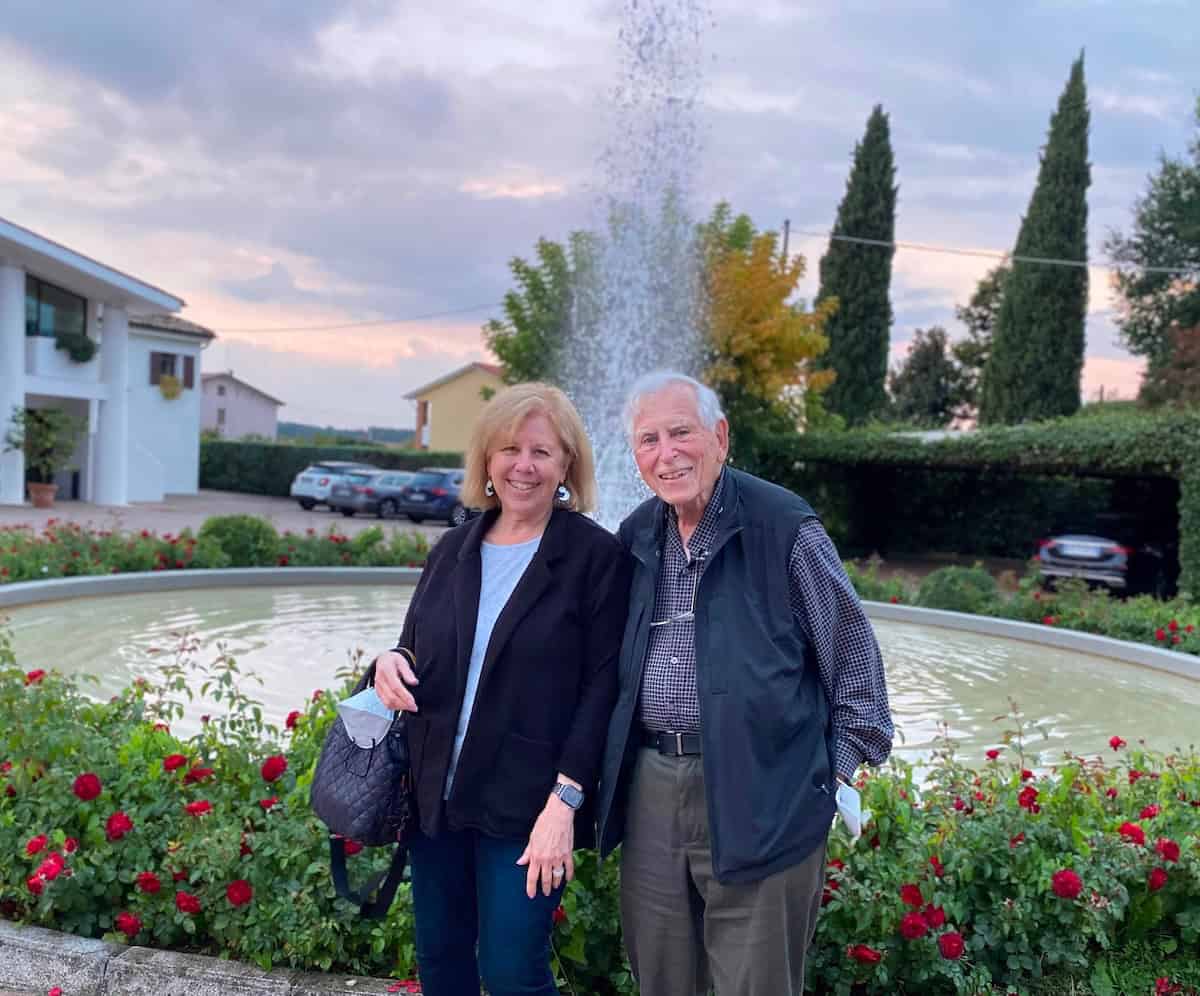
Even retirees who’ve quit the 9-to-5 grind still need vacations. Here’s why:
When someone works or is a student, taking time off to travel or relax at home is considered a necessity. However, the case for needing a vacation once you’re retired isn’t as clear-cut.
If you are already retired and tell your millennial sons or daughters (or working friends) that you’re planning a getaway, they may look at you with a blank stare and ask: “Aren’t you always on vacation? You’re retired.”
People romanticize retirement as the long-anticipated vacation that never ends. So why would someone who is retired — removed from the stresses of waking up to an alarm clock every morning and relieved of the daily hassles of the workplace — need or relish a vacation?
Actually, a preponderance of research and expert opinion suggests that vacations may be just as essential for retirees as for working folks.
The only limited factor turns out to be having enough funds. Although retirees have the gifts of more freedom and time, they tend to live on reduced incomes (an average one-half to two-thirds less than when they were working), which can crimp anyone’s vacation plans.
If you are a retiree or pondering leaping into retirement, here are five reasons why you will still need a vacation:
1- To Avoid Feelings of Loneliness
One of the biggest pitfalls of retirement is the potential for social isolation, which tends to be greatest for those who are single or living alone, or for married retirees whose spouses are still working.
Work brings people into contact with a host of others (co-workers, clients, fellow train or bus commuters). Without the structure that a job provides, it’s easy to sleep late and remain in pajamas all day. Days and weeks may pass with only limited contact with others.
Sociologist Robert S. Weiss conducted in-depth interviews with 89 retirees and found that deep loneliness was often a consequence of the transition. In his book, The Experience of Retirement, one retiree compared the loneliness to how a child feels when forced to stay home on a school day, missing all the action.
Vacations (which, for retirees, generally entail some form of travel) foster opportunities to interact with companions and others, while planning trips and while traveling.
2- To Take A Break From Routine
The boomer generation is living longer and retiring earlier, with some spending as much as a quarter of their lives retired, according to anthropologist and gerontologist Joel S. Savishinsky, author of Breaking the Watch: The Meanings of Retirement in America.
“Retirement was like a ‘vacation’ to those who anticipated its freedom; it was a ‘sentence’ to those who could not escape its confinement,” he writes.
Whether retirement winds up being boring, tedious or stressful depends, to a large extent, on the personality of the retiree, as well as the circumstances of his/her retirement — for example, whether it was forced or voluntary, and also the status of the retiree’s health, mobility, finances, social supports and life stressors. Some retirees are burdened with childcare responsibilities for grandchildren; those who retire young may be caring for aging parents and/or older children.
The novelty of travel provides a respite from routine — whether it’s a visit to friends or relatives out of town, a stay at a beach or wellness resort, a camping or fishing trip, or a trip abroad.
To break the humdrum, retirees also visit other cities or states to scope out places to relocate, take multigenerational family trips or move seasonally (so-called snowbirds).
3- To Feel Stimulated and Challenged
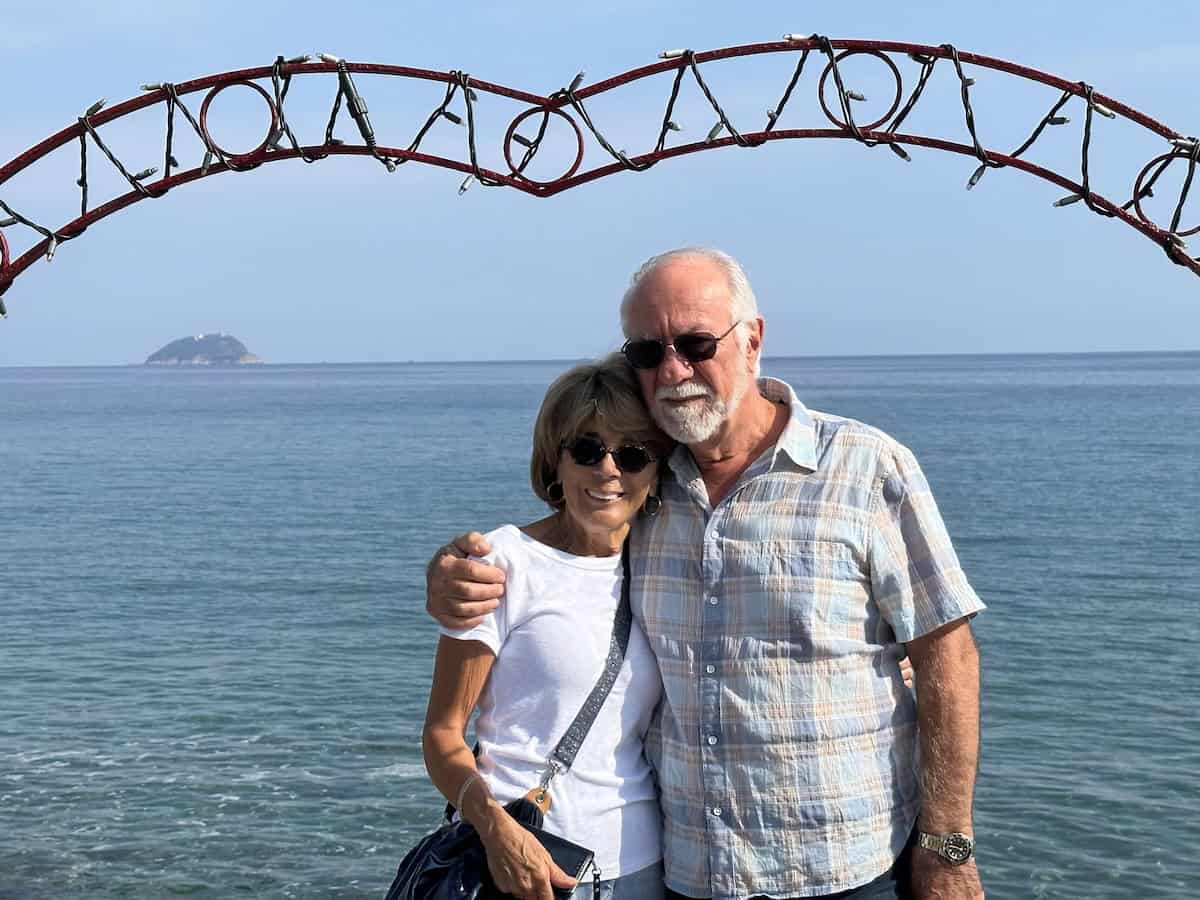
Vacations make us feel alive and enhance our sense of accomplishment. We’re likely to see and do different things, learn new languages and customs, taste new foods and/or meet interesting people along the way.
It’s joyful to share the experience with travel companions, document it in photographs and bring back stories when we return.
“Travel helps retirees celebrate freedom from obligation,” says David J. Ekerdt, director of the Gerontology Center at the University of Kansas, whose research focuses on the transition from work to retirement. “It is something to anticipate, something that populates your future with a project or event. It’s an affirmation of good health — that you can actually get in a car and go two states away.”
Vacations usually provide varied physical challenges, too, whether they are walking tours, biking or hiking trips or even more adventuresome jaunts.
4- To Enhance One’s Sense of Self
In an essay in The Wall Street Journal, Retirement’s Biggest Challenge: Finding a New Identity, the writer laments the loss of identity she experienced in retirement because people tend to define us by what we do.
Vacations confer a new identity — that of being a traveler. Ekerdt has observed that planning “The Big Trip” (e.g., a week in Europe, an RV trip cross-country, a world cruise or even a fishing trip) is common among retirees, often announced with great fanfare. Much like a honeymoon, this rite of passage affords time for reflection and introspection.
The trip also provides a ready response to the oft-asked, awkward-to-answer question for retirees: What will you do?
5- To Fulfill Lifelong Dreams

Travel ranks high on many people’s bucket lists: Most people are eager to visit places they’ve only read or heard about, while they still can before illness or disability sets in.
Inveterate travelers who had limited vacation time while working may choose to continue traveling as much as possible, but perhaps travel differently than in the past.
Apropos of what she terms a “serious case of wanderlust” (that others might see as extreme), author Lynne Martin and her husband Tim, both retirees, sold their California home and divested themselves of most possessions so they could live in various cities around the globe for two or three months at a clip. Lynne Martin’s new book, Home Sweet Anywhere: How We Sold Our House, Created a New Life and Saw the World, chronicles the experience. (My interview with her appeared on Next Avenue.)
Interestingly, she doesn’t equate their extended travel with a vacation. “You do what you do when you live at home,” she says. “We cook dinner and watch TV at night. We figure out how to use the washing machine and shop in the neighborhood. Each place is our home away from home.”
Their travels have brought the couple closer. “When you’re in a country and you don’t speak the language and don’t know a soul, why would you ‘fuss’ with the one person you know?” the author asks.
Retirees and empty-nesters Chris and Joe Scott achieved their bucket list goal of traveling to 100 countries, qualifying them to join the elite ranks of the Travelers’ Century Club (TCC). Reaching their goal and attaining bragging rights as TCC members wasn’t an endpoint. “It has inspired us to continue to travel as much as we can,” Joe told me.
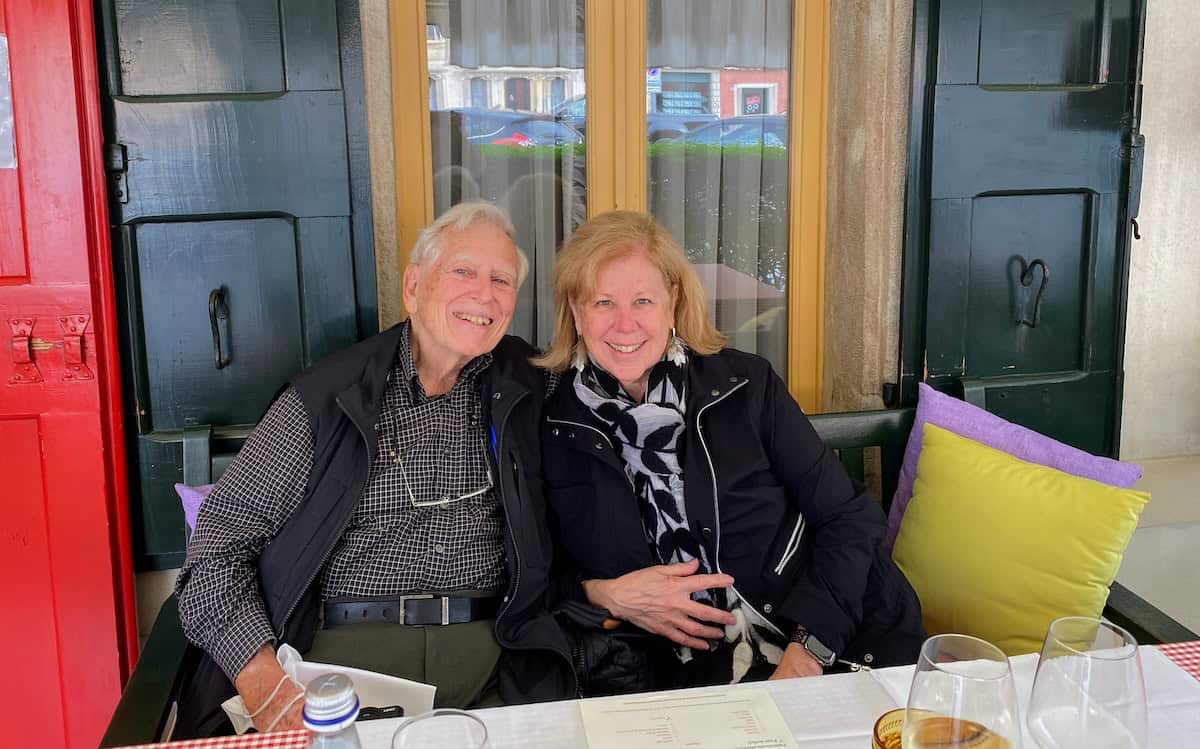
One Caveat: Vacations During Retirement Can Be Costly
A study commissioned by the Global Aging Coalition and the Transamerica Center for Retirement Studies concludes that retirees who travel are happier and healthier than non-travelers, because traveling enhances their sense of accomplishment and strengthens their family connections — essential elements of successful retirement.
However, the biggest regret expressed by the respondents was not having saved enough money for travel.
Although retirees have the gifts of more freedom and time, they tend to live on reduced incomes (an average one-half to two-thirds less than when they were working), which can crimp anyone’s vacation plans.
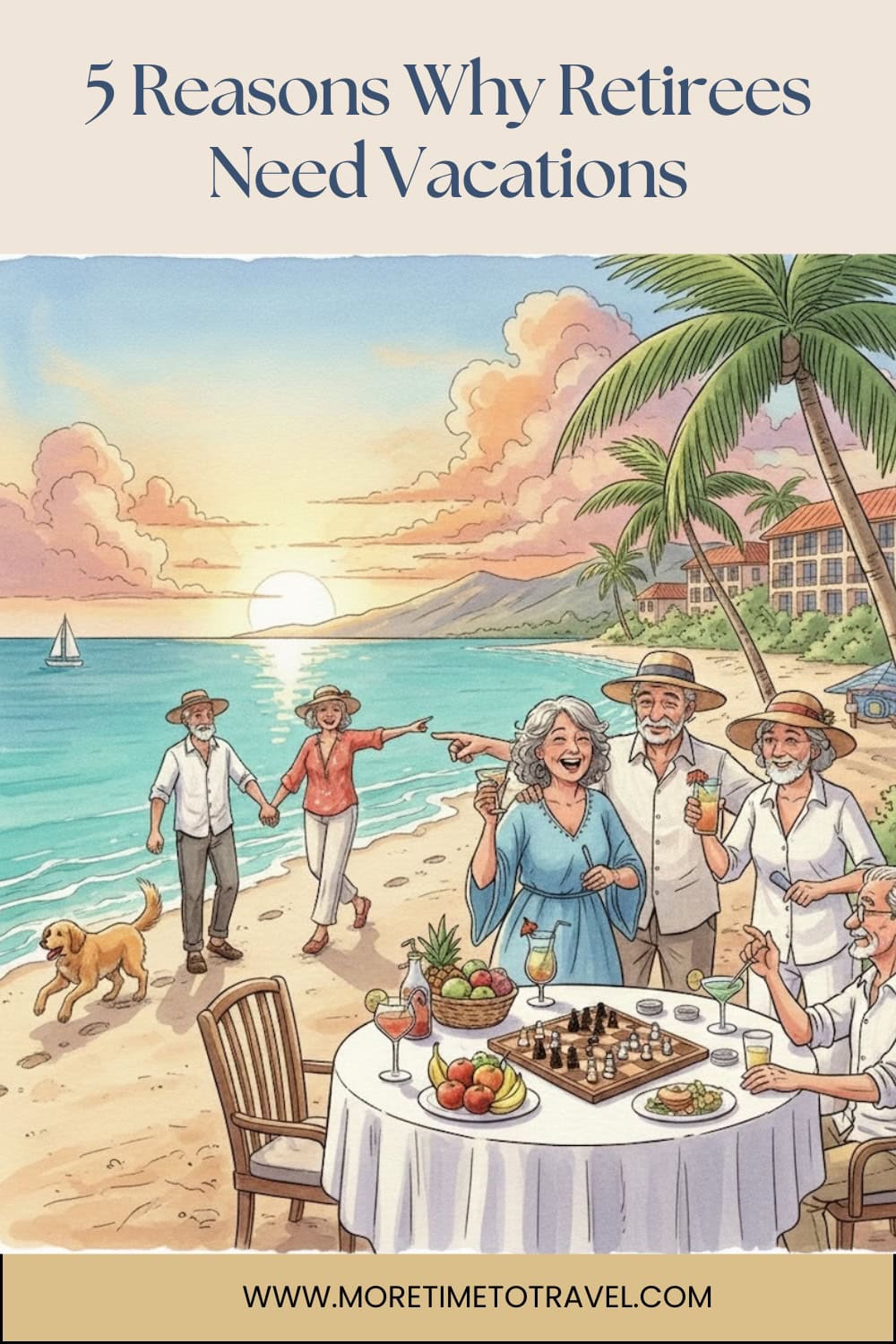
Save to Pinterest!!





This is a great sounding book! I would start my travels by staying in Amsterdam and riding my bike everywhere.
What an excellent, insightful article. Am forwarding to Husband, who is planning to retire in two years. Thankfully, I’m married to a planner and a saver, but we are not sure how long we will continue to live in expensive DC. Big decisions coming.
Great pic of an adorable couple!