5 Essential Tips For Traveling Solo With Type 1 Diabetes

Daniele Foti, 38, is one of a growing number of solo travelers. The 38-year-old executive defies the stereotype of a young, carefree backpacker in more ways than one: He is a solo traveler with Type 1 diabetes, which was diagnosed five years ago.
Born in Italy, Foti is the vice president of marketing for Lavazza North America. Now based in the U.S., he takes 40-50 business trips annually, both domestic and international.
You might think that with all that travel, he would want to laze at a beach or pool on vacation. Instead, Foti uses his time off to travel alone, for pleasure, to places like Jordan, Mexico and Morocco, pursuing his related passions for travel and photography.
The Perks and Challenges of Solo Travel

Traveling alone, once uncommon, is a growing trend among people of all ages, genders, and socioeconomic backgrounds, no longer limited to young, singles or digital nomads.
Increasingly, solo travel is being recognized for the unique opportunities it offers: adventure, authentic experiences, social connections, and cultural immersion. You don’t have to be poor, you don’t have to be single, and you don’t have to be nomadic to be a solo traveler.
Proponents extol the sense of freedom it offers, allowing individuals to do precisely what they want, when they want to do it, and at their own pace, without having to make compromises. They also value the sense of autonomy and self-confidence it builds..
But traveling alone always presents certain challenges. These potentially include feelings of isolation and loneliness, safety concerns, higher costs, and the absence of someone to rely on in the event of an emergency.
Traveling solo with a chronic condition like Type 1 diabetes adds another layer of complexity.
Getting Diagnosed With Type 1 Diabetes

Foti received a sudden and unexpected, life-altering diagnosis of Type 1 diabetes in October 2020, but it hasn’t dimmed his passion for solo travel.
The first symptoms Foti experienced were quite typical. “I was constantly thirsty, felt tingling in my arms, and experienced sudden drops in vision. I also lost around 7 kilos (15 pounds) in just one month,” he says.
“I went through every possible medical test, leaving the blood work for last, and I received a call I will never forget.”
“Foti Daniele?”
“Yes, that’s me.”
“You had a blood test this morning, correct? We already have your results. Your blood sugar is at 498, you need to come back to the hospital as soon as possible!”
“I’m sorry, but I’m not really sure what that means…”
“A glycemic value of 498 – You have diabetes.”
That shocking phone call altered his way of life.
What is Type 1 Diabetes?
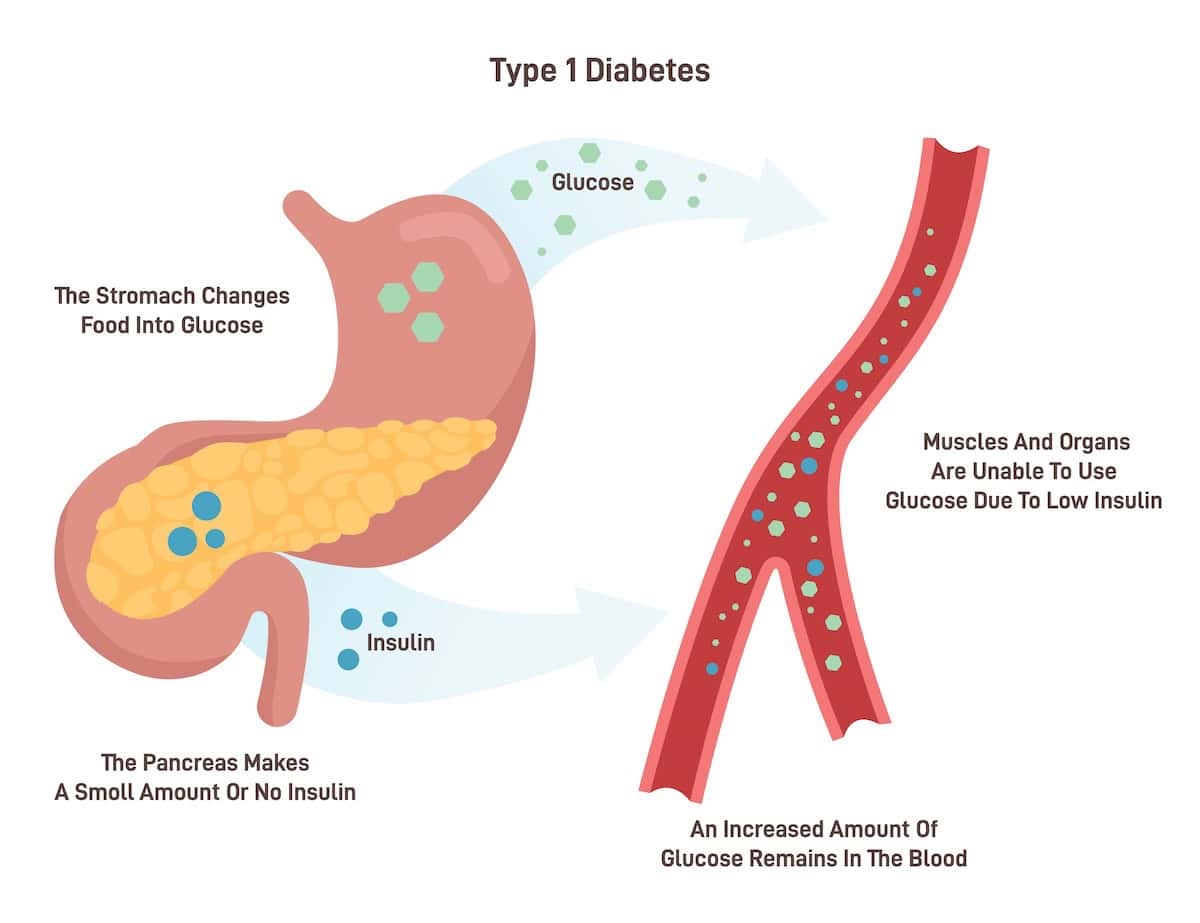
Type 1 diabetes is a lifelong autoimmune disorder in which the pancreas produces little or no insulin. Without sufficient insulin, sugar accumulates in the blood, and the body is unable to derive energy from food.
About 2 million Americans have Type 1 diabetes. While it can crop up at any age, it is most often diagnosed in children and adolescents between the ages of 4 and 7, and 10 and 14. Having a family history slightly increases the risk of developing the condition.
“My mother and maternal grandmother both had Type 2 diabetes, but no one in my family ever had Type 1,” says Foti. “So my diagnosis was quite unexpected. both because of my age (I was 33 at the time) and because there was no family history.”
The Challenges of Managing Type 1 Diabetes

Type 1 diabetes requires daily monitoring of blood sugar multiple times a day and management with insulin injections or an insulin pump to avoid serious health problems.
According to the Cleveland Clinic, the three central tenets of diabetes management include monitoring blood sugar levels, counting carbohydrates (the primary nutrient that raises blood sugar levels), and using insulin as needed. Carbs include sugar, starches, and fiber (although fiber doesn’t raise blood sugar).
An insulin pump is a small, wearable device programmed to deliver insulin continuously to the body based on carbohydrate intake, serving as a newer alternative to multiple daily injections of insulin.
Foti only started using a pump fairly recently, in April 2025. “Before that, I wasn’t comfortable with the idea of having a medical device constantly attached to my body, especially on my abdomen, since I’m quite an active person. I was also worried about the size of traditional insulin pumps,” he says.
His doctor eventually convinced him to try one of the newer, more compact and disposable models of pumps. “They last about three days and are no larger than a couple of inches. I usually wear them on my arm, and they don’t bother me at all during the day,” he says.
“Switching to the pump has truly been a life changer,” he says. “In terms of diabetes management, the pump has made everything significantly easier and more precise. I no longer need to carry insulin pens or make discreet restroom breaks before meals to take injections, something that was always a bit uncomfortable, especially in social or professional situations.”
5 Essential Tips for Traveling Solo With Type 1 Diabetes

Foti calls Type 1 diabetes his “life partner,” a chronic condition that will always be with him. His travels can no longer be as spontaneous as they were in the past. Instead, he must carefully research and plan ahead, including his flights, accommodations, diet, and rest time.
1) Get Ready for Air Travel
“I know that the security screening will detect the medical devices on my arms, so I’m always prepared for an additional check,” he says. I usually raise my hand before walking through the scanner to let the officers know to expect the alarm. It helps avoid confusion and keeps the process quick and smooth.”
He moves around when possible and tries to stay hydrated during the flight. He notes that the TSA 3.4oz liquid rule does not apply to medical necessities, such as insulin and juice for hypoglycemia, but they must be declared and placed in a clear bag.
“I always bring some extra patience with me,” he adds.
2) Check Out Accommodations
“I need to ensure each place I stay has a way to store insulin,” Foti explains, “at least a refrigerator.” This can be especially difficult in remote areas.
As an extra precautionary step, many travelers with Type 1 diabetes inform the hotel staff of their status to ensure the refrigerator is working properly.
3) Be Vigilant About Diet and Blood Sugar Levels
Foti always makes sure to carry healthy snacks with him, whether on a plane or visiting a museum.
“I routinely carry some snacks from home with known carb values. This helps me balance local meals with something predictable,” he says. “Estimating carbs in unfamiliar dishes is never intuitive.”
Foti doesn’t deny himself local and regional cuisine, but indulging requires some care. On one trip to Mexico, for example, it took him four days to figure out the correct insulin dose for a single tortilla or quesadilla.
“I’m lucky enough to have good control over my diabetes even though it’s not always easy. I can usually feel it right away when something is off with my blood sugar levels, whether it’s a hypo- or hyperglycemic episode,” he says.
“Additionally, I already have multiple alerts in place to keep me covered: the glucose sensor itself, my mobile app, and a dedicated controller—all of which will start ringing if my blood sugar levels get too high or too low. So, between awareness and technology, I feel well-protected without needing an ID bracelet, which many Type 1 diabetics choose to wear.
4) Build Rest Into Your Itinerary
Traveling entails changes in routine that can affect diabetes management.
“In other countries, my daily routines are so different from life in New York, and these changes can affect how my body responds to insulin,” says Foti. Even excessive heat can affect blood sugar.
“I need to plan enough time to rest and stay hydrated while exploring all the places I want to see,” he says. This requires making rapid adjustments and accommodating changes in time zones.
5) Remain Flexible And Don’t Let Diabetes Hold You Back
“Admittedly, traveling with Type 1 diabetes requires backup plans, constant awareness, and flexibility to adapt quickly when things don’t go as expected,” he says.
“A psychologist once said something I’ll never forget: ‘Diabetes is like an unexpected guest who will never leave your house.’ You can either spend your life frustrated by that guest—feeling limited, constantly thinking about what you can’t do—or you can learn to live with it, adapt, and keep going.
Traveling solo with Type 1 diabetes introduces an added layer of complexity. As Foti notes, “Food, timing, logistics—everything is affected.” However, he emphasizes, “At the end of the day, it’s just one more challenge to manage, not a reason to stop exploring. It also makes each successful journey even more rewarding.’”

More Information from the Centers for Disease Control: Traveling with Diabetes